Calcium Silicon Alloy Applications and Optimization in Steelmaking
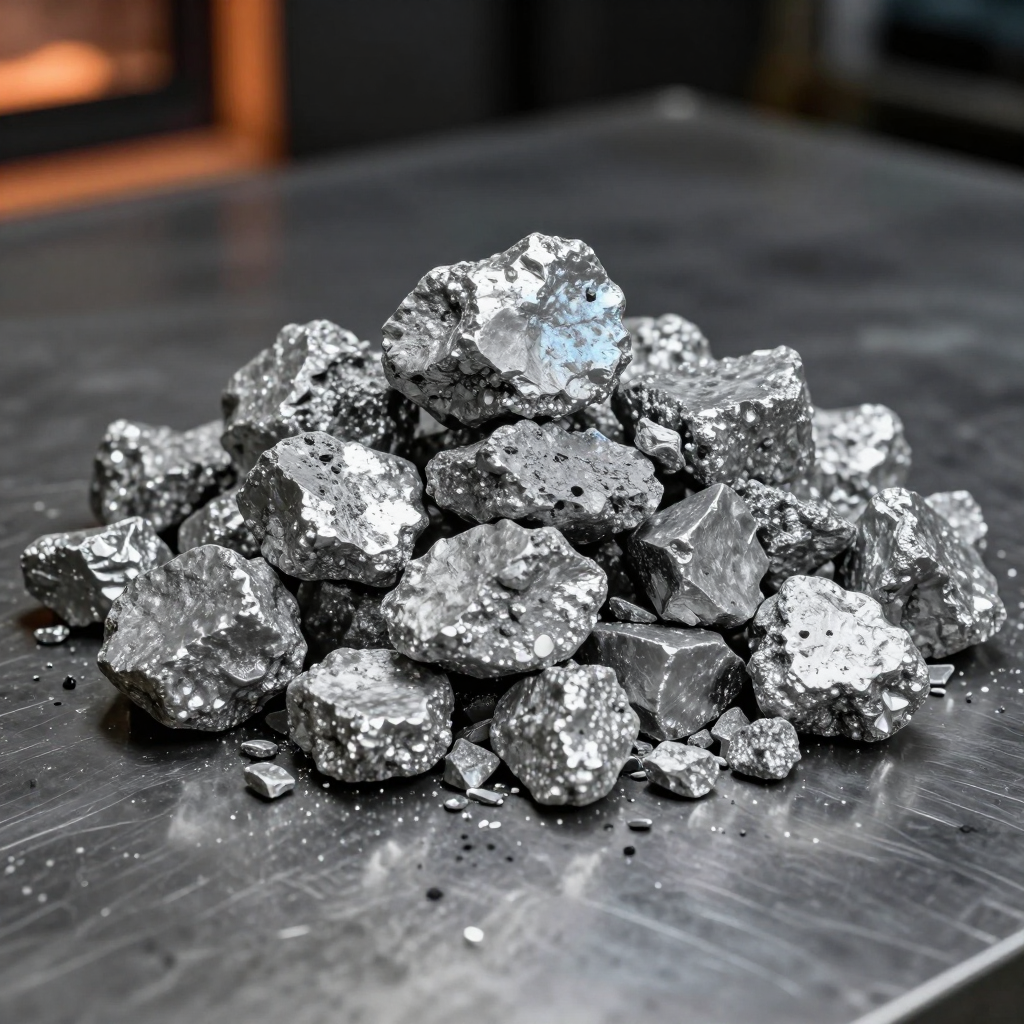
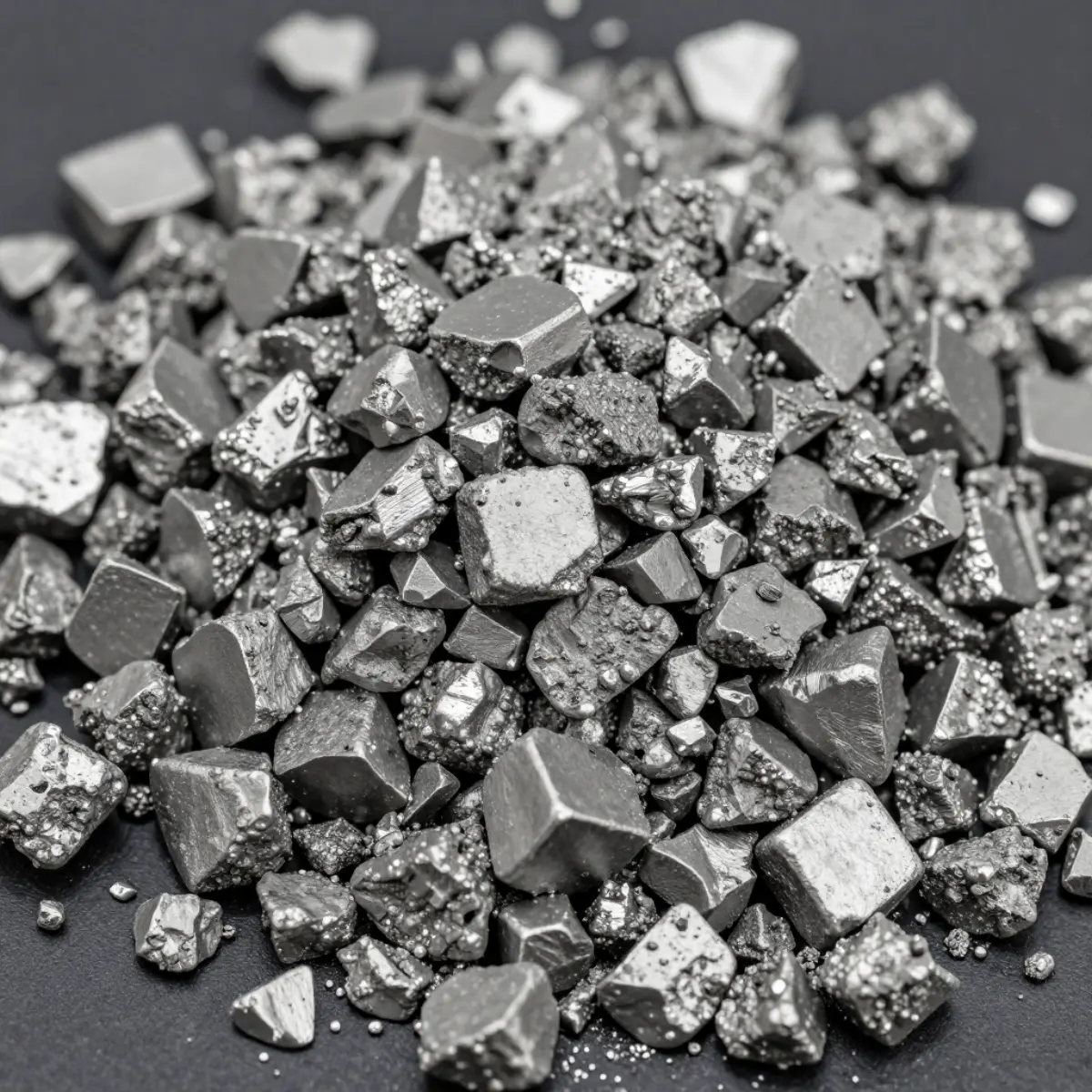
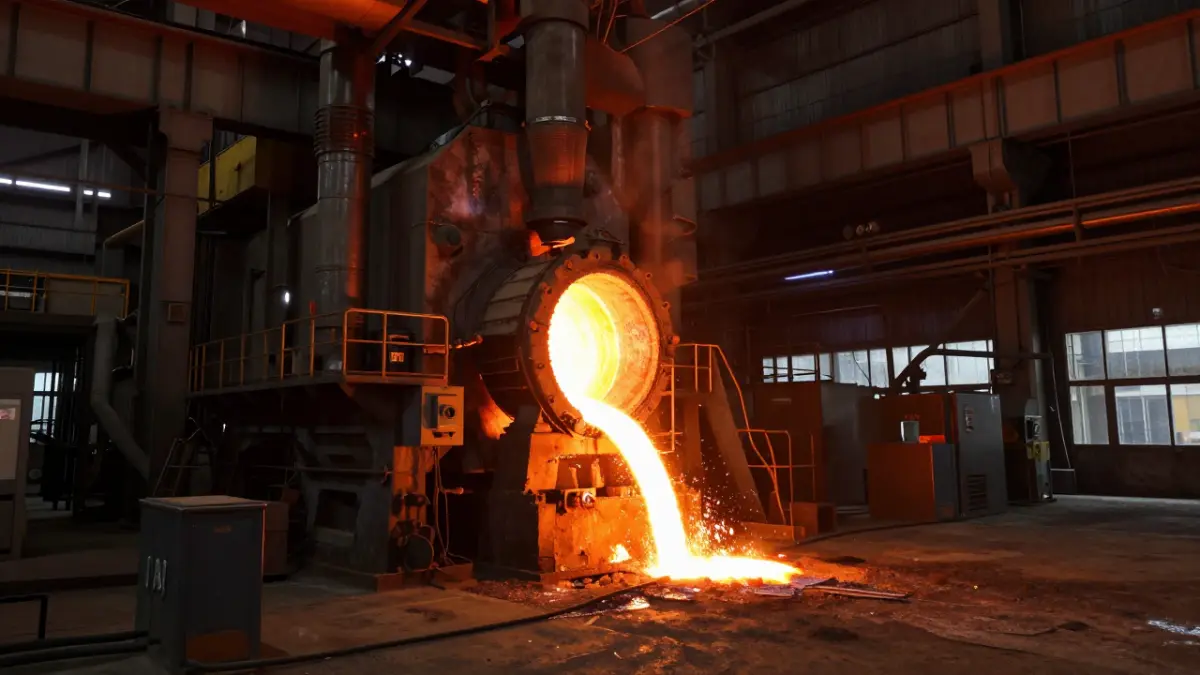
Calcium silicon alloy (CaSi) has become an indispensable material in modern steelmaking, where the demand for ever-higher steel cleanliness drives the adoption of advanced inclusion control technologies. The standard CaSi 30/60 grade, containing approximately 30% calcium and 60% silicon, serves as the primary vehicle for introducing calcium into aluminum-killed steel — a treatment that fundamentally transforms the nature of non-metallic inclusions and determines whether a heat of steel can be successfully continuous-cast or must be downgraded. As steel specifications for ultra-low oxygen content, tight inclusion size distributions, and superior surface quality continue to tighten across automotive, pipeline, and bearing applications, the role of calcium treatment with CaSi has expanded from an optional quality measure to a mandatory process step in most modern steel plants.
The chemistry underlying calcium silicon’s effectiveness begins with the dual deoxidation action of its two primary elements. Silicon reacts with dissolved oxygen to form silica (SiO₂), while calcium reacts to form calcia (CaO). However, the transformative effect of calcium extends far beyond simple deoxidation. In aluminum-killed steel, the primary inclusions are solid alumina (Al₂O₃) clusters with melting points exceeding 2050°C. These hard, irregular particles do not spheroidize during hot rolling, instead elongating into stringer-type inclusions that act as stress concentrators and initiation sites for fatigue cracking. When calcium from CaSi is introduced, it reacts with alumina to form calcium aluminate compounds — most desirably 12CaO·7Al₂O₃ (mayenite) or 3CaO·Al₂O₃ — which are liquid at steelmaking temperatures. These liquid inclusions are naturally spherical due to surface tension and deform readily during rolling, resulting in small, globular oxide inclusions that have minimal impact on mechanical properties. The transformation from solid, angular alumina to liquid, spherical calcium aluminates is the single most important benefit of calcium treatment with CaSi.
Inclusion modification is not the only benefit calcium silicon delivers. The calcium-sulfur reaction produces calcium sulfide (CaS), which either forms as a separate phase or combines with existing manganese sulfide (MnS) inclusions to form (Ca,Mn)S solid solutions. These modified sulfides are harder and more globular than pure MnS, which in its unmodified form elongates severely during hot rolling into long stringers that degrade transverse toughness and ductility. By controlling both oxide and sulfide inclusion morphology simultaneously, calcium treatment with CaSi enables the production of steel with isotropic mechanical properties — a critical requirement for line pipe steel subjected to multi-directional stresses and automotive exposed body panels where surface quality is paramount. The combined effect on oxide and sulfide inclusions typically improves transverse Charpy impact toughness by 30–50% compared to untreated aluminum-killed steel of equivalent composition.
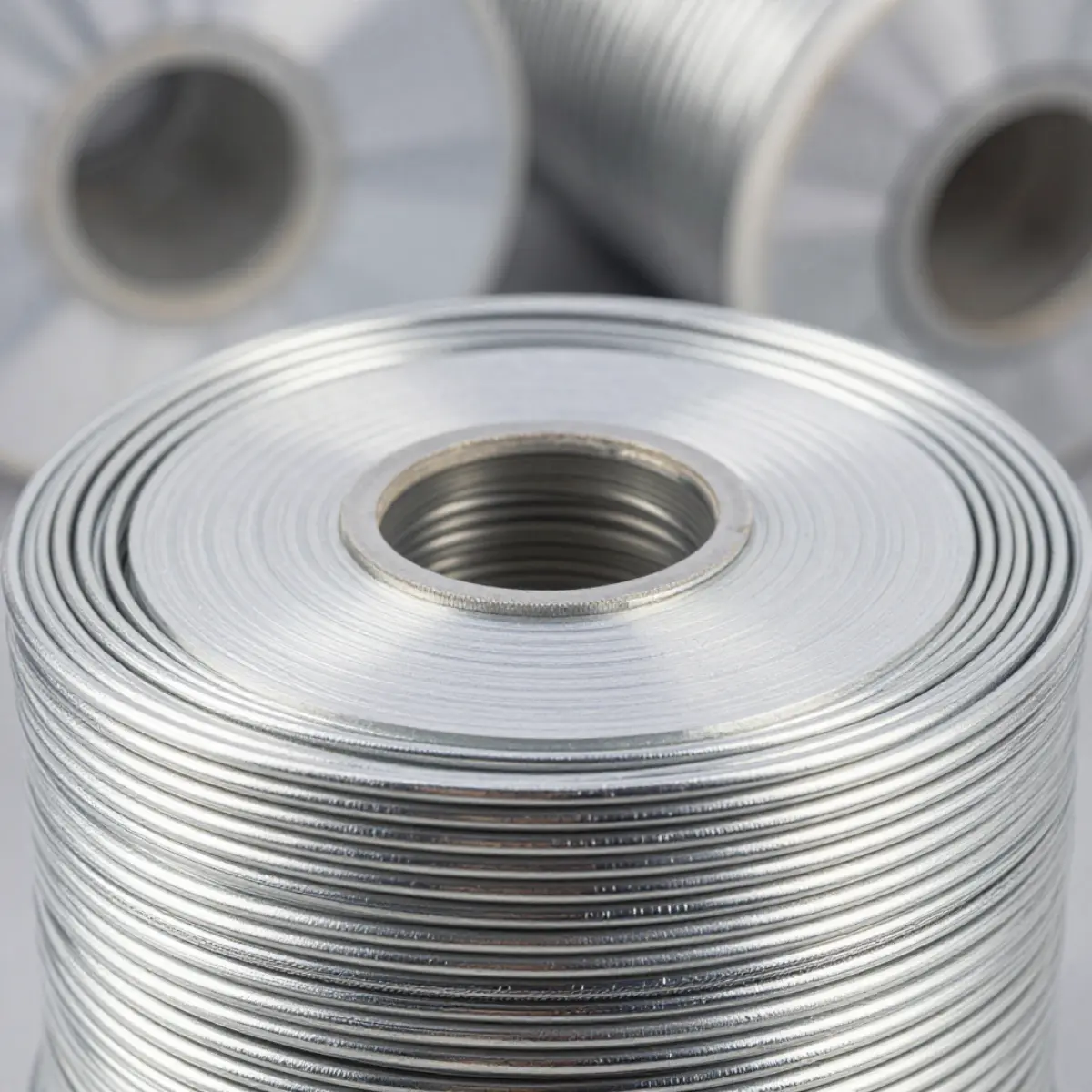
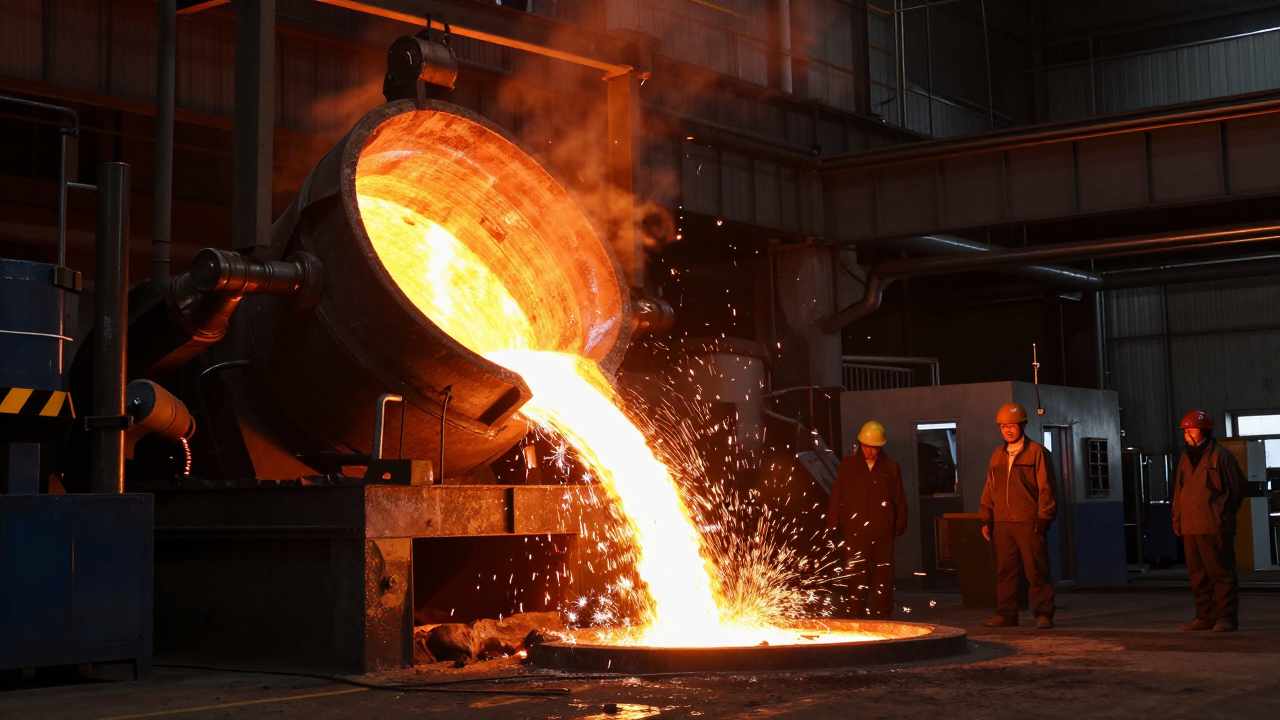
The method of calcium silicon addition significantly affects recovery rates and treatment consistency. Direct lump addition to the ladle furnace yields calcium recovery rates of only 15–25%, because calcium has a low boiling point (1484°C) and high vapor pressure at steelmaking temperatures (1600–1650°C), causing much of the added calcium to vaporize before it can dissolve in the steel. Cored wire injection, where CaSi powder is encased in a steel sheath and injected to the bottom of the ladle using a wire feeder, dramatically improves recovery to 30–40% by delivering calcium deep enough in the melt that the ferrostatic pressure (typically 0.15–0.25 MPa at injection depth) suppresses vaporization. The wire feeding rate, injection depth, slag condition, and argon stirring intensity all influence recovery and must be optimized together. Modern practice typically targets a dissolved calcium content of 15–30 ppm in the final steel, corresponding to a calcium-to-aluminum ratio of 0.08–0.15 for optimal inclusion modification.
Clean steel grades represent the most demanding applications for calcium silicon treatment. Interstitial-free (IF) steel for automotive body panels requires total oxygen content below 20 ppm and virtually no alumina clusters larger than 20 μm, because even small surface inclusions will cause visible defects after painting. Ultra-low-carbon (ULC) steel for deep-drawing applications demands similar cleanliness to prevent stretcher strains and drawing failures. Bearing steel (such as SAE 52100) requires oxygen content below 10 ppm and stringent control of oxide inclusion size and distribution, because inclusions larger than 10–15 μm act as fatigue initiation sites that dramatically reduce bearing life. For each of these grades, calcium treatment with CaSi is essential for achieving the required inclusion control, and the quality of the calcium silicon alloy itself — particularly consistent calcium content and low levels of phosphorus and sulfur — directly impacts the consistency and reliability of the treatment.
Calculating the correct calcium silicon dosage requires understanding several interacting factors: the initial dissolved oxygen content, the aluminum content (which determines the amount of alumina to be modified), the target calcium level, and the expected recovery rate. A practical starting point for cored wire injection is 0.3–0.5 kg of CaSi per ton of steel for moderate inclusion modification, increasing to 0.5–1.0 kg/t for demanding clean steel grades. The calcium-to-total-oxygen ratio should be maintained in the range of 0.6–1.2, and the calcium-to-dissolved-aluminum ratio should be 0.08–0.15 for optimal liquid inclusion formation. Over-treatment (excessive calcium) can produce solid calcium aluminates (such as CaO·Al₂O₃ or CaO·2Al₂O₃) that are as harmful as unmodified alumina, while under-treatment leaves unmodified alumina clusters. Process monitoring using inclusion analysis (such as SEM-EDS mapping of steel samples) and oxygen activity measurement (using electrochemical sensors) allows real-time adjustment of CaSi addition to maintain the optimal treatment window.
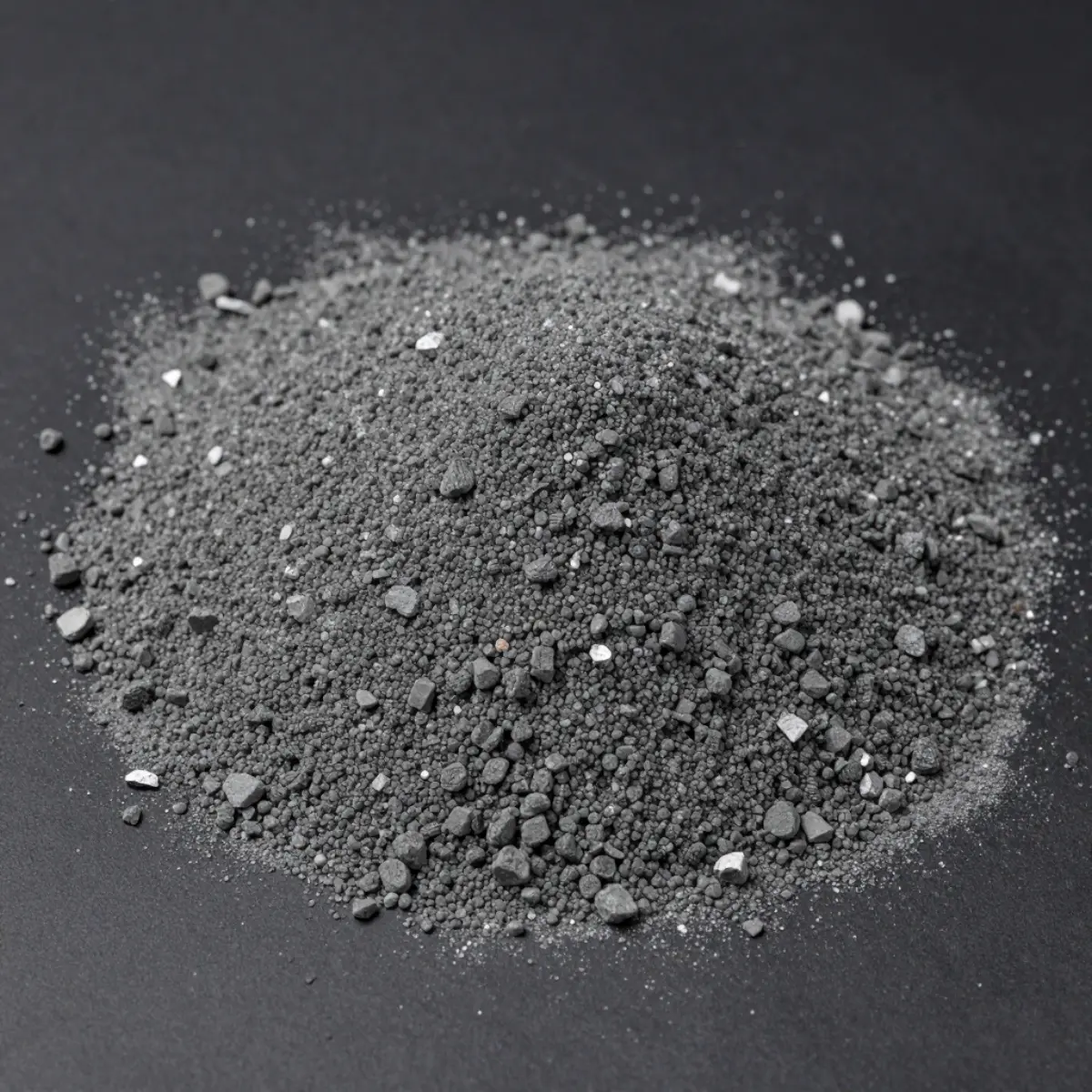
Quality control in calcium silicon procurement directly impacts steelmaking performance. The most critical quality parameters are consistent calcium content (28–32% for CaSi 30/60), low aluminum content (≤1.5% to avoid adding alumina inclusions), low phosphorus (≤0.04% to avoid hot shortness in steel), and consistent sizing for cored wire filling. Suppliers should provide detailed chemical analysis for each shipment, and steel plants should verify calcium content independently using XRF or ICP-OES analysis. For cored wire applications, the CaSi powder should have a controlled particle size distribution (typically 0–2 mm) with minimal fines below 0.1 mm (which reduce packing density and wire quality) and minimal oversize above 3 mm (which can cause wire jams). Establishing a long-term supply relationship with a qualified calcium silicon producer, supported by regular quality audits and statistical process control data, is essential for maintaining consistent steel cleanliness and avoiding the costly consequences of variable calcium treatment performance.