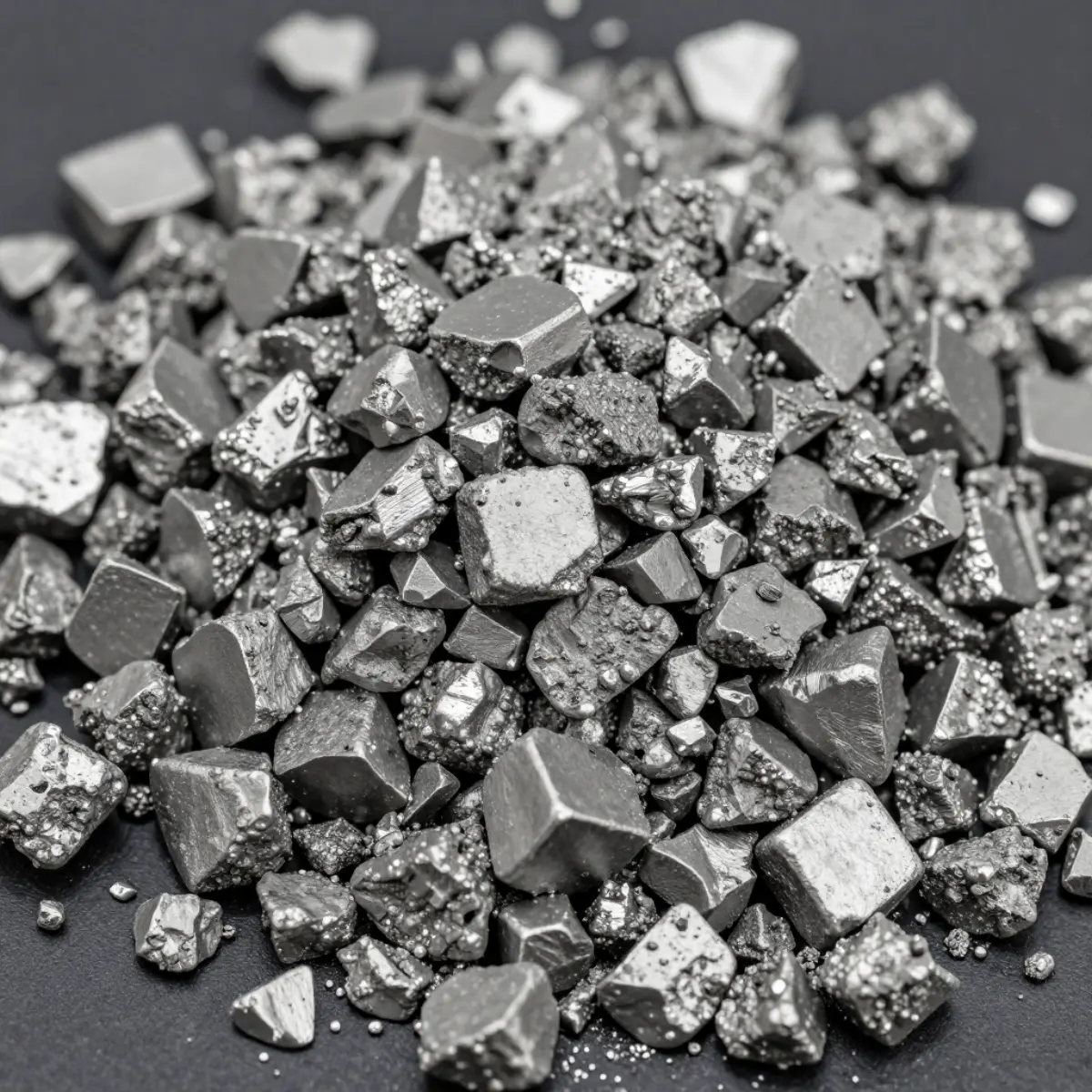
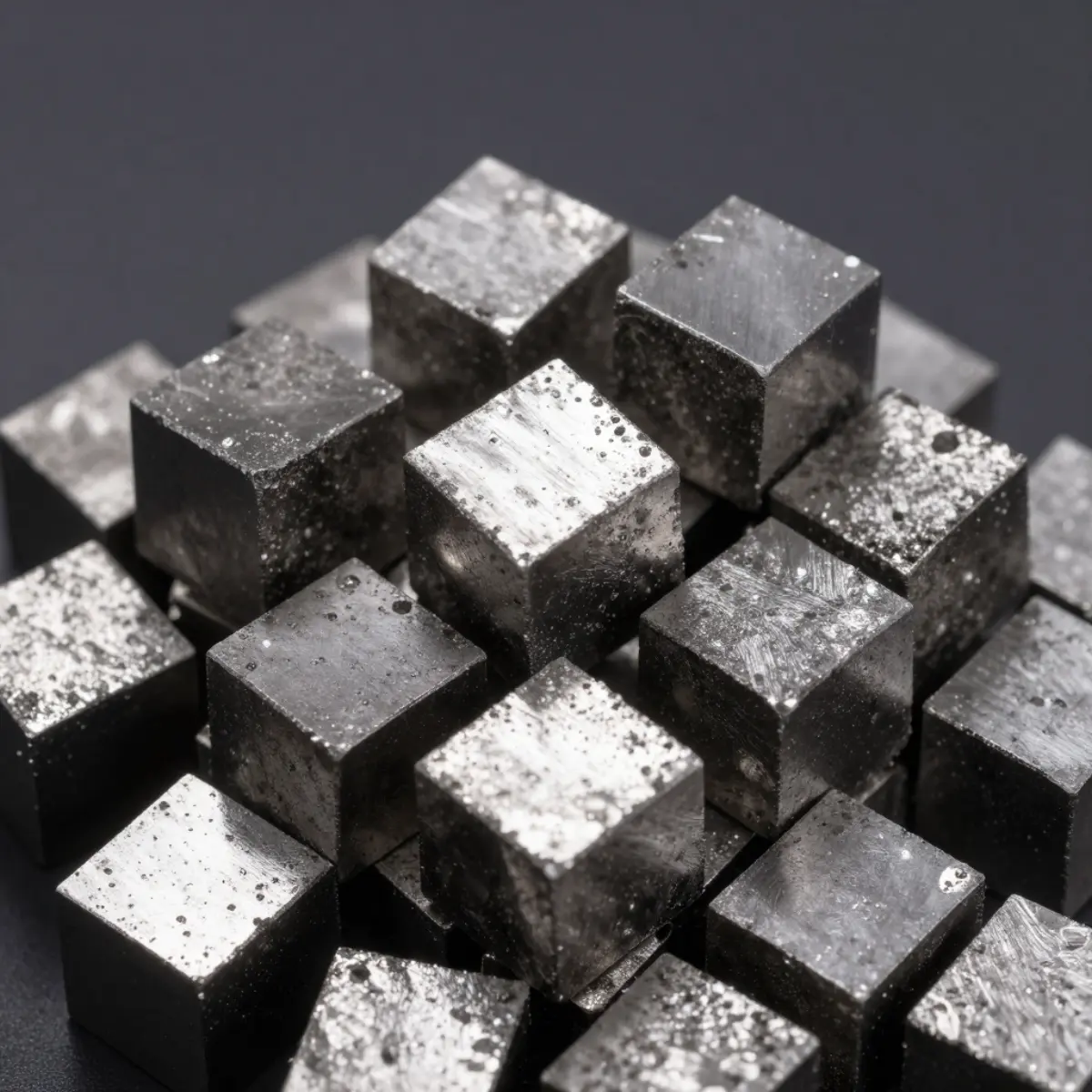
Ferrosilicon 75% — Essential Deoxidizer and Alloying Agent
Ferrosilicon

Ferrosilicon 75% — Essential Deoxidizer and Alloying Agent

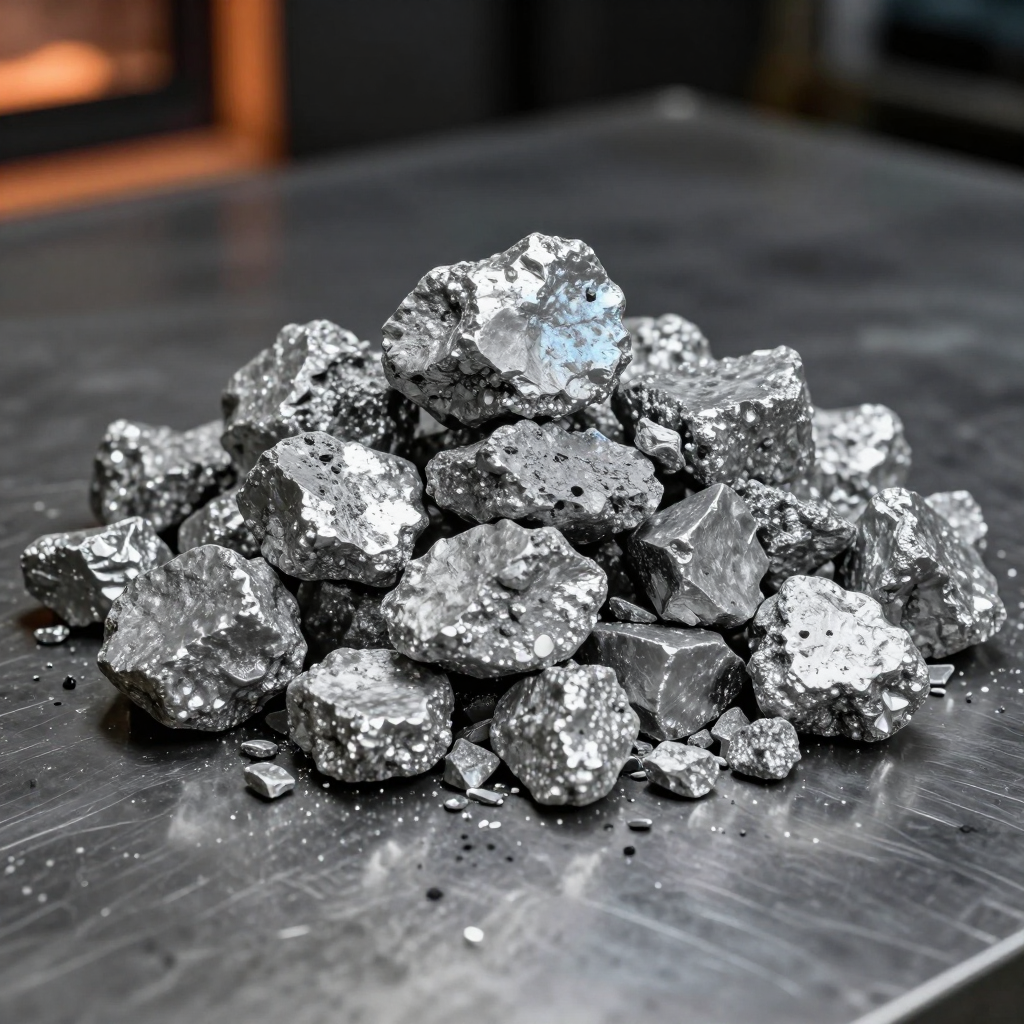
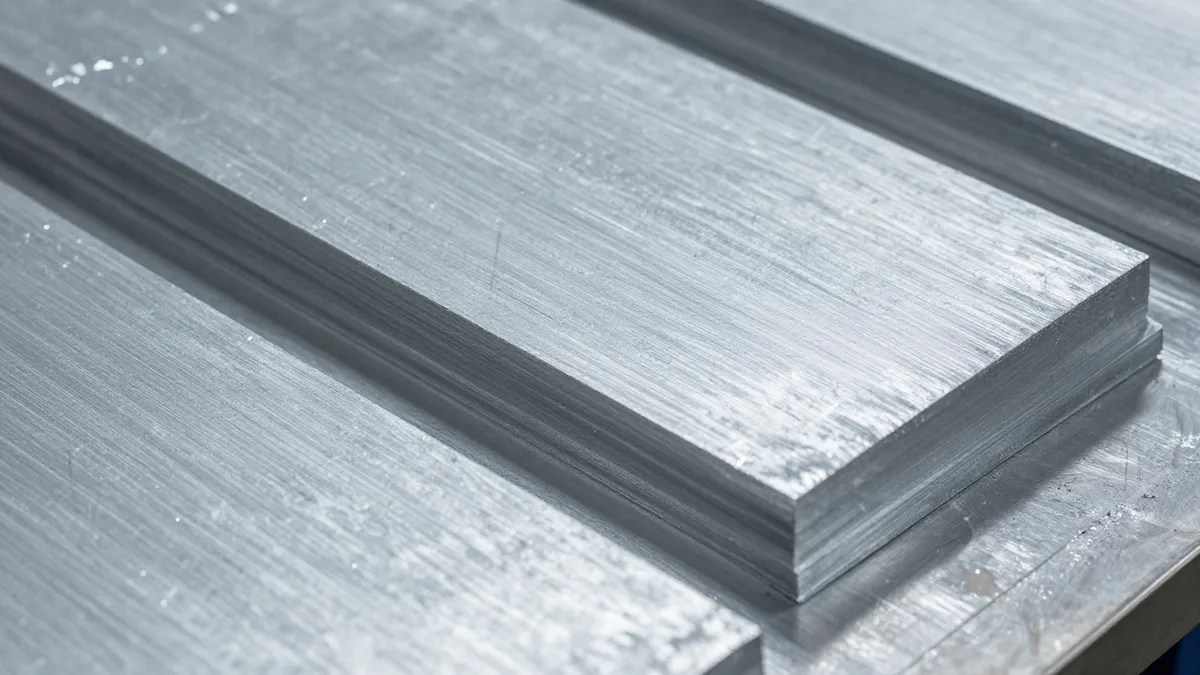
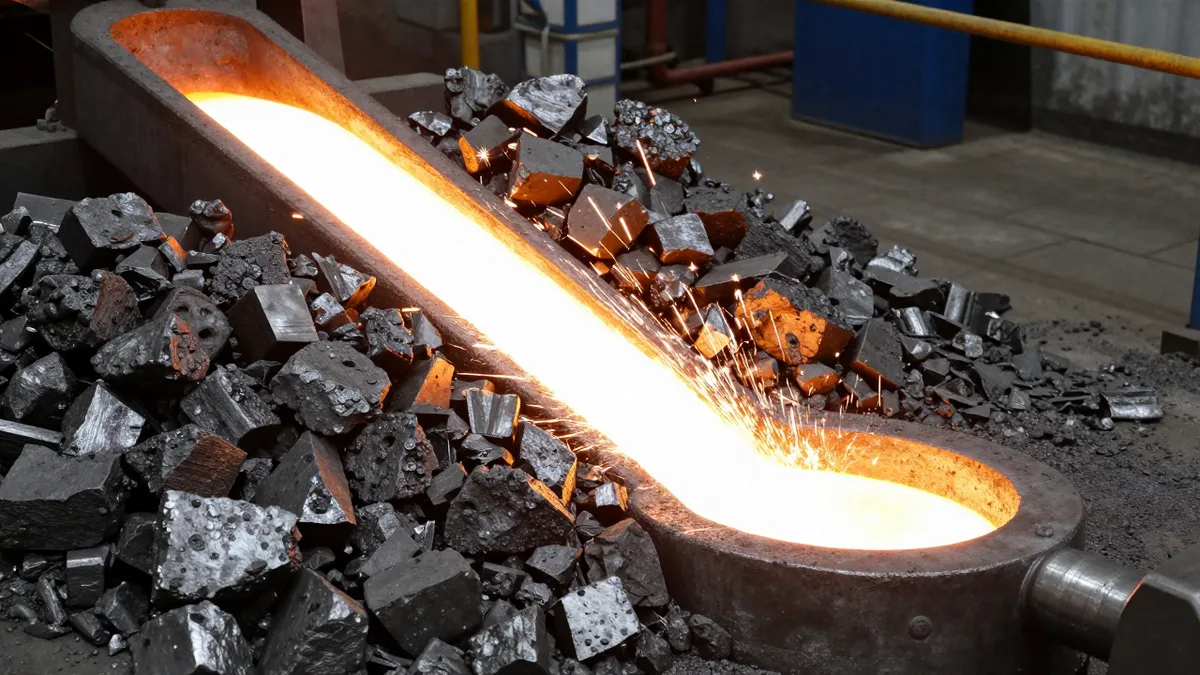
Standard FeSi 75% ferrosilicon alloy, the workhorse deoxidizer and silicon source in steelmaking. Provides reliable silicon recovery for deoxidation, alloying, and cast iron inoculation across the full spectrum of steel grades.

Specifications

Si Content
74–80%
Al Content
≤1.5%
C Content
≤0.2%
P Content
≤0.04%
S Content
≤0.02%

Features

  • Industry-standard FeSi 75 grade with tight silicon range ensures predictable recovery and consistent steel composition
  • Low aluminum content minimizes alumina inclusion generation, reducing the risk of nozzle clogging during continuous casting
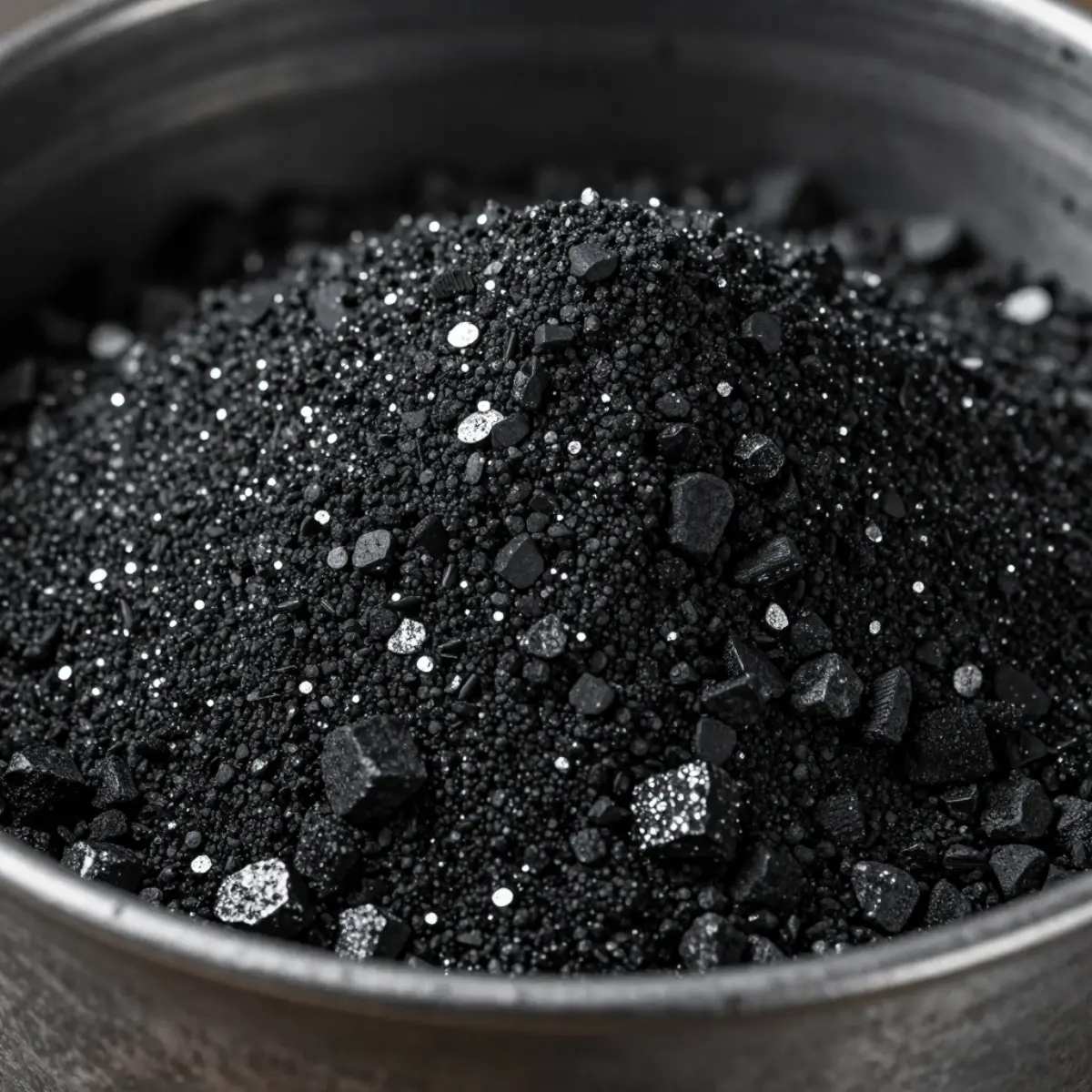
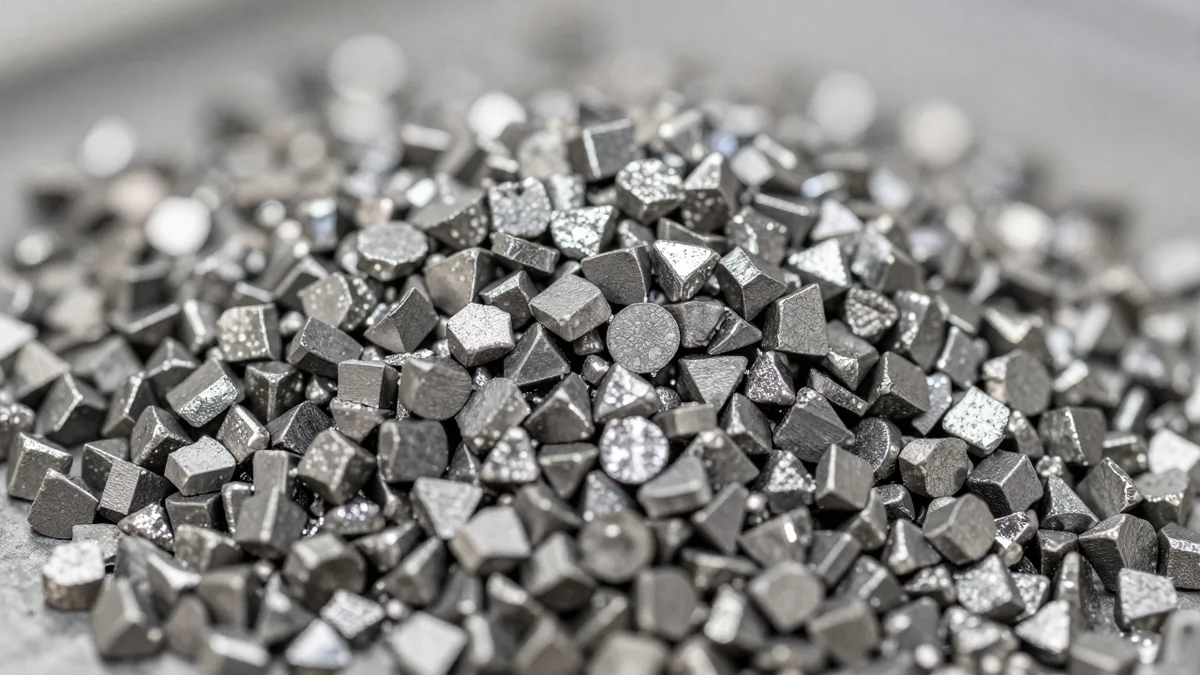
  • Available in multiple size ranges (lumps, nuts, fines) for different addition methods and furnace types
  • Essential for cast iron inoculation where controlled silicon addition promotes graphite nucleation and improves mechanical properties

Applications

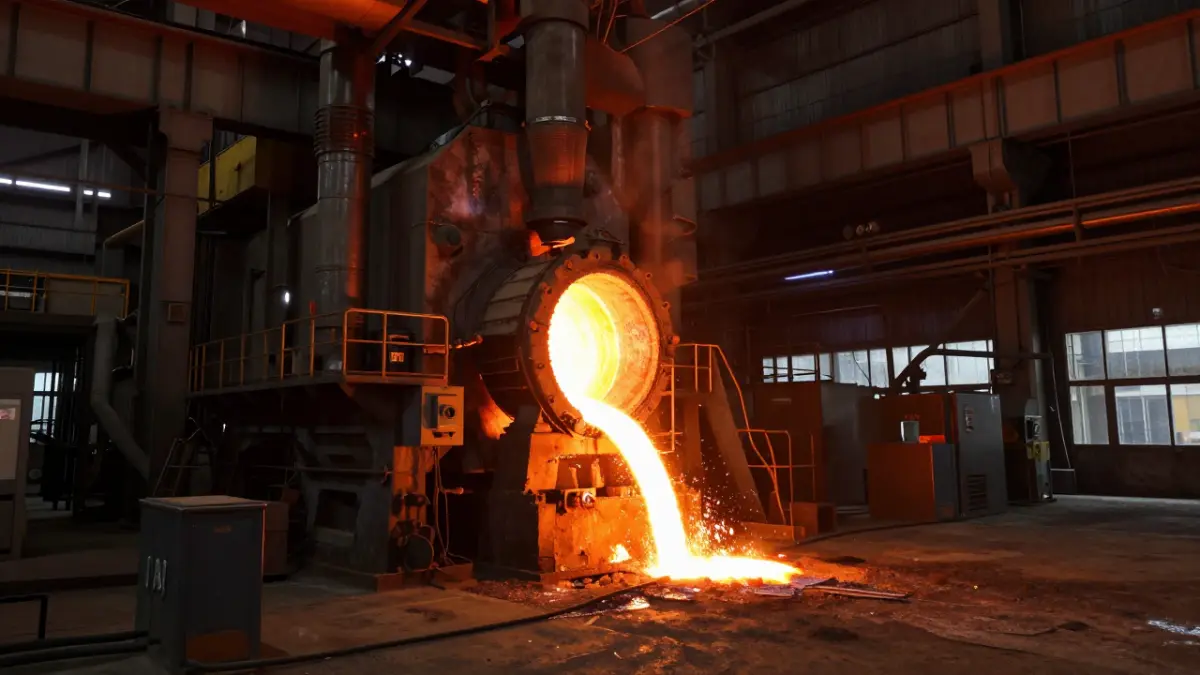
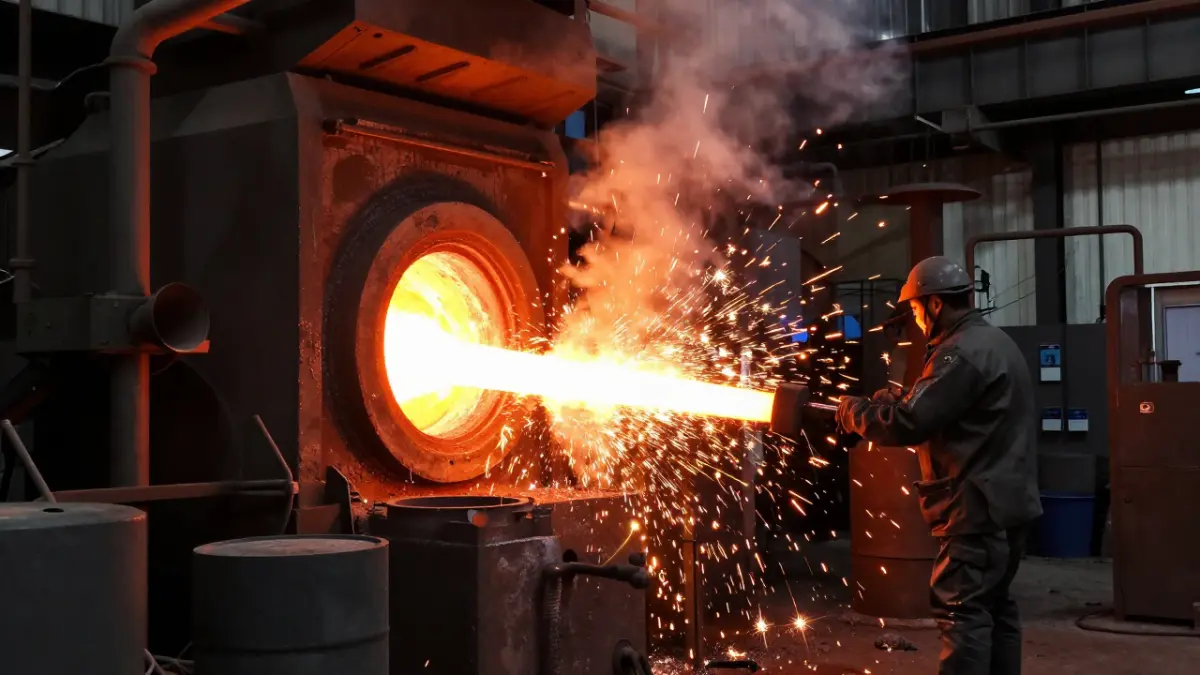
Primary deoxidation in all steelmaking routes (EAF, BOF, induction) for silicon-killed and semi-killed steel gradesSilicon alloying in structural steel, spring steel, electrical steel, and heat-resistant steel grade productionInoculation of gray iron and ductile iron castings to control graphite morphology and improve machinabilityReducing agent in the production of other ferroalloys and as a silicon source in magnesium ferrosilicon nodularizers

Industries

SteelmakingFoundry and CastingFerroalloy Production

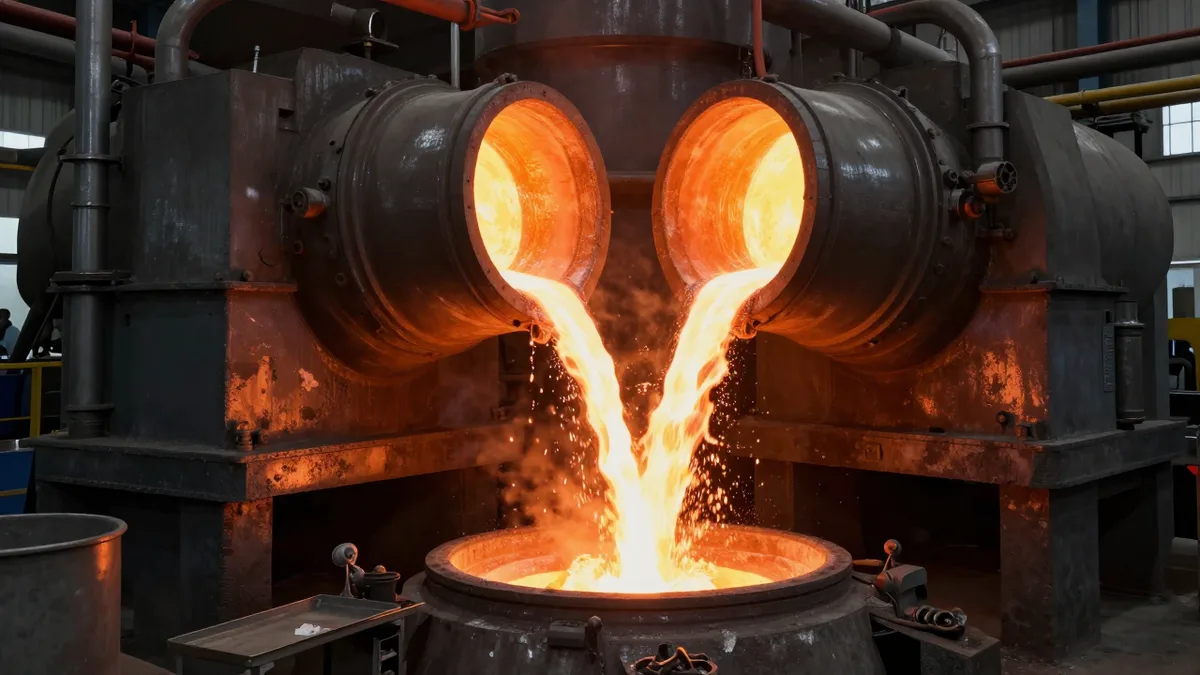
Ferrosilicon 75% is the most widely consumed ferroalloy in the global steel industry, serving as the primary source of silicon for both deoxidation and alloying purposes. In deoxidation applications, silicon reduces dissolved oxygen to form silica (SiO2), which is less disruptive to continuous casting than the alumina (Al2O3) produced by aluminum deoxidation. For this reason, silicon-killed steel grades—particularly those destined for structural applications, pipelines, and shipbuilding—rely on ferrosilicon as the primary deoxidizer. The FeSi 75 grade delivers approximately 1.5 kg of active silicon per kilogram of alloy added, with typical recovery rates of 75–90% depending on the steelmaking route and addition practice.

In alloying applications, ferrosilicon is the principal means of introducing silicon into steel grades where silicon contributes to mechanical properties, electrical properties, or oxidation resistance. Structural steels typically contain 0.15–0.35% silicon, which acts as a solid-solution strengthener. Spring steels (such as AISI 9260) contain 1.80–2.20% silicon for enhanced elastic properties and fatigue resistance. Electrical silicon steels used in motor and transformer cores require silicon contents of 2.0–3.5% (non-oriented) or up to 3.3% (grain-oriented), with ferrosilicon being the most economical source for these high-silicon additions. Each of these applications demands precise silicon control, making the consistent 74–80% Si content of our FeSi 75 essential for reliable alloy management.

The foundry industry represents another major consumption sector for ferrosilicon, where it serves dual roles as a silicon booster in base iron production and as a key component in inoculants for gray and ductile iron. In inoculation, small additions of ferrosilicon-based inoculants (0.1–0.3% by weight) to molten iron immediately before pouring promote the nucleation of type A graphite flake morphology in gray iron or enhance nodule count in ductile iron. Our ferrosilicon is available in size ranges from 10–100 mm lumps for furnace additions down to 0–3 mm fines for foundry inoculation, ensuring the right product for every application.

Need pricing or technical confirmation?

Send your application, grade, size, and quantity requirements by email for a faster response.

Request a Quote

Cases

Deoxidizer Supply for Steel Mill Continuous Casting
Regional steel mill

Deoxidizer Supply for Steel Mill Continuous Casting

Challenge: The customer needed a stable supply of multi-component deoxidizer with consistent granule size for their continuous casting line, with tight delivery windows aligned to production schedules.
Solution: We coordinated specification alignment, packaging in 1-ton bags, and shipment timing around the production calendar, maintaining buffer stock for urgent orders.
Result: The buyer reduced deoxidizer-related quality issues by 40% and maintained uninterrupted casting operations across three production cycles.
deoxidationcontinuous casting
Read More →
Ferrosilicon Grade Alignment for Foundry Operations
Industrial foundry group

Ferrosilicon Grade Alignment for Foundry Operations

Challenge: The foundry required specific FeSi 75% grade with controlled aluminum content for ductile iron production, but their previous supplier had inconsistent lot-to-lot chemistry.
Solution: We implemented lot-specific CoA (Certificate of Analysis) documentation and pre-shipment sampling, allowing the buyer to verify chemistry before each shipment.
Result: Lot consistency improved measurably, reducing rework rates and enabling the foundry to maintain tight mechanical property targets in their final castings.
ferroalloyquality control
Read More →
High-Purity Manganese Metal for a Specialty Steel Mill
Specialty steel mill

High-Purity Manganese Metal for a Specialty Steel Mill

Challenge: The mill was producing special-steel grades where impurity carry-over from standard ferromanganese was pushing sulfur and phosphorus up, forcing more downstream cleanup and occasionally missing tight compositional windows.
Solution: We supplied high-purity electrolytic manganese metal with documented impurity limits and supported a charging strategy that combined it with ferrosilicon to meet manganese targets without dragging in excess impurities.
Result: Special-steel heats met their tight compositional windows more consistently, reducing cleanup reagent use and improving yield on the most demanding grades.
specialty-steelalloying
Read More →
Ferrosilicon Deoxidation and Molybdenum Control for a Stainless Producer
Stainless steel producer

Ferrosilicon Deoxidation and Molybdenum Control for a Stainless Producer

Challenge: The producer needed tighter control of silicon during deoxidation of austenitic stainless heats — over- or under-shooting silicon was off-spec — while also keeping molybdenum yield stable across the grade range.
Solution: We supplied graded ferrosilicon and a deoxidizer matched to the austenitic practice, plus documented ferromolybdenum, and supported a charging plan that targeted silicon to the grade window rather than a blanket margin.
Result: Silicon landed inside the grade window on a higher share of heats, off-spec rework fell, and molybdenum yield stayed stable across the stainless portfolio.
stainlessdeoxidation
Read More →
Nodularizer and Inoculation Practice for a Ductile Iron Foundry
Ductile iron foundry

Nodularizer and Inoculation Practice for a Ductile Iron Foundry

Challenge: The foundry was seeing variable spheroidization and graphite-stringer rejects on ductile iron castings, traced to inconsistent nodularizer and inoculation material that could not be held to specification.
Solution: We supplied nodularizer and refined-slag inoculation material with documented chemistry and a controlled size range, and supported a standard inoculation practice with buffer stock at the ladle.
Result: Spheroidization rates became more consistent, graphite-stringer rejects dropped, and tensile properties steadied across the ductile iron range.
foundrynodularization
Read More →
Bulk Calcium Silicon Deoxidation Under a Standing Delivery Contract
Long-product steel mill

Bulk Calcium Silicon Deoxidation Under a Standing Delivery Contract

Challenge: The mill consumed calcium silicon in large, steady volumes and wanted to lock both cost and specification — with tolerances in writing and a delivery schedule that never interrupted the melt shop.
Solution: We put a standing contract in place covering a defined calcium silicon specification, written tolerances, and a rolling delivery schedule with buffer stock, supported by lot documentation.
Result: Deoxidation cost per ton was stabilized, the specification held within agreed tolerances, and the melt shop ran without deoxidizer-related stoppages across the contract term.
deoxidationcost-optimization
Read More →