Applications
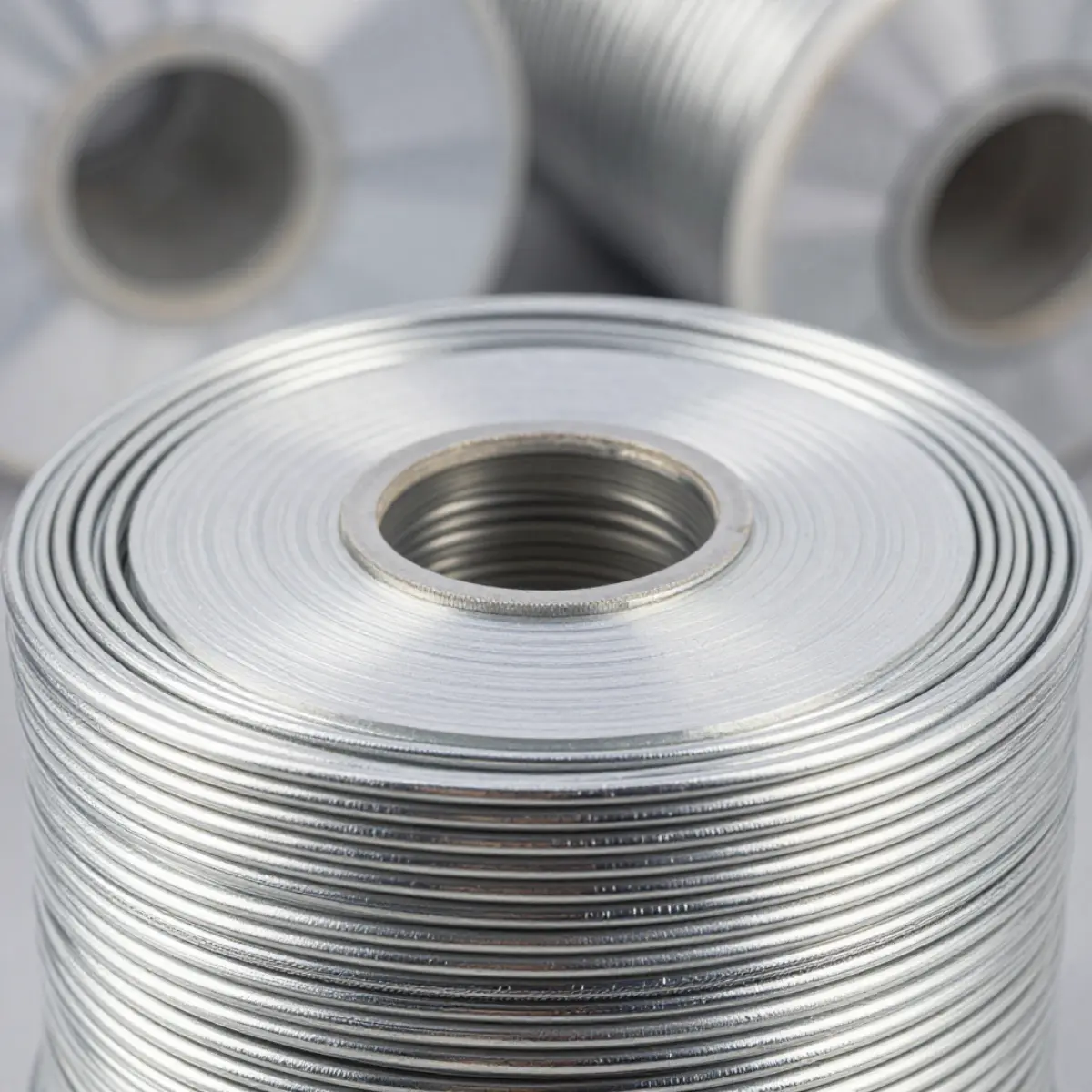
Inclusion modification in aluminum-killed steel to convert harmful alumina clusters into globular calcium aluminates for improved castabilityCalcium treatment via cored wire injection for precise calcium recovery and controlled inclusion morphology in clean steel gradesComposite deoxidation in electric arc furnace (EAF) and ladle furnace (LF) refining as a primary or secondary deoxidizerDesulfurization enhancement in secondary metallurgy for producing ultra-low sulfur steel grades required in pipeline and pressure vessel applications
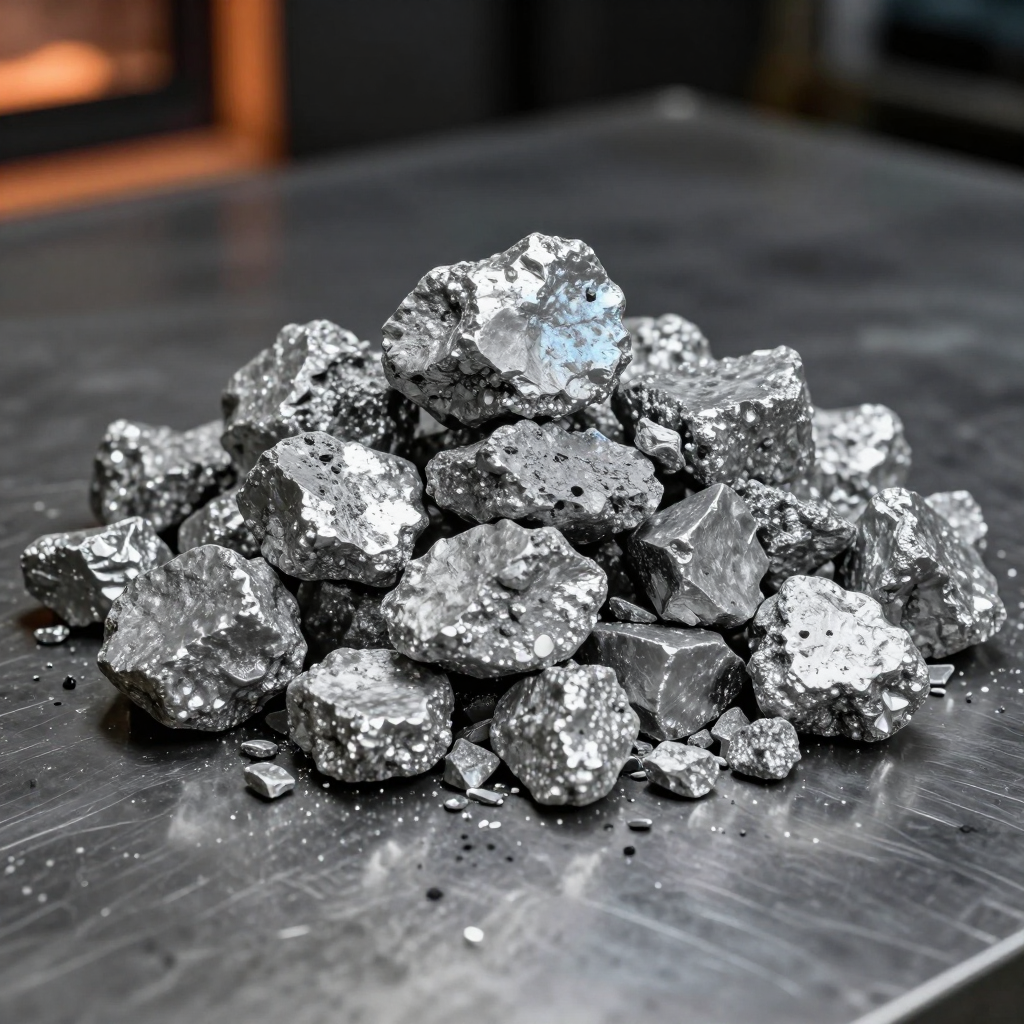
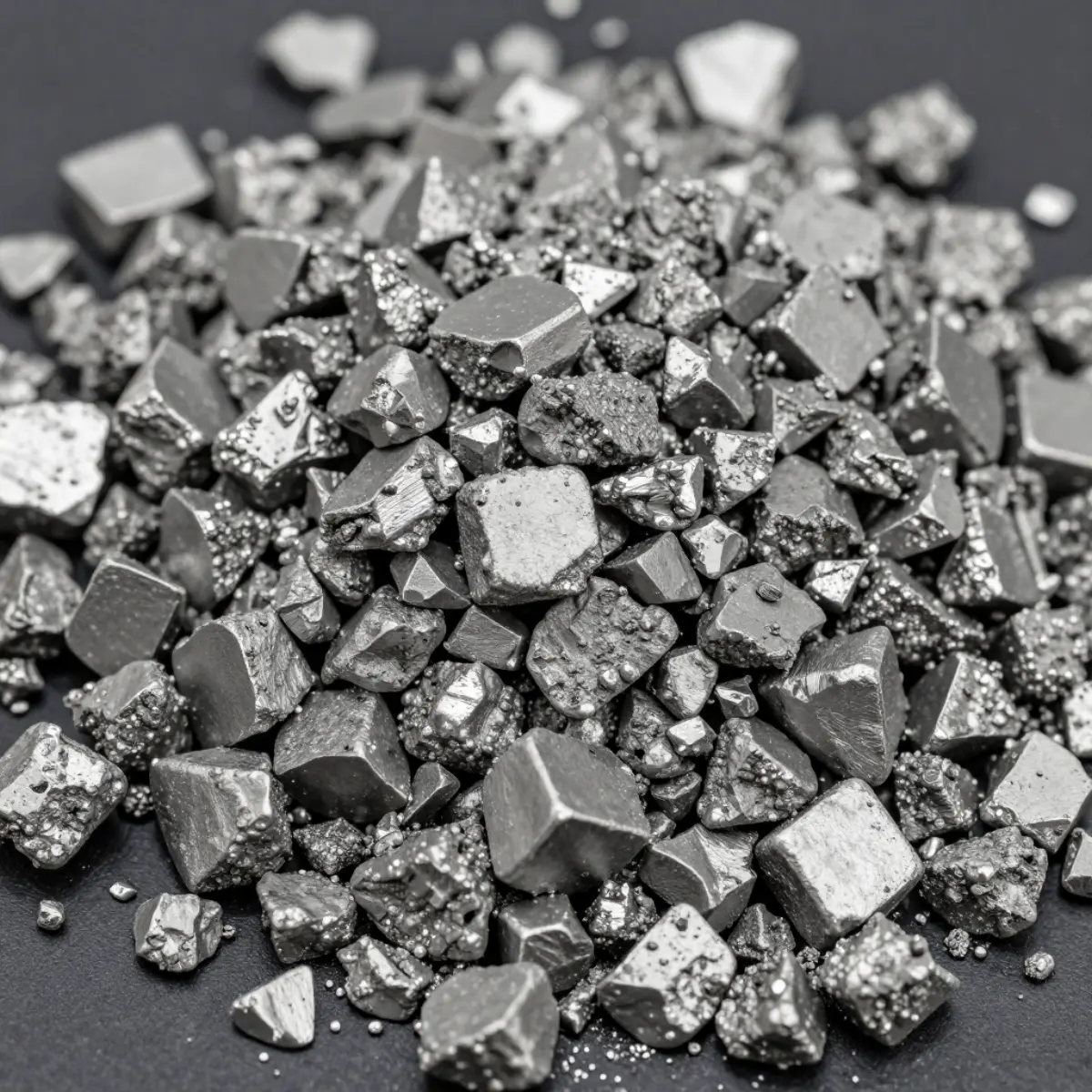
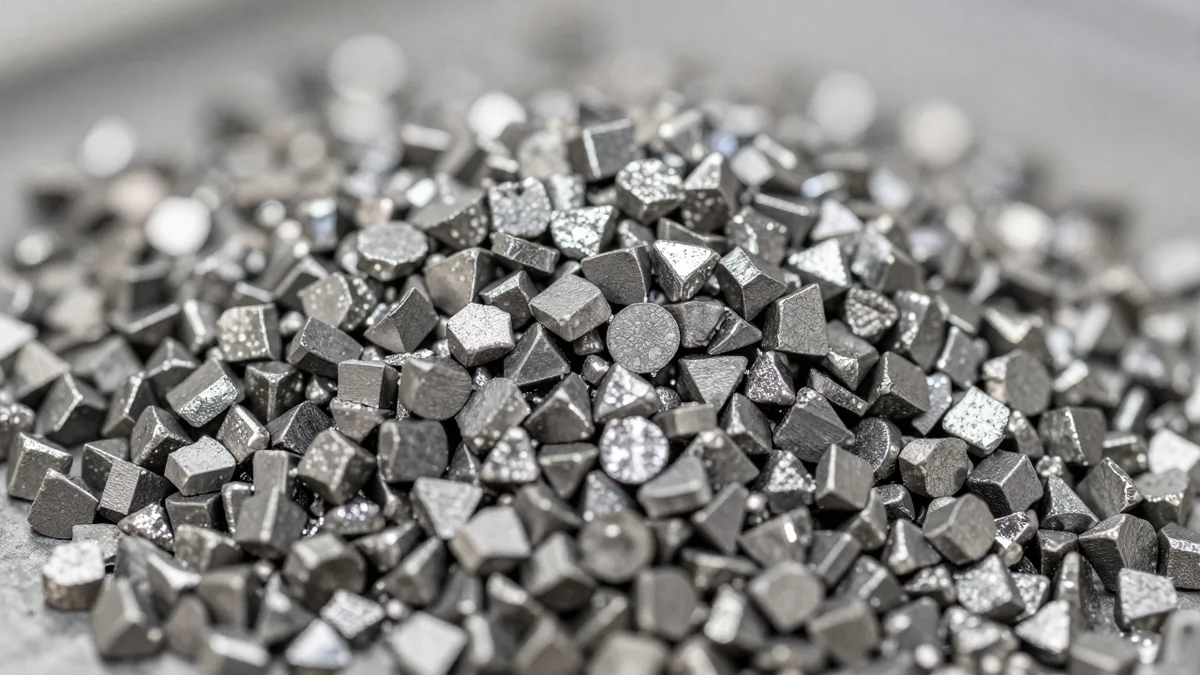
Calcium silicon alloy (CaSi) is a critical ferroalloy in modern steelmaking that serves the dual purpose of composite deoxidation and inclusion modification. The standard CaSi 30/60 grade, containing 28–32% calcium and 55–65% silicon, delivers both elements simultaneously to the molten steel bath. Silicon acts as a powerful deoxidizer, reducing dissolved oxygen to form silica (SiO₂), while calcium performs the equally important task of transforming solid, high-melting-point alumina (Al₂O₃) inclusions into liquid calcium aluminates with melting points below 1400°C. This inclusion transformation is essential for aluminum-killed steel grades, where alumina clusters would otherwise accumulate at the continuous casting nozzle, causing clogging, surface defects, and costly casting interruptions. Our CaSi 30/60 alloy is produced with tight calcium and silicon ranges, low aluminum and phosphorus content, and consistent sizing to ensure predictable recovery and reliable inclusion control.
The mechanism by which calcium silicon improves steel cleanliness is well established in metallurgical practice. In aluminum-killed steel, dissolved aluminum reacts with oxygen to form solid alumina inclusions that exist as hard, irregular clusters with melting points exceeding 2050°C. These clusters do not deform during hot rolling, leading to stringer-type inclusions that degrade fatigue resistance, toughness, and surface quality. When calcium from CaSi is introduced, it reacts with these alumina clusters to form calcium aluminate compounds (such as 12CaO·7Al₂O₃, known as mayenite) that are liquid at steelmaking temperatures. These liquid inclusions are spherical and deform readily during rolling, resulting in improved mechanical properties and cleaner steel. The simultaneous silicon addition provides backup deoxidation, ensuring low total oxygen content in the final product. This dual-action mechanism makes CaSi the preferred treatment agent for clean steel grades including interstitial-free (IF) steel, ultra-low carbon (ULC) steel, bearing steel, and line pipe steel.
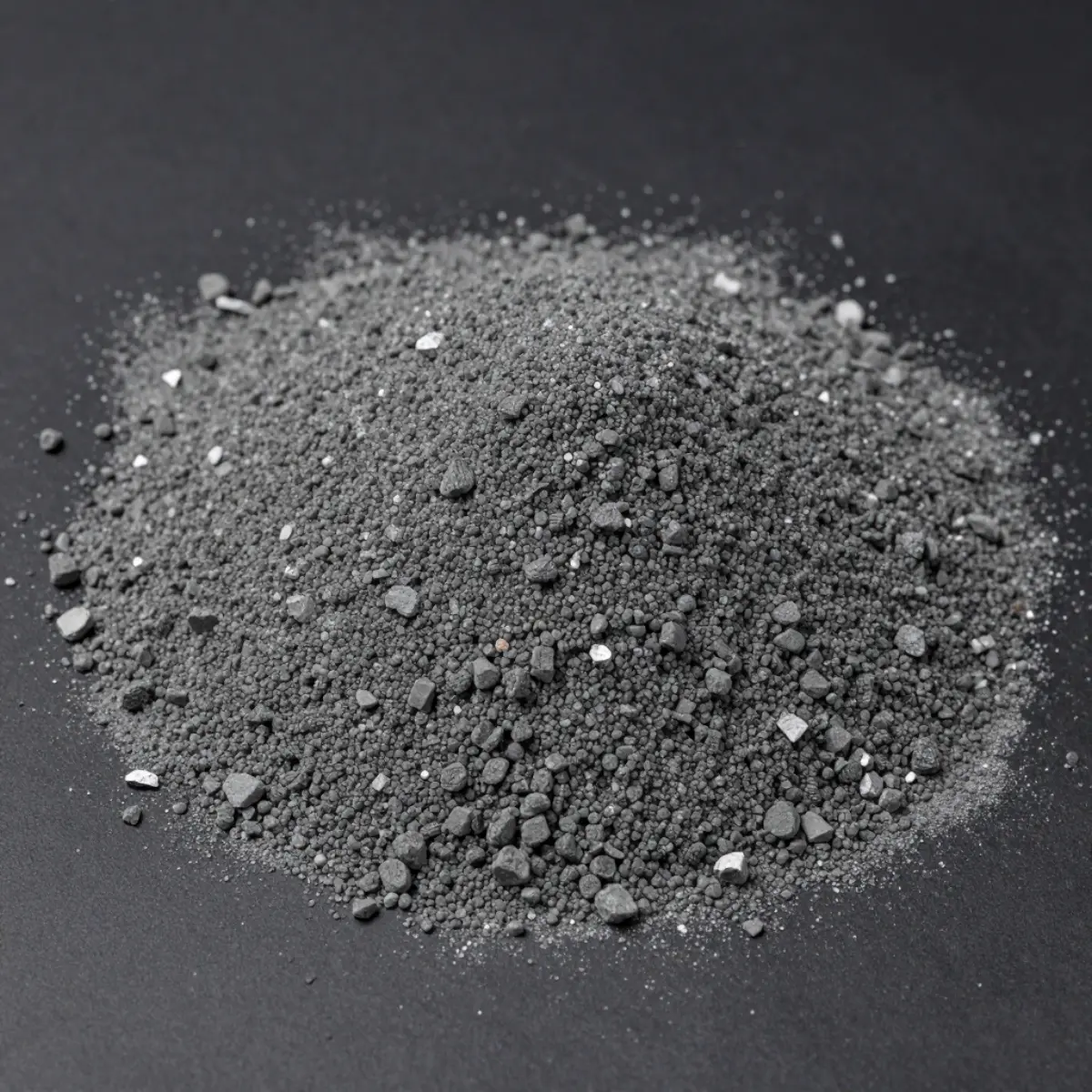
Calcium silicon is applied in steelmaking through two primary methods: direct addition as lump alloy to the ladle furnace, and injection as cored wire. In ladle furnace applications, lump CaSi (typically 10–50 mm) is added during the refining stage after aluminum deoxidation is complete, with typical addition rates of 0.5–2.0 kg per ton of steel depending on the target calcium level and steel grade. Recovery rates for lump addition typically range from 15–25% due to calcium’s low density and high vapor pressure at steelmaking temperatures. Cored wire injection provides significantly higher and more consistent calcium recovery (30–40%) by delivering the CaSi directly to the melt depth where ferrostatic pressure suppresses calcium vaporization. Our calcium silicon is available in both lump and powder forms, with powder grades (0–3 mm) specifically sized for cored wire filling, ensuring reliable feeding and consistent calcium delivery in both application methods.
Need pricing or technical confirmation?
Send your application, grade, size, and quantity requirements by email for a faster response.
Request a Quote