Desulfurization Agents Compared in Steelmaking: CaC₂, Mg, and CaO-Based Approaches
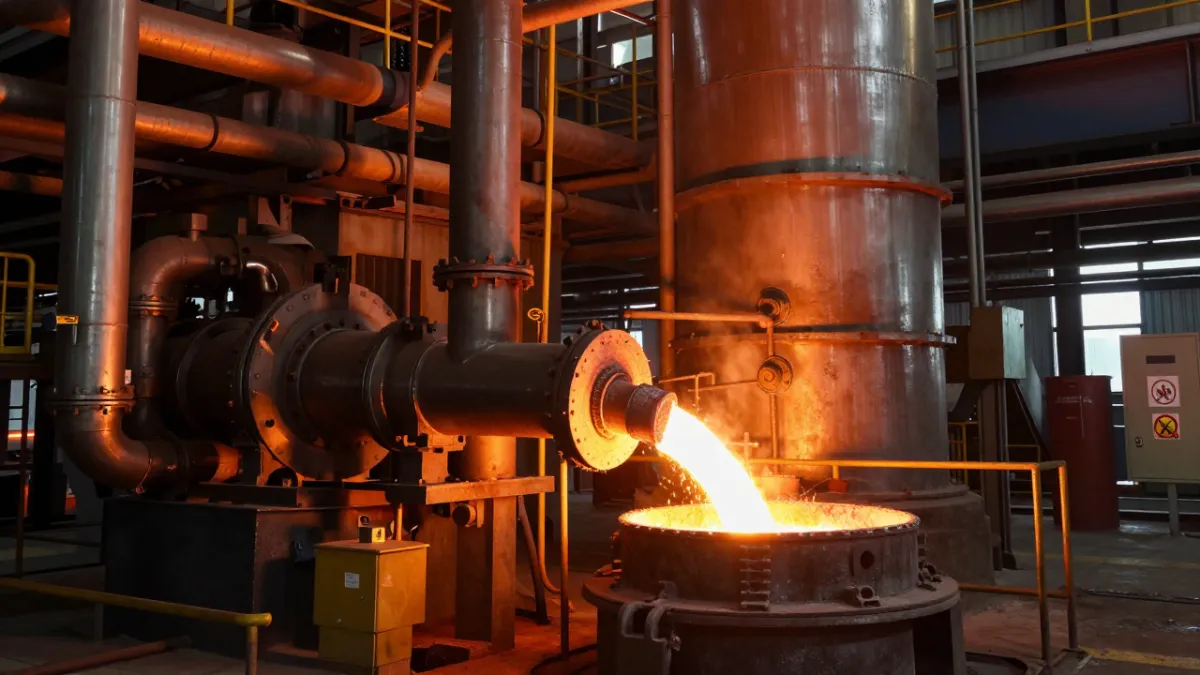
Sulfur control is one of the most consequential metallurgical challenges in modern steelmaking. From pipeline steels requiring single-digit ppm sulfur to automotive sheet demanding consistent formability, the choice of desulfurization agent directly impacts achievable cleanliness, process economics, and operational safety. Three families of reagents dominate industrial practice: calcium carbide (CaC₂), magnesium metal (Mg), and calcium oxide-based slag treatments (CaO). Each brings distinct advantages and limitations that steelmakers must evaluate against their specific production conditions and target steel grades.
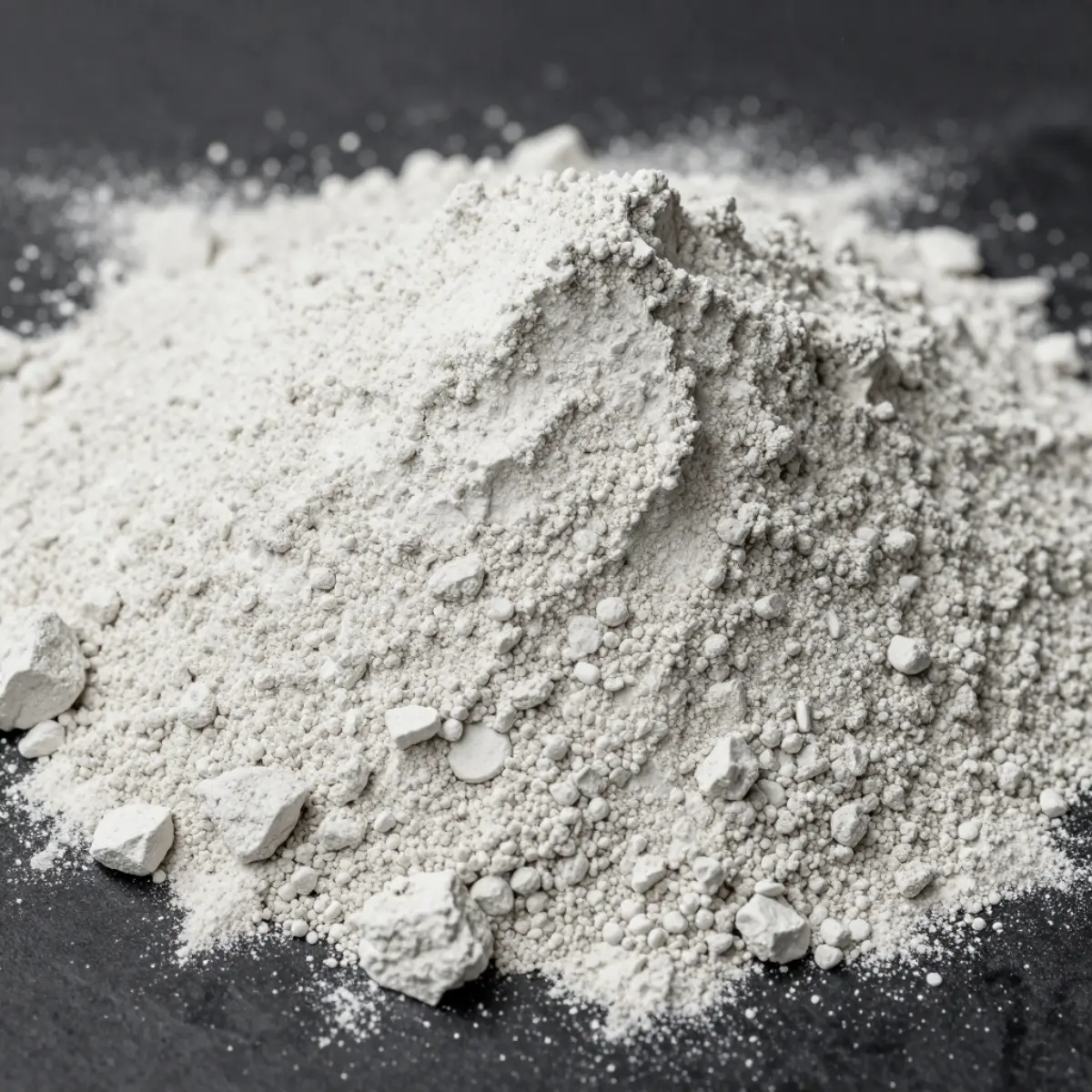
Calcium carbide desulfurization operates via the reaction CaC₂ + [S] → CaS + 2C, with the calcium sulfide product floating to the slag-metal interface. The method achieves 80–95% desulfurization efficiency at hot metal temperatures of 1300–1450°C and can reduce sulfur levels to below 0.005%. The key advantage of CaC₂ is its controllability and predictability — the reaction proceeds steadily, without the violent vaporization and splashing associated with magnesium injection. The co-generated acetylene gas from residual moisture reaction creates beneficial bath stirring, enhancing mass transfer. However, CaC₂ requires careful moisture-free storage and handling, and its hygroscopic nature means reagent quality must be verified at incoming inspection through gas yield testing.
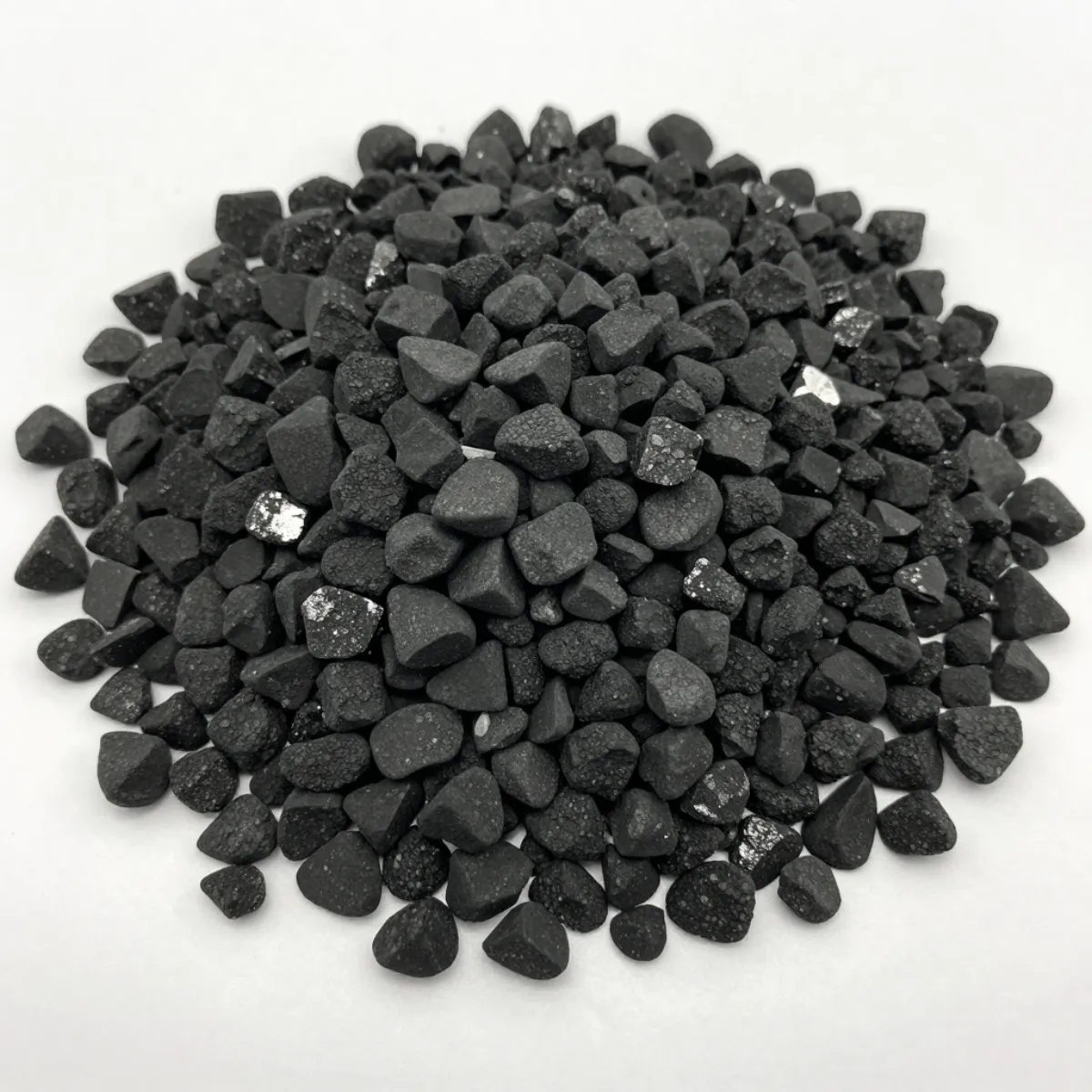
Magnesium-based desulfurization is more aggressive and achieves deeper sulfur removal — below 0.002% with optimized co-injection techniques. The reaction Mg + [S] → MgS produces magnesium sulfide that rises to the slag phase, but the low boiling point of magnesium (1090°C) causes explosive vaporization at hot metal temperatures, creating intense bath turbulence. This turbulence enhances mixing but also generates significant splashing and fume, requiring robust lance design and effective fume extraction. Magnesium’s high cost per kilogram is partially offset by lower injection rates, as 1 kg of magnesium removes approximately 1.3 kg of sulfur — nearly three times the stoichiometric capacity of CaC₂. For ultra-low sulfur specifications below 0.002%, Mg is often the only viable single-step option.
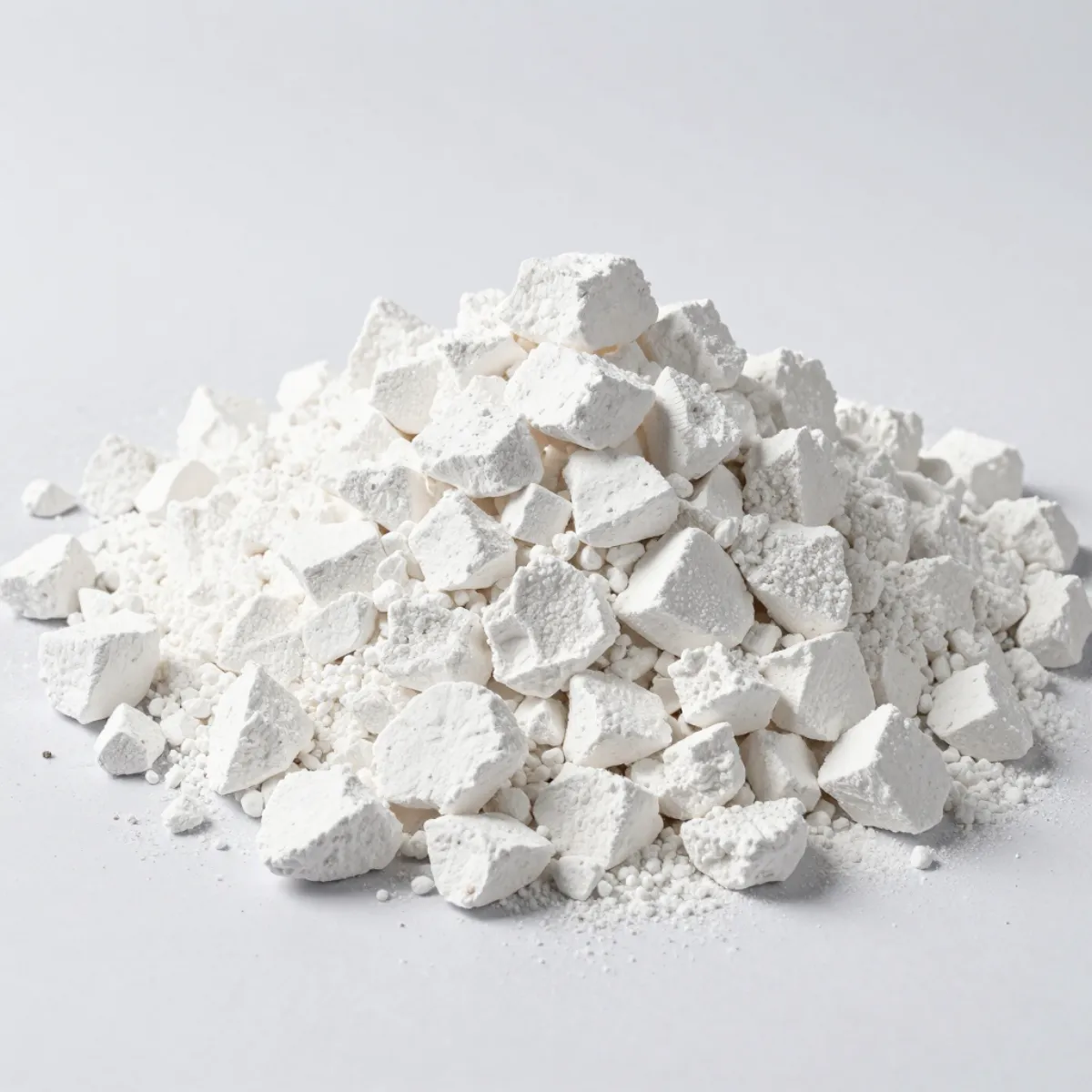
Lime-based desulfurization in the ladle furnace follows the slag-metal reaction (CaO) + [S] → (CaS) + [O]. Its driving force depends on high CaO activity, high slag basicity (CaO/SiO₂ above 2.5), and low oxygen potential maintained by aluminum deoxidation. While slower and less efficient than injection-based methods for hot metal, slag-phase desulfurization is integral to secondary refining where it operates simultaneously with inclusion removal, deoxidation, and alloy homogenization. Its primary advantage is integration — no separate desulfurization station is required — and it uses the same quicklime already present in the slag system.
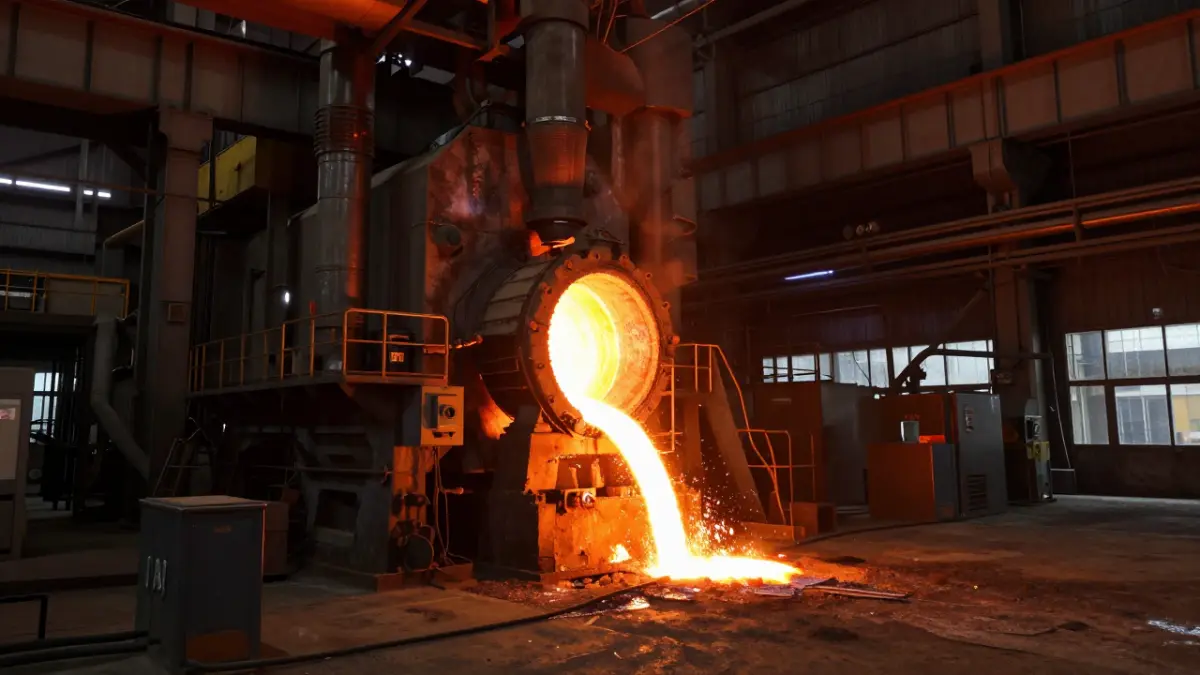
Steelmakers increasingly adopt hybrid strategies rather than relying on a single reagent. A common two-stage approach starts with CaC₂ injection in the torpedo car or transfer ladle to bring sulfur from 0.030–0.050% down to 0.005–0.010%, followed by ladle furnace slag refining to polish below 0.003%. For the most demanding grades, CaC₂ + Mg co-injection achieves the deepest desulfurization while using CaC₂ as a moderator that dampens magnesium’s violent reaction. The optimal choice ultimately depends on the starting sulfur level, target specification, available equipment, and total cost of reagent plus handling infrastructure.