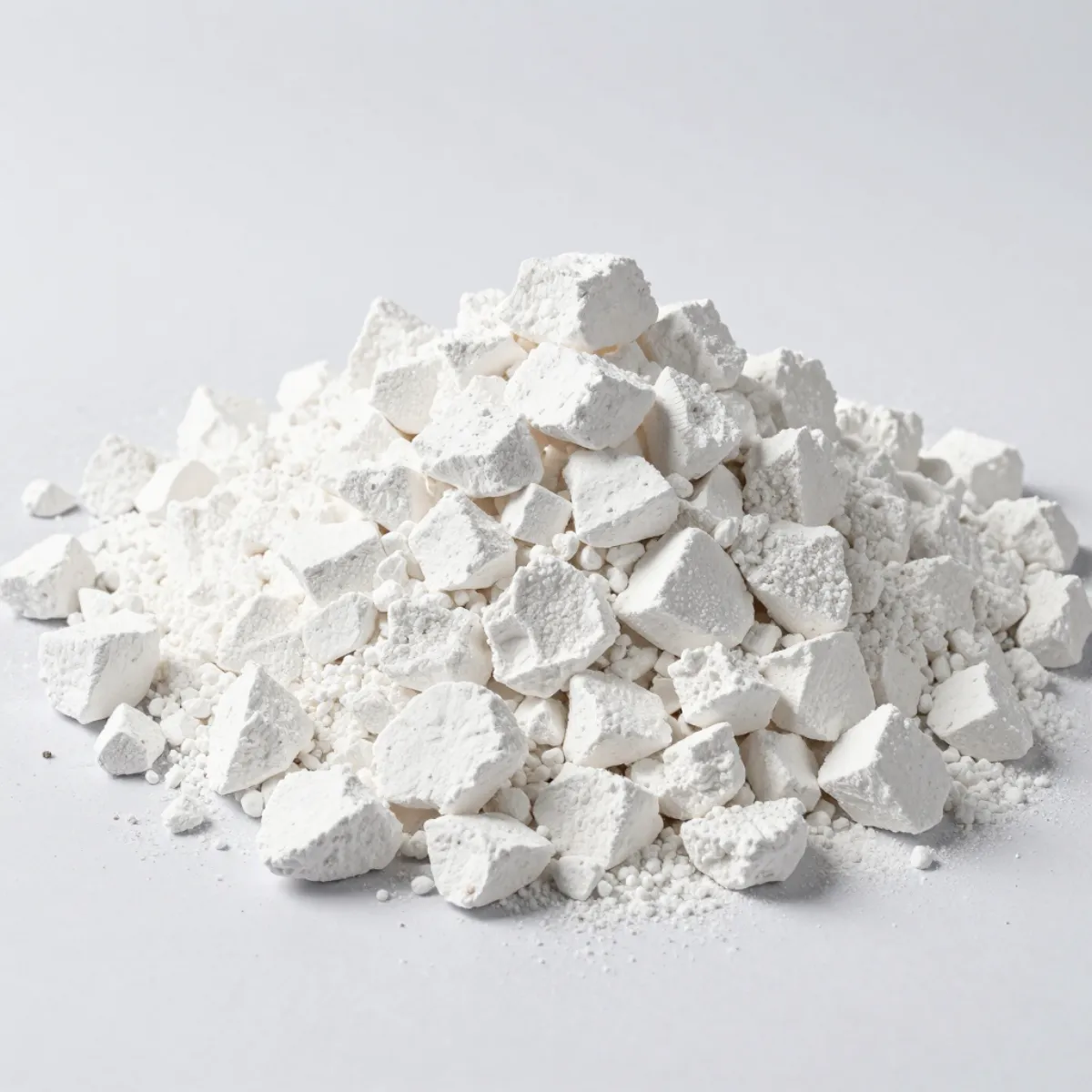
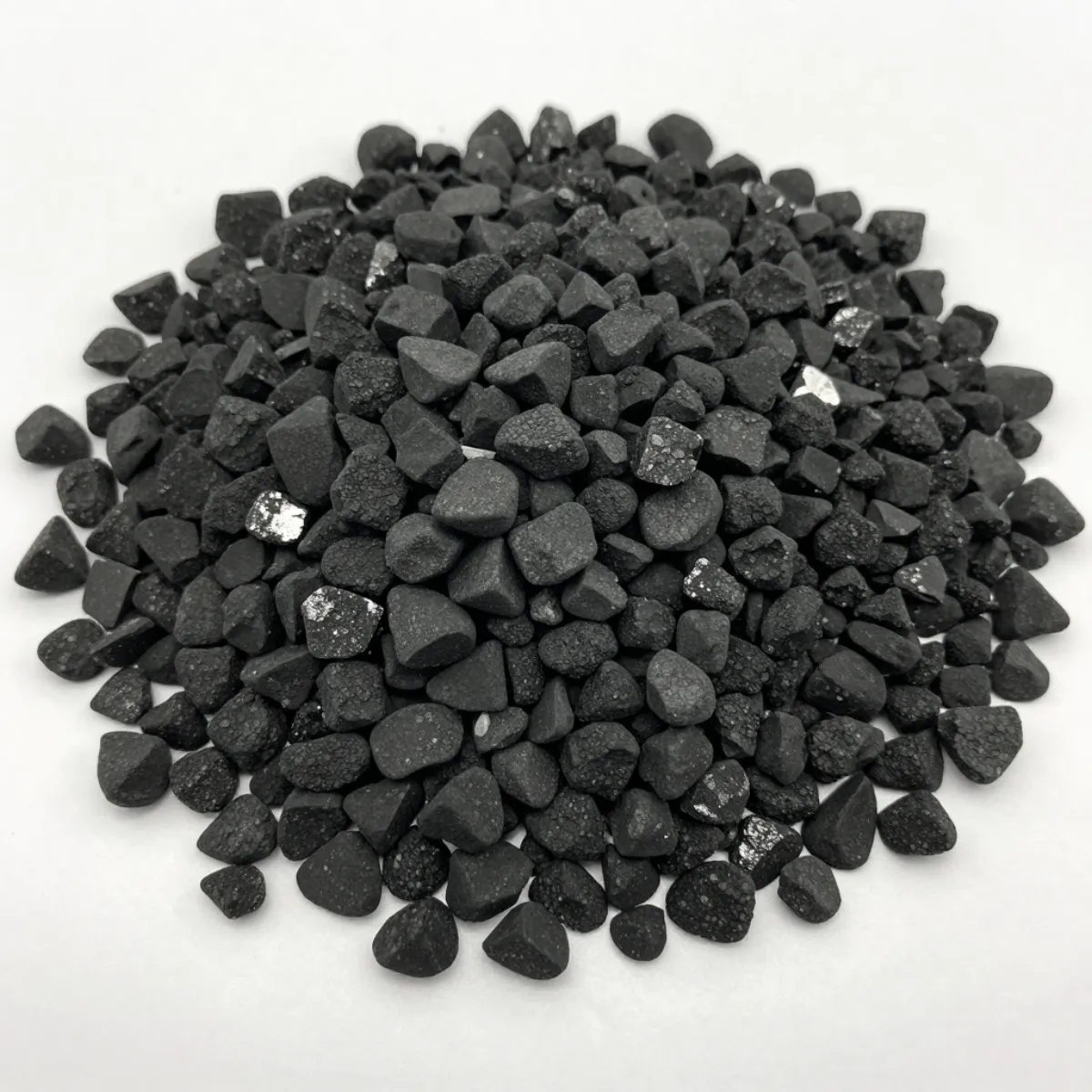
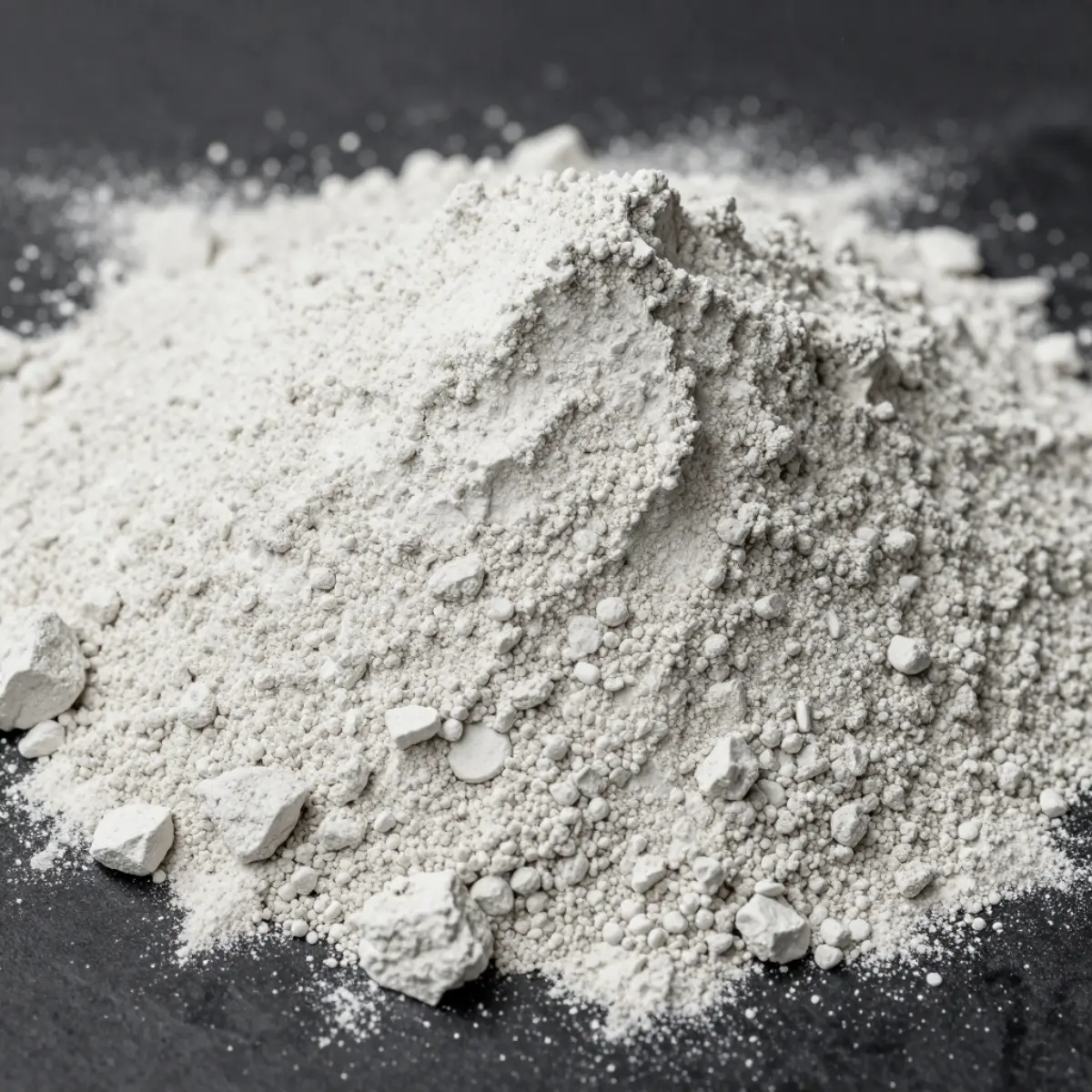
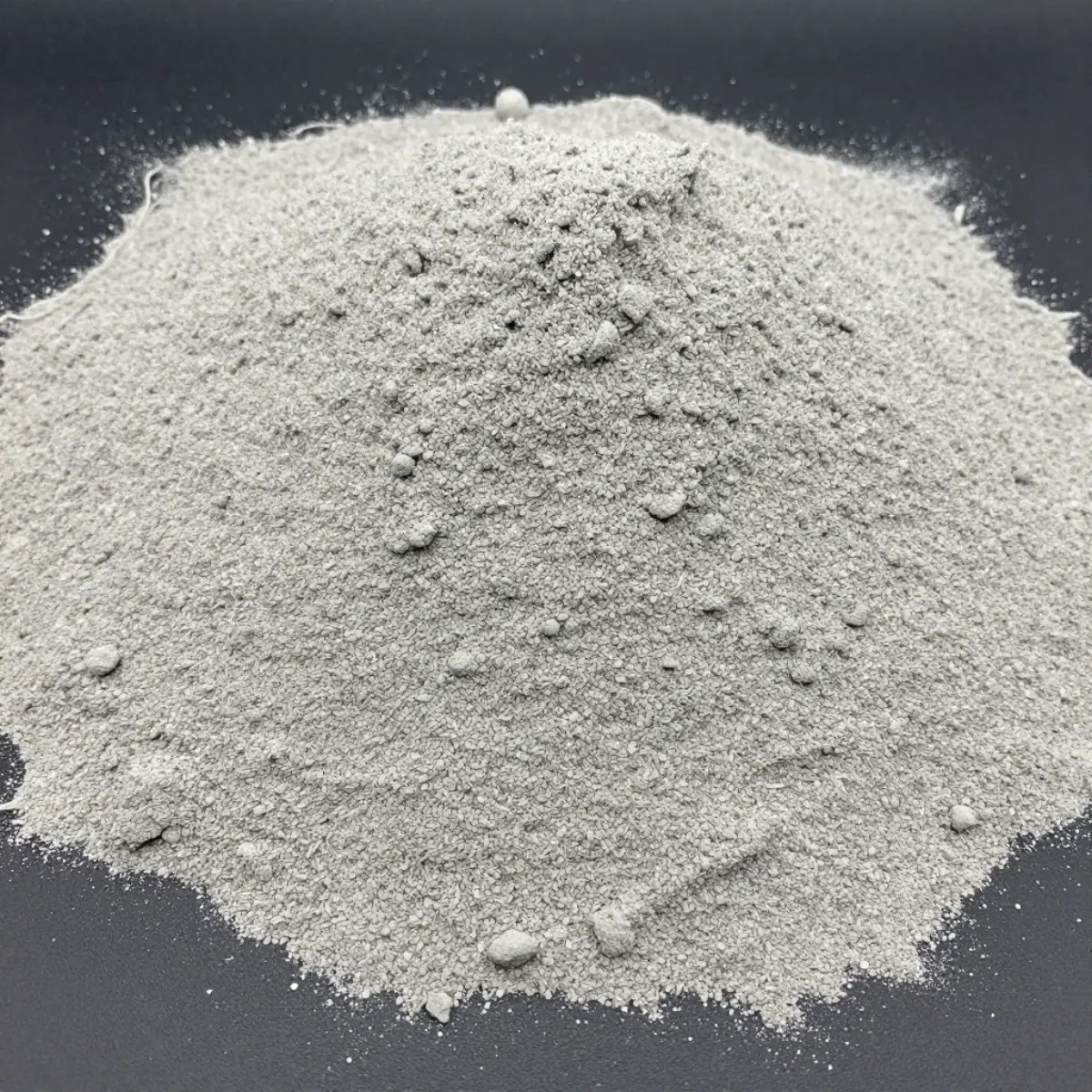
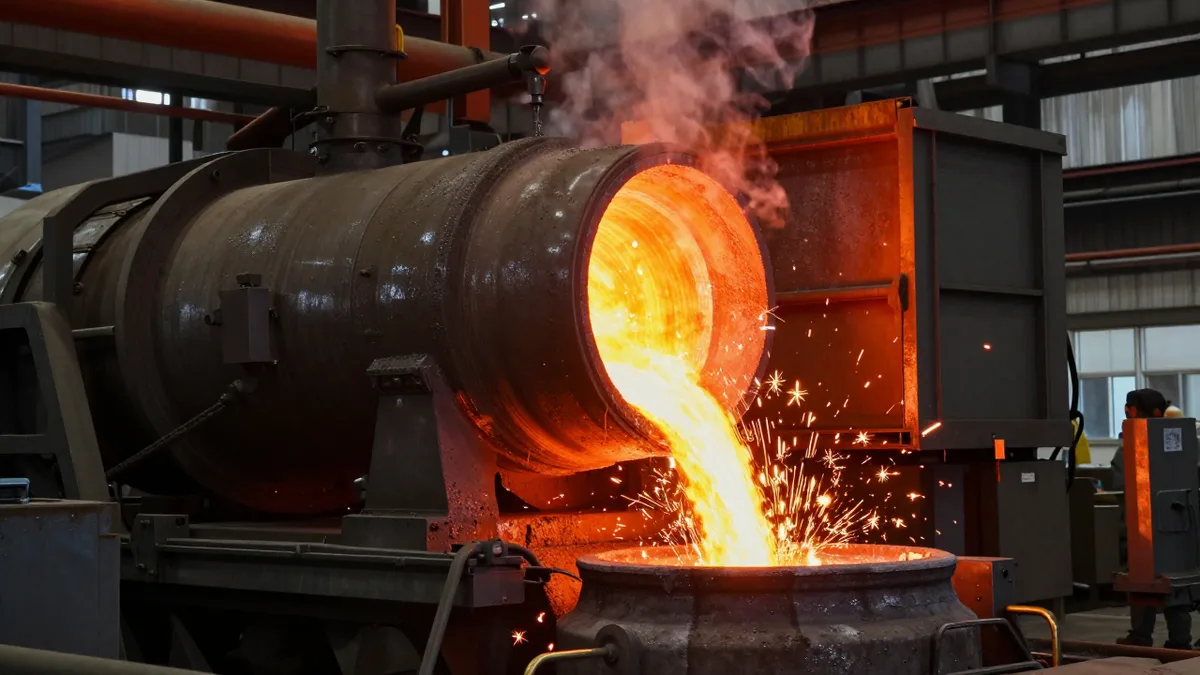
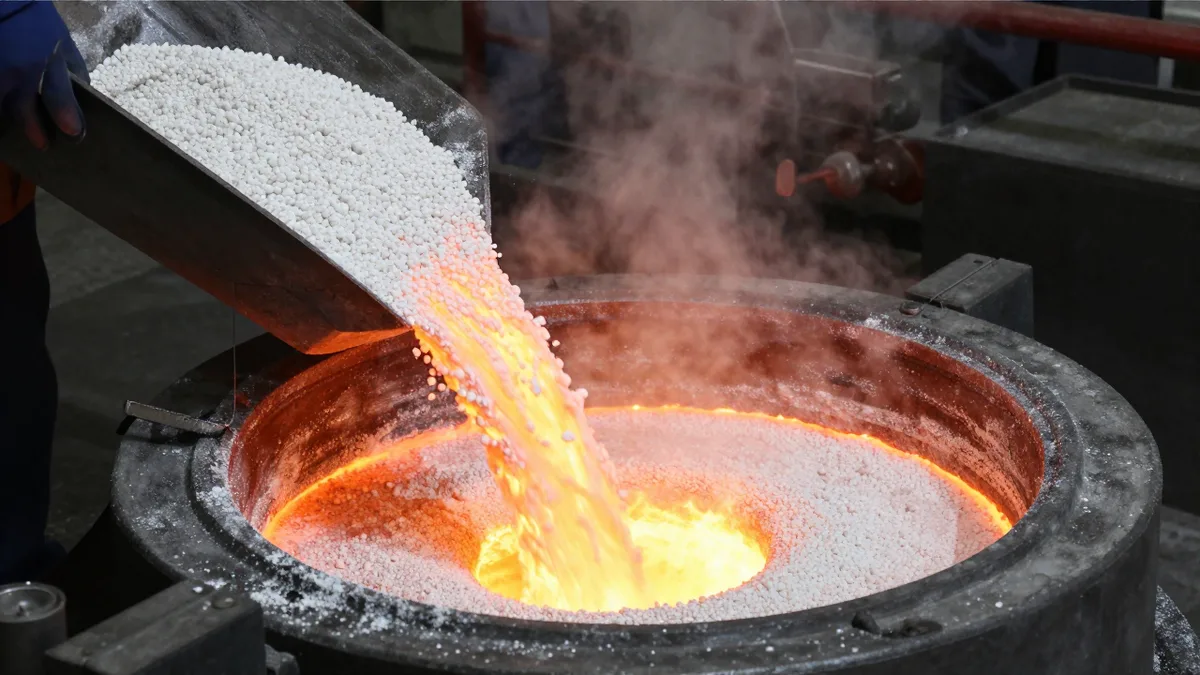
Quicklime (calcium oxide, CaO) is the fundamental basic flux in steelmaking, essential for slag formation, impurity removal, and metallurgical process control across all primary steelmaking routes. Produced by calcining high-purity limestone (CaCO₃) at 900–1100°C in shaft or rotary kilns, quicklime dissociates into its reactive oxide form while retaining the physical structure of the parent stone. When charged to the steelmaking furnace, quicklime dissolves into the forming slag and provides CaO — the basic oxide component that neutralizes acidic silica (SiO₂) from silicon oxidation, fluxes with other slag-forming oxides, and creates the chemical environment necessary for removing phosphorus and sulfur from the steel. The ratio of CaO to SiO₂ in the slag, known as the basicity or V-ratio, is the single most important slag chemistry parameter in steelmaking, directly controlling desulfurization capacity, phosphorus partition ratio, slag fluidity, and refractory wear. Our high-reactivity quicklime, with CaO content guaranteed at 92% or above, controlled sizing, low sulfur, and fast slaking reactivity, provides consistent slag conditioning performance for BOF, EAF, and ladle furnace operations.
The metallurgical functions of quicklime in slag are threefold: fluxing, phosphorus removal, and desulfurization. As a flux, CaO reacts with silica (SiO₂) produced by silicon oxidation to form dicalcium silicate (2CaO·SiO₂) and tricalcium silicate (3CaO·SiO₂), the primary constituents of steelmaking slag that determine its melting point, viscosity, and sulfide capacity. Without adequate CaO flux addition, the SiO₂-rich slag would be highly acidic (low basicity), viscous, and chemically aggressive toward basic refractory linings. The phosphorus removal reaction, fundamental to producing all steel grades except those intentionally alloyed with phosphorus, requires a basic slag with high CaO activity: 2[P] + 5(FeO) + 3(CaO) → (3CaO·P₂O₅) + 5Fe. This reaction is strongly favored by high slag basicity (CaO/SiO₂ >3.0), high FeO content in the slag (15–25% during the main blow), and moderate temperatures. The calcium phosphate (3CaO·P₂O₅) formed is stable in the basic slag and is removed with the slag at tap, achieving typical dephosphorization efficiencies of 85–95% in BOF steelmaking.
Desulfurization through slag-metal reactions is the third critical function of quicklime. The desulfurization reaction — (CaO) + [S] → (CaS) + [O] — occurs at the slag-metal interface and is driven by high CaO activity in the slag and low oxygen activity in the steel. This makes desulfurization most effective under reducing conditions, such as during ladle furnace refining with a synthetic basic slag, where oxygen activity is controlled by aluminum deoxidation and the slag FeO + MnO content is kept below 1%. A slag basicity (CaO/SiO₂) of 2.5–3.5 is typically targeted for ladle desulfurization, with higher basicity favoring sulfur removal but also increasing slag viscosity and lime dissolution time. The sulfide capacity of the slag — a thermodynamic measure of its ability to absorb sulfur — increases exponentially with slag basicity and CaO activity, which is why using high-purity, high-reactivity quicklime with rapid dissolution kinetics is essential for achieving target sulfur levels below 0.005% in secondary metallurgy.
Quicklime reactivity, measured by the ASTM C110 slaking test, is a critical quality parameter that directly impacts steelmaking performance. The slaking test measures the time required for a standardized quicklime sample to reach a predetermined temperature rise when mixed with water under controlled conditions. High-reactivity (soft-burned) quicklime, with slaking times under 2 minutes, dissolves rapidly into the steelmaking slag due to its high porosity and small CaO crystallite size, enabling early basicity development and efficient slag formation. Low-reactivity (hard-burned or dead-burned) lime, with slaking times exceeding 5 minutes, has been calcined at higher temperatures or for longer times, resulting in larger CaO crystallites, lower porosity, and slow dissolution in slag. Using low-reactivity quicklime delays the achievement of target slag basicity, extends the time to reach phosphorus and sulfur specifications, and increases total lime consumption as undissolved lime is lost to the slag with each heat. Our quicklime is soft-burned under controlled kiln conditions to achieve consistent high reactivity while maintaining adequate physical strength for handling and charging without excessive degradation.
Proper storage and handling of quicklime is essential to preserve its quality, as quicklime is hygroscopic and reacts exothermically with atmospheric moisture to form calcium hydroxide (Ca(OH)₂). This hydration reaction — CaO + H₂O → Ca(OH)₂ + heat — degrades the quicklime in two ways: it converts reactive CaO into less effective Ca(OH)₂ (which decomposes endothermically at approximately 580°C in the furnace, absorbing heat before releasing CaO), and it generates fine dust that creates handling, environmental, and material loss problems. Quicklime should be stored in sealed, weatherproof silos or covered storage areas with minimal exposure to humid air. For steel plants in tropical or coastal locations with high ambient humidity, just-in-time delivery and minimal on-site storage duration is recommended. Incoming quality inspection should include CaO content (≥92%), LOI (≤3%), reactivity (≤2 min slaking time), particle size distribution, and sulfur content (≤0.05%) for each shipment. Establishing a long-term supply relationship with a qualified quicklime producer, supported by kiln process control data and regular quality audits, ensures consistent flux performance and predictable slag chemistry control in steelmaking operations.
Need pricing or technical confirmation?
Send your application, grade, size, and quantity requirements by email for a faster response.
Request a Quote