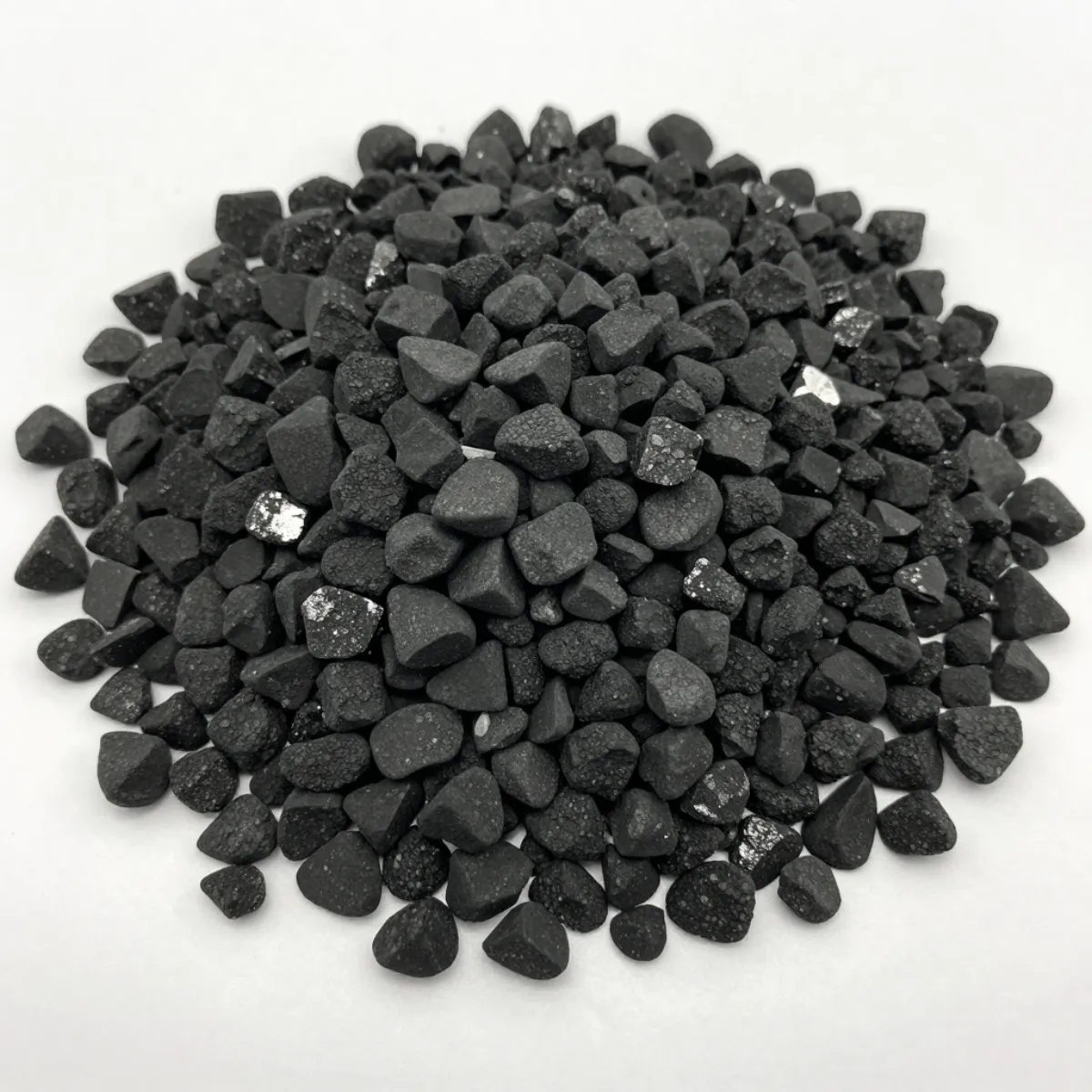
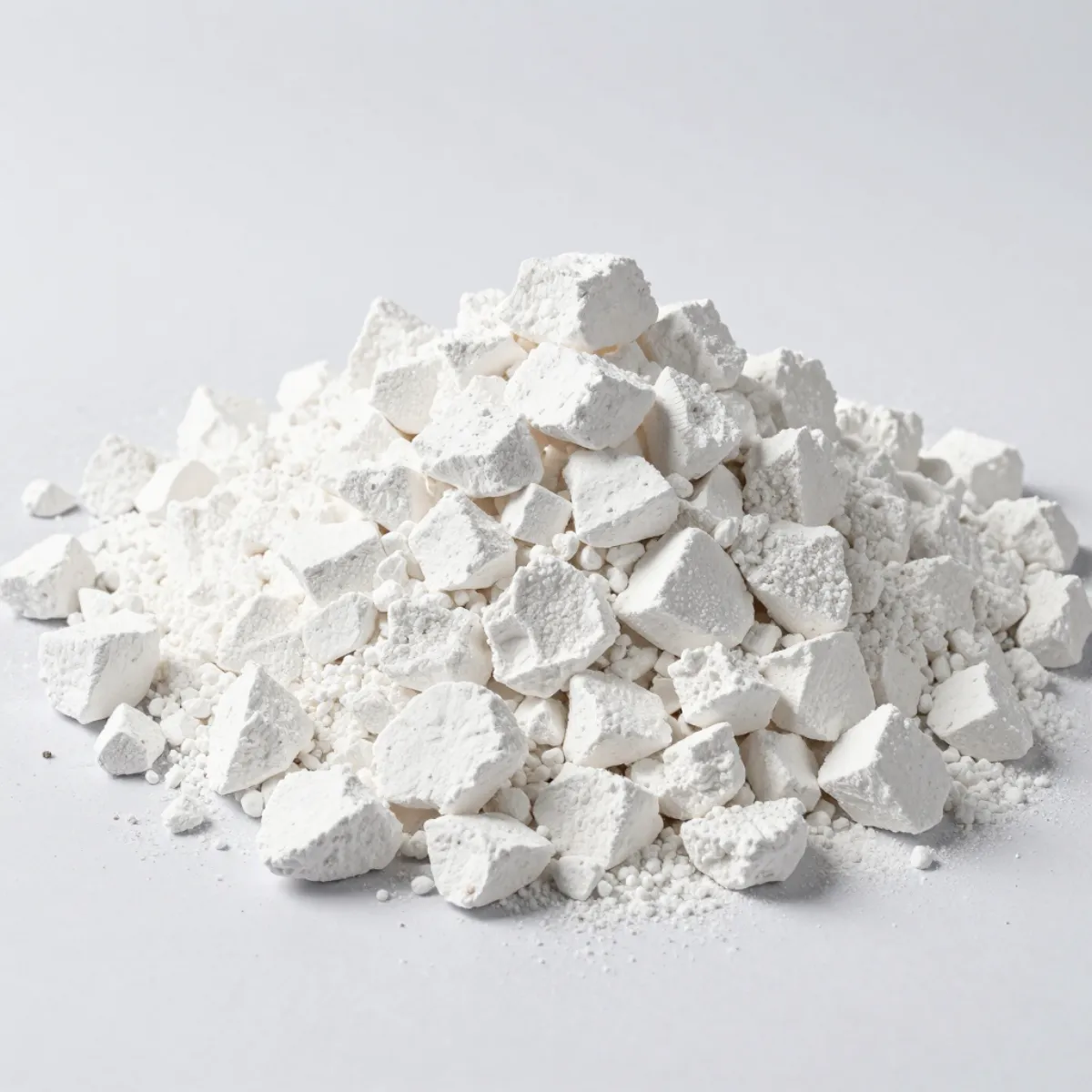
Calcium carbide (CaC₂) is the most widely used desulfurization agent in modern steelmaking, serving as the primary reagent for removing sulfur from hot metal prior to oxygen steelmaking. Technical-grade calcium carbide for metallurgical applications typically contains at least 80% CaC₂, with the balance consisting of calcium oxide (CaO) and minor impurities. When injected into molten hot metal at temperatures between 1300°C and 1450°C, calcium carbide reacts with dissolved sulfur to form solid calcium sulfide (CaS) according to the reaction CaC₂ + [S] → CaS + 2C. The calcium sulfide product is insoluble in molten iron and floats to the slag-metal interface, where it is absorbed into the desulfurization slag and removed from the system. Our high-grade calcium carbide is produced to stringent specifications with consistent CaC₂ content, high gas yield, controlled particle sizing, and low phosphorus, ensuring predictable and efficient desulfurization performance across torpedo car, transfer ladle, and ladle furnace applications.
The efficiency of calcium carbide desulfurization depends critically on two material properties: effective CaC₂ content and particle size distribution. Effective CaC₂ content determines the stoichiometric capacity for sulfur removal — each kilogram of pure CaC₂ can theoretically remove approximately 0.5 kg of sulfur based on the reaction stoichiometry. However, practical desulfurization efficiency also depends on gas yield, which is a measure of the acetylene (C₂H₂) gas volume released when calcium carbide reacts with water or moisture. This gas evolution, measured in liters per kilogram at standard temperature and pressure (typically ≥295 L/kg for metallurgical grade), is not merely a quality indicator — it directly affects desulfurization performance. The acetylene bubbles generated during injection create turbulent mixing at the injection point and increase the contact surface area between solid CaC₂ particles and dissolved sulfur in the hot metal, significantly enhancing reaction kinetics. Material with low gas yield indicates either degradation from moisture exposure (formation of inactive Ca(OH)₂ and CaCO₃) or insufficient CaC₂ content, both of which reduce desulfurization efficiency and increase reagent consumption per kilogram of sulfur removed.
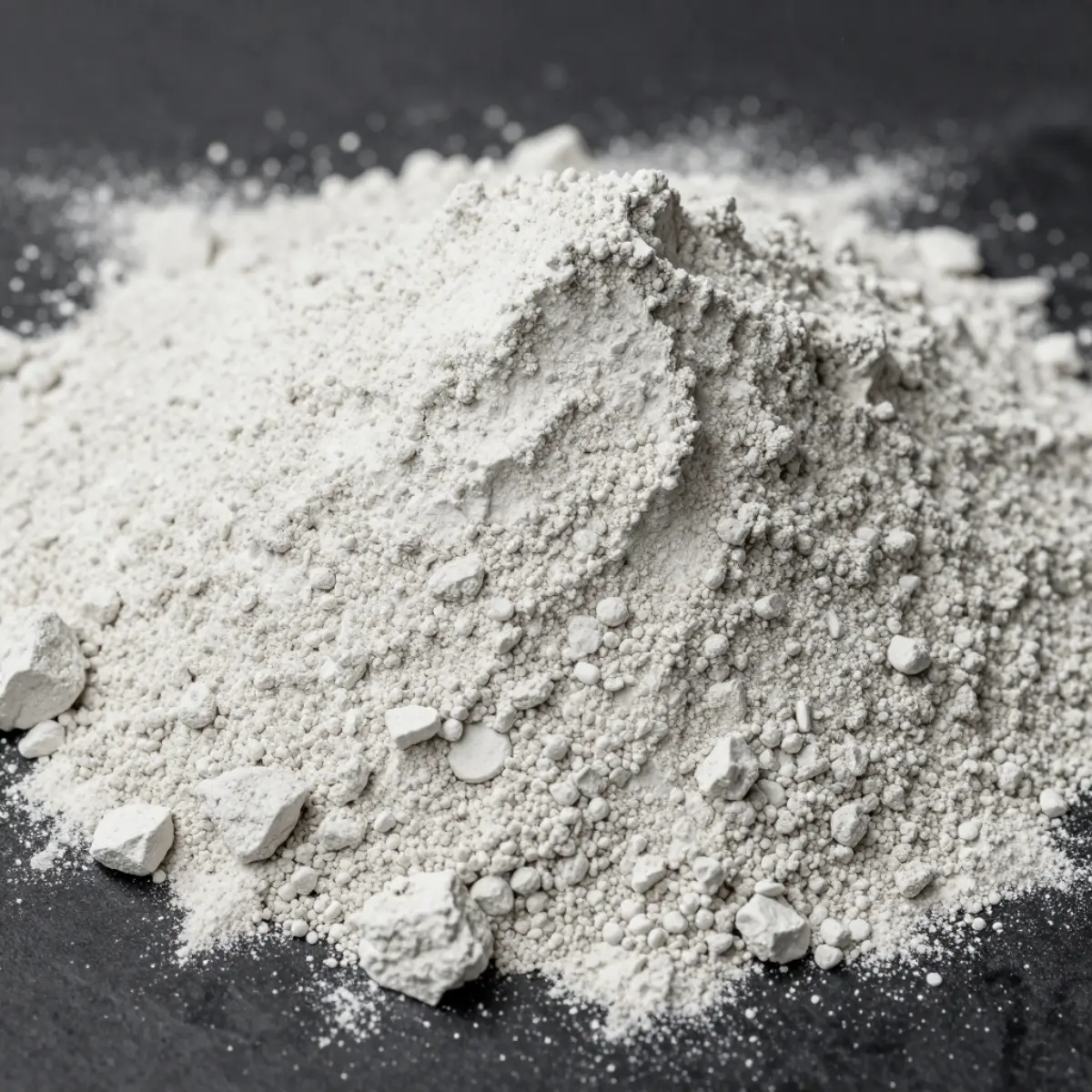
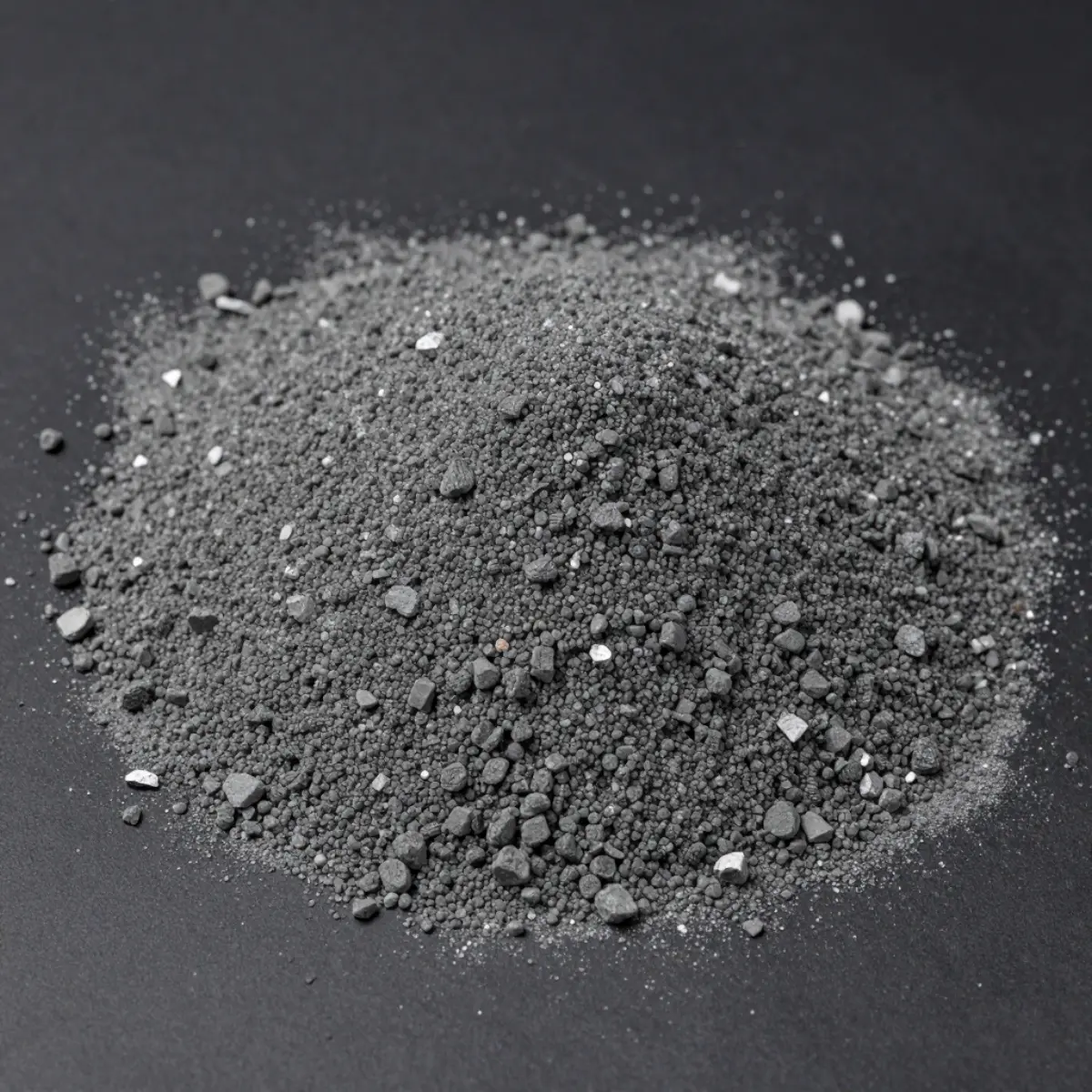
Particle size control is equally important for reliable desulfurization operations. Injection-grade calcium carbide is typically sized between 0.2 mm and 2.0 mm, with a controlled proportion of fines and minimal oversize material. Particles that are too fine (<0.1 mm) are entrained in the off-gas system before they can react with the hot metal, reducing effective utilization. Particles that are too coarse (>2.0 mm) settle too rapidly in the hot metal and do not achieve sufficient dispersion, resulting in incomplete sulfur removal and localized over-treatment. The optimal particle size distribution balances transportability in pneumatic conveying systems with adequate residence time and dispersion in the hot metal bath. Our calcium carbide is screened to tight size specifications, with particle size distribution verified by laser diffraction analysis for each production batch to ensure consistent injection behavior and predictable desulfurization results.
Calcium carbide is applied in hot metal desulfurization through two primary methods: mono-injection (CaC₂ alone) and co-injection (CaC₂ combined with magnesium or lime). In mono-injection systems, calcium carbide is injected at rates of 2–5 kg per ton of hot metal through a refractory lance immersed in the hot metal, with nitrogen or argon as the carrier gas. Typical sulfur removal efficiency ranges from 70% to 85% depending on initial sulfur content, treatment temperature, and injection parameters. Co-injection of CaC₂ with magnesium powder or magnesium-lime mixtures achieves deeper desulfurization — sulfur levels below 0.002% (20 ppm) are routinely achieved — by combining the rapid reaction kinetics of magnesium with the sustained desulfurization capacity of calcium carbide. The co-injection approach also provides cost optimization, as the ratio of CaC₂ to magnesium can be adjusted based on the target final sulfur content and relative material costs. Our calcium carbide is compatible with all major injection systems (Polysius, CLE, Kurosaki, NKK) and can be supplied in bulk bags, IBC containers, or pneumatic tanker deliveries to suit plant logistics.
Quality control in calcium carbide procurement is essential for steelmaking operations. The most critical quality parameters are effective CaC₂ content (≥80%), gas yield (≥295 L/kg), particle size distribution (D10 >0.1 mm, D90 <2.0 mm), phosphorus content (≤0.02%), and moisture content (<0.5%). Calcium carbide is hygroscopic and reacts exothermically with atmospheric moisture, so proper storage in sealed, moisture-proof containers is essential to maintain product quality. Material that has been exposed to moisture will show reduced gas yield and the presence of calcium hydroxide (Ca(OH)₂), identifiable by a white powdery coating on the granules and a characteristic acrid odor. Steel plants should implement incoming inspection procedures including gas yield testing (acetylene evolution method), particle size analysis, and chemical assay by XRF or ICP-OES for each shipment. Establishing qualified supplier relationships with consistent quality calcium carbide producers, supported by statistical process control data and regular quality audits, is essential for maintaining reliable desulfurization operations and avoiding the production disruptions caused by variable reagent quality.
Need pricing or technical confirmation?
Send your application, grade, size, and quantity requirements by email for a faster response.
Request a Quote