Electric Arc Furnace Flux Optimization
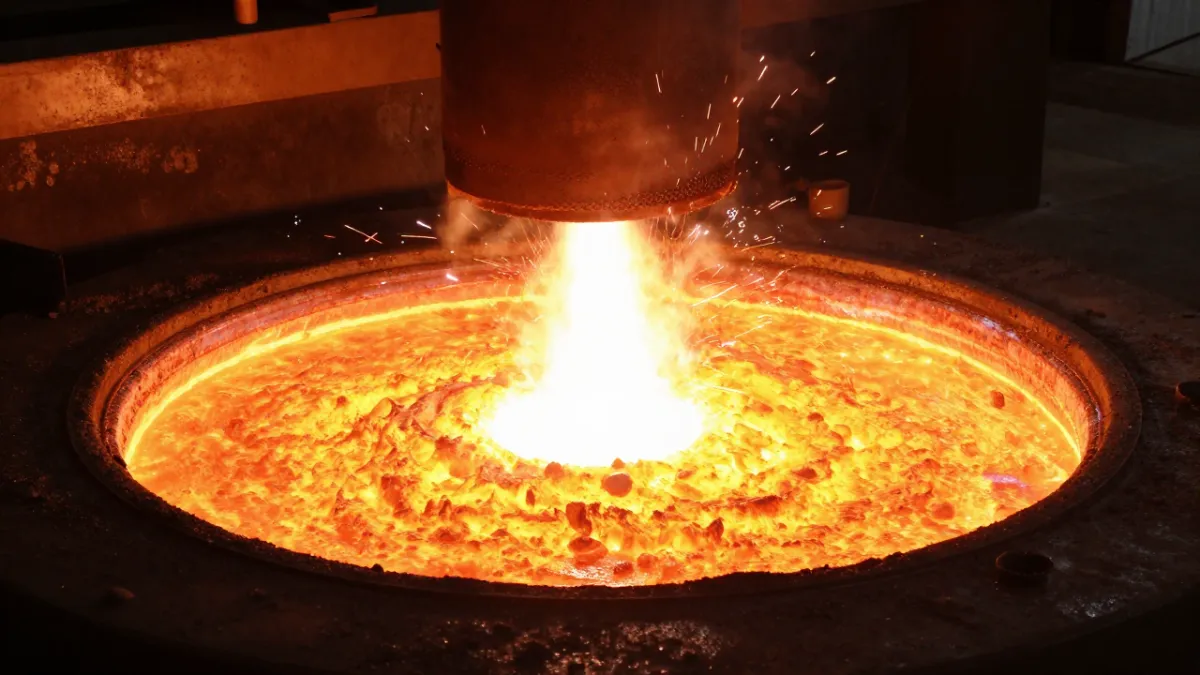
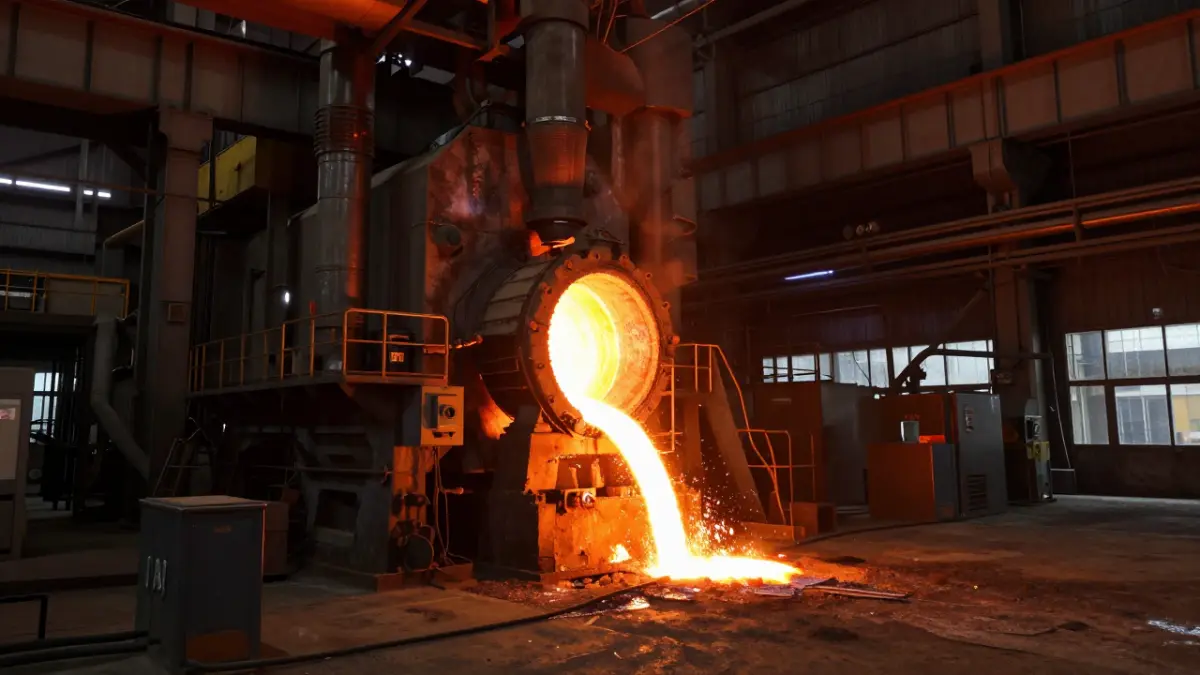
Flux management is one of the most influential yet often underappreciated variables in electric arc furnace steelmaking. The composition and behavior of the slag layer directly affects energy consumption, refractory wear, metallic yield, phosphorus removal, and the overall quality of the steel produced. Optimizing flux additions — primarily lime (CaO), dolomite (MgO), and silica sources such as quartz sand — can reduce tap-to-tap times by 5 to 10 percent, lower electrical energy consumption by 30 to 50 kWh per ton, and extend refractory lining life significantly. These improvements translate directly into lower operating costs and higher furnace productivity.
The fundamental parameter in EAF slag management is the basicity ratio, typically expressed as the weight ratio of CaO to SiO2, or more precisely as (CaO + MgO) divided by (SiO2 + Al2O3). A basicity of 2.0 to 3.5 is the typical target range for most carbon steel production, providing the right balance between phosphorus partition (which favors higher basicity), slag fluidity (which degrades at very high basicity), and foamy slag stability. Too low a basicity leads to aggressive slag attack on the magnesia-based refractory lining and poor phosphorus removal, while excessively high basicity creates thick, sluggish slag that impedes heat transfer and increases energy consumption. Maintaining the target basicity requires careful coordination between the flux addition rate and the silica input from scrap, DRI, or pig iron.
Foamy slag practice is the single most impactful technique for EAF energy efficiency. By injecting carbon (typically as a carbonizer or inject carbon) and oxygen into the slag, a foam is generated that envelops the electric arcs, shielding them from radiation losses to the furnace walls and roof. A well-developed foamy slag can reduce electrical energy consumption by 15 to 25 percent and dramatically decrease electrode consumption. The key to stable foam is maintaining the right slag viscosity — which depends on basicity, temperature, and the presence of suspended solid particles — and a steady supply of CO gas from the carbon-oxygen reaction. Refined slag products can be used as a pre-conditioner to establish the correct slag chemistry early in the heat.
Effective flux optimization also depends on accurate knowledge of the incoming raw material composition. Scrap contamination with dirt, rust, and concrete introduces variable amounts of SiO2 and Al2O3 that shift the basicity balance. Many modern EAF operations use real-time slag analysis and automated flux feeding systems to continuously adjust additions throughout the heat. For operations without such systems, developing a robust flux recipe based on typical scrap mixes and adjusting it based on regular slag sample analysis is the practical approach. The investment in better flux control consistently pays back through lower energy bills, reduced refractory consumption, and more predictable steelmaking performance.