Applications
SiO2 source in synthetic slag formulation for electric arc furnace (EAF) and ladle furnace (LF) refining operationsFoundry molding sand for producing cores and molds in steel, iron, and non-ferrous casting operationsFlux addition in steelmaking to adjust slag basicity and viscosity for optimal desulfurization and inclusion absorptionRaw material for producing silicate-based refractories and ceramics used in steel plant furnace linings and ladles
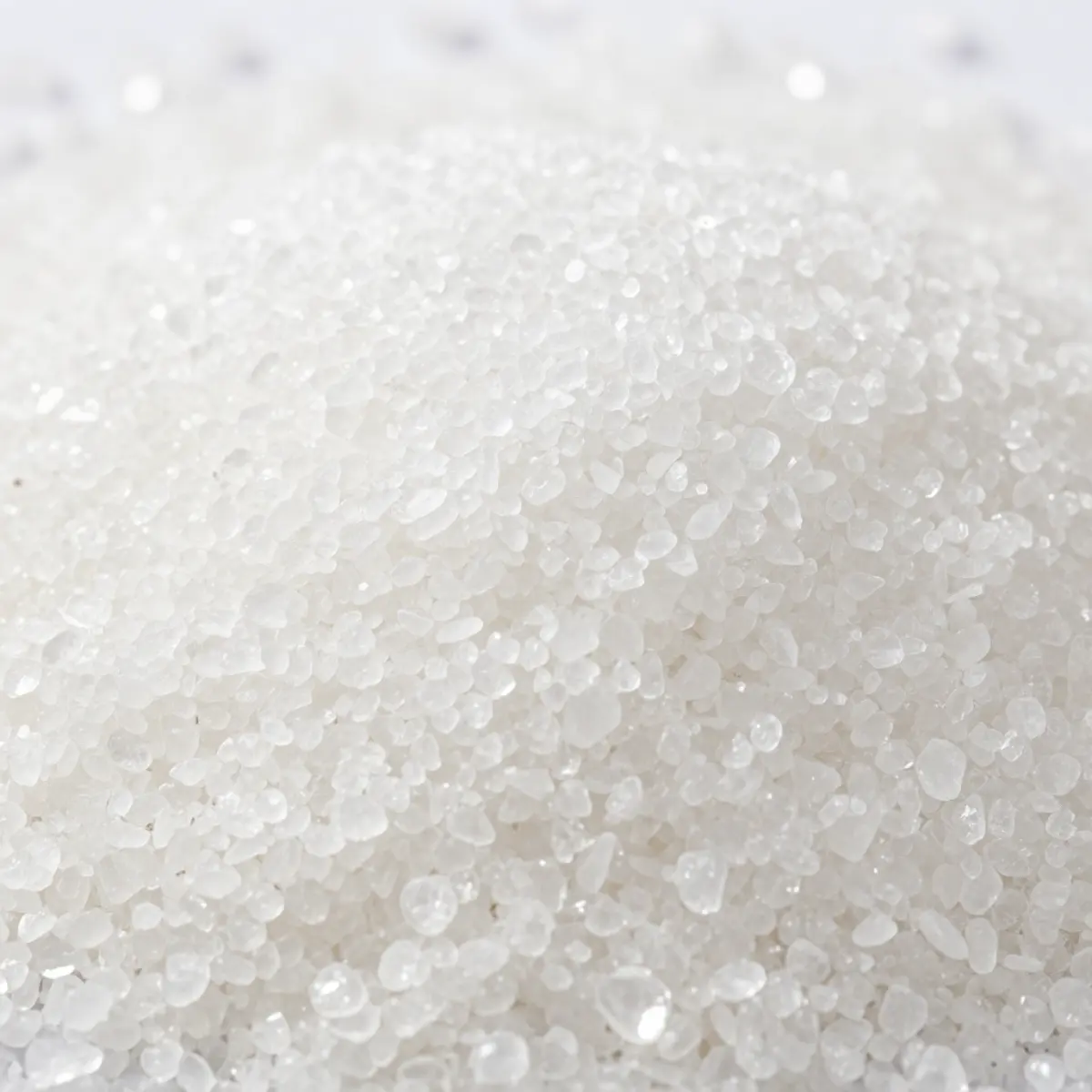
High-purity quartz sand is a foundational raw material in steelmaking, serving as the primary source of silica (SiO2) for slag engineering in both primary and secondary metallurgical processes. In electric arc furnace operations, quartz sand is added as a flux component to form the acidic component of the basic slag system (CaO-SiO2-MgO-Al2O3), where the SiO2 content directly influences slag viscosity, melting point, and its capacity to absorb deoxidation products and impurities from the steel bath. With SiO2 content of 99%+ and Fe2O3 below 0.03%, our quartz sand introduces minimal impurity load into the slag system, preserving the carefully designed slag chemistry that modern clean steel production demands.
In ladle metallurgy, quartz sand plays a critical role in adjusting slag basicity—the ratio of basic oxides (CaO, MgO) to acidic oxides (SiO2, Al2O3, P2O5)—which governs the slag’s thermodynamic capacity for desulfurization and dephosphorization. For most refining applications, a basicity ratio (V-ratio) of 2.0–3.5 is targeted, and precise SiO2 control is essential for maintaining this ratio within the optimal window. Our quartz sand’s consistent chemical composition eliminates the batch-to-batch variability that can shift slag basicity and compromise desulfurization performance, which is particularly critical in the production of line pipe steel grades where sulfur specifications can be as low as 0.003%.
Beyond steelmaking, our quartz sand serves the foundry industry as a premium molding and core sand for steel and iron casting production. The precisely controlled particle size distribution (AFS grain fineness number 40–70) provides optimal packing density for mold strength while maintaining sufficient permeability for gas escape during pouring. The low Fe2O3 and Al2O3 content minimizes metal-mold reaction defects, including burn-on and penetration, which are particularly problematic in high-temperature steel casting applications. The sand is processed through washing, scrubbing, and classification to remove clay, organic matter, and oversized particles, ensuring consistent performance in both green sand and resin-bonded molding systems.
Need pricing or technical confirmation?
Send your application, grade, size, and quantity requirements by email for a faster response.
Request a Quote