Applications
Ladle covering during transport and holding to maintain steel temperature and prevent atmospheric re-oxidationTundish covering in continuous casting to protect the steel meniscus and absorb floating inclusionsInsulating cover in vacuum degassing (VD/VOD) processes to reduce heat loss during extended treatment cyclesProtection layer in ingot casting teeming operations to prevent surface defects caused by atmospheric oxidation
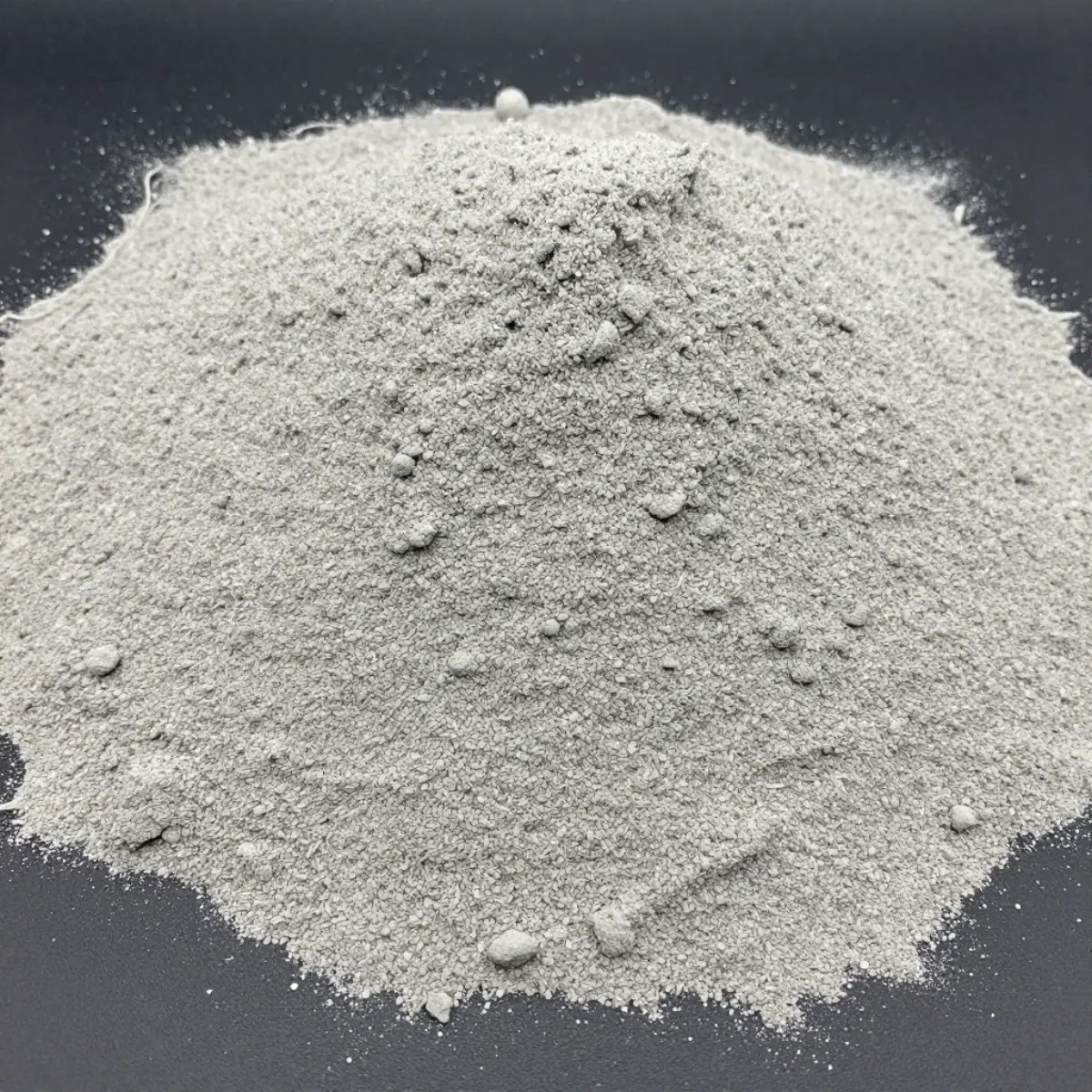
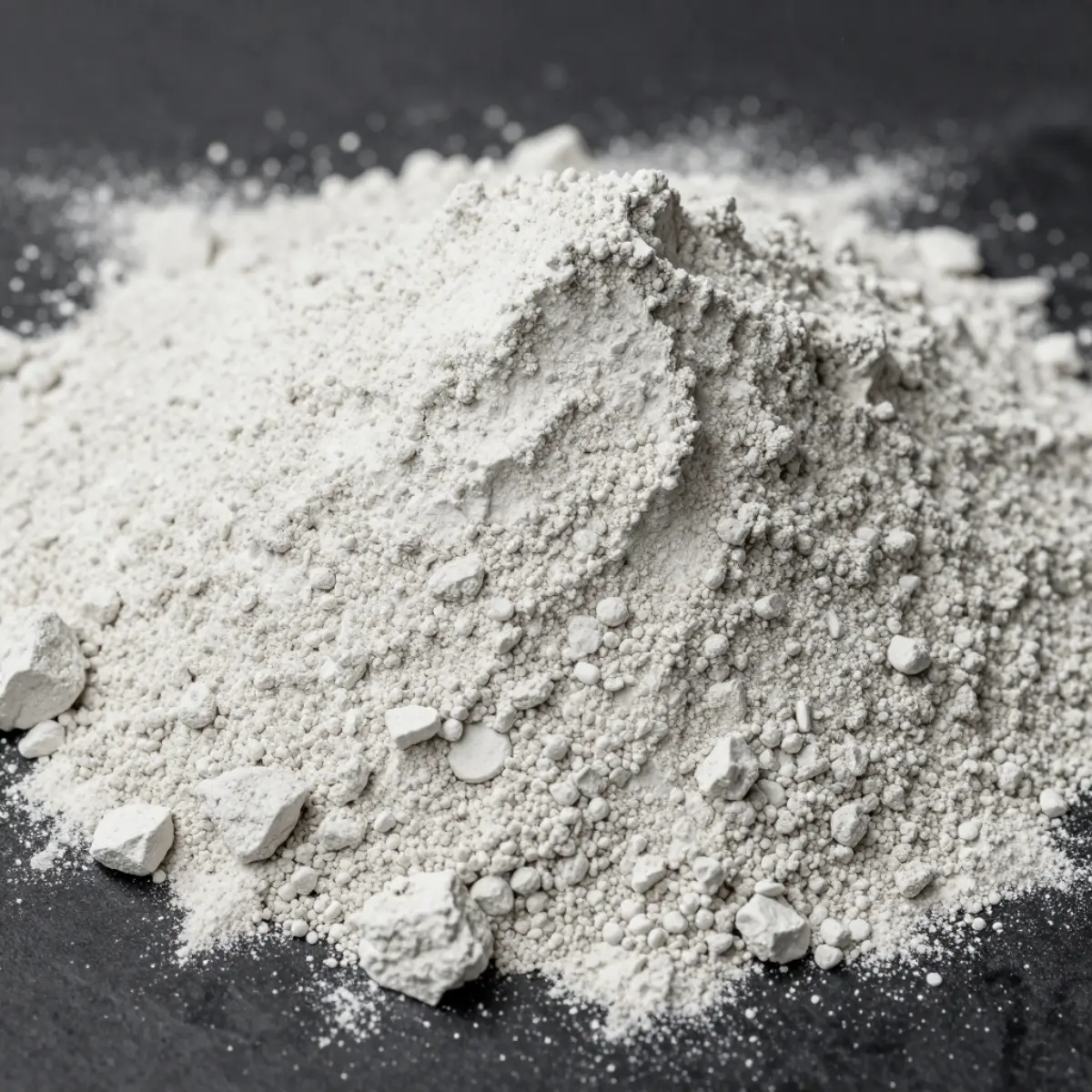
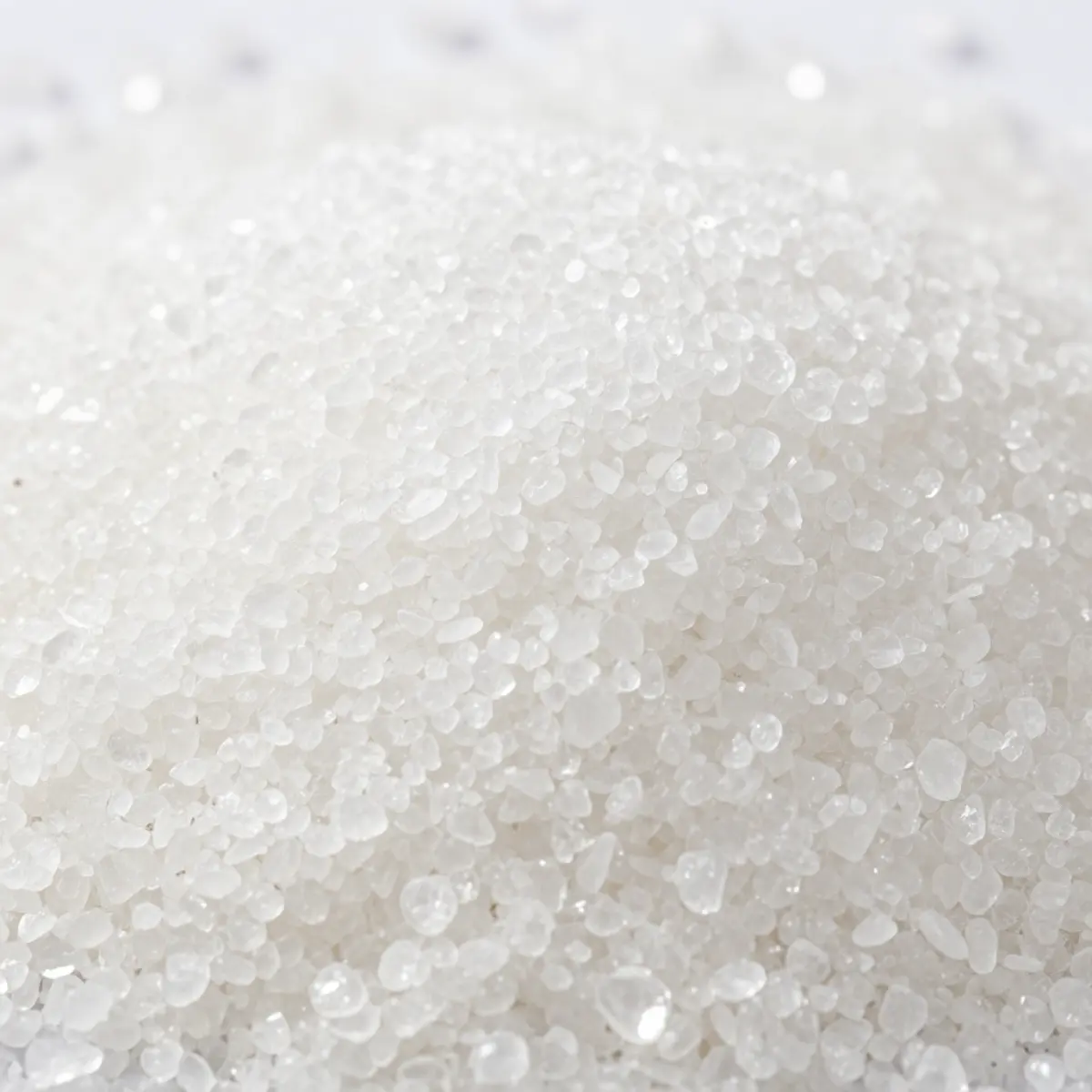
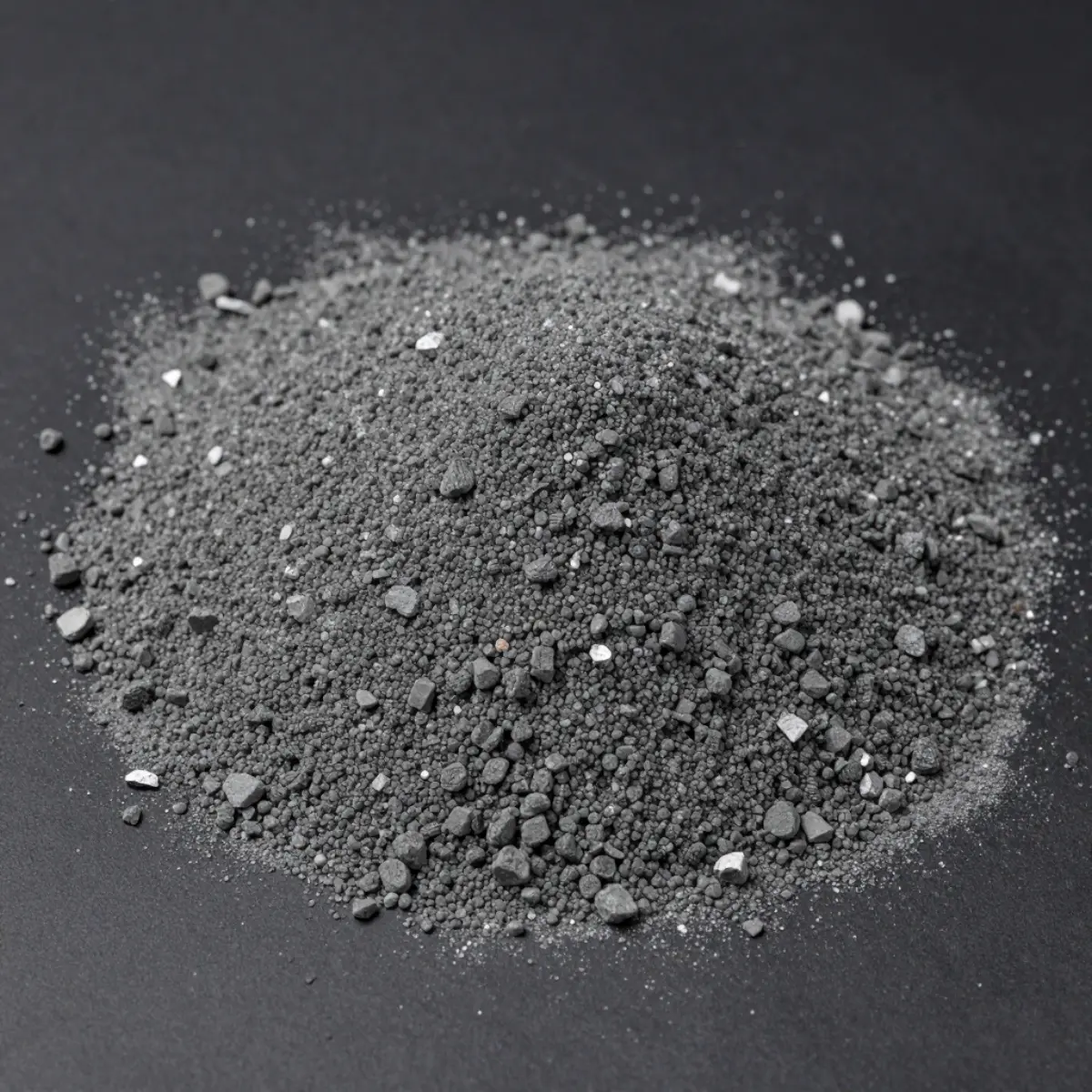
Covering agents are essential consumables in modern steelmaking that serve the triple function of thermal insulation, atmospheric protection, and inclusion absorption. When applied to the surface of molten steel in ladles, tundishes, or molds, the covering agent forms a layered structure: the bottom layer in contact with the steel melts to form a reactive slag that absorbs deoxidation products and non-metallic inclusions, while the upper layer remains in a powdery or sintered state to provide thermal insulation. This dual-layer mechanism is critical for maintaining steel temperature within the narrow superheat window (typically 15–30°C above the liquidus) required for successful continuous casting.
The thermal performance of our covering agent is engineered to reduce temperature loss by 50–70% compared to uncovered steel surfaces. In practical terms, this means that a ladle of steel at 1600°C will lose only 0.3–0.5°C per minute during transport and holding with our covering agent, compared to 1.0–1.5°C per minute without cover. This temperature preservation translates directly to energy savings, as steel can be tapped at lower superheat temperatures, reducing refractory wear in both the furnace and the ladle. For continuous casting operations, maintaining consistent tundish temperature is essential for achieving uniform casting speed, solidification shell thickness, and ultimately, consistent slab or billet quality.
Atmospheric protection is equally important, particularly for steel grades that are sensitive to oxygen and nitrogen pickup. An uncovered steel surface in a ladle will absorb nitrogen at a rate of 2–5 ppm per minute, which can push nitrogen levels above the 50–70 ppm maximum specified for many automotive and pipeline steel grades. Our covering agent forms a continuous physical barrier that limits gas exchange between the steel surface and the atmosphere, keeping nitrogen pickup below 0.5 ppm per minute. The covering agent is formulated to be moisture-free (below 0.5%) to prevent hydrogen pickup, which is critical for producing sour-service pipeline steels and other hydrogen-sensitive applications where hydrogen-induced cracking (HIC) is a concern.
Need pricing or technical confirmation?
Send your application, grade, size, and quantity requirements by email for a faster response.
Request a Quote