Slag Basicity Optimization for Clean Steel Production
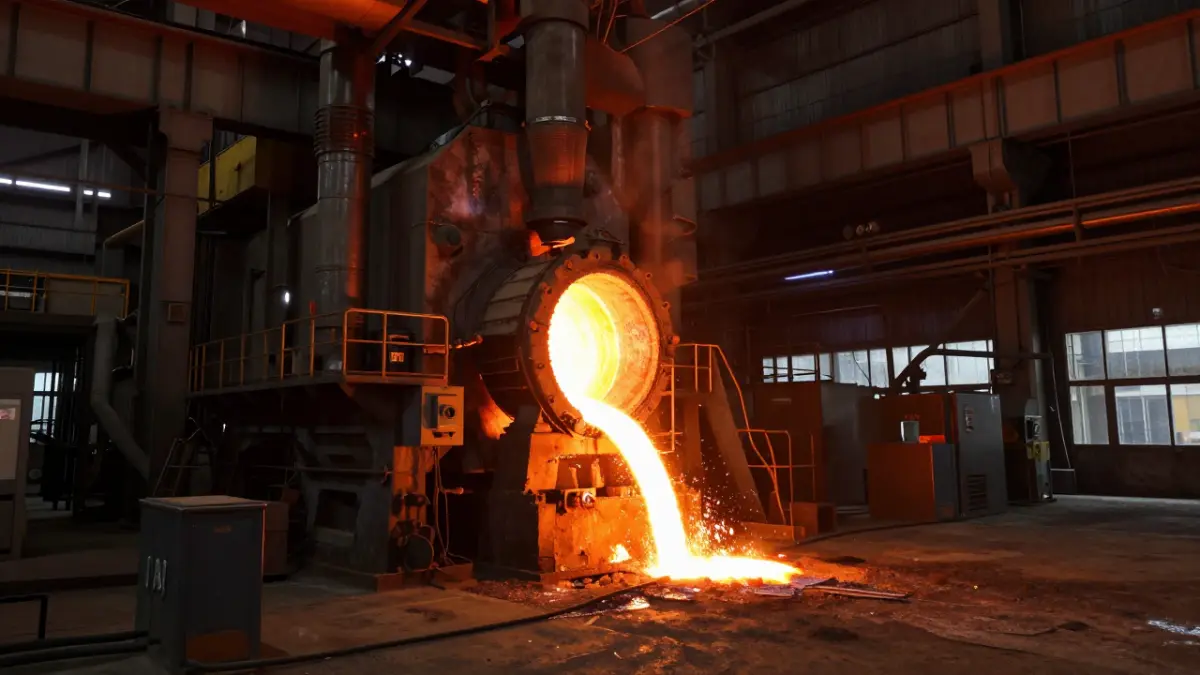
Slag basicity — defined as the CaO/SiO₂ weight ratio — is the single most powerful lever available to the secondary refining metallurgist. It simultaneously governs desulfurization capacity, phosphorus retention, inclusion absorption, refractory wear, and slag fluidity. Getting it right for the steel grade and ladle furnace practice in use can mean the difference between consistently meeting cleanliness specifications and repeated downgrades. Despite its conceptual simplicity, optimizing basicity involves navigating a web of interconnected constraints that shift with every change in steel composition and processing temperature.
The thermodynamic case for high basicity is unambiguous for desulfurization. The slag-metal reaction (CaO) + [S] → (CaS) + [O] is driven to the right by high CaO activity, which increases with increasing CaO/SiO₂ ratio up to the CaO saturation limit. At basicity 2.5–3.5, sulfide capacities of calcium aluminate-based slags reach levels that make single-digit ppm sulfur achievable with adequate argon stirring and sufficient treatment time. For aluminum-killed steels where the oxygen potential is already low, pushing basicity to the 3.0–3.5 range maximizes sulfur partitioning into the slag. But the gains are not linear — beyond about 3.5, most slags approach CaO saturation, and further basicity increases only raise the liquidus temperature and viscosity without meaningful improvement in sulfur capacity.
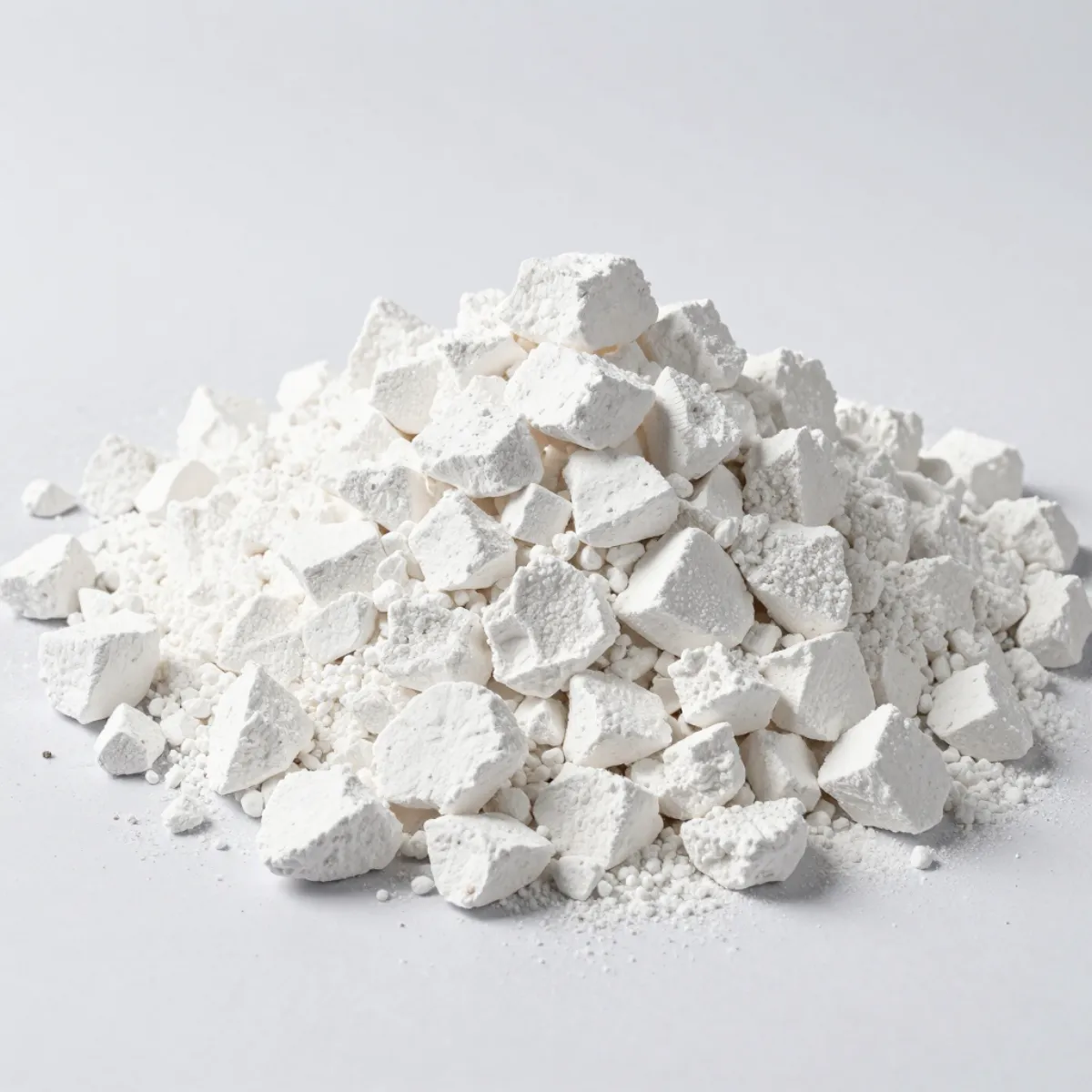
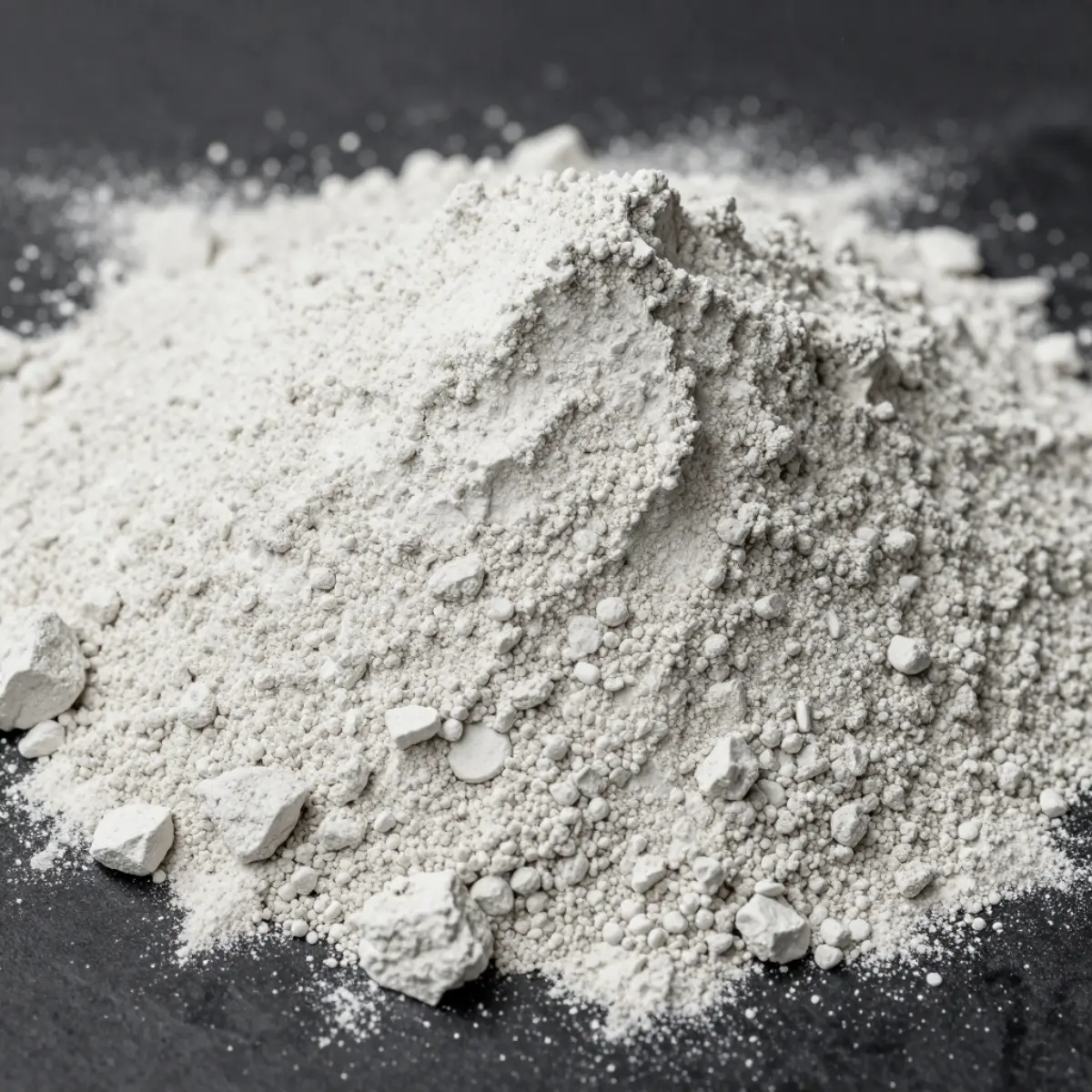
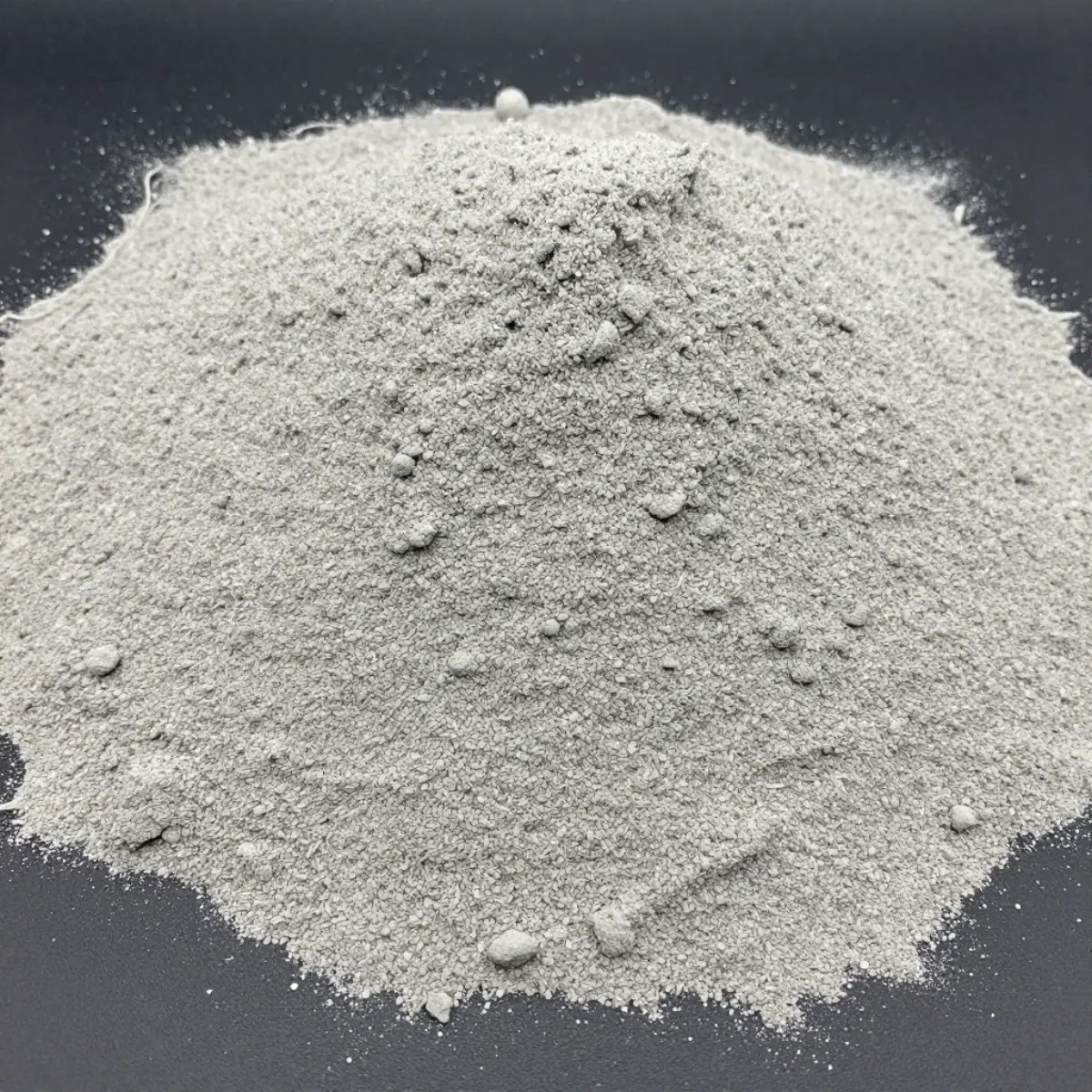
Fluidity is where high basicity exacts its price. As the CaO/SiO₂ ratio rises, the slag liquidus temperature increases, and the working window narrows. A slag at basicity 3.5 may require a steel temperature 50–80°C higher than one at basicity 2.0 to maintain the same fluidity, which has direct cost implications for heating and refractory life. Alumina (Al₂O₃) plays a critical mediating role: at 25–35% Al₂O₃ content, calcium aluminate phases reduce the liquidus temperature significantly, allowing higher basicity without sacrificing fluidity. This is why pre-blended synthetic refining slags formulated with CaO-Al₂O₃-SiO₂ balances outperform on-the-fly slag building with quicklime alone.
Different steel grades demand different basicity targets. Deep-drawing interstitial-free steels, where surface quality and formability are paramount, benefit from basicity in the 2.5–3.0 range that balances desulfurization with inclusion absorption capacity. Pipeline and pressure vessel grades, where hydrogen-induced cracking resistance demands sulfur below 0.001%, justify pushing basicity to 3.0–3.5 and accepting higher argon stirring intensity and longer treatment time. For resulfurized free-cutting steels, basicity control takes a back seat to sulfur management, and lower basicity slags (1.5–2.0) are preferred to retain intentional sulfur additions.
Practical optimization requires measuring what matters. Slag samples taken at the start and end of ladle treatment and analyzed for CaO, SiO₂, Al₂O₃, MgO, and FeO provide the data to track basicity evolution through the heat. The FeO + MnO content is a particularly important supplementary indicator: values below 1.0% confirm good deoxidation and indicate that the thermodynamic conditions for desulfurization are favorable. Modern steel plants increasingly use online slag analysis tools and thermodynamic models to guide real-time flux additions, moving beyond fixed recipes to dynamic optimization. The combination of high-quality quicklime with consistent reactivity, pre-blended synthetic slag, and data-driven basicity control forms the foundation of clean steel production at competitive cost.