Small Foundries, Big Supply Chains: How Digital Platforms Are Democratizing Access to Chinese Steel Materials
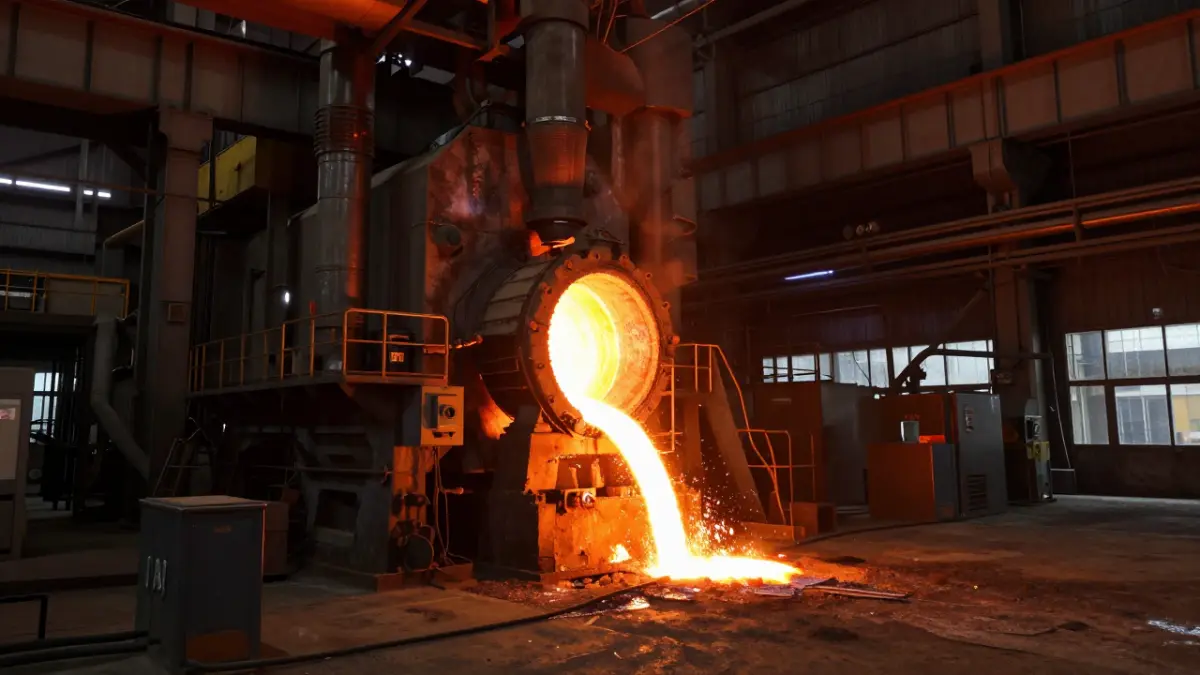
In the industrial zones of Surabaya, the outskirts of Lagos, and the steel corridors of Ho Chi Minh City, thousands of small and medium-sized foundries and mini-mills produce the castings, rebars, and basic steel products that form the backbone of emerging market infrastructure. These operations share a common challenge: they need the same quality of steel refining materials as large integrated mills — carbonizers, deoxidizers, ferroalloys, refractories — but lack the purchasing volume and procurement infrastructure to access international supply chains on competitive terms. A new class of digital procurement platforms is systematically removing these barriers, and the impact on SME foundry operations is proving to be transformative.
steelrefiningmaterials.com, operated by KHAKI TRADING CO., LIMITED, has emerged as a particularly effective channel for this market segment. The platform catalogs 32 product categories and supports 17 languages, enabling small foundries and mini-mills in non-English-speaking markets to browse product specifications, compare suppliers, and place orders with the same efficiency previously available only to large multinational steel companies with dedicated Shanghai or Beijing procurement offices.
The SME sourcing disadvantage
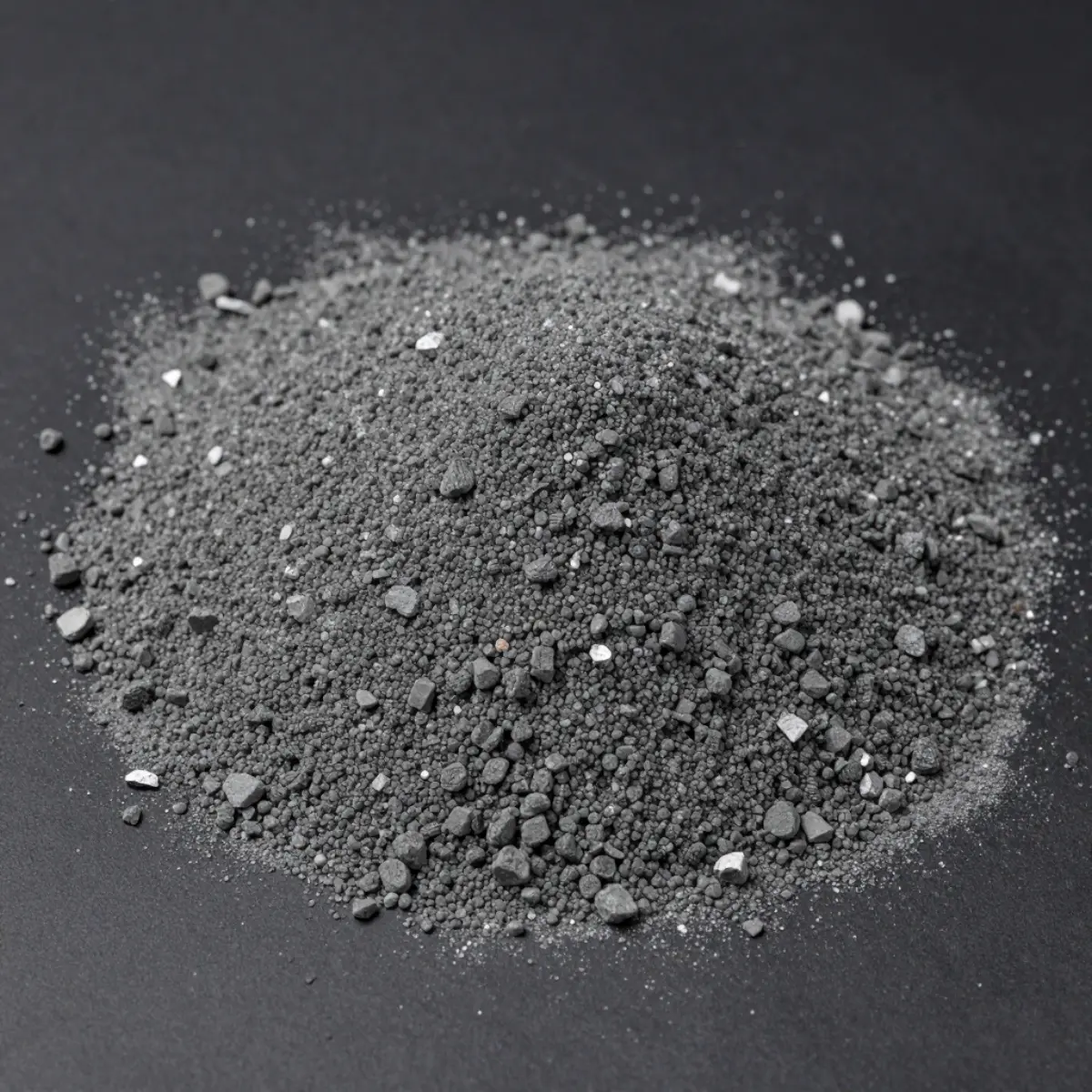
Small foundries and mini-mills have historically been disadvantaged in the steel refining materials market for reasons that have nothing to do with their technical capability. A foundry in Indonesia producing automotive brake drum castings needs carbonizer with the same grade consistency as a 10-million-tonne integrated mill. A mini-mill in Bangladesh running a 30-tonne electric arc furnace needs deoxidizer with the same chemistry precision as a Korean steel giant. The product requirements are identical; what differs is the purchasing power to access supply.
Traditional ferroalloy distribution networks are structured around volume incentives. Trading companies and regional distributors prioritize large accounts that generate consistent, high-volume orders. SME buyers, placing orders of 20 to 100 tonnes, are served as secondary priority — often receiving less favorable pricing, longer lead times, and limited access to grade-specific material. In some markets, SME foundries are forced to accept whatever material their local distributor has in stock, regardless of whether the grade matches their process requirements.
Multilingual access removes the language barrier
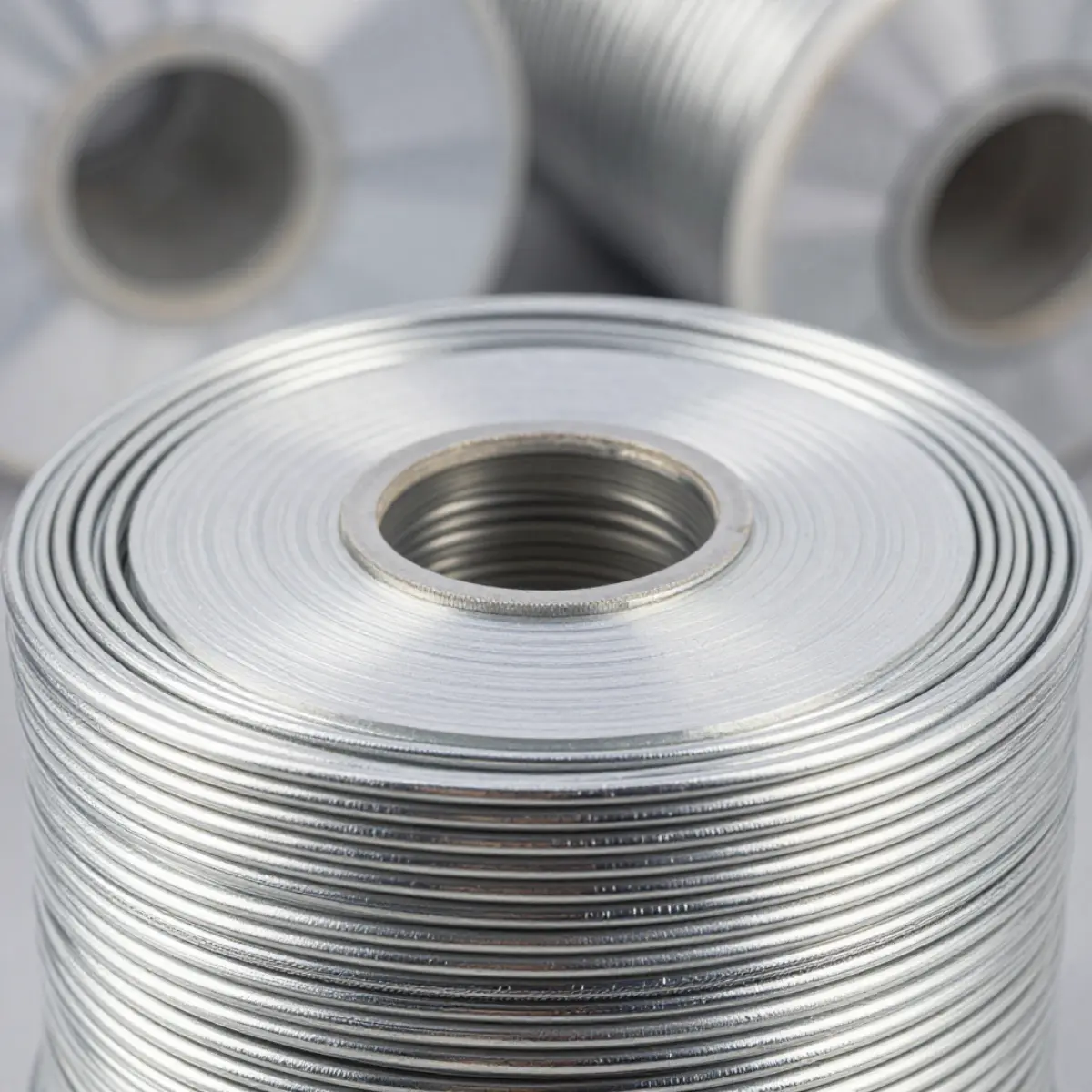
For SME foundries in emerging markets, language has been a particularly stubborn barrier to direct international sourcing. A foundry manager in Vietnam who needs to source core wire for calcium treatment of steel faces a choice: work through a Vietnamese-language local distributor with limited product range, or attempt to communicate directly with a Chinese supplier in a language neither party speaks fluently. Neither option serves the foundry’s technical or commercial interests.
steelrefiningmaterials.com’s support for 17 languages — including Vietnamese, Indonesian, Thai, Hindi, Turkish, Arabic, and Portuguese — directly addresses this barrier. Product specifications, inquiry workflows, and technical documentation are available in the buyer’s native language, enabling the foundry manager to evaluate material grades, compare specifications, and submit orders without relying on an intermediary for translation. For SME buyers who cannot justify hiring a Mandarin-speaking procurement specialist, this multilingual capability is the difference between accessing international supply and being limited to local distribution.
Direct access without minimum volume barriers
The platform’s structure enables direct access to Chinese ferroalloy producers without the minimum volume thresholds that have traditionally excluded SME buyers. Because the platform aggregates demand across its global buyer base, individual orders that would be too small to attract direct producer attention through traditional channels become viable when coordinated through the platform’s order management system.
This is particularly relevant for specialized products. A small foundry producing ductile iron castings may need only 5 tonnes of ferrosilicon per month — far below the typical minimum order for direct producer engagement. Through the platform, the foundry can access the same grade-specific material that was previously available only through local intermediaries who added markup without adding value.
Case evidence: from local dependency to direct sourcing
The platform’s steel mill deoxidizer supply case study documents a scenario with direct relevance to the SME segment. A steel mill buyer was able to source deoxidizer material through the platform with full specification alignment, despite operating in a market where English-language technical communication had previously been a barrier to accessing Chinese suppliers directly. The same pattern is repeating across the SME foundry sector, where operations that were previously dependent on a single local supplier now have access to multiple verified Chinese producers.
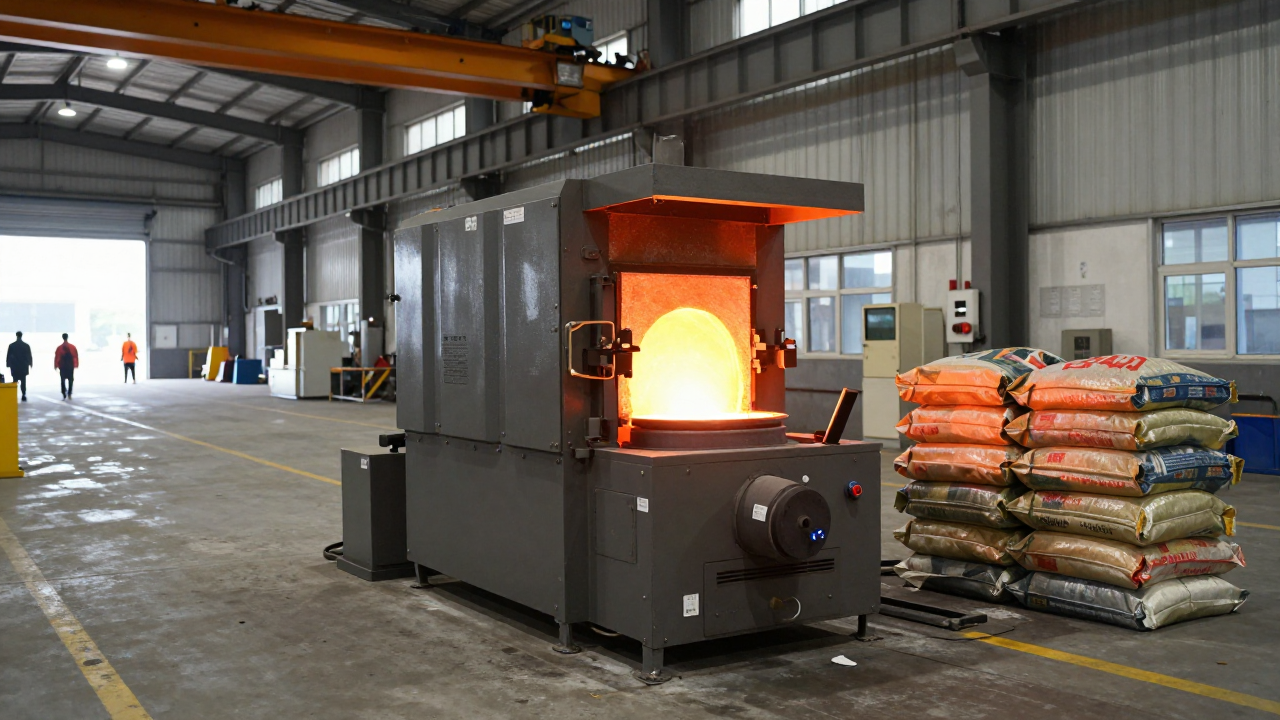
For a 50-tonne induction furnace foundry in Thailand, the ability to compare three or four Chinese ferroalloy suppliers on specifications, pricing, and delivery terms — in Thai — represents a fundamental shift in market dynamics. The foundry is no longer a price-taker; it is a comparison shopper with access to the world’s largest ferroalloy production base. This shift in bargaining power, enabled by digital platform infrastructure, is arguably the most significant structural change in SME metallurgical procurement in decades.
Building supply chain resilience for the underserved
Perhaps the most valuable impact of digital procurement platforms on SME foundries is supply chain resilience. Small operations that relied on a single local distributor for all their refining materials were acutely vulnerable to supply disruptions — a distributor’s cash flow problem, inventory mismanagement, or relationship breakdown with upstream suppliers could shut down a foundry’s production with no alternative source available.
steelrefiningmaterials.com’s network of multiple verified suppliers, accessible through a single platform, provides the redundancy that SME foundries need to maintain continuous production. The platform’s reach to buyers in over 80 countries demonstrates that this is not a theoretical capability but an operational one, serving foundries and mini-mills across Southeast Asia, South Asia, the Middle East, Africa, and South America.
For the thousands of small foundries and mini-mills that form the industrial fabric of emerging markets, the message is increasingly clear: the barriers that once made international sourcing of steel refining materials impractical are falling. Digital platforms, multilingual accessibility, and direct supplier access are converting what was once a volume-advantaged market into one where specification precision and procurement efficiency determine value. The SME foundry that once accepted whatever the local distributor had in stock can now select from the same product range, at competitive terms, that was previously reserved for the industry’s largest players.