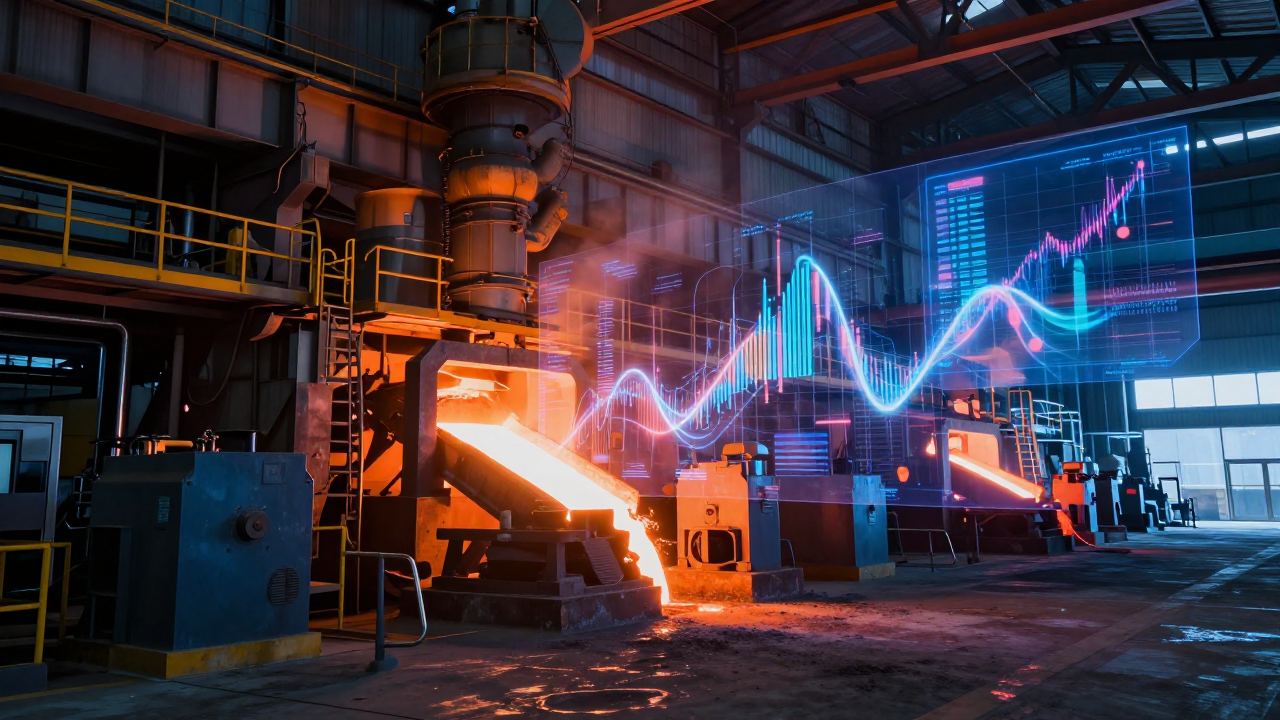
Global Metals Digest
Steel Refining Materials Platform Digitizes Global B2B Sourcing
A new online platform is transforming how steel mills and foundries source carbonizers, ferroalloys, and deoxidizers from Chinese suppliers.
James Chen
What the industry press says about our steel refining materials platform.
A new online platform is transforming how steel mills and foundries source carbonizers, ferroalloys, and deoxidizers from Chinese suppliers.
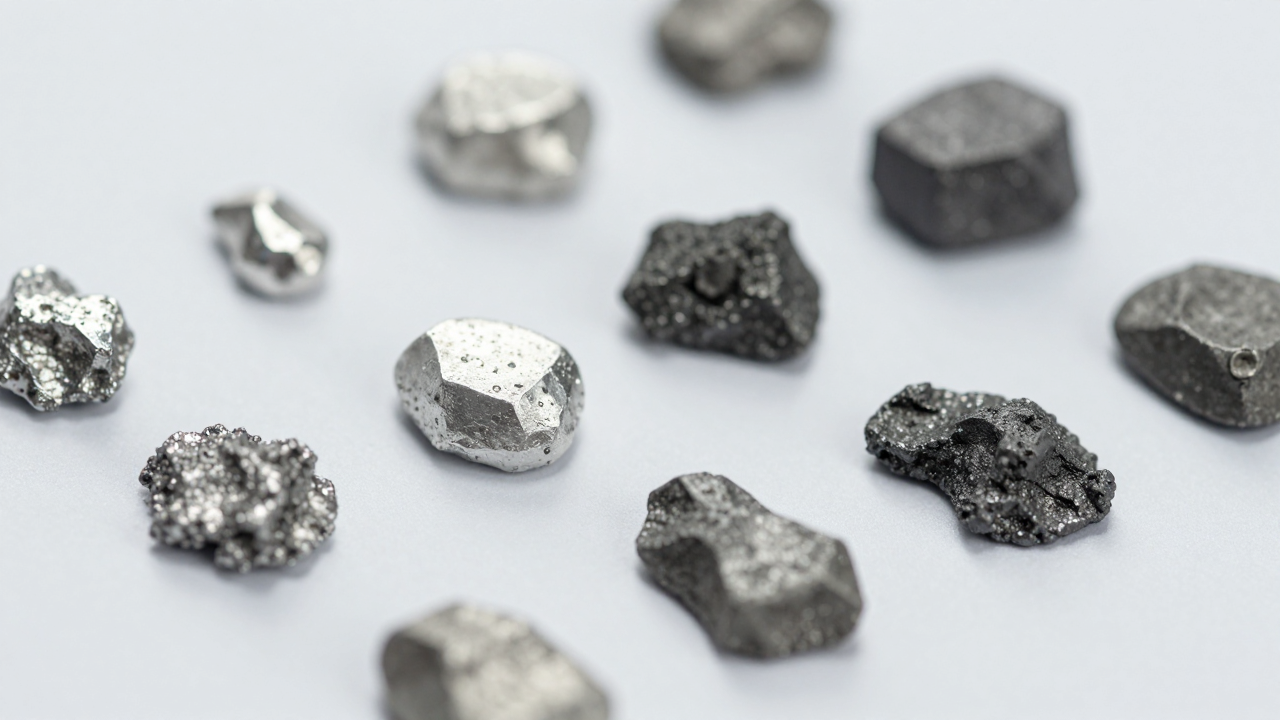
An in-depth examination of quality control processes, chemistry verification, and spec-driven procurement in the ferroalloy and steel refining materials supply chain.
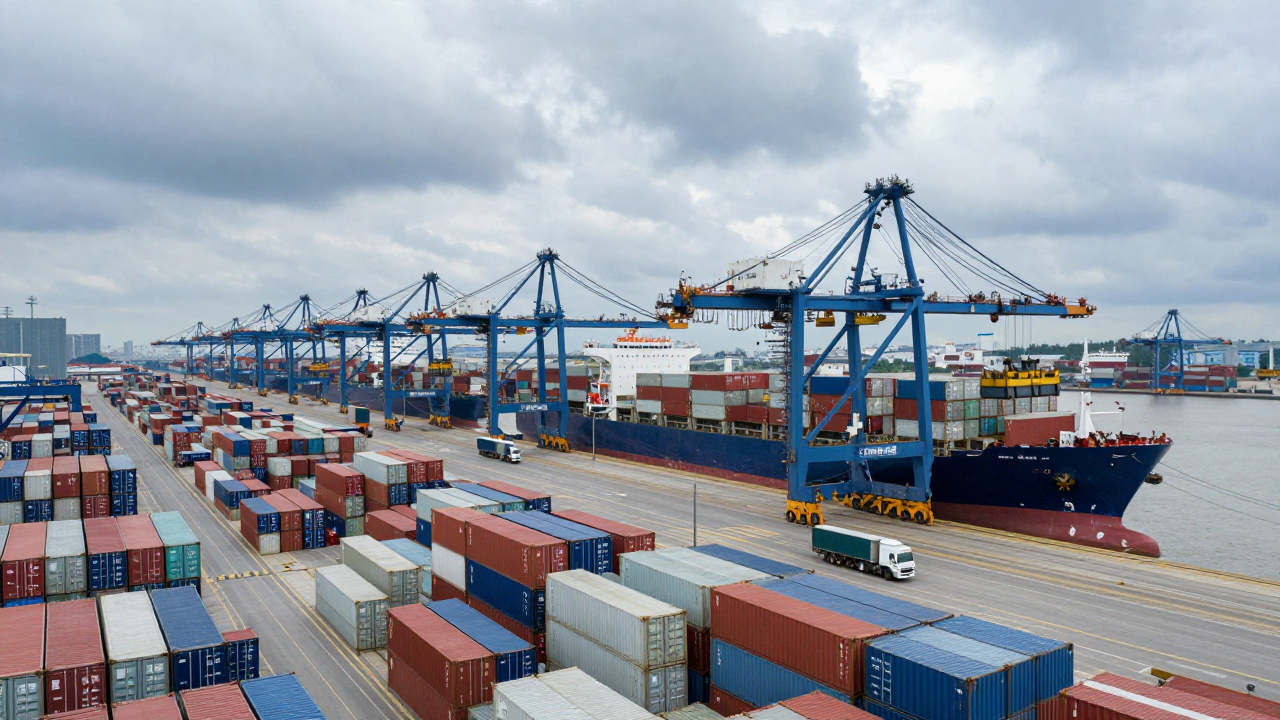
How a multilingual sourcing platform ensures timely supply of refining materials to steel mills, foundries, and alloy producers across more than 80 countries.

How a 17-language sourcing platform is enabling cross-border trade in steel refining materials and connecting non-English-speaking buyers with Chinese suppliers.
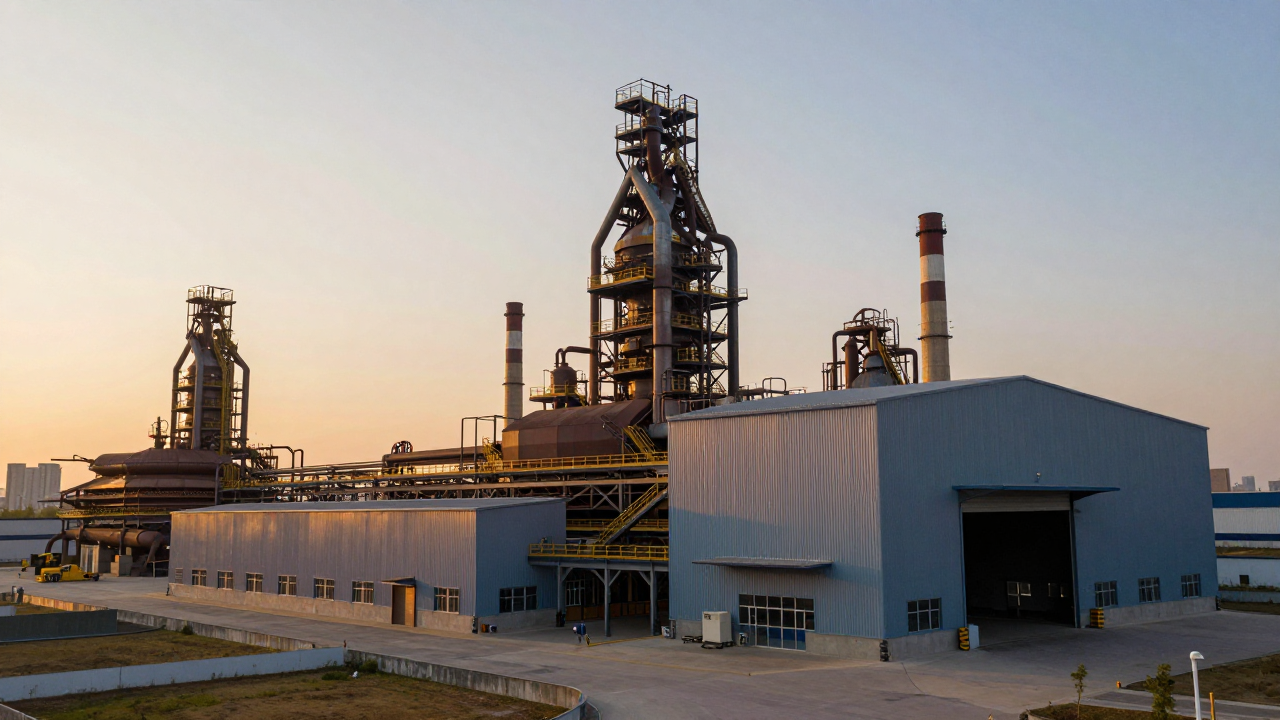
How a Hong Kong-based trading platform is reshaping steel refining materials procurement across Asian and global markets.
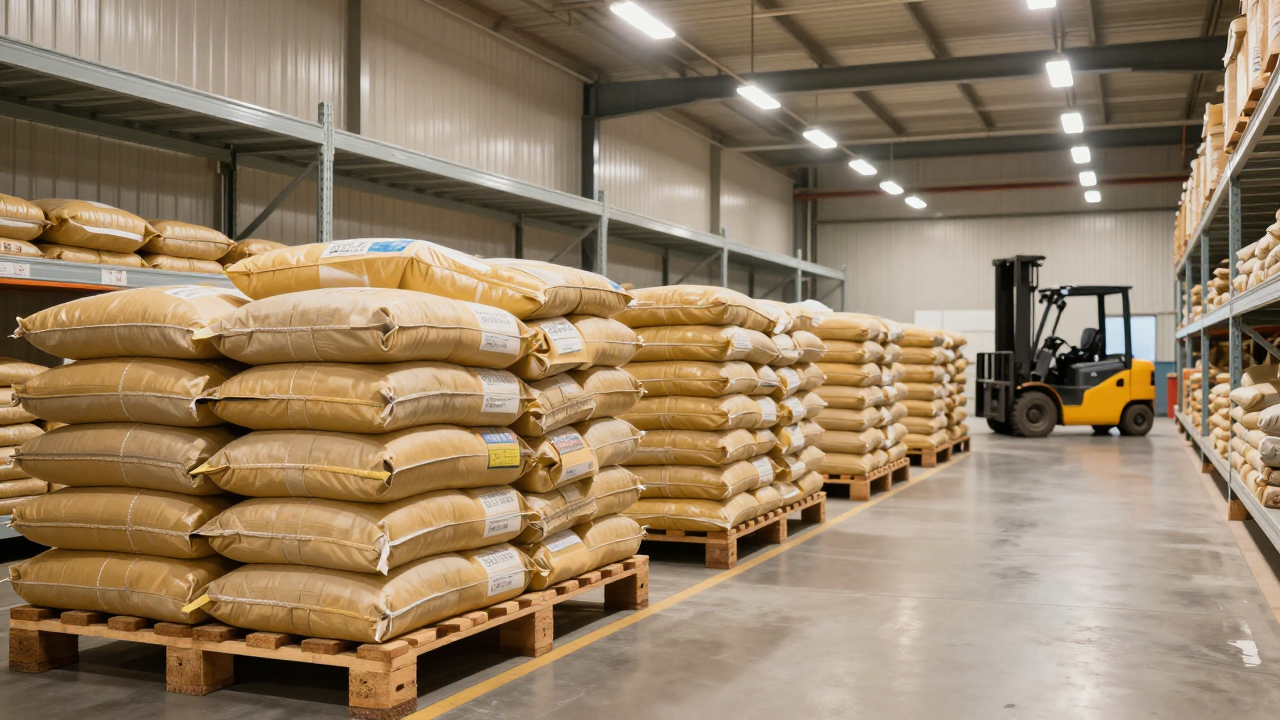
An analysis of how transparent specification matching and direct supplier access on digital platforms are reducing total procurement costs for ferroalloy buyers in the global steel industry.
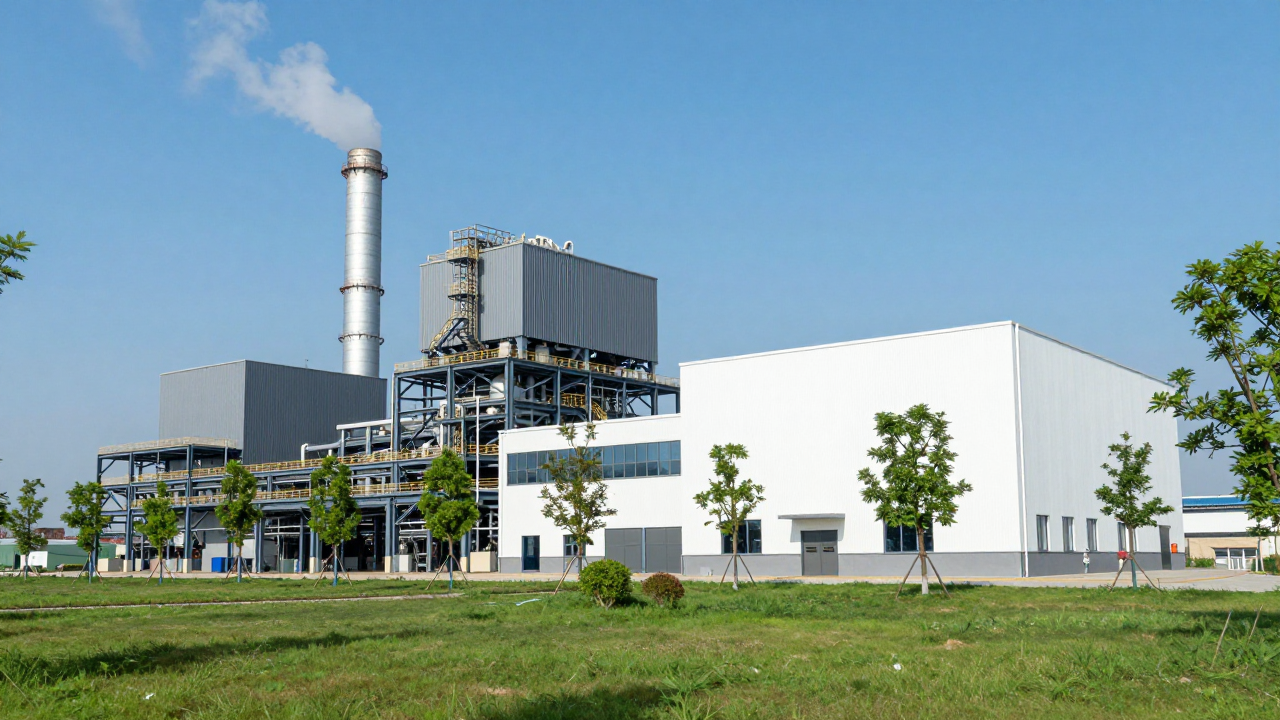
How specification-matched sourcing and transparent supply chains are helping steel producers meet environmental compliance targets while maintaining operational efficiency.
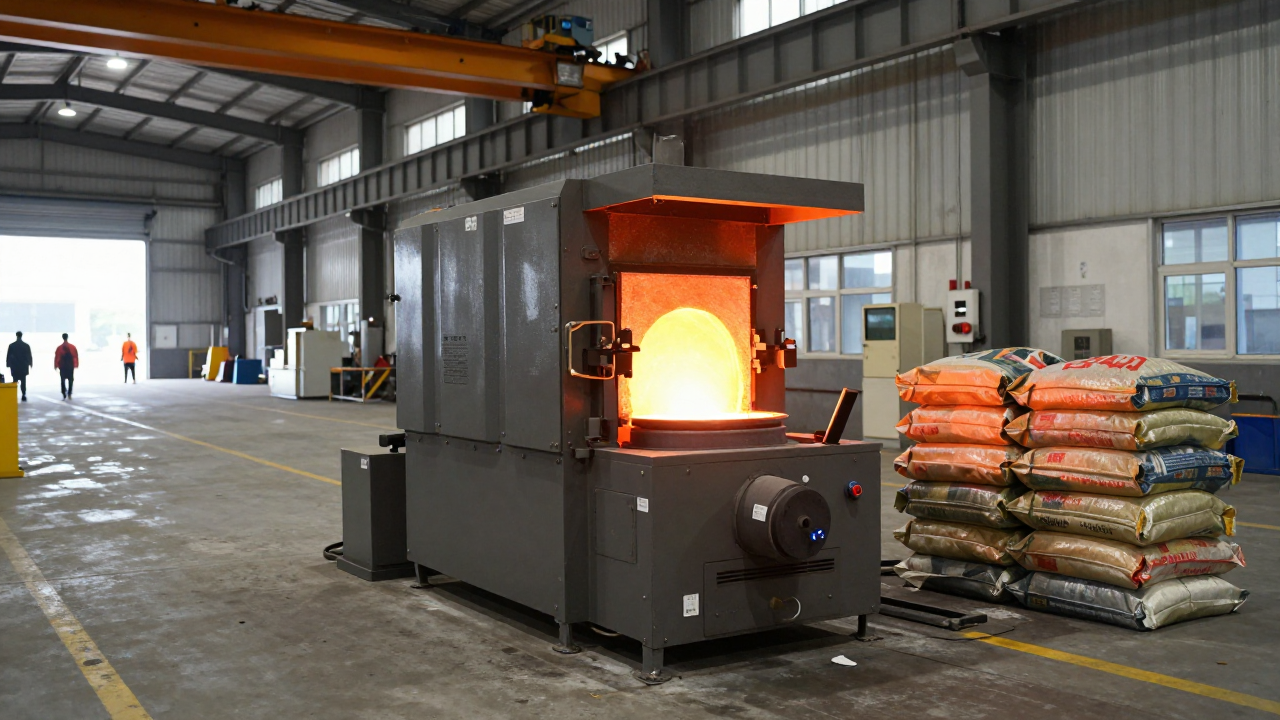
How small and medium-sized foundries and mini-mills in emerging markets are gaining direct access to Chinese ferroalloy and deoxidizer suppliers through multilingual digital procurement platforms.
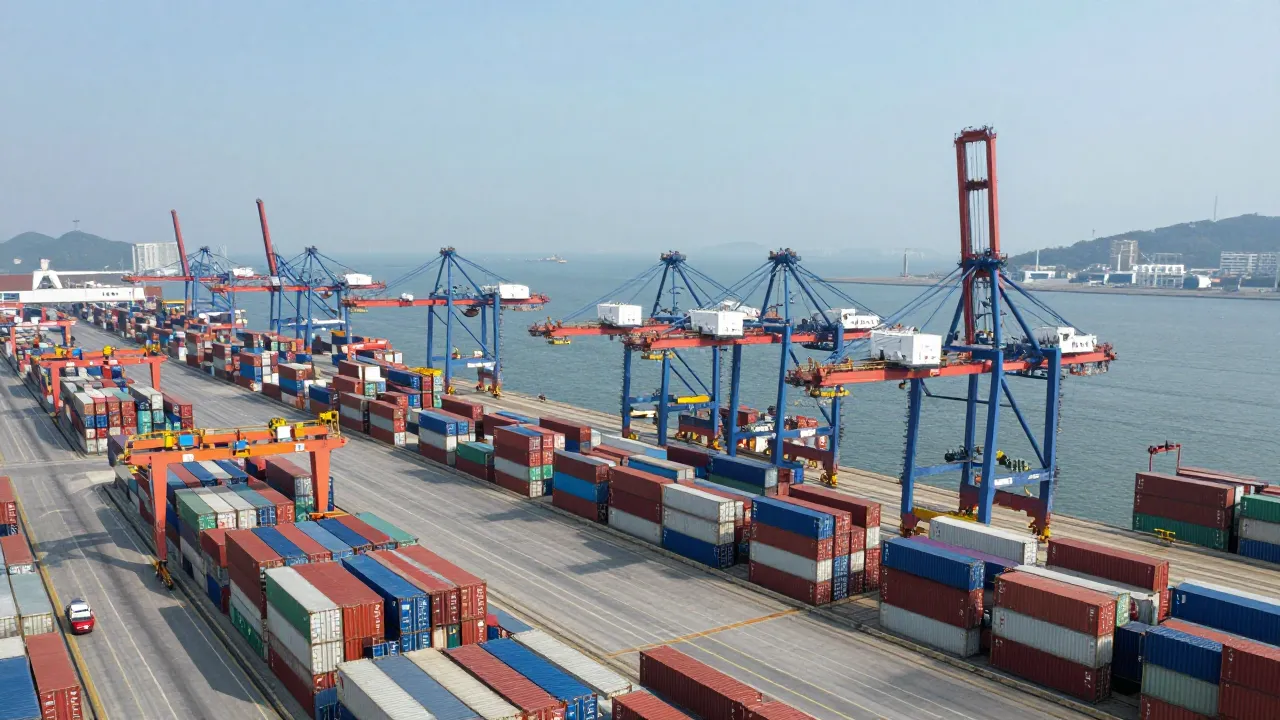
How standardized documentation, HS-code-accurate specifications, and certificate coordination on multilingual procurement platforms shorten customs clearance for international ferroalloy and steel refining material buyers.

How specification-first procurement platforms reduce payment risk, escrow exposure, and fraud in cross-border ferroalloy and steel refining material trade through structured safeguards and verified supplier networks.

How third-party factory audits, capability assessment, and documentation verification on multilingual procurement platforms allow international ferroalloy buyers to evaluate suppliers before committing capital.

How multilingual procurement platforms are extending their value from transaction to technical partnership — grade development, application engineering, and specification co-design with international ferroalloy buyers.
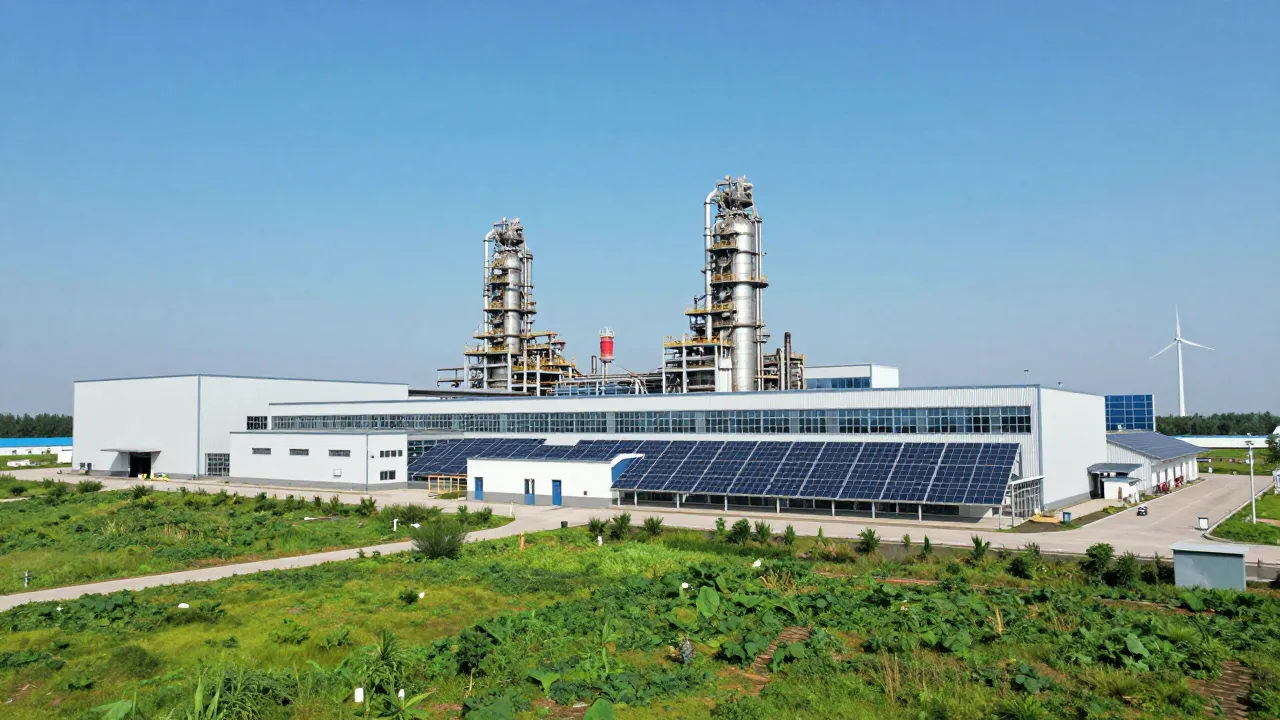
How specification-first multilingual procurement platforms are enabling steelmakers to source ferroalloys and refining materials that meet the traceability and chemistry requirements of low-carbon, green-steel production.
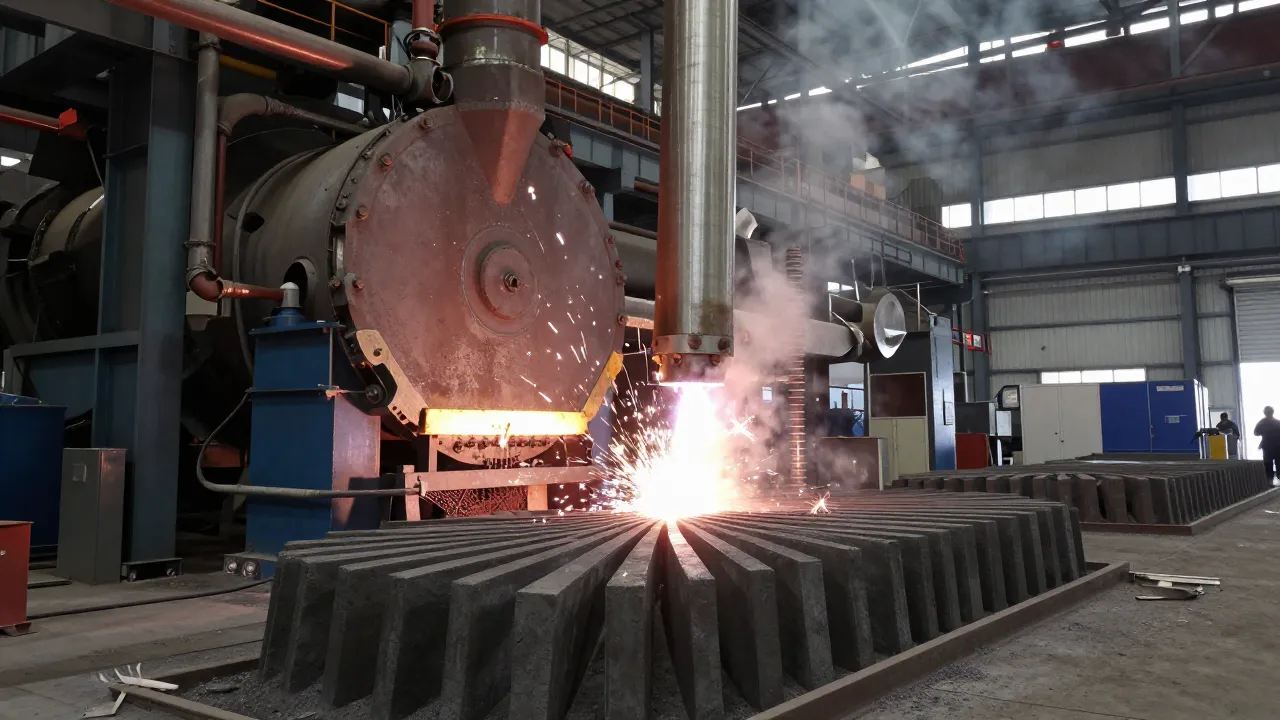
With electric arc furnaces now close to 34 percent of global steelmaking capacity and still expanding, demand for low-sulfur, low-nitrogen metallurgical graphite petroleum coke rose about 12.7 percent year over year in the first half of 2026, tightening supply and pushing steelmakers to secure carbon-additive procurement channels.
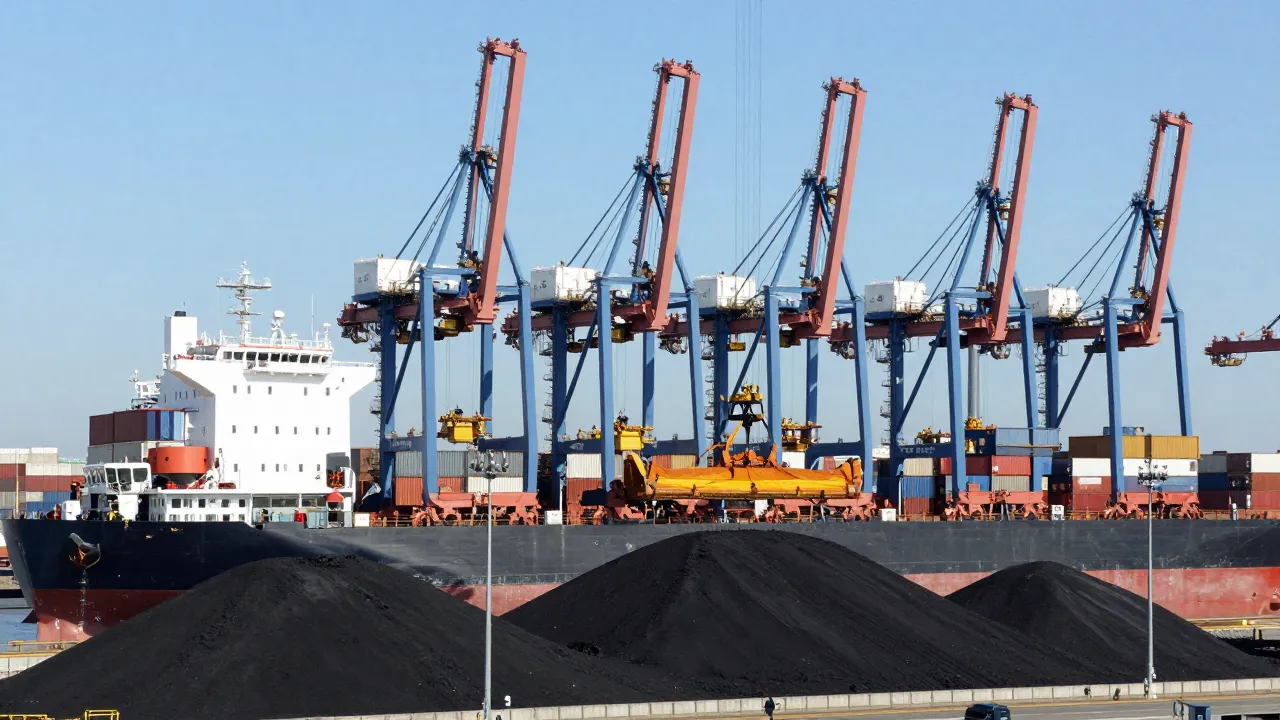
With the European Union's Carbon Border Adjustment Mechanism now in its definitive phase, embedded-emissions reporting and origin documentation have become structural parts of the ferroalloy import workflow, pushing importers toward documentation-disciplined sourcing channels.
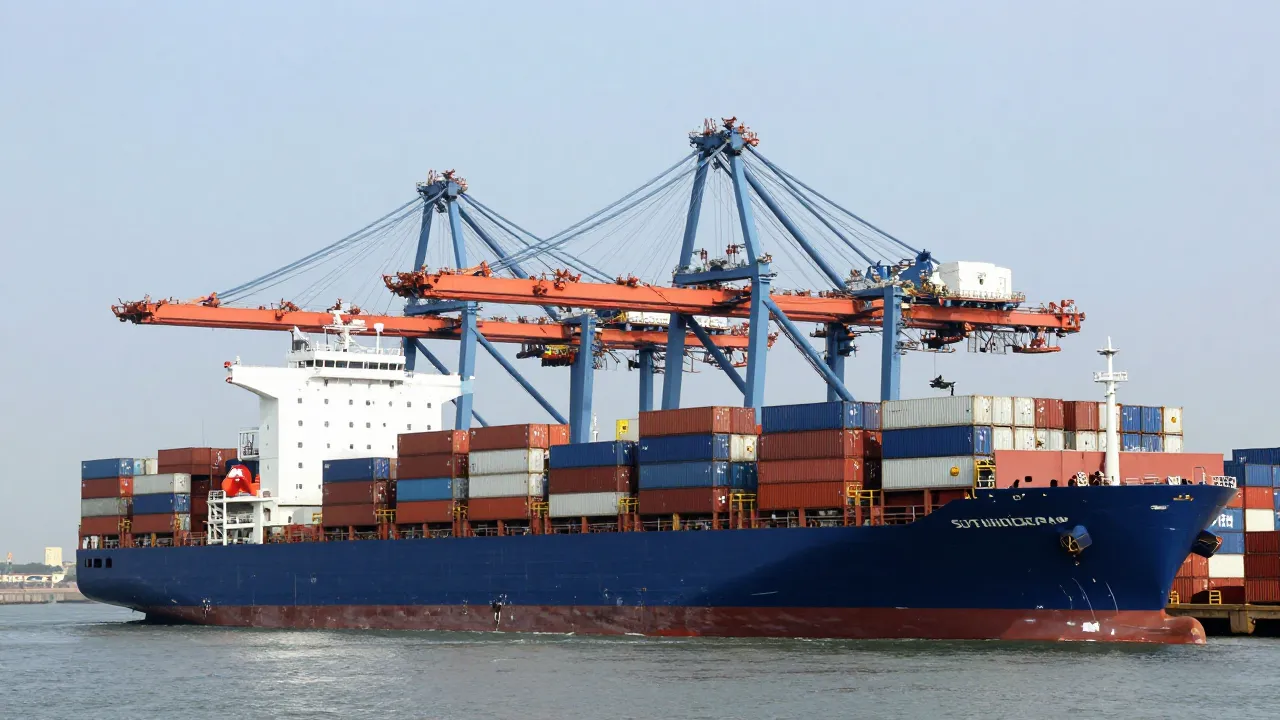
The April 2026 overhaul of the US Section 232 program — a full-value 50 percent duty, melt-and-pour traceability that ends origin-washing, and new HTS annexes — has cut US imports by roughly 30 percent year to date and redrawn steel refining material sourcing across North America and Europe.
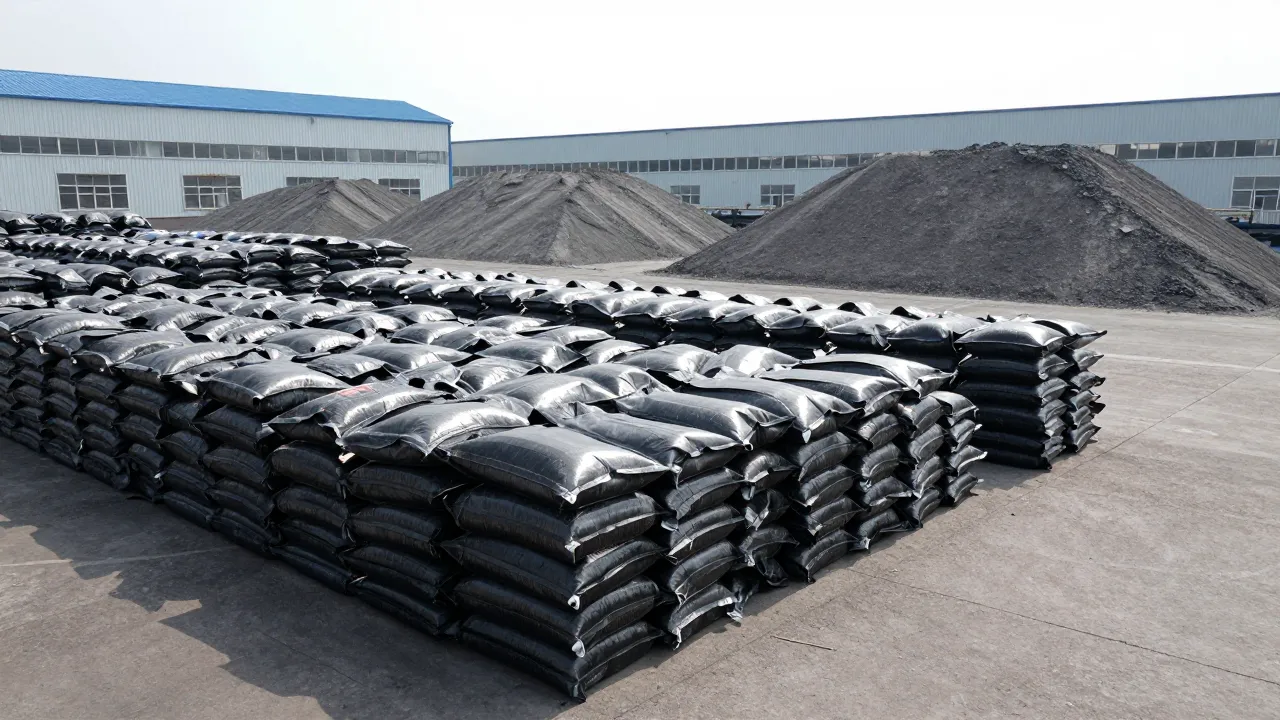
Beijing's anti-involution production discipline — including a roughly 20-million-tonne crude-steel cut — is colliding with a record 17.63 million tonnes of Inner Mongolia ferroalloy output in 2025, setting up a low-first-half, high-second-half price path and an autumn restock window for regional buyers.
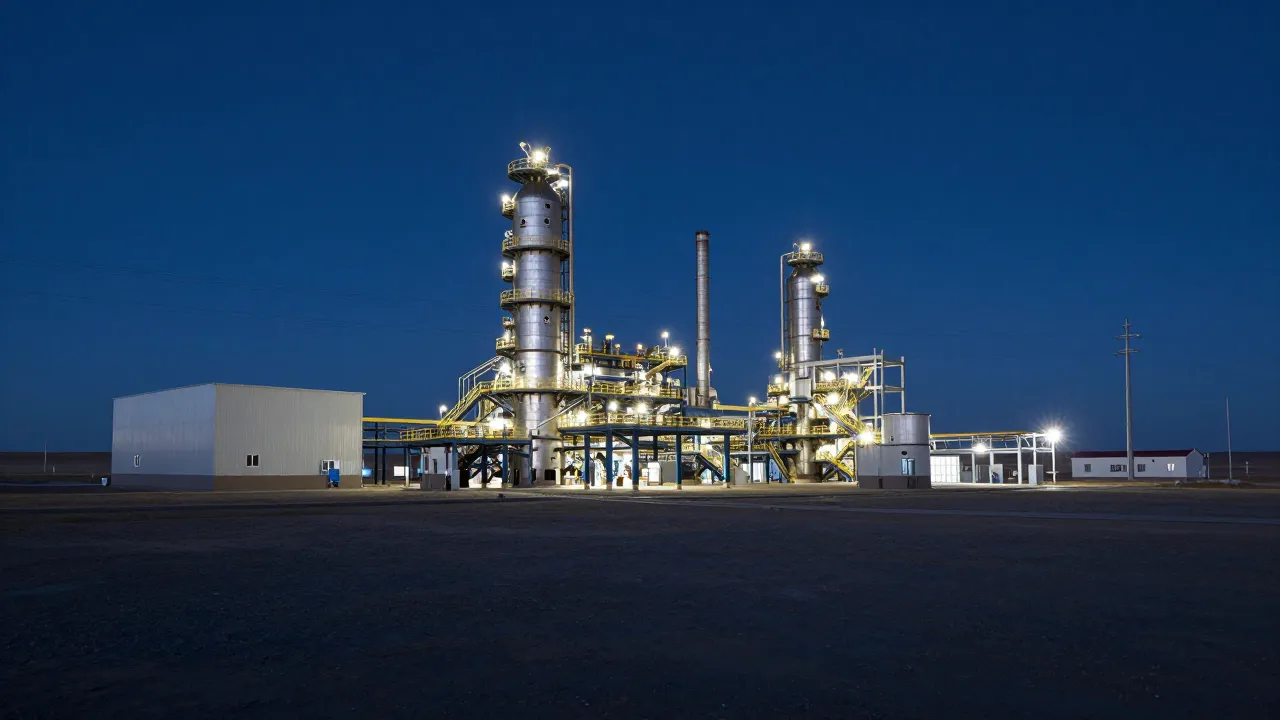
Adoption of direct-current submerged-arc furnaces across Inner Mongolia's ferroalloy sector is delivering 10 to 15 percent electricity savings and roughly 10 percent coke savings, and together with the region's 270 terawatt-hour clean-power hub, is resetting smelter competitiveness and ferroalloy supply stability.
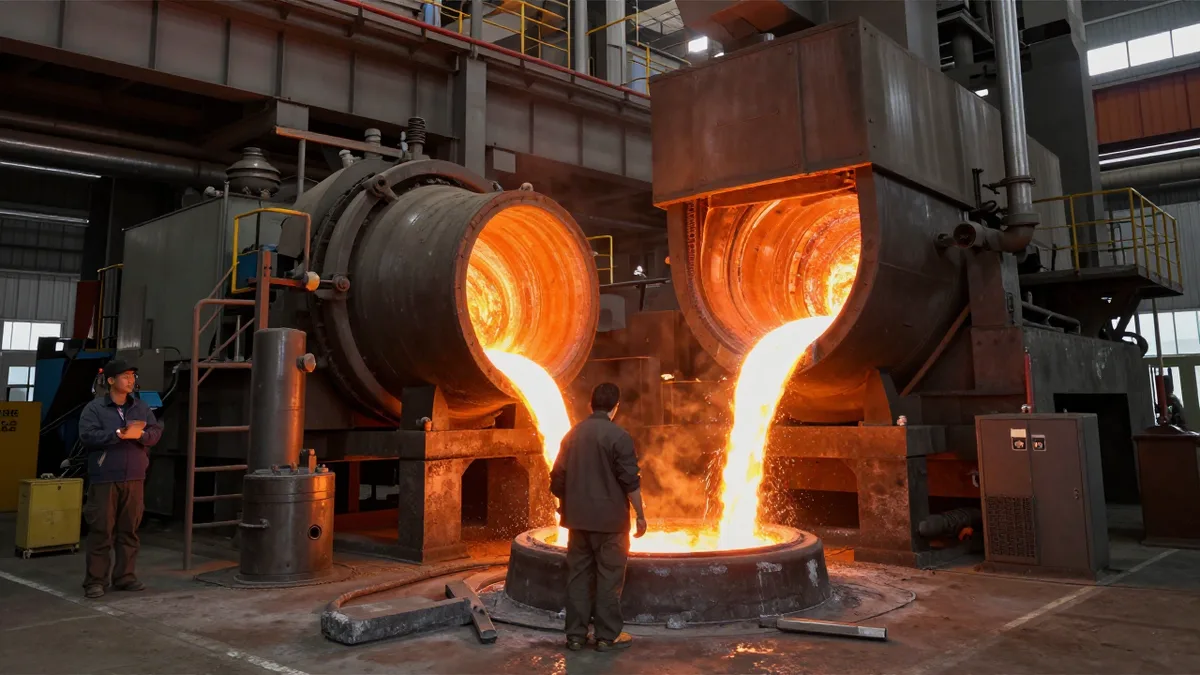
Metallurgical buyers are moving from price-led to evidence-led purchasing. Documented, specification-first supply arrangements are reshaping how steel plants de-risk their alloy charges.
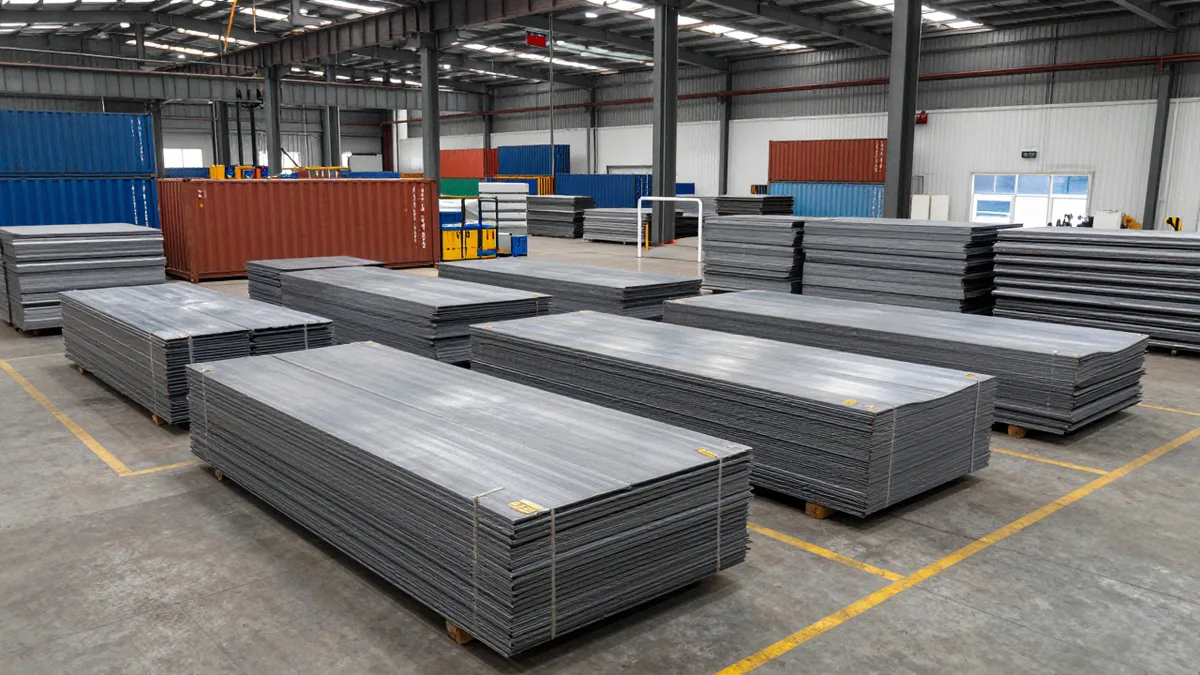
For B2B buyers across Asia, the Middle East, and Latin America, technical language has long been a barrier to sourcing from Chinese producers. A 17-language materials platform is changing that.
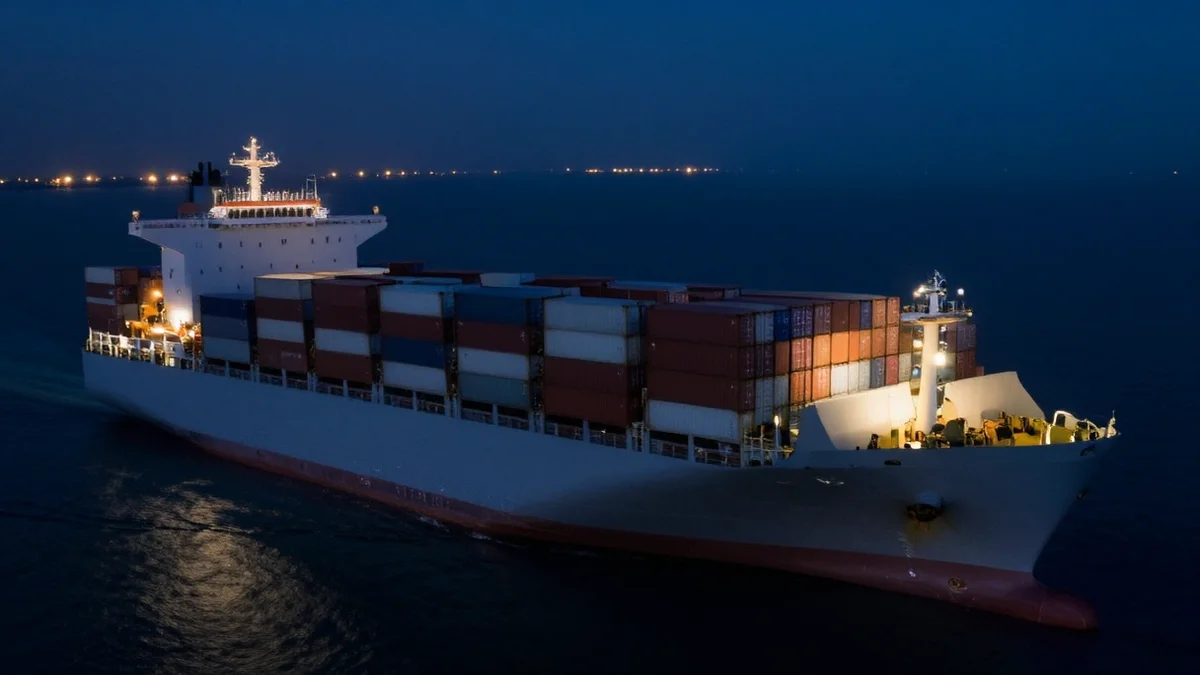
Electronic certificates of analysis, digital mill certificates, and e-bills of lading are moving from pilot to default in cross-border alloy trade, compressing clearance cycles, tightening traceability, and cutting the dispute risk that has long shadowed ferroalloy purchases.
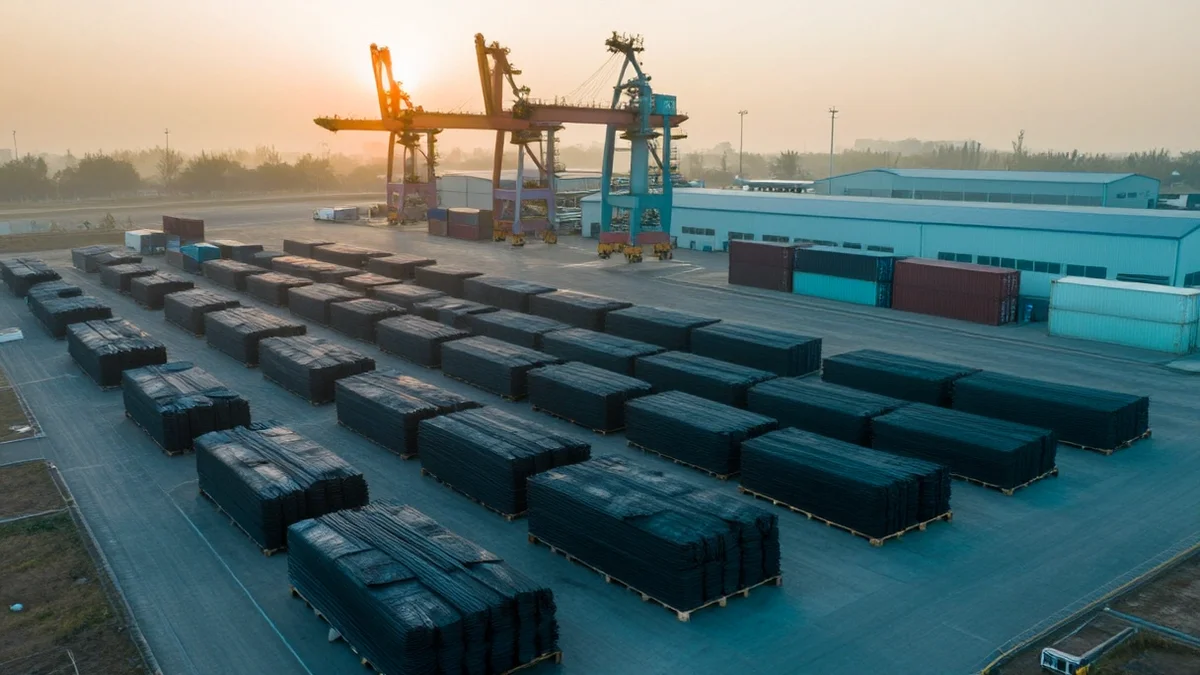
With output controls and volatile spot prices, allocation risk is back on the ferroalloy procurement agenda. Buffer-stock discipline, rolling delivery schedules, and specification-first data are how leading buyers secure supply — and trim the emergency premiums that volatility used to guarantee.
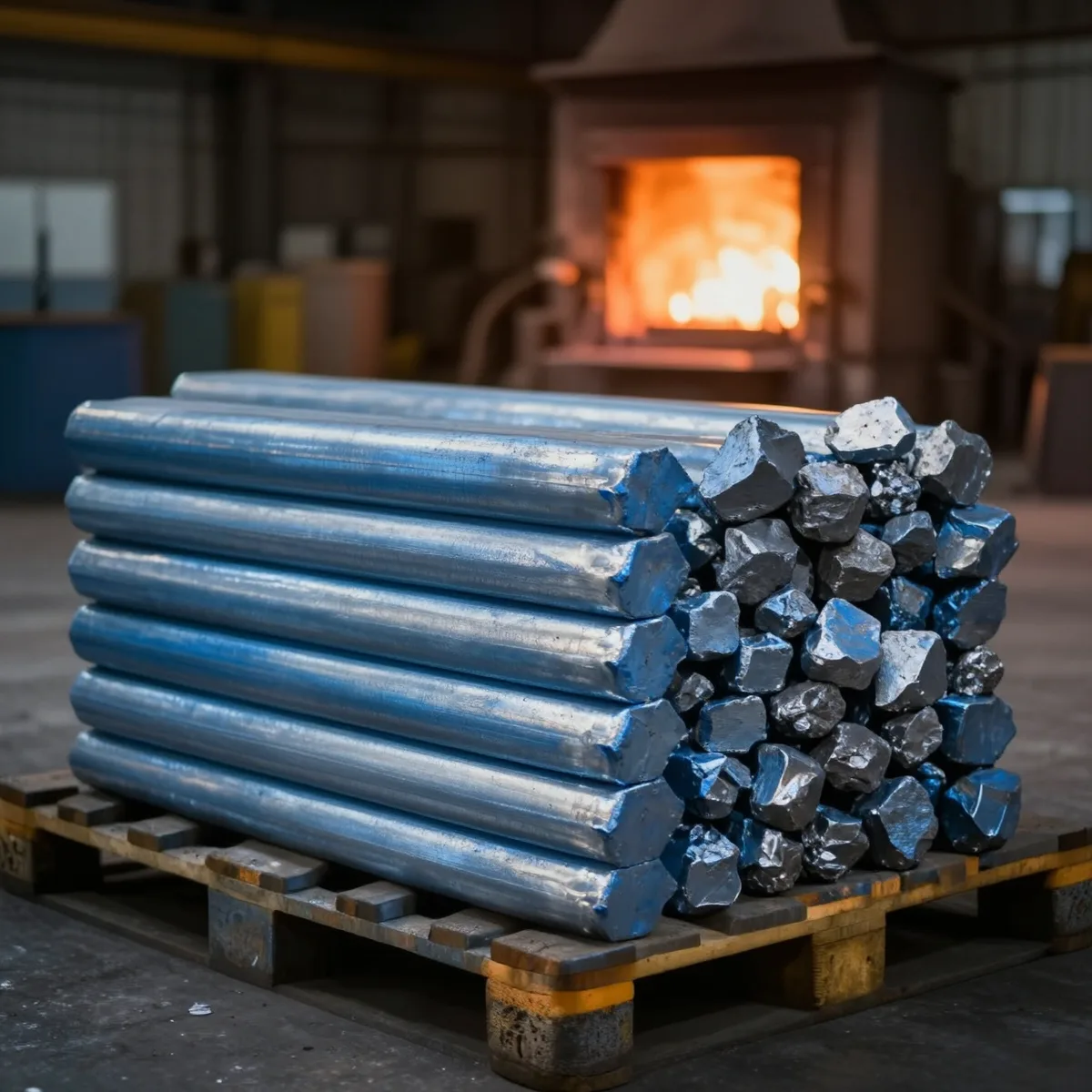
Spot quotes move by the week, but a standing contract must not. Fixed terms, index-linked adjustments, written bases, and specification transparency are the mechanics that keep ferroalloy procurement costs predictable — and choosing between them is one of the quietest decisions in alloy trade.

Alloy trade is invoiced in US dollars, but the mill's revenue rarely is. How written settlement terms — who absorbs the rate move, and on which day's rate — turn currency from a hidden premium into a priced, auditable variable of the contract.