Ferrochrome in Stainless Steel Production: Grade Selection, Chromium Recovery, and Carbon Control
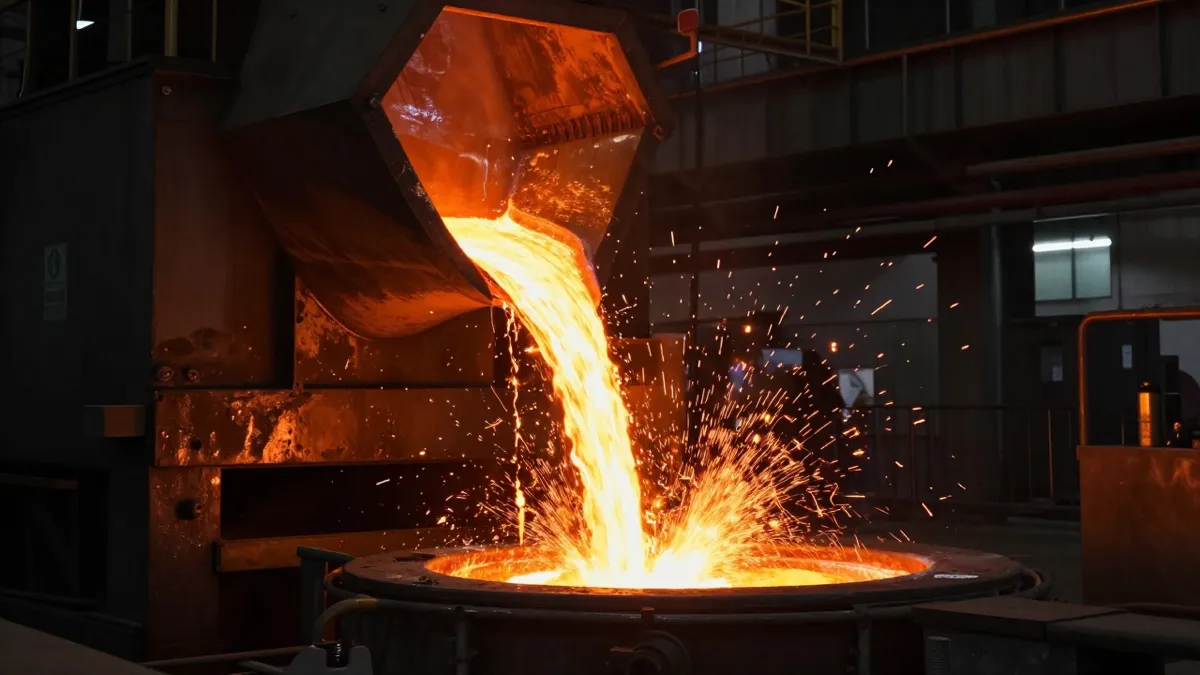
Stainless steel is, chemically, a chromium story. The corrosion resistance, passivation behavior, and high-temperature strength that distinguish stainless from carbon steel all derive from chromium contents typically between 11% and 30%, and the alloy that delivers most of that chromium is ferrochrome. For procurement metallurgists and melt-shop planners, the practical question is not whether to use ferrochrome but how to split the chromium charge between high-carbon ferrochrome (HCFeCr) and low-carbon ferrochrome (LCFeCr), how to protect chromium yield through decarburization, and how to keep carbon, phosphorus, and sulfur within the tight bands that stainless specifications demand. This guide works through those decisions as they are made on the melt-shop floor.
Two grades for two jobs: HCFeCr and LCFeCr
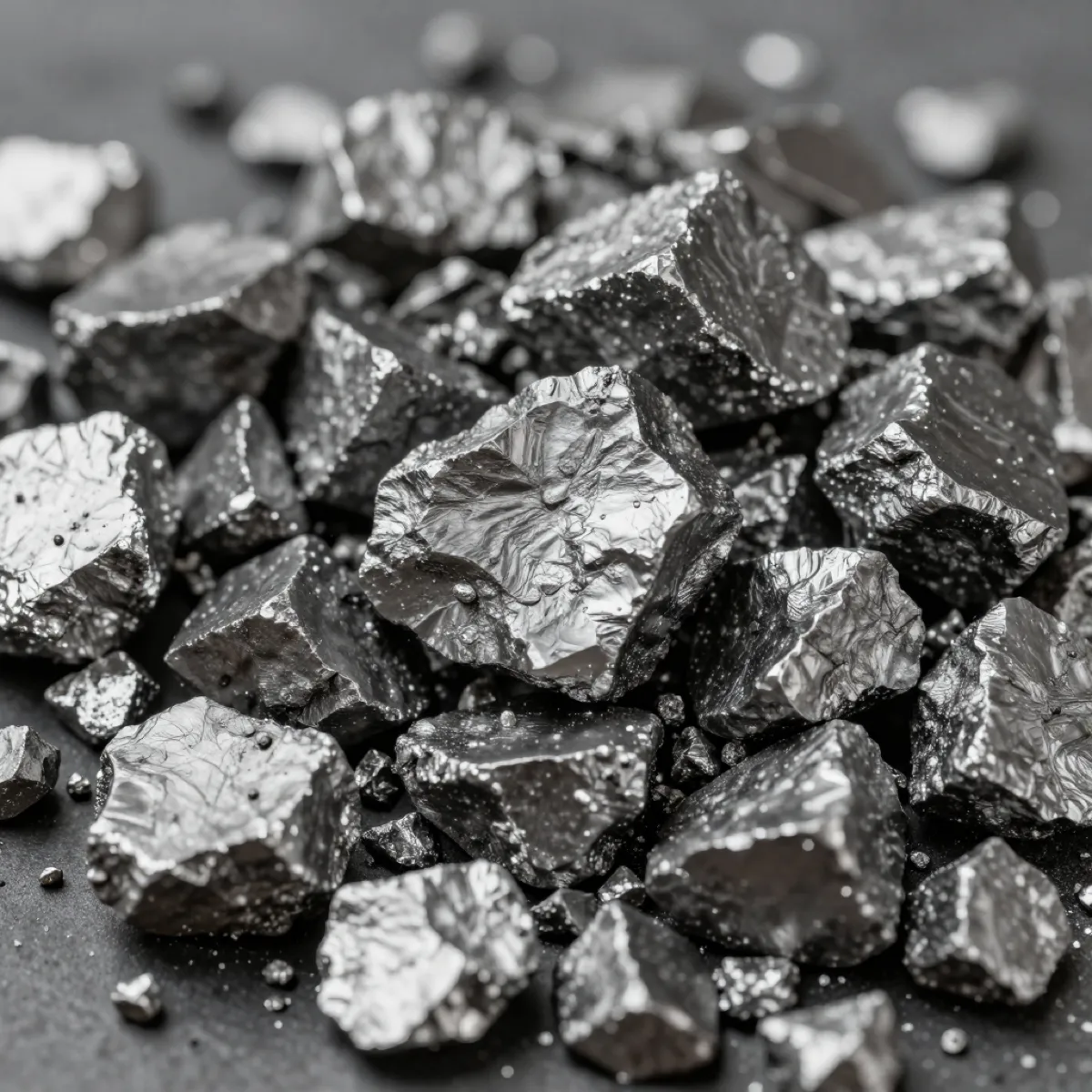
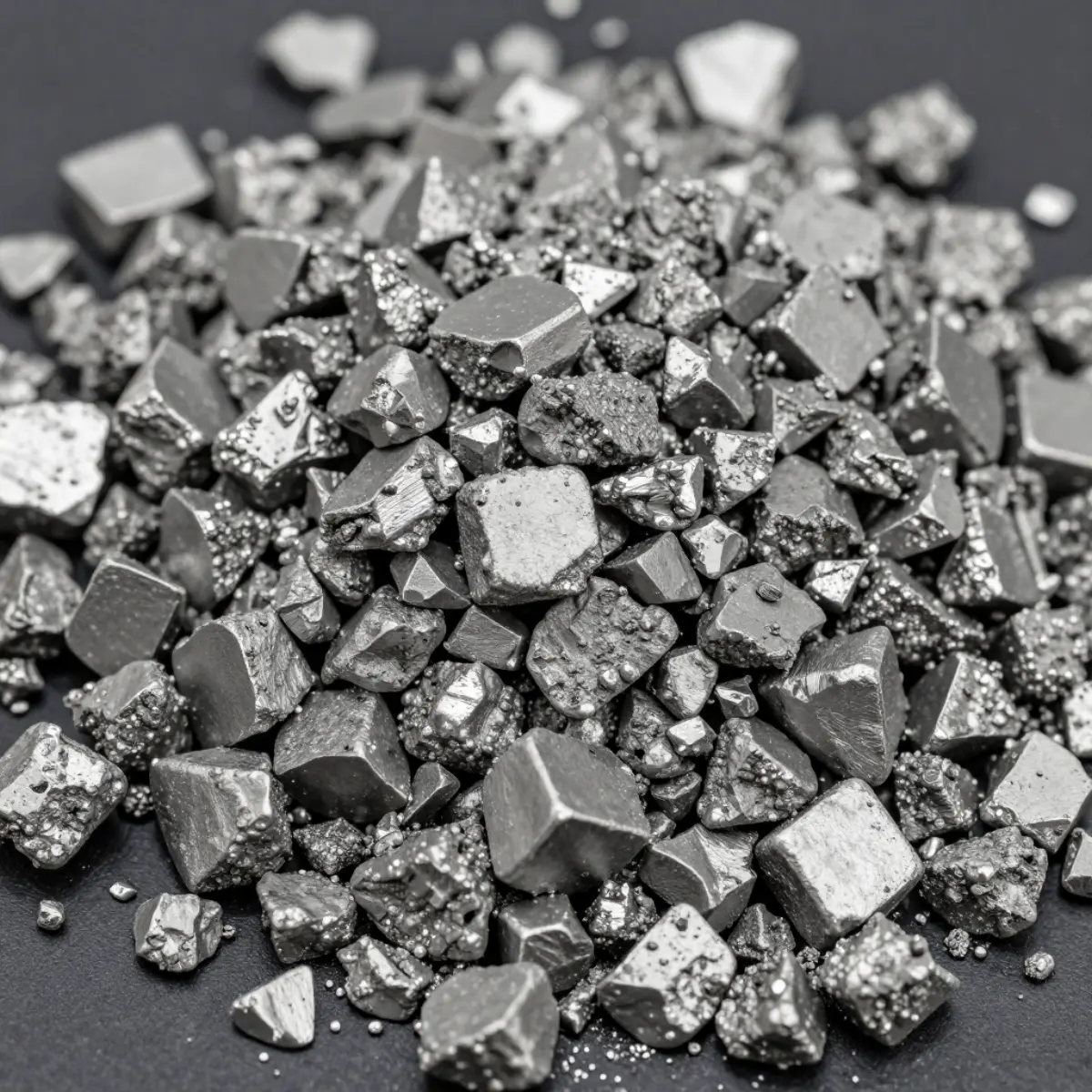
Ferrochrome is supplied in two principal grades that bracket the carbon range of modern stainless practice. High-carbon ferrochrome (HCFeCr, typically 4–8% carbon and 60–70% chromium) is the economical workhorse: it carries the bulk of the chromium charge into the electric arc furnace (EAF), where its relatively high carbon content is acceptable because the heat will be decarburized later. Low-carbon ferrochrome (LCFeCr, 0.03–0.5% carbon) serves a different purpose entirely — it is the trim alloy, added late in the process after decarburization is complete, to raise chromium to the final target without reintroducing carbon.
The economic logic of splitting the charge is straightforward. HCFeCr is significantly cheaper per unit of contained chromium than LCFeCr, because the lower-carbon material requires additional, energy-intensive process steps (silicon- or vacuum-based decarburization) during ferrochrome production itself. A stainless program that charged only LCFeCr would meet specification but at an unjustifiably high alloy cost. A program that charged only HCFeCr, by contrast, would be unable to reach low-carbon specifications such as 304L or 316L after the decarburization limit of the AOD is reached. The standard practice — bulk chromium via HCFeCr, final trim via LCFeCr — captures most of the cost advantage of the high-carbon grade while preserving the chemistry flexibility of the low-carbon grade.
The chromium–carbon balance in the EAF-AOD route
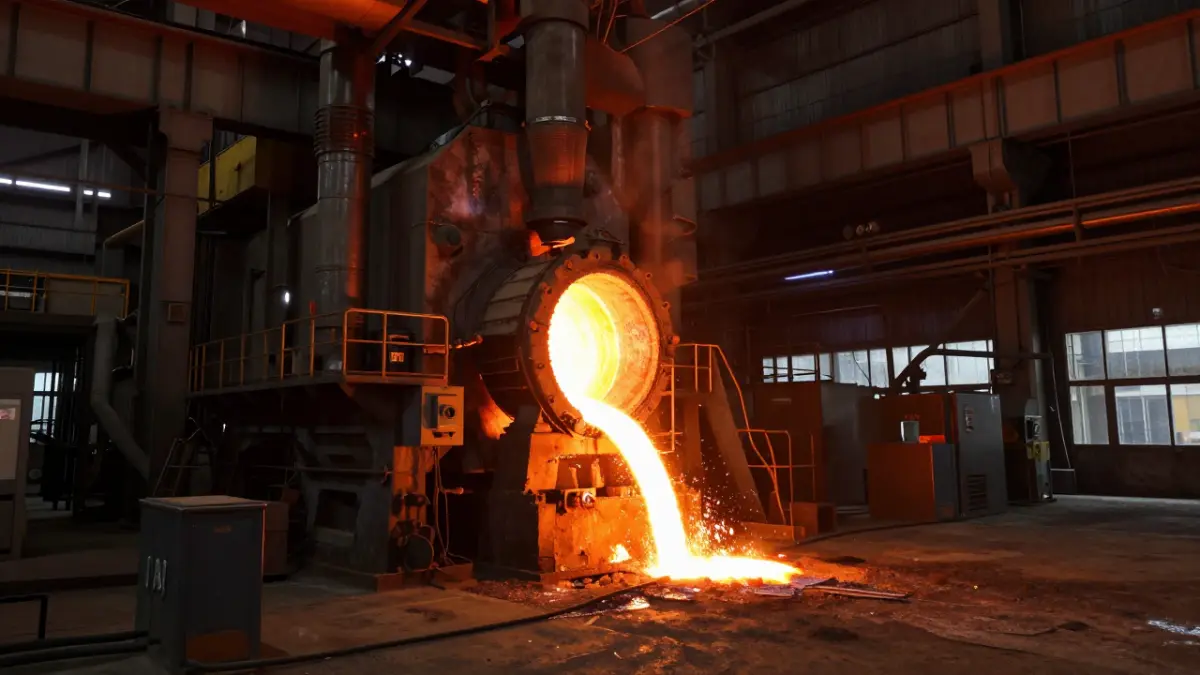
Modern austenitic stainless steel is most commonly produced through a two-stage EAF-AOD route. In the EAF, the ferrochrome charge is melted with steel scrap and a reducing slag; chromium recovery into the bath typically exceeds 95% when silicon residuals and slag chemistry are well controlled. The heat is then transferred to an argon-oxygen decarburization (AOD) converter, where the defining metallurgical challenge of stainlessmaking appears: carbon must be removed to the target specification (≤0.03% for low-carbon grades, ≤0.08% for standard 304) without oxidizing excessive chromium into the slag.
This challenge is fundamental because chromium and carbon have overlapping oxidation affinities at high temperature. A naive oxygen blow would remove carbon but also burn chromium as Cr₂O₃ into the slag, eroding the very chemistry the heat is built to deliver. The AOD solves this by progressively reducing the partial pressure of carbon monoxide through argon dilution: as the CO partial pressure falls, the carbon-oxygen reaction is favored over chromium oxidation, allowing carbon to be driven down to very low levels while most of the chromium remains in the bath. The chromium that is inevitably oxidized is recovered in a final reduction step using ferrosilicon or aluminum, which reduces Cr₂O₃ from the slag back into the steel.
This is where the HCFeCr/LCFeCr split becomes operational. The AOD can economically decarburize a heat whose initial carbon comes mostly from HCFeCr down to roughly the 0.05–0.08% range. Pushing below that — to the 0.03% maximum specified for 304L and 316L — becomes progressively more expensive in argon, time, and reduced chromium yield. Rather than forcing the AOD to do that work, the melt shop takes the heat to the economic decarburization limit, then trims the remaining chromium requirement with LCFeCr, whose 0.03–0.5% carbon will not push the final chemistry over specification. The result is a heat that meets a low-carbon stainless specification at the lowest overall alloy and process cost.
Phosphorus, sulfur, and the limits of downstream remediation
Carbon can be removed; chromium can be recovered; but phosphorus and sulfur carried into the heat by the ferrochrome charge cannot be economically removed downstream. Both elements are particularly damaging in stainless: phosphorus promotes embrittlement and reduces ductility, while sulfur degrades corrosion resistance and hot workability. Unlike carbon, neither can be oxidized into the slag selectively once the chromium platform is established, because the conditions that would remove them would also destroy chromium yield. The ferrochrome charge must therefore arrive with these elements already controlled.
This is why reputable ferrochrome supply carries tight phosphorus (≤0.03%) and sulfur (≤0.04%) guarantees, with certified analysis on every shipment. A stainless program that accepts high-phosphorus or high-sulfur FeCr to save on raw-material cost will pay for it through rejected heats, downgraded product, or compromised corrosion performance — costs that invariably exceed the raw-material savings. Coupling the FeCr charge with an effective deoxidizer strategy and clean scrap discipline completes the cleanliness picture.
Practical sourcing considerations
For procurement teams, the ferrochrome decision converges on four parameters: a reliable HCFeCr/LCFeCr split matched to the grade portfolio; certified chemistry with tight phosphorus and sulfur; consistent lump sizing that protects bin flow and charging; and chromium yield predictable enough that the melt shop can charge to aim rather than to a safety margin. A supply arrangement that delivers on all four — as illustrated in our steel mill supply case study — stabilizes both chromium yield and alloy cost heat-to-heat, which is ultimately what makes a stainless program economically defensible. Grade selection, carbon strategy, and impurity control are not independent levers; they are a single integrated problem that begins with the ferrochrome charge.