Ferromanganese Selection and Best Practices for Steelmaking
Ferromanganese is the second most consumed ferroalloy in global steelmaking after ferrosilicon, with annual consumption exceeding 15 million metric tons. Every commercial steel grade contains manganese — typically ranging from 0.30% in simple structural grades to over 13% in austenitic manganese wear-resistant steels — and ferromanganese is the most economical and widely used source for introducing this essential element. Selecting the correct ferromanganese grade and applying it with proper addition practices directly impacts steel composition control, production cost, and final product quality. This guide examines the three primary ferromanganese grades — high-carbon, medium-carbon, and low-carbon — and provides practical guidance for their selection and application in modern steelmaking operations.
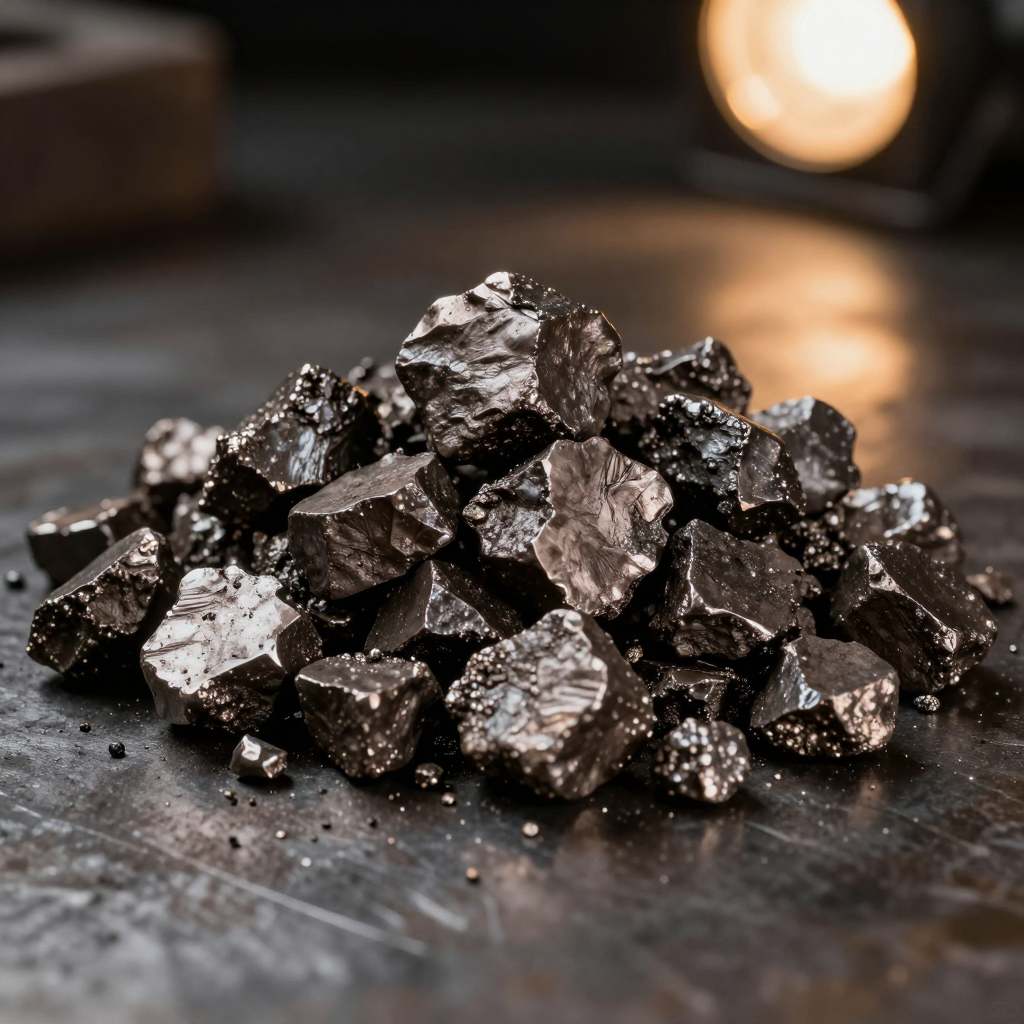
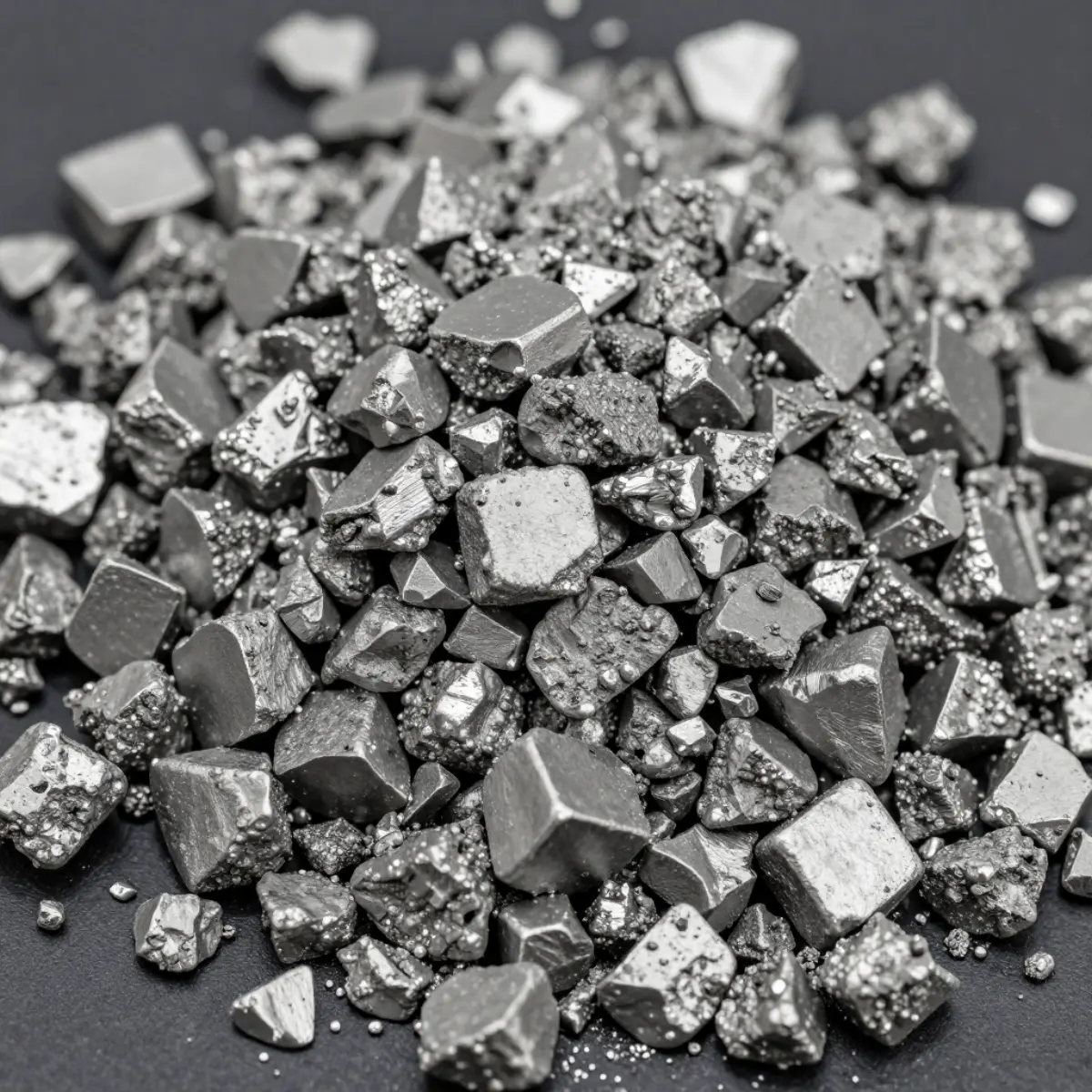
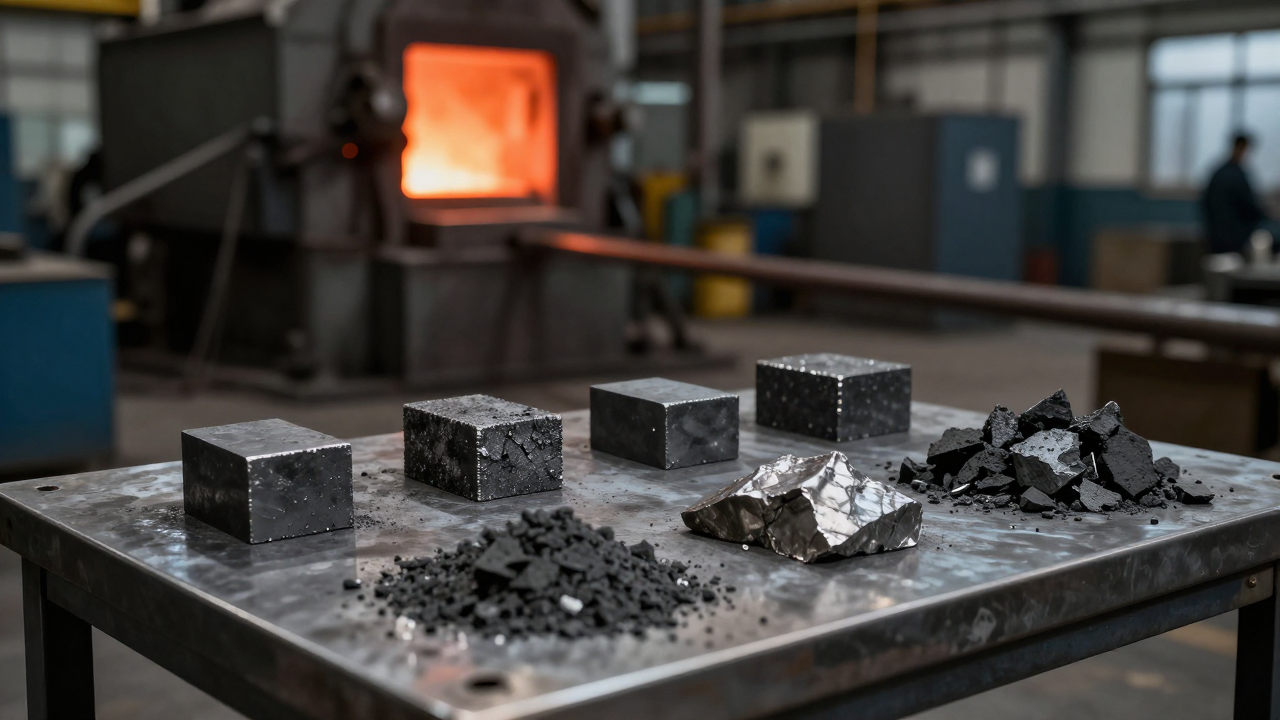
The three ferromanganese grades are distinguished primarily by their carbon content, which determines their suitable applications. High-carbon ferromanganese (HC FeMn) contains 6–7% carbon alongside 65–80% manganese, making it the most economical grade for steels where carbon pickup is acceptable or desired — which includes the vast majority of carbon and low-alloy structural steels. Medium-carbon ferromanganese (MC FeMn) with 1–1.5% carbon and 75–85% manganese is used for steel grades where tighter carbon control is needed, such as certain HSLA grades and medium-carbon engineering steels. Low-carbon ferromanganese (LC FeMn) with ≤0.5% carbon and 80–90% manganese is reserved for ultra-low-carbon steel grades including interstitial-free (IF) steel, electrical steel, and certain stainless steels where carbon must be minimized. The price differential between these grades is significant — HC FeMn is typically 30–40% less expensive than LC FeMn per unit of manganese — so using the highest-carbon grade compatible with the steel specification is standard practice for cost optimization.
Manganese serves two fundamental roles in steelmaking: deoxidation and alloying. As a deoxidizer, manganese reacts with dissolved oxygen to form manganese oxide (MnO), which has a lower melting point than either silica (SiO₂) or alumina (Al₂O₃). This lower melting point means MnO readily combines with other deoxidation products to form liquid oxide inclusions that are easily removed by flotation to the slag. For this reason, manganese is almost always the first deoxidizer added — either as a pre-deoxidizer before aluminum or as a component of composite deoxidation practice. Typical manganese deoxidation raises recovery rates of subsequent deoxidizers (aluminum and silicon) by 10–20% by reducing the oxygen activity before they are added. In practice, most steelmakers achieve manganese deoxidation and alloying simultaneously — the ferromanganese addition serves both purposes in a single operation, which is one reason the alloy is so universally employed.
The alloying contributions of manganese are extensive and well-documented. In solid solution, manganese provides significant strengthening — approximately 5–6 MPa of yield strength increase per 0.1% manganese added — through a combination of solid-solution hardening and grain refinement. Beyond simple strengthening, manganese dramatically improves hardenability, allowing thicker sections to develop desired microstructures during heat treatment. In HSLA steels, manganese contents of 1.0–1.7% work synergistically with microalloying precipitates (V(C,N), Nb(C,N), TiC) to achieve yield strengths of 350–690 MPa while maintaining excellent weldability. Manganese also combines with sulfur to form manganese sulfide (MnS) inclusions, which prevents the formation of brittle iron sulfide (FeS) that causes hot shortness during rolling and forging. This sulfur-fixing role is critical in free-machining steels where controlled MnS inclusions improve machinability without degrading mechanical properties. For wear-resistant applications, the Hadfield manganese steel (12–14% Mn, 1.0–1.4% C) develops extraordinary work-hardening characteristics, achieving surface hardnesses of 500–600 HB while maintaining a tough, austenitic core — a unique combination unmatched by any other alloy system.
The steelmaking route significantly influences ferromanganese addition practice and recovery. In basic oxygen furnace (BOF) steelmaking, HC FeMn is typically added during tapping at rates of 5–15 kg per ton of steel, with recovery rates of 85–95% depending on slag basicity and tapping practices. Early addition during tapping maximizes recovery because the turbulent tap stream promotes rapid dissolution and mixing, while the high basicity slag (CaO/SiO₂ ratio of 3–5) minimizes manganese reoxidation. In electric arc furnace (EAF) steelmaking, ferromanganese can be charged with the scrap (for dissolution during melting) or added to the ladle during tapping, with recovery rates of 90–98% when properly practiced. Ladle furnace (LF) additions for final manganese trimming typically achieve 95–100% recovery because the controlled stirring and slag conditions minimize oxidation losses. The key to maximizing recovery in all routes is maintaining proper slag basicity (CaO/SiO₂ ≥ 3), minimizing slag carryover from the primary furnace, and ensuring adequate stirring after addition.
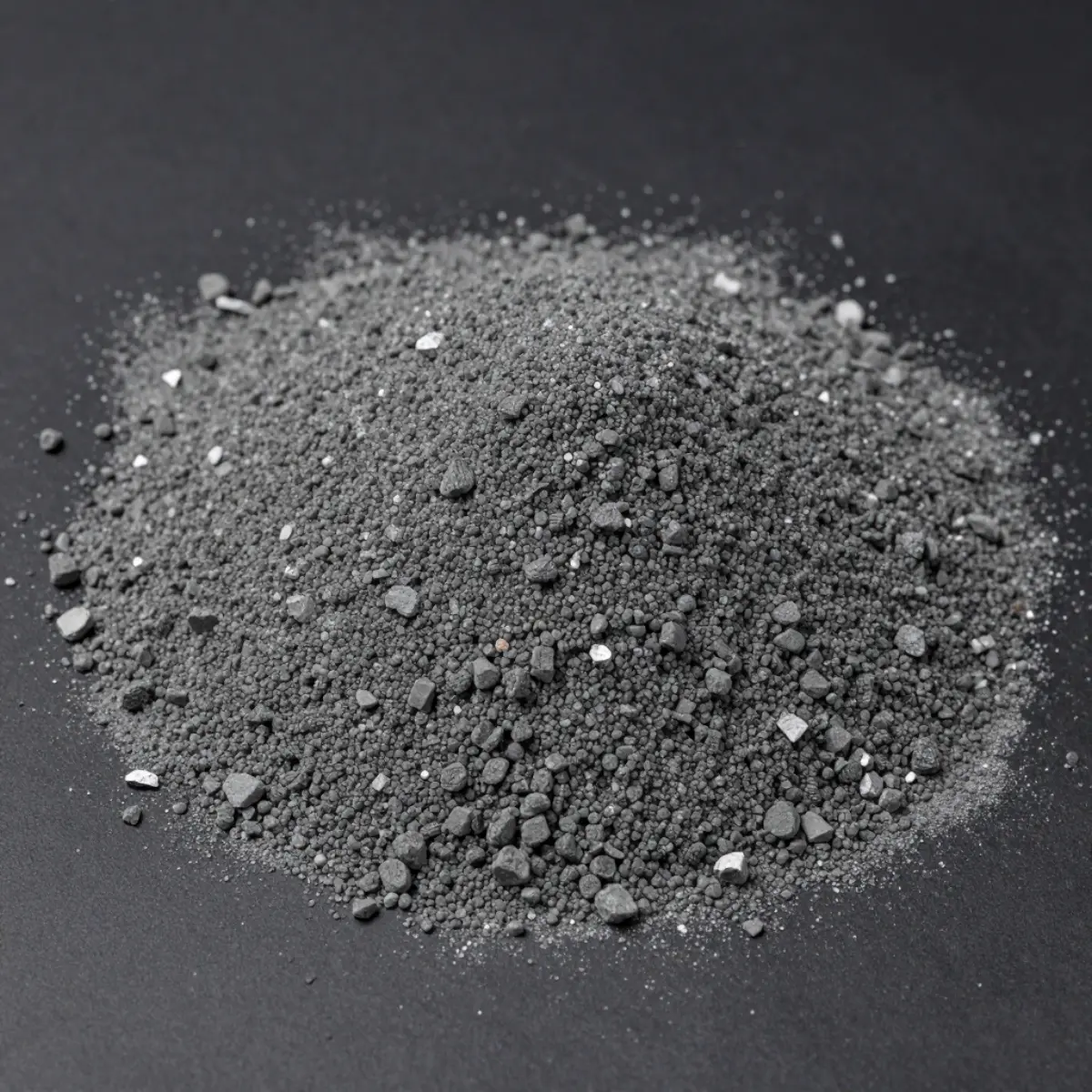
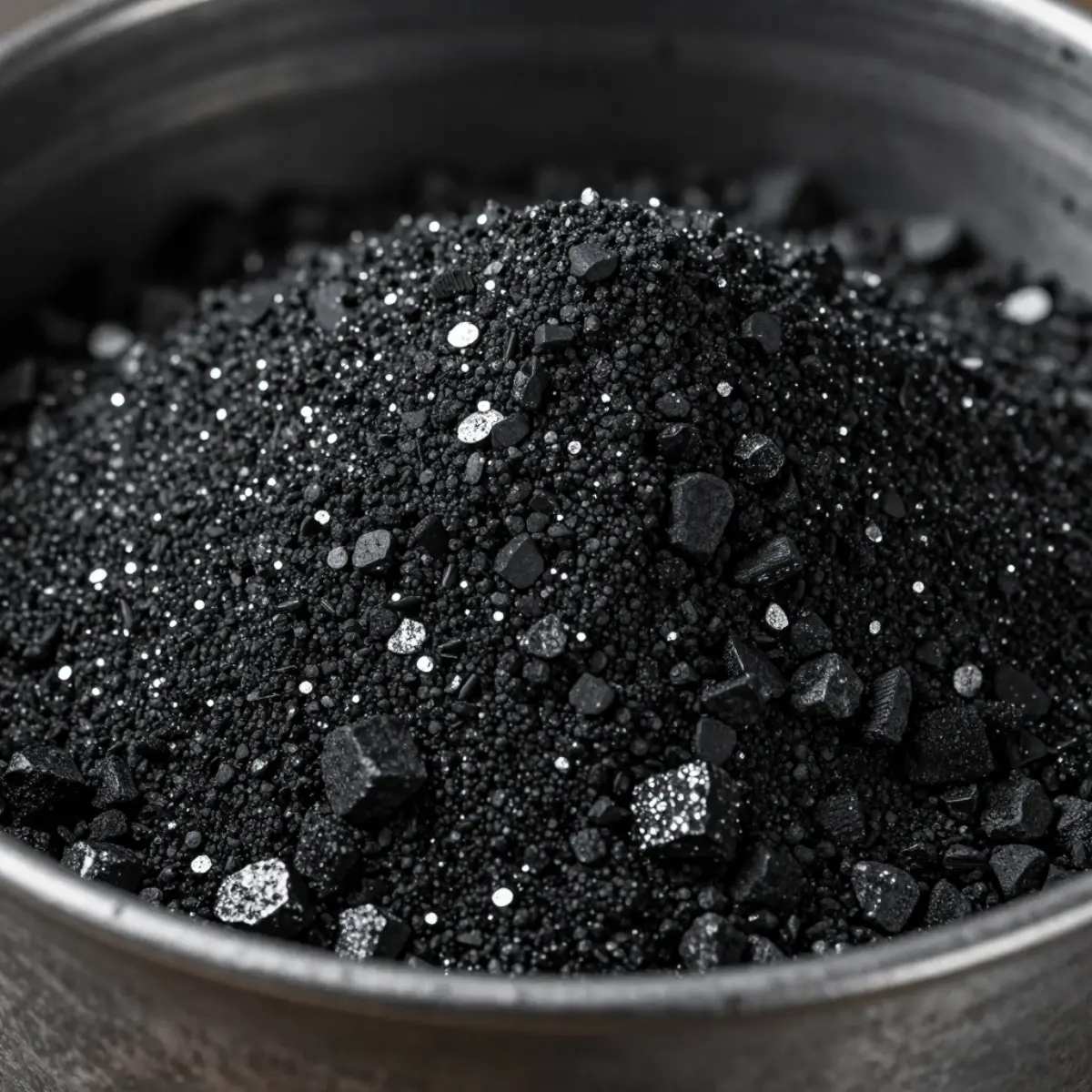
Quality specifications for ferromanganese go beyond the basic manganese and carbon content. Phosphorus is the most critical impurity — it cannot be removed during steelmaking and accumulates in recycled steel, so the phosphorus content of FeMn must be minimized (≤0.30% for standard grades, ≤0.15% for high-quality grades) to avoid degrading toughness and weldability in the final steel. Silicon content (typically ≤1.2% in HC FeMn) must be controlled because it affects deoxidation balance and can complicate silicon alloying in certain grades. Sulfur content should be ≤0.03% to avoid increasing the sulfur load on the steel. The physical form of the alloy is equally important: lump sizes of 10–100 mm are standard for BOF and EAF addition, while smaller sizes (10–50 mm nuts or 0–10 mm fines) are preferred for ladle furnace and foundry applications where rapid dissolution is critical. Consistent sizing within each grade reduces handling losses and improves dissolution predictability, enabling more precise composition control.
When evaluating ferromanganese suppliers, steel plants should consider several factors beyond basic price per ton. Consistency of chemical composition — particularly manganese content and phosphorus level — directly impacts composition control costs in the melt shop, where variable recovery forces larger safety margins and more frequent ladle trimming. Reliable delivery scheduling is critical because ferroalloy inventory represents significant working capital, and most plants operate with just-in-time delivery schedules of 2–4 weeks. The supplier’s quality management system should include statistical process control for composition and sizing, with the ability to provide certificates of analysis for each shipment. For large steel plants consuming hundreds of tons per month, establishing a dual-source supply strategy provides both competitive pricing leverage and supply chain resilience. Long-term supply agreements with qualified ferroalloy producers — supported by regular quality audits, performance scorecards, and shared improvement programs — deliver the most consistent value over time, reducing both the direct cost of the alloy and the indirect costs of composition variability in the steelmaking process.