Applications
Pre-deoxidation and block deoxidation in BOF and EAF steelmaking to remove dissolved oxygen before final aluminum deoxidationManganese alloying in structural steel, HSLA steel, spring steel, and wear-resistant steel grade productionRecarburization and manganese addition combined in a single ferroalloy addition during furnace tapping and ladle treatmentFoundry applications for manganese adjustment in gray iron, ductile iron, and steel casting production
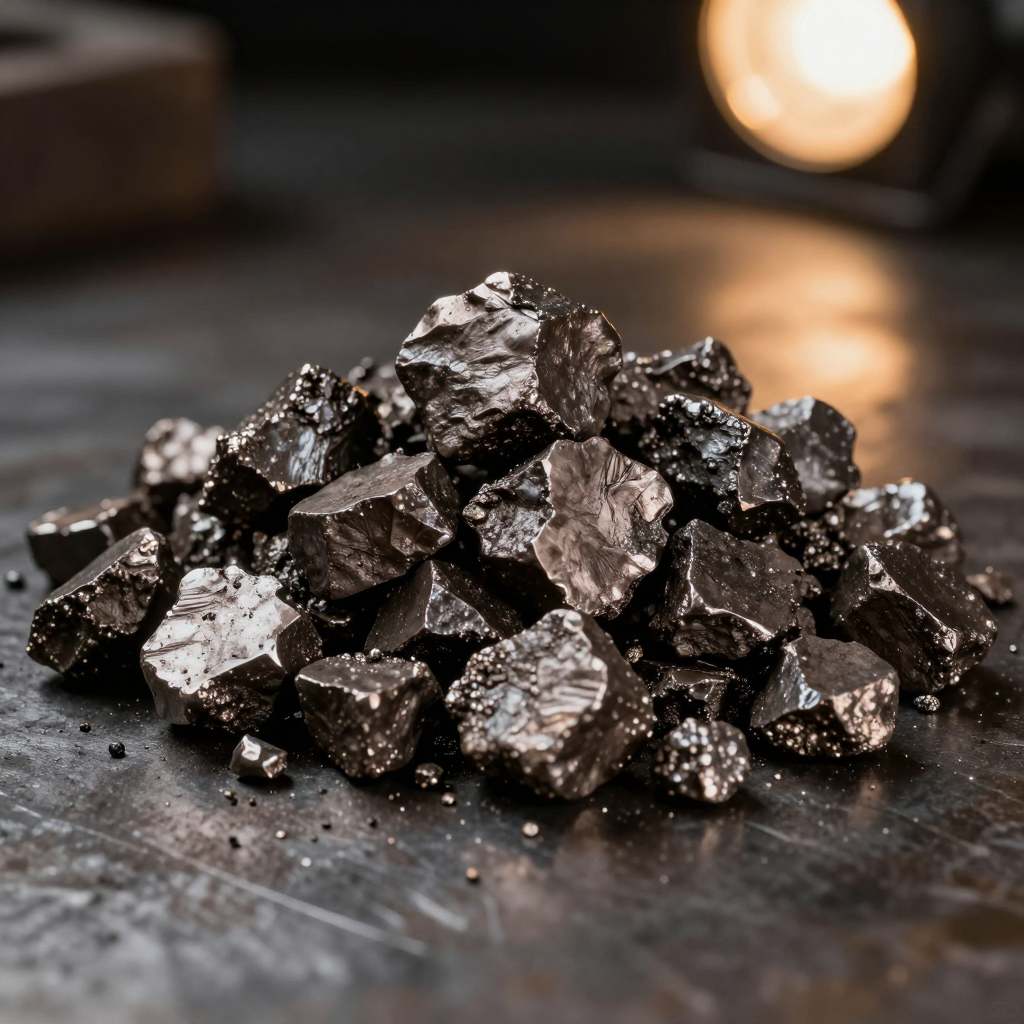
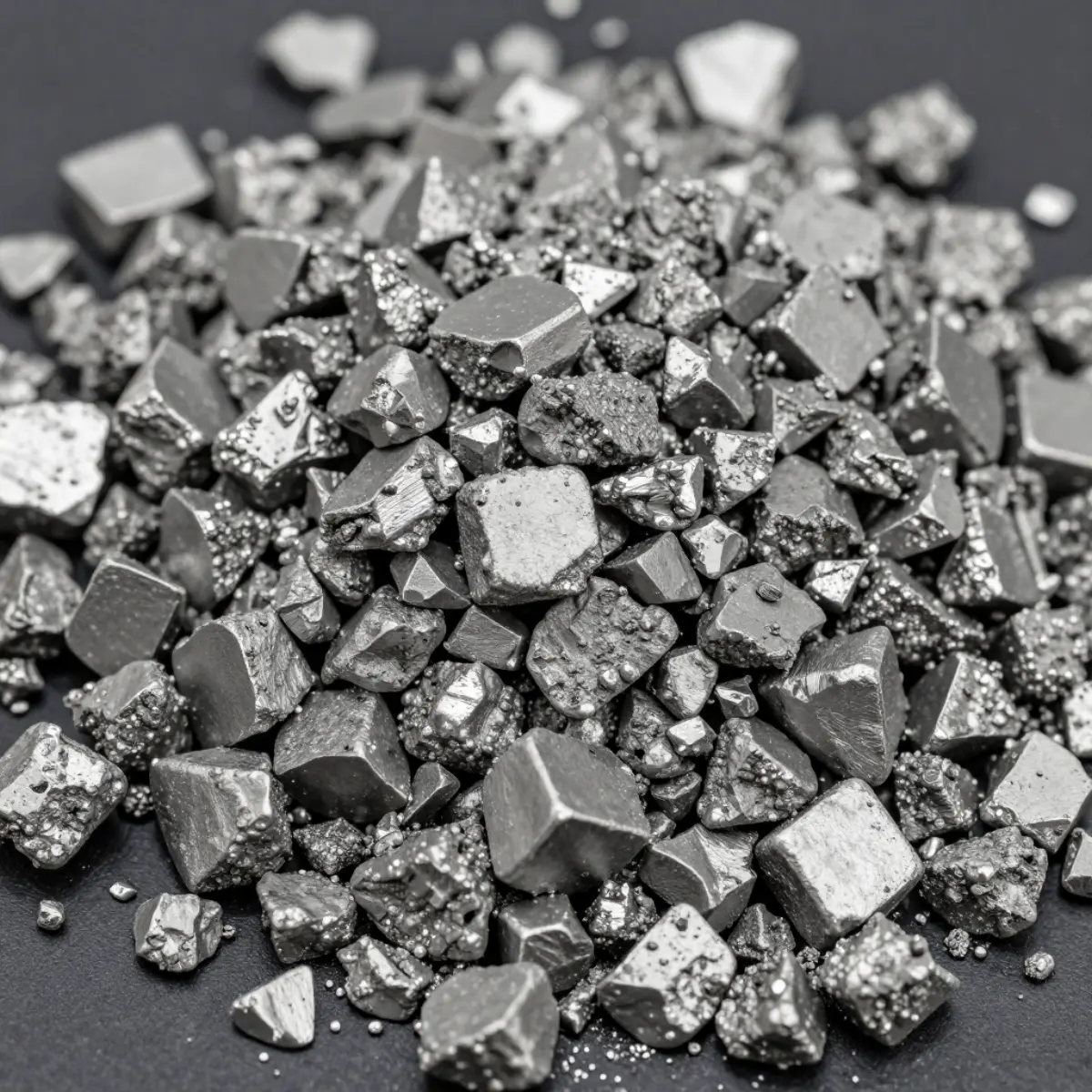
High-carbon ferromanganese (HC FeMn) is the most widely consumed manganese ferroalloy in the global steel industry, serving as both a deoxidizer and the primary source of manganese for alloying purposes. The standard HC FeMn 75 grade, containing 65–80% manganese and 6–7% carbon, delivers manganese economically to the steel bath while simultaneously contributing carbon — a valuable attribute in most carbon and low-alloy steel grades where carbon content is typically targeted in the range of 0.05–0.80%. In deoxidation applications, manganese removes dissolved oxygen by forming manganese oxide (MnO), which has a lower melting point than either silica or alumina and readily fluxes with other deoxidation products to form low-melting-point slag inclusions that are easily removed. For this reason, manganese is almost always the first deoxidizer added to the steel, either as a pre-deoxidizer before aluminum or silicon treatment, or as a component of composite deoxidation practice.
The alloying role of ferromanganese is equally critical. Manganese is present in virtually every commercial steel grade at levels ranging from 0.30% in simple structural grades to over 13% in wear-resistant Hadfield manganese steel. In structural steels, manganese acts as a solid-solution strengthener, contributing approximately 5–6 MPa of yield strength per 0.1% manganese added. It also improves hardenability, enabling thicker sections to achieve desired microstructures during heat treatment. In HSLA (high-strength low-alloy) steels, manganese contents of 1.0–1.7% work in combination with microalloying elements such as vanadium, niobium, and titanium to achieve yield strengths of 350–690 MPa while maintaining excellent weldability and toughness. High-carbon ferromanganese is the most economical manganese source for these applications, with typical recovery rates of 85–95% in BOF practice and 90–98% in EAF practice, depending on slag conditions and addition timing.
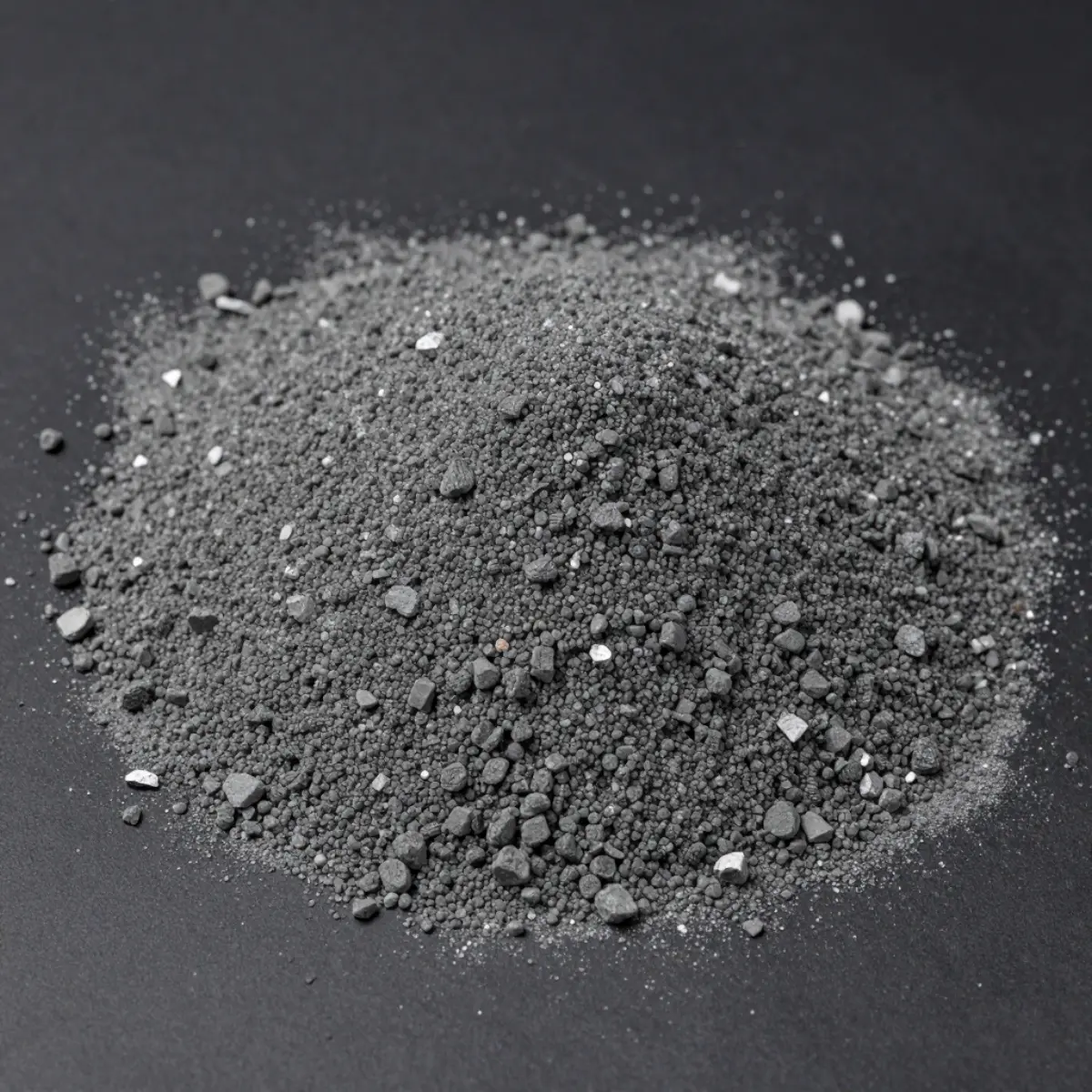
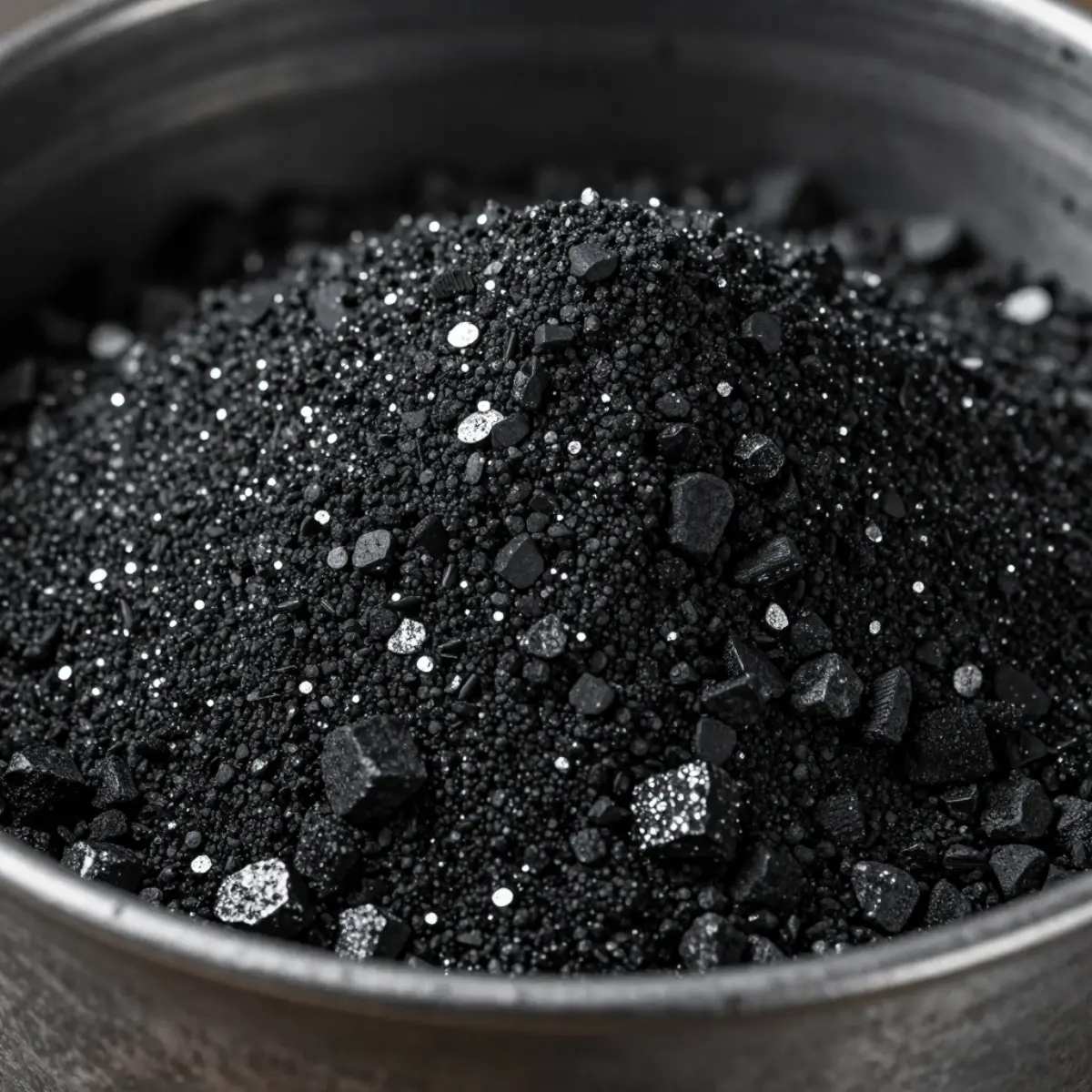
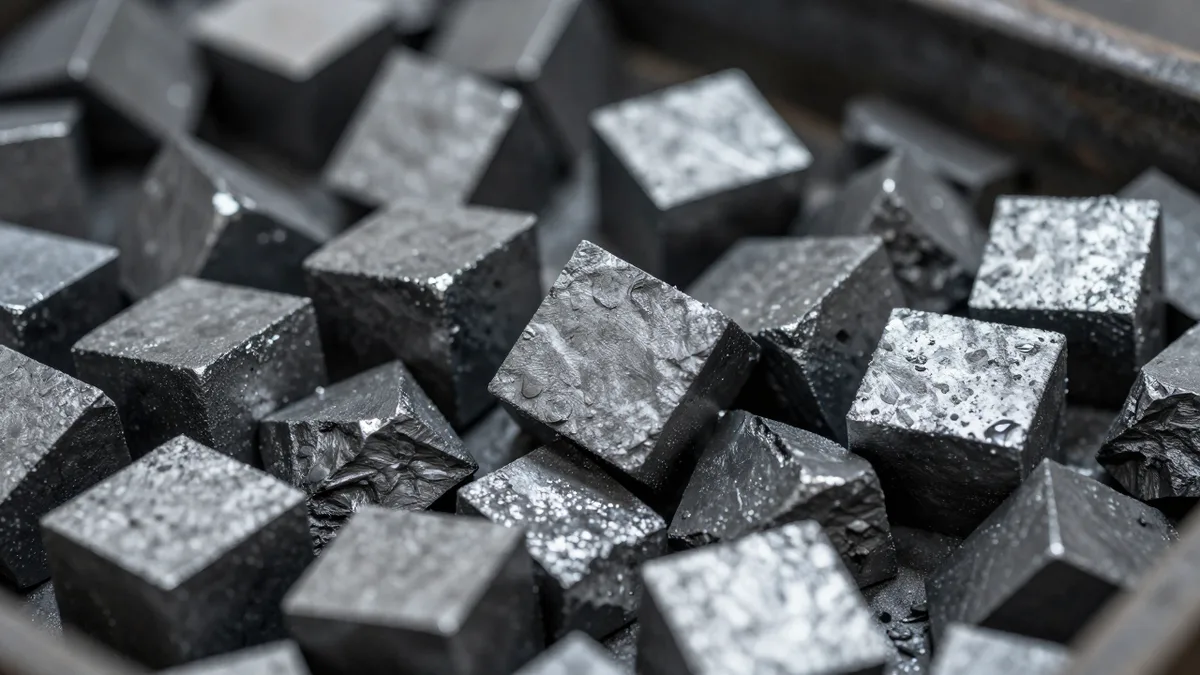
Ferromanganese is added to steel through several methods depending on the steelmaking route and the target manganese content. In basic oxygen furnace (BOF) steelmaking, HC FeMn is typically added during tapping — either as a lance addition to the converter or as a ladle addition during tap — with typical addition rates of 5–15 kg per ton of steel. In electric arc furnace (EAF) steelmaking, ferromanganese can be added to the furnace bath during the refining period or to the ladle during tapping. The high carbon content of HC FeMn makes it unsuitable for ultra-low-carbon steel grades, where medium-carbon FeMn (C 1–1.5%) or low-carbon FeMn (C ≤0.5%) is used instead. Our high-carbon ferromanganese is available in sizes from 10–100 mm lumps for furnace addition down to 0–10 mm fines for precision alloying, ensuring the right product for every steelmaking application and addition method.
Need pricing or technical confirmation?
Send your application, grade, size, and quantity requirements by email for a faster response.
Request a Quote