Applications
Deoxidation in electric arc furnace (EAF) steelmaking as a cost-effective substitute for ferrosilicon in silicon-killed steel gradesCombined deoxidation and carburization in induction furnace steelmaking for carbon steel and low-alloy steel productionPre-deoxidation during tapping to reduce dissolved oxygen before final aluminum killing in the ladle furnaceSilicon and carbon source in foundry applications for adjusting composition in cast iron and cast steel melts
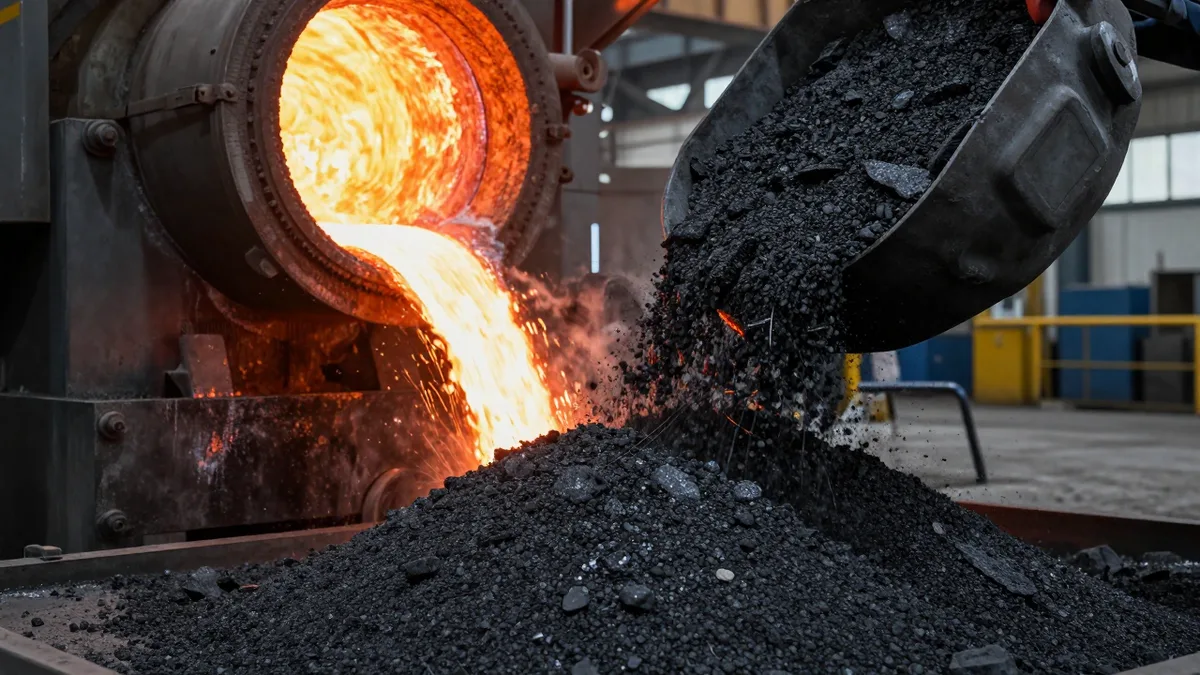
Silicon carbide occupies a unique position in steelmaking metallurgy as a deoxidizer that simultaneously contributes both silicon and carbon to the steel bath. When SiC dissolves in molten steel, it dissociates to release silicon and carbon, both of which have strong affinities for dissolved oxygen. The silicon forms silica (SiO2) which reports to the slag, while the carbon forms CO gas that escapes the bath, resulting in a cleaner deoxidation product compared to pure silicon additions that generate solid silica inclusions. With SiC content of 90%+, our product delivers consistent performance that allows steelmakers to predict both silicon and carbon recovery with high accuracy.
In electric arc furnace operations, silicon carbide is commonly added during the refining phase at rates of 2–5 kg per ton of steel, depending on the target silicon content and the initial dissolved oxygen level. The material dissolves exothermically, contributing approximately 6.5 kWh of heat per kilogram added, which is a beneficial side effect in EAF operations where energy cost is a significant factor. The simultaneous carburization effect means that for many medium-carbon steel grades (C: 0.20–0.50%), the carbon addition from SiC can eliminate or substantially reduce the need for separate carbonizer additions, simplifying the alloy addition sequence and reducing raw material inventory requirements.
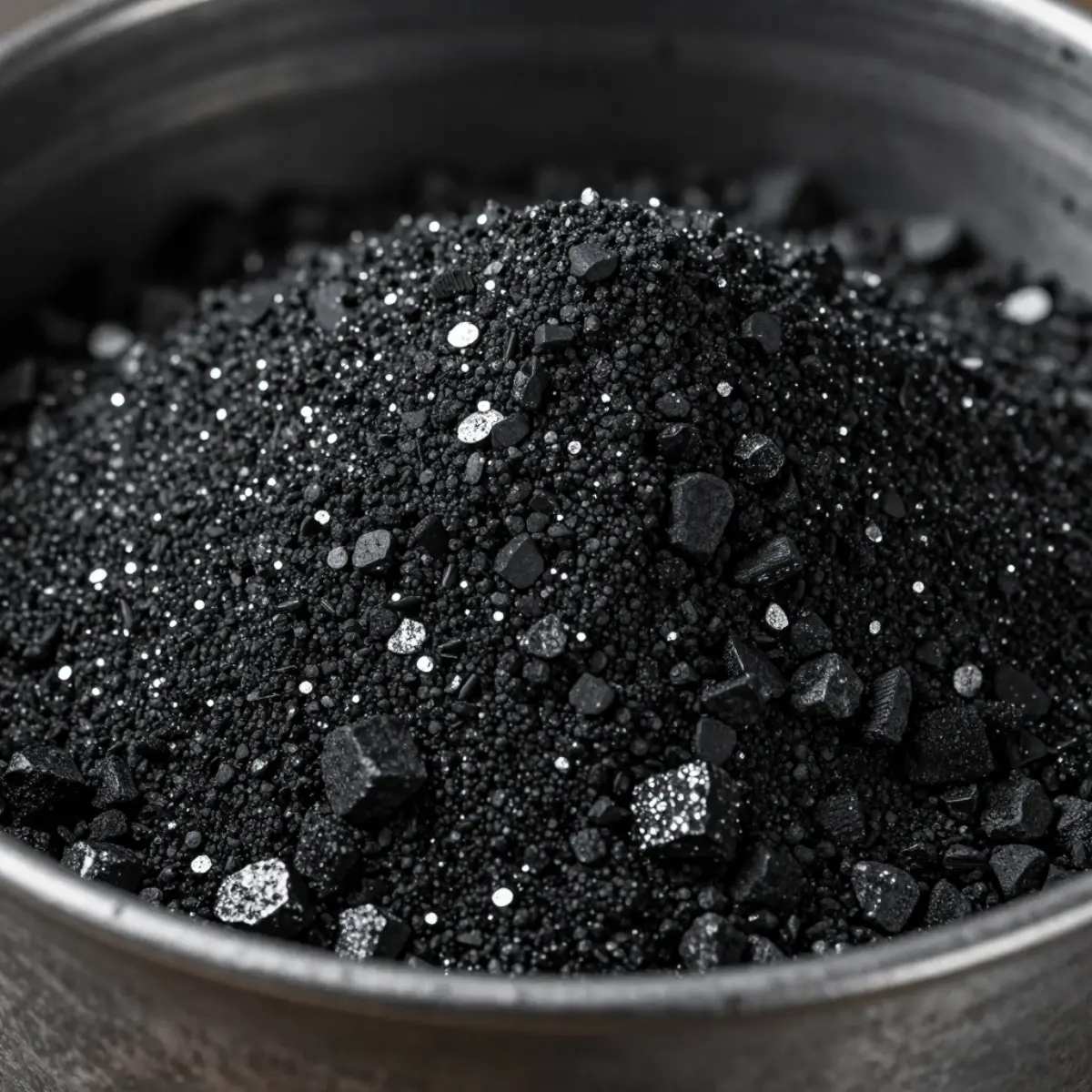
The quality of silicon carbide used in steelmaking directly impacts the consistency of both deoxidation and alloying outcomes. Our product is manufactured from high-purity SiC with controlled free carbon and silica content, ensuring that each kilogram added delivers a predictable amount of active silicon and carbon to the melt. The granular form is sized between 0–10 mm for optimal dissolution kinetics, with custom sizing available for specific furnace configurations. Every shipment is accompanied by a certificate of analysis documenting SiC, free C, SiO2, and moisture content to support precise alloy calculation by the steelmaker’s metallurgical team.
Need pricing or technical confirmation?
Send your application, grade, size, and quantity requirements by email for a faster response.
Request a Quote