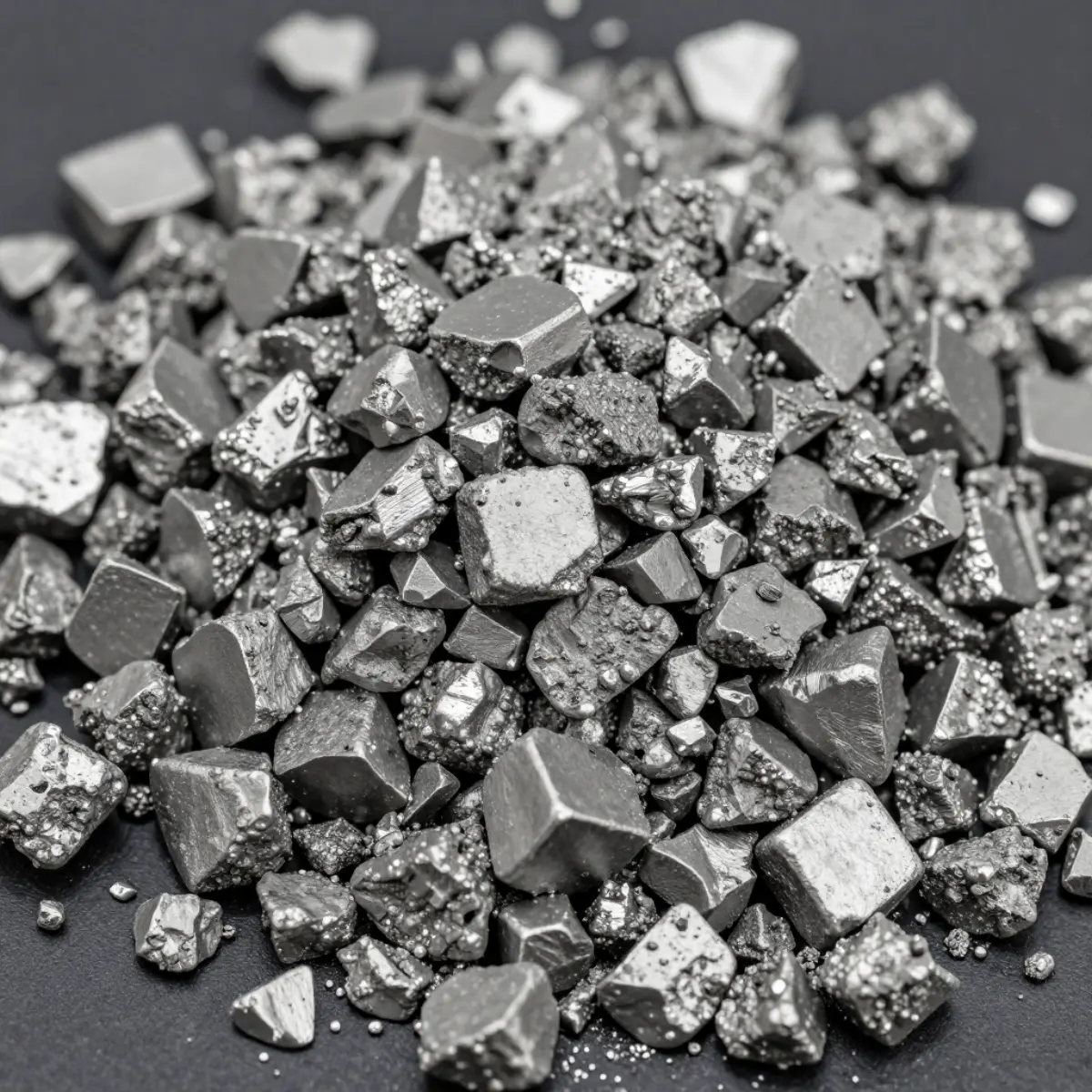
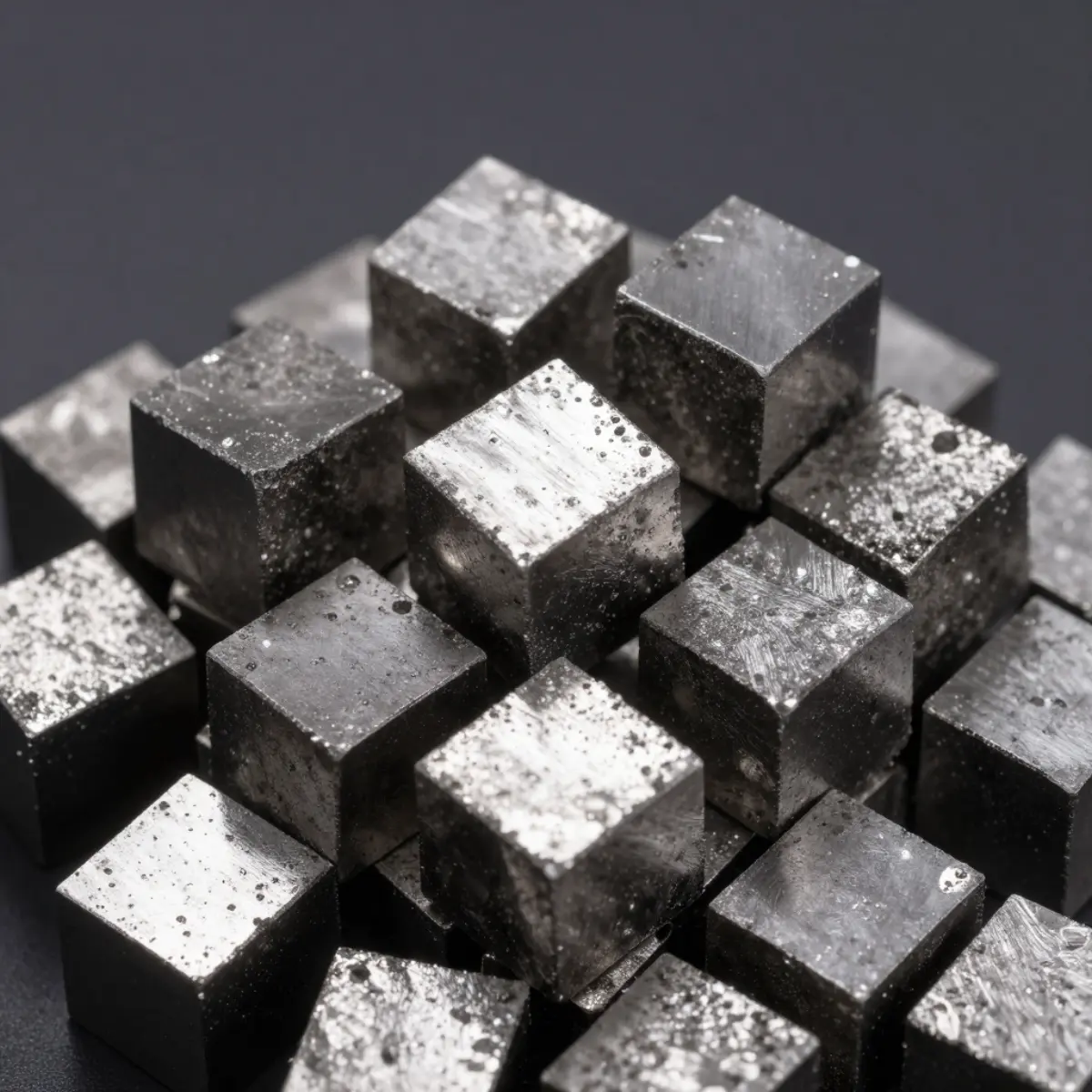
Ferrosilicon Grades Comparison: FeSi 65, 72, and 75
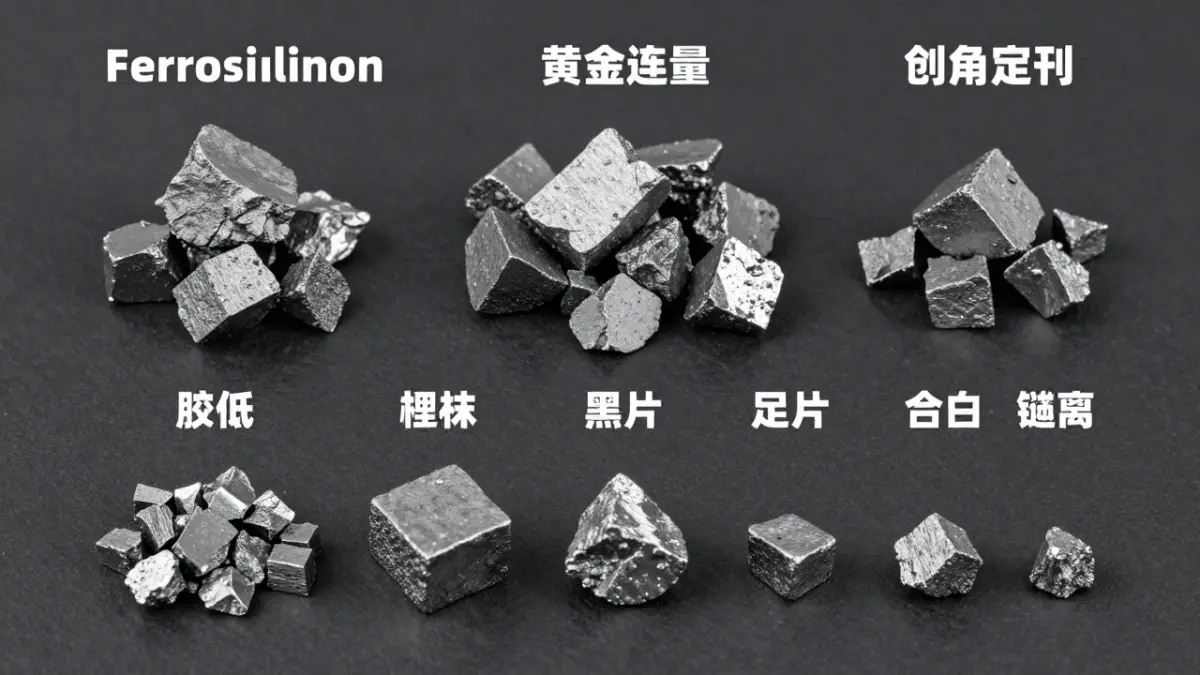
Ferrosilicon is one of the most versatile ferroalloys in the steel industry, serving as both a deoxidizer and an alloying addition. The three most commonly traded grades are FeSi 65%, FeSi 72%, and FeSi 75%, where the number denotes the minimum silicon content. While these grades may appear interchangeable at first glance, the differences in silicon content, impurity profile, and cost structure make each grade better suited to specific applications.
FeSi 65% is the entry-level grade, offering a lower silicon content at a correspondingly lower price point. It is primarily used for bulk deoxidation in carbon steel production where precise silicon control is not critical. The lower silicon content means larger addition quantities are needed to achieve the same effect as higher grades, which increases slag generation and can impact yield. However, for operations producing commodity long products where cost sensitivity is high, FeSi 65% provides adequate deoxidation performance at the lowest material cost per ton of steel.
FeSi 75% is the industry standard grade and the most widely specified in both steelmaking and foundry applications. The higher silicon content means smaller additions are required, and the grade typically comes with tighter controls on aluminum, phosphorus, and carbon content. In foundries producing ductile iron, FeSi 75% with controlled aluminum is essential for consistent inoculation performance. For steelmakers, FeSi 75% is the default choice for silicon alloying in electrical steels, spring steels, and other grades where silicon is a deliberate alloying element above residual levels.
FeSi 72% occupies a niche between the two, sometimes specified as a cost-optimization measure when FeSi 75% chemistry is not strictly required but better performance than FeSi 65% is desired. The practical advice for buyers is to base grade selection on the target steel chemistry and impurity limits rather than unit price alone. A higher-grade ferrosilicon used in smaller quantities often delivers lower total cost per ton of steel when yield, slag handling, and quality consistency are factored in.