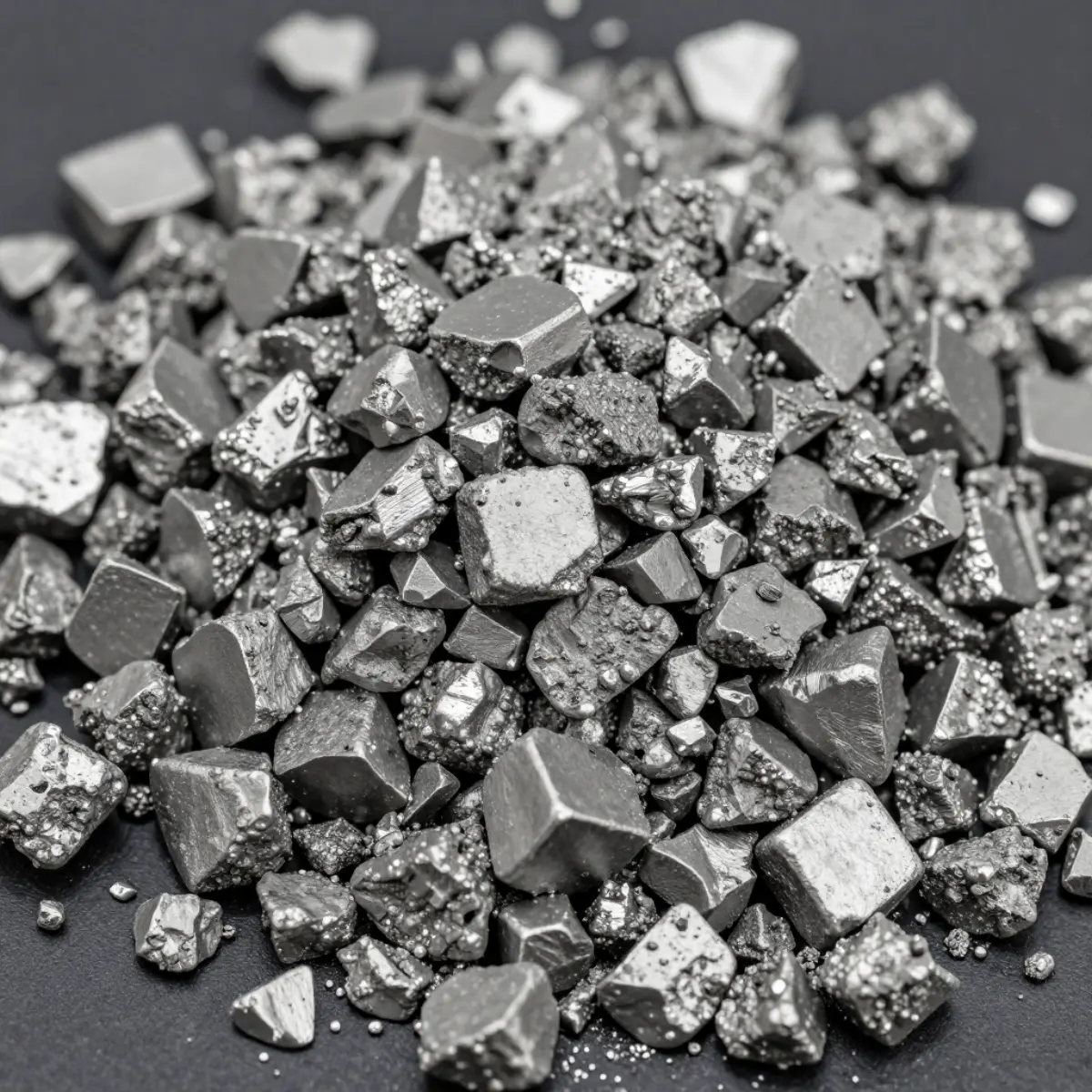
Metallic Silicon — High-Grade Alloying and Deoxidation Silicon
Metallic Silicon

Metallic Silicon — High-Grade Alloying and Deoxidation Silicon

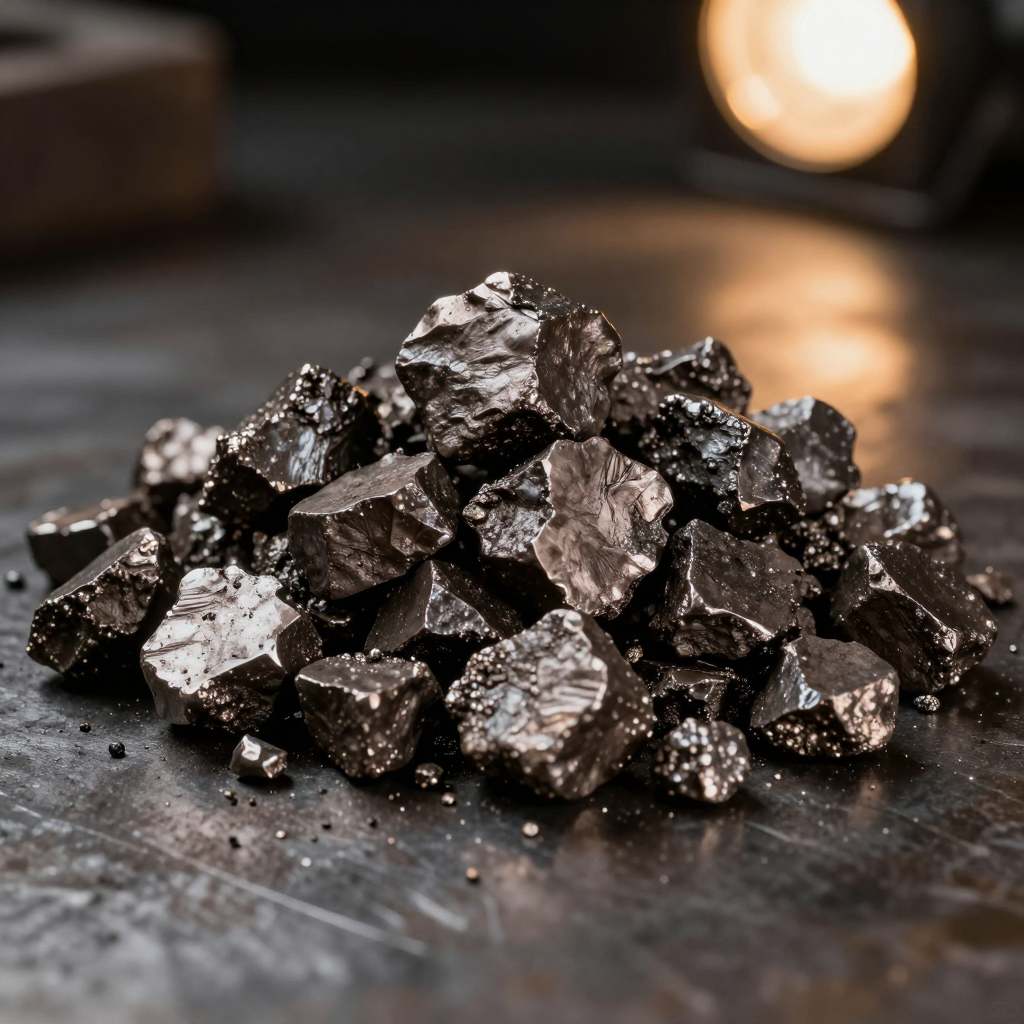
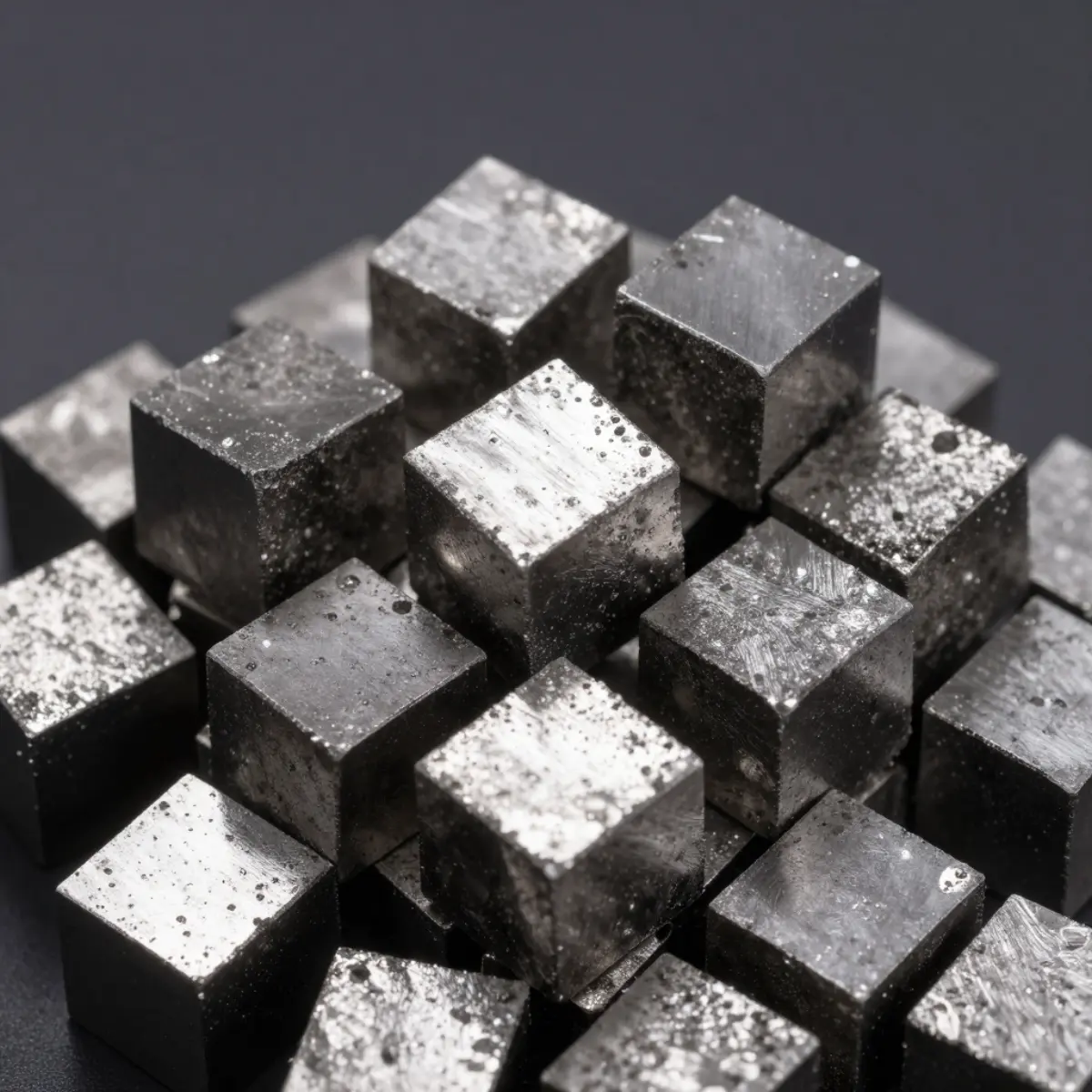
Primary metallic silicon with 98%+ Si content, providing a high-purity silicon source for steel alloying, deoxidation, and specialty alloy production. Offers superior silicon recovery and lower impurity introduction compared to ferrosilicon.

Specifications

Si Content
≥98.0%
Fe Content
≤0.5%
Al Content
≤0.5%
Ca Content
≤0.3%

Features

  • Near-pure silicon content provides the highest silicon yield per kilogram of any silicon-bearing additive, reducing total addition weight
  • Low iron content makes metallic silicon the preferred silicon source for non-ferrous and specialty alloy production where iron is restricted
  • Controlled impurity levels (Fe, Al, Ca) minimize unintended secondary element introduction into precise alloy formulations
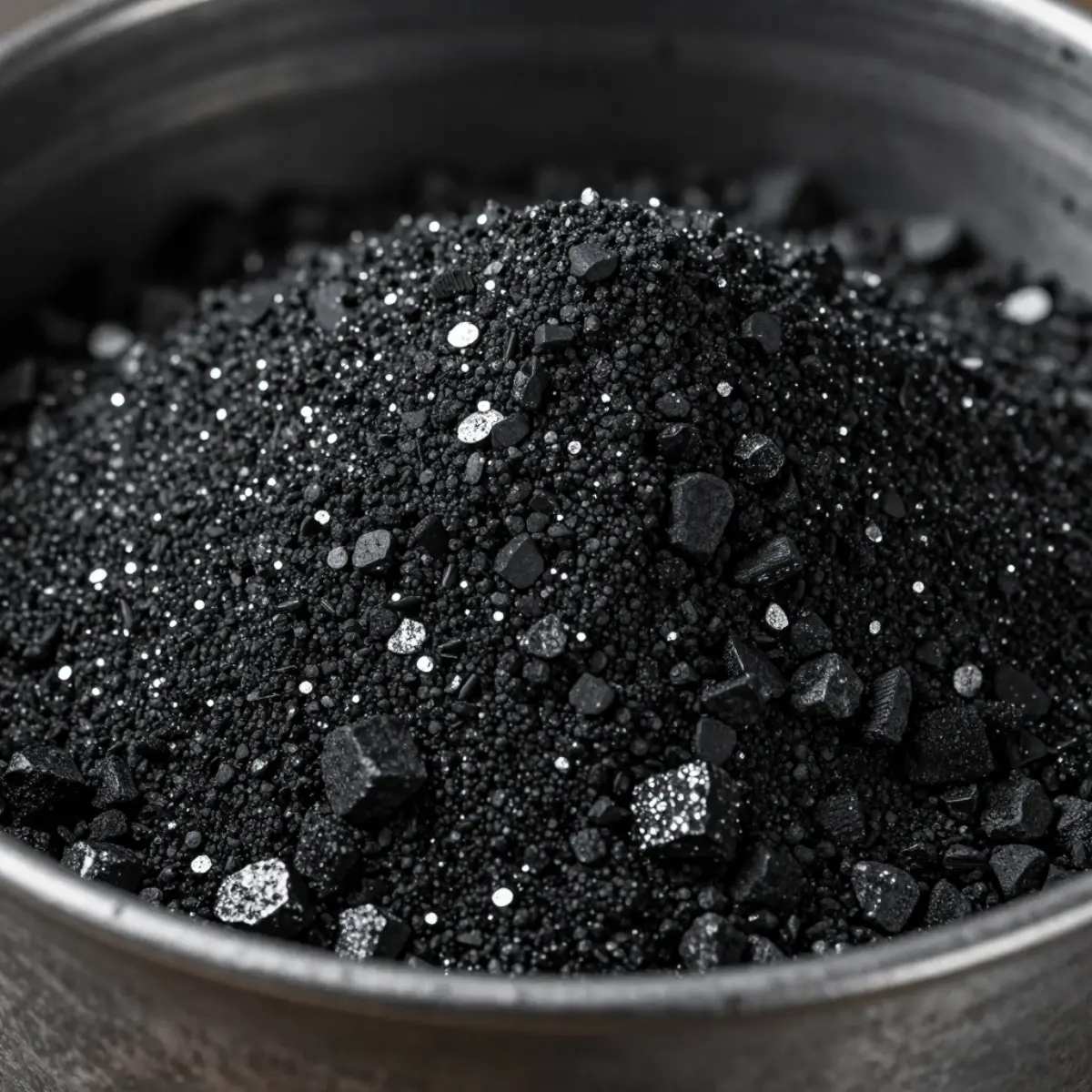
  • Available in lump and granular forms for flexible addition methods across different furnace types and processes

Applications

High-purity silicon addition in specialty steel and superalloy production where tight control of iron pickup is requiredDeoxidation of high-grade steel melts where maximum silicon recovery with minimal impurity introduction is essentialSilicon source in aluminum alloy production and magnesium ferrosilicon nodularizer manufacturingRaw material for producing semiconductor-grade and solar-grade silicon through further purification processes

Industries

SteelmakingSpecialty Alloy ProductionAluminum Industry

Metallic silicon, with a minimum silicon content of 98%, represents the highest-purity silicon-bearing material available to the steelmaking industry. While ferrosilicon (FeSi 75%) is the economical workhorse for routine deoxidation and alloying, there are specific metallurgical situations where the iron content inherent in ferrosilicon is unacceptable, and metallic silicon becomes the material of choice. These include the production of certain stainless steel grades with tight iron-balance requirements, nickel-based superalloys where iron must be strictly controlled, and silicon steel grades where precise silicon content must be achieved without the iron dilution effect that accompanies ferrosilicon additions.

The deoxidation thermodynamics of metallic silicon are identical to those of the silicon in ferrosilicon—both reduce dissolved oxygen to form SiO2—but metallic silicon delivers nearly pure silicon without the accompanying iron, aluminum, and other residual elements present in ferrosilicon. This purity advantage translates to superior silicon recovery in applications where slag conditions are carefully controlled, with metallic silicon typically achieving 85–95% recovery in well-deoxidized ladle furnace conditions. The minimal aluminum content (below 0.5%) is particularly important for clean steel applications, as it reduces the generation of hard, abrasive alumina inclusions that degrade steel toughness and fatigue properties.

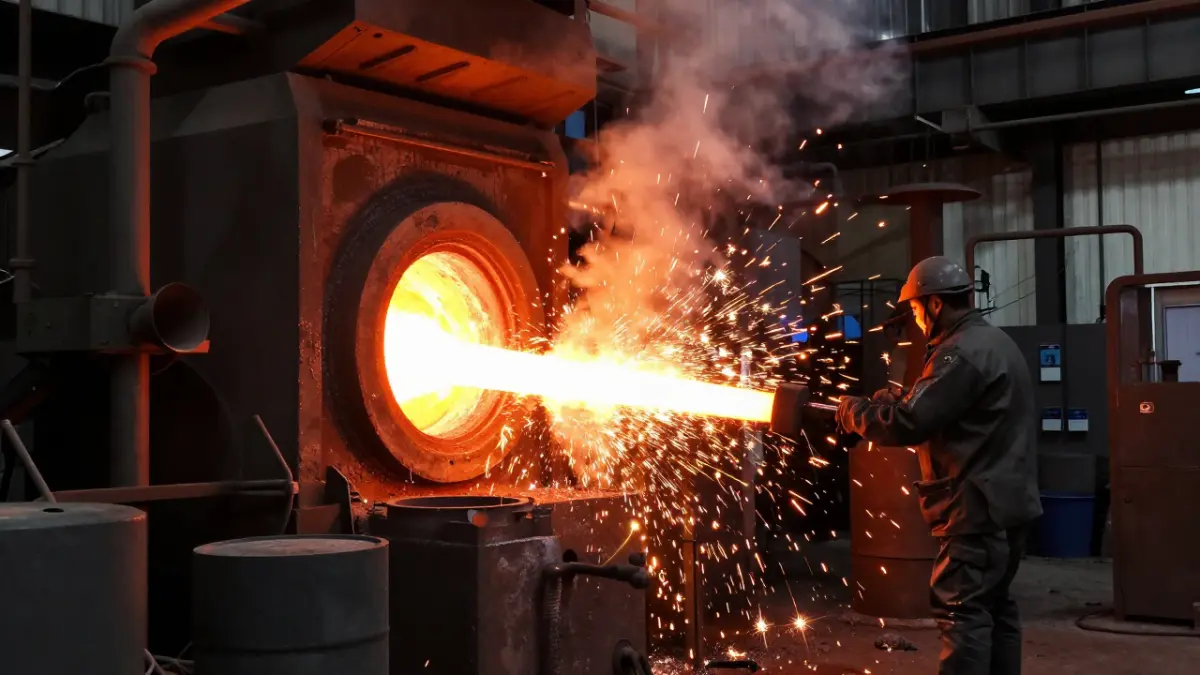
In the broader metallurgical supply chain, metallic silicon serves as a critical raw material for several downstream products used in steelmaking. It is the primary silicon source in the production of magnesium ferrosilicon (MgFeSi) nodularizers used in ductile iron production, and it serves as a silicon booster in aluminum alloy production where iron-free silicon additions are required. Our metallic silicon is produced through the carbothermic reduction of high-purity quartz in submerged arc furnaces, followed by careful refining and casting to achieve the target 98%+ Si content. Each batch is analyzed by ICP-OES (Inductively Coupled Plasma Optical Emission Spectroscopy) for Si, Fe, Al, and Ca, with full certification provided to support quality management systems at customer facilities.

Need pricing or technical confirmation?

Send your application, grade, size, and quantity requirements by email for a faster response.

Request a Quote