Fluorspar for Slag Fluidity Optimization: Viscosity, Basicity, and the Refractory Trade-off
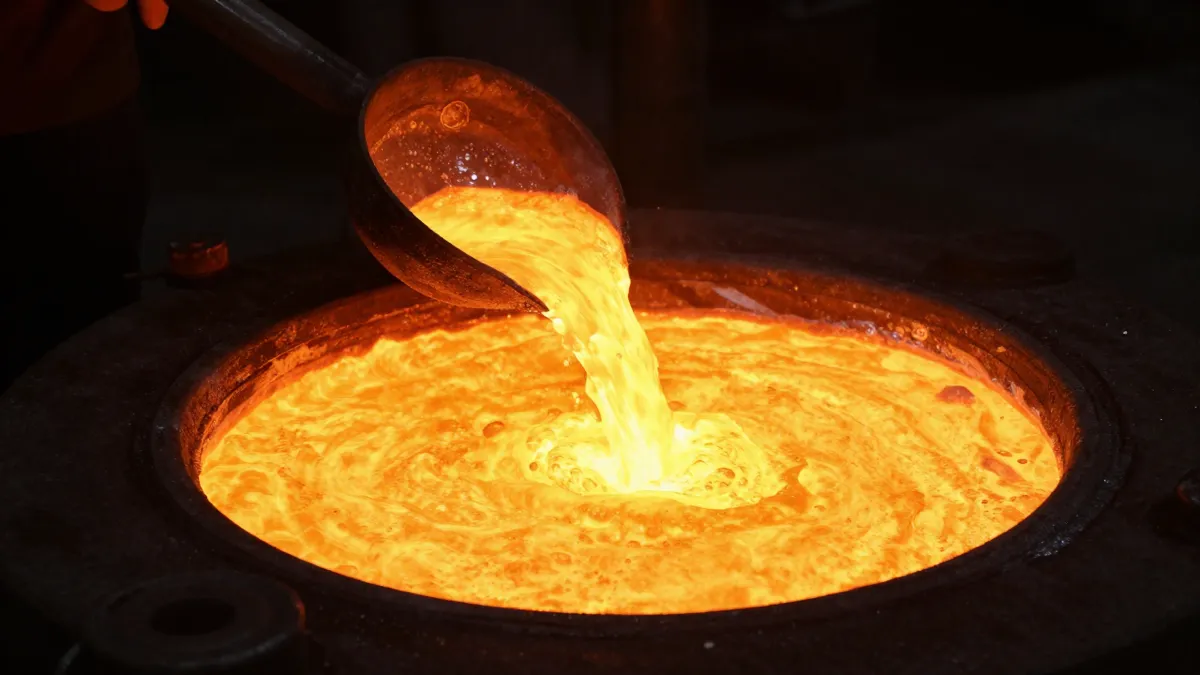
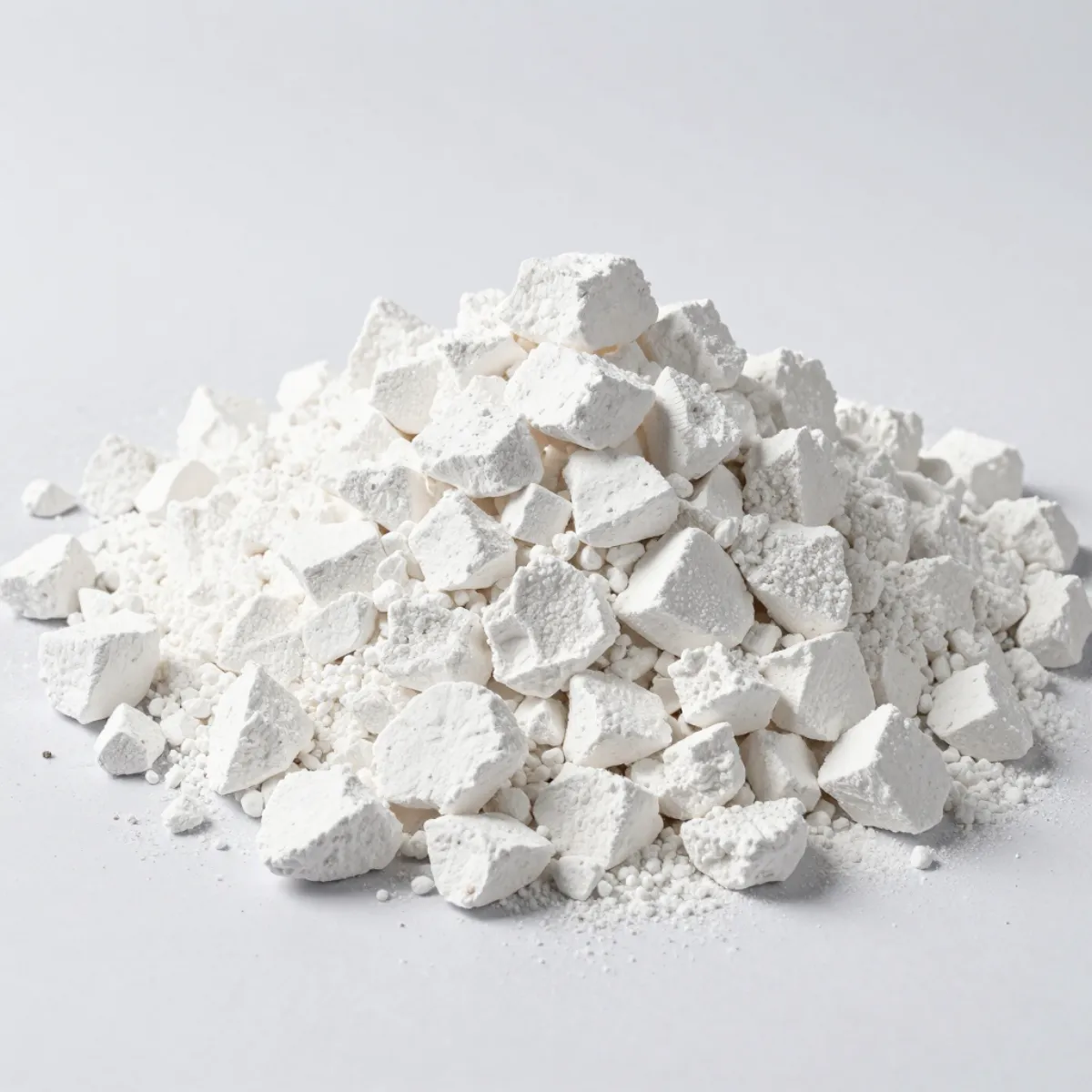
Fluorspar (calcium fluoride, CaF₂) is the most effective slag-fluidizing agent available to a steelmill. Used in small but metallurgically critical additions, fluorspar controls the viscosity, liquidus, and reactivity of the slag — and therefore controls how fast and how completely the slag performs its core functions of sulfur and phosphorus removal and heat-transfer coupling to the arc. The challenge for melt-shop metallurgists is using fluorspar effectively while managing its principal drawback: it attacks the furnace and ladle refractory linings. The disciplined practice is to use the minimum addition that achieves the required slag fluidity, supported by quicklime and synthetic refined slag builders that reduce the dependence on CaF₂.
Why high-basicity slags need fluorspar
The slags that remove sulfur and phosphorus effectively are high in CaO — they must be, because CaO is the basic oxide that drives the desulfurization reaction (CaO + S → CaS + O) and the dephosphorization reaction. But high-CaO slags are also viscous, high-melting, and slow to dissolve, particularly when lime is added as lump or pebble that must dissolve into the forming slag. A slag that is too viscous does not develop a high slag-metal interfacial area, mass transfer through it is slow, and the desulfurization reaction is rate-limited by the slag rather than by thermodynamics. The result is a heat that misses the sulfur specification even though the chemistry was correct on paper.
This is where fluorspar’s defining property matters: at very low addition rates, often as little as a few kilograms per tonne of steel, fluorspar breaks up the calcium-silicate network in the slag, lowers its liquidus temperature, and thins its viscosity. The fluidized slag dissolves lime additions rapidly, develops the slag-metal interfacial area required for fast desulfurization, and allows the slag to approach its thermodynamic sulfur-removal limit. In ladle-furnace (LF) refining, fluorspar is a key ingredient of the synthetic slags — combined with quicklime, refined slag, and alumina — that drive deep desulfurization to the sulfur levels required by high-quality line-pipe and forging steels.
Foam-slag stability in the EAF
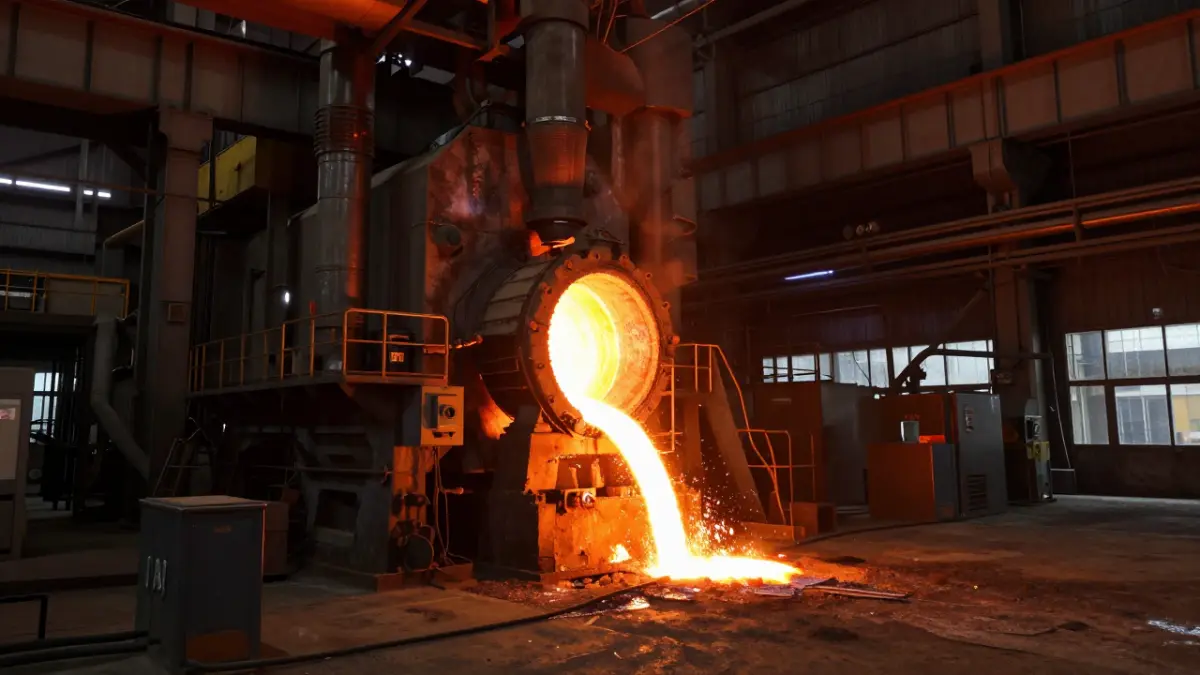
In electric arc furnace (EAF) steelmaking, fluorspar plays a second role: foam-slag stability. A foamy slag covers the electric arc, shielding the refractory walls from radiation and transferring more of the arc’s heat into the bath. This improves energy efficiency and protects the lining, and a stable foam depends on a slag viscosity that holds the gas bubbles long enough for them to perform their shielding role. Fluorspar’s slag-thinning action supports the gas generation and viscosity balance required to sustain a stable foam throughout the meltdown and refining periods.
The refractory trade-off
The metallurgical effectiveness of fluorspar is not in question, but it must be used with discipline. Fluorspar’s fluxing action is non-selective: it fluidizes slag, but it also attacks the magnesia-carbon and high-alumina refractory linings of the furnace and ladle, accelerating wear and shortening the lining campaign. Excessive fluorspar — used as a shortcut to fix a poorly melting slag — can cut refractory life enough to outweigh the process benefit. The correct practice is to use the minimum fluorspar addition consistent with achieving the required slag fluidity, and to lean on quicklime and refined-slag builders to provide most of the basicity and fluidity so that CaF₂ is reserved for the precision role it performs best.
Consistent sizing protects both yield and refractory
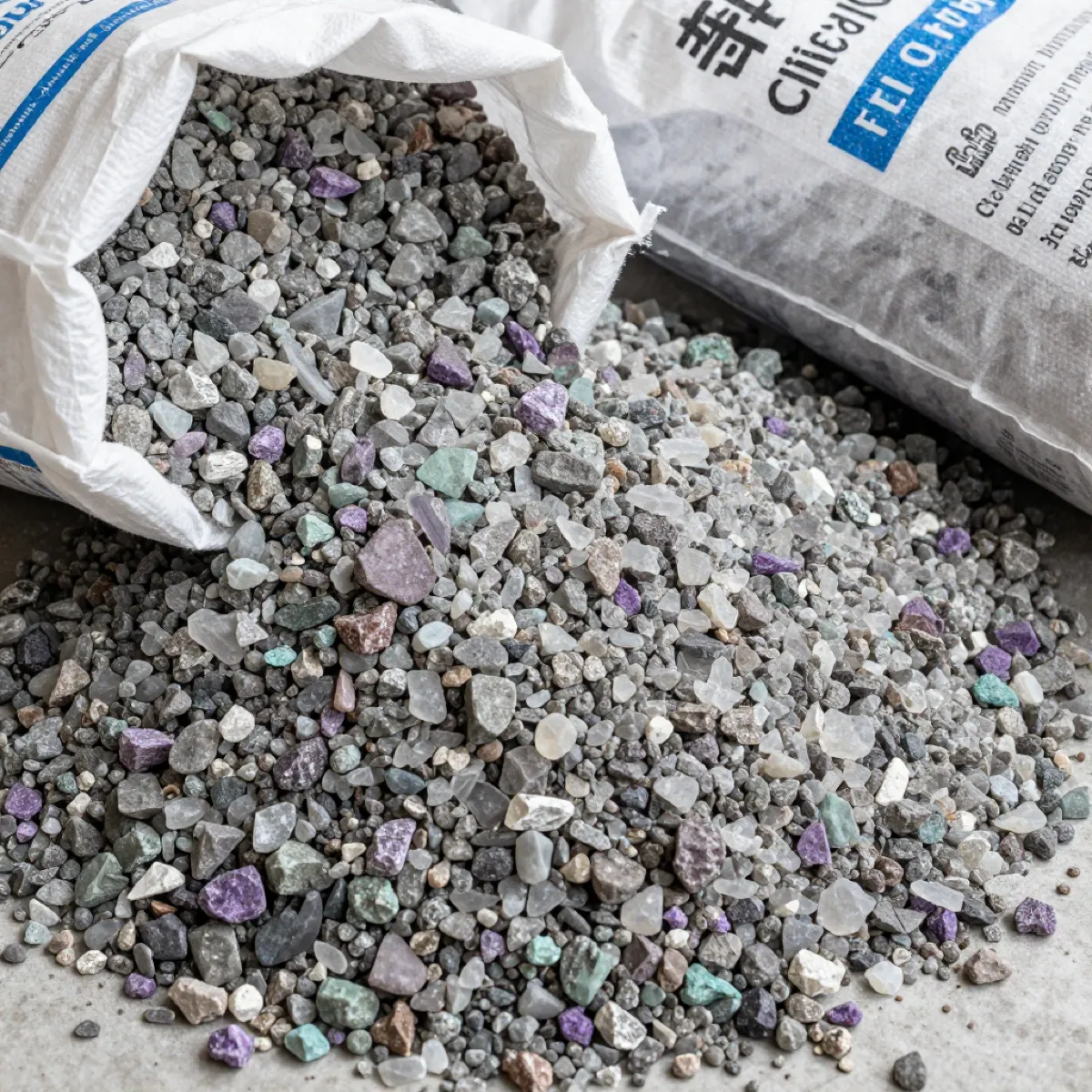
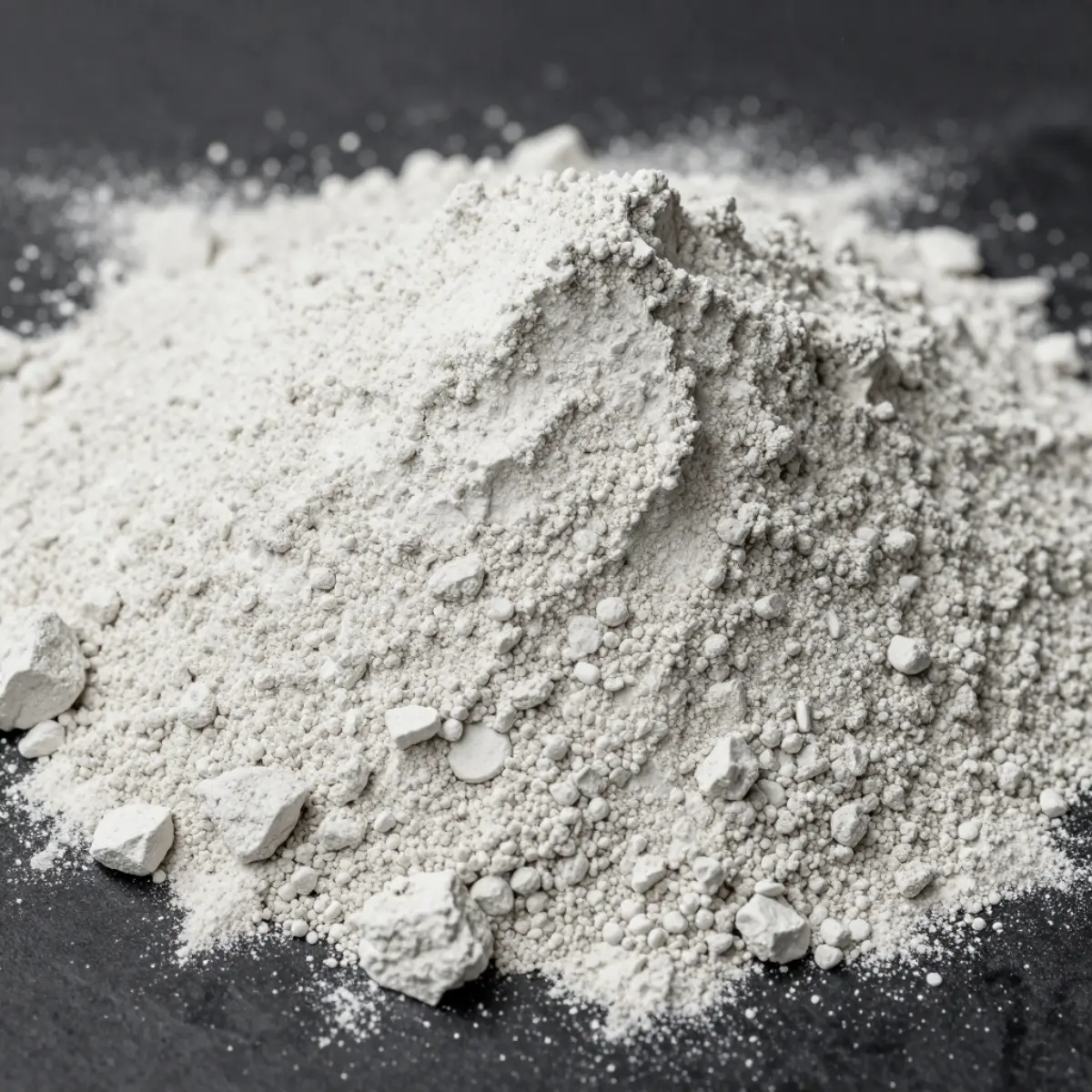
Because fluorspar is used in small additions, consistent sizing matters more than absolute quantity. Fines fluidize the slag too quickly and are lost to the off-gas before they can do useful work; oversize lumps dissolve too slowly to influence the early slag-forming period when the benefit is greatest. Low-sulfur metallurgical-grade fluorspar, screened to controlled lump and gravel gradings, lets the melt shop dose the minimum effective addition heat after heat. Combined with disciplined slag practice — as outlined in our steel-mill deoxidizer supply engagement — this protects both the refractory campaign and the sulfur-specification compliance, and is one of the most effective levers a steelmill has for stabilizing slag behavior across every heat.