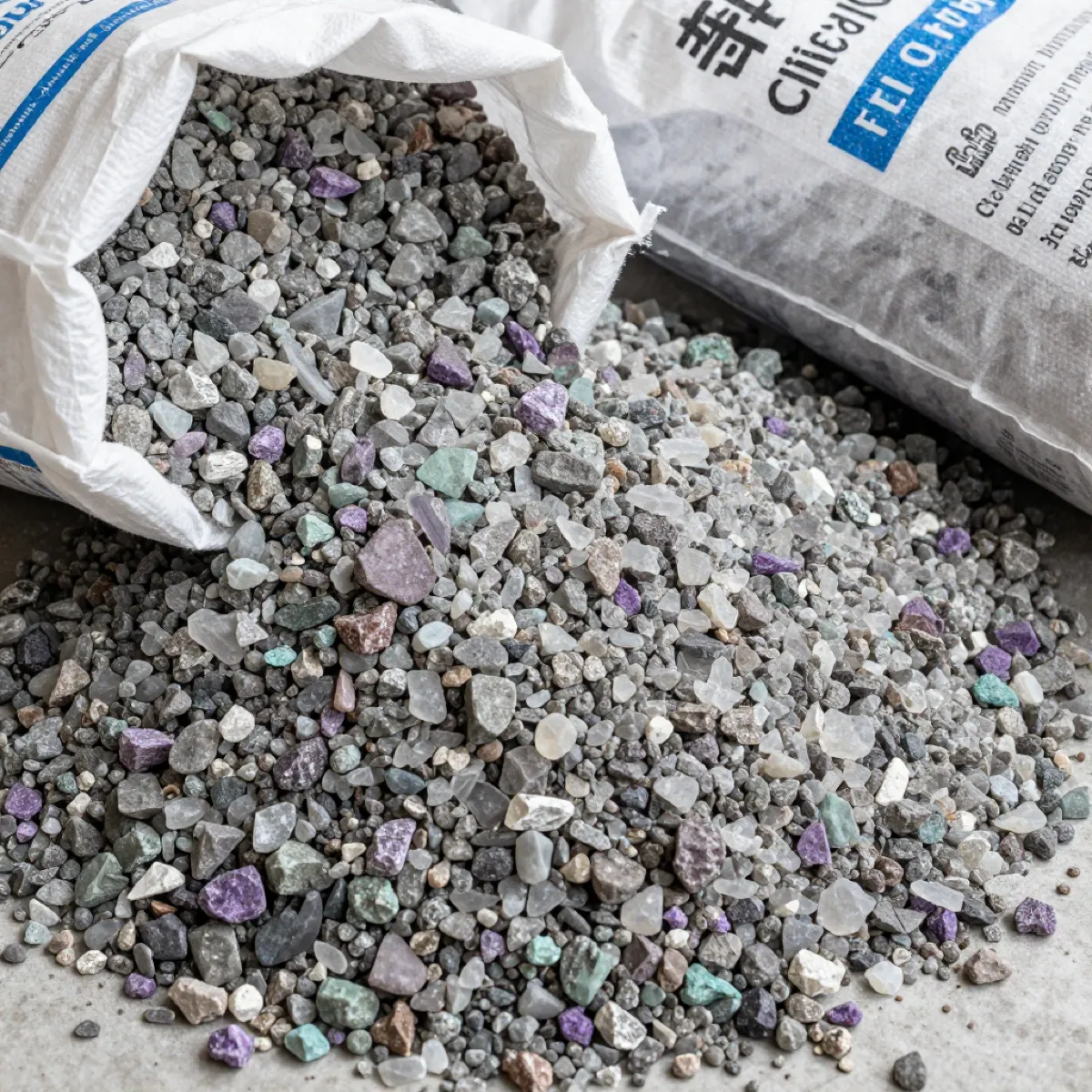
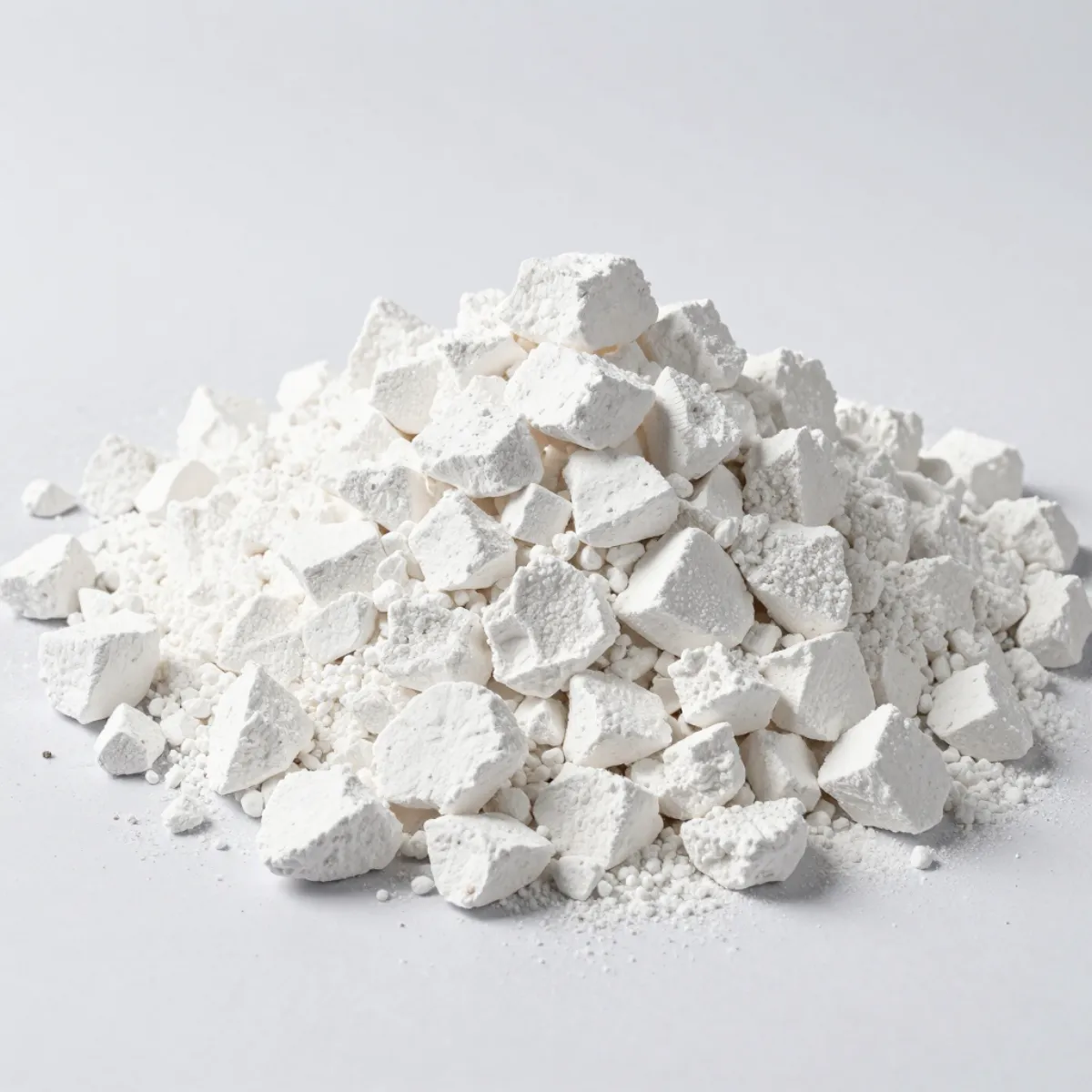
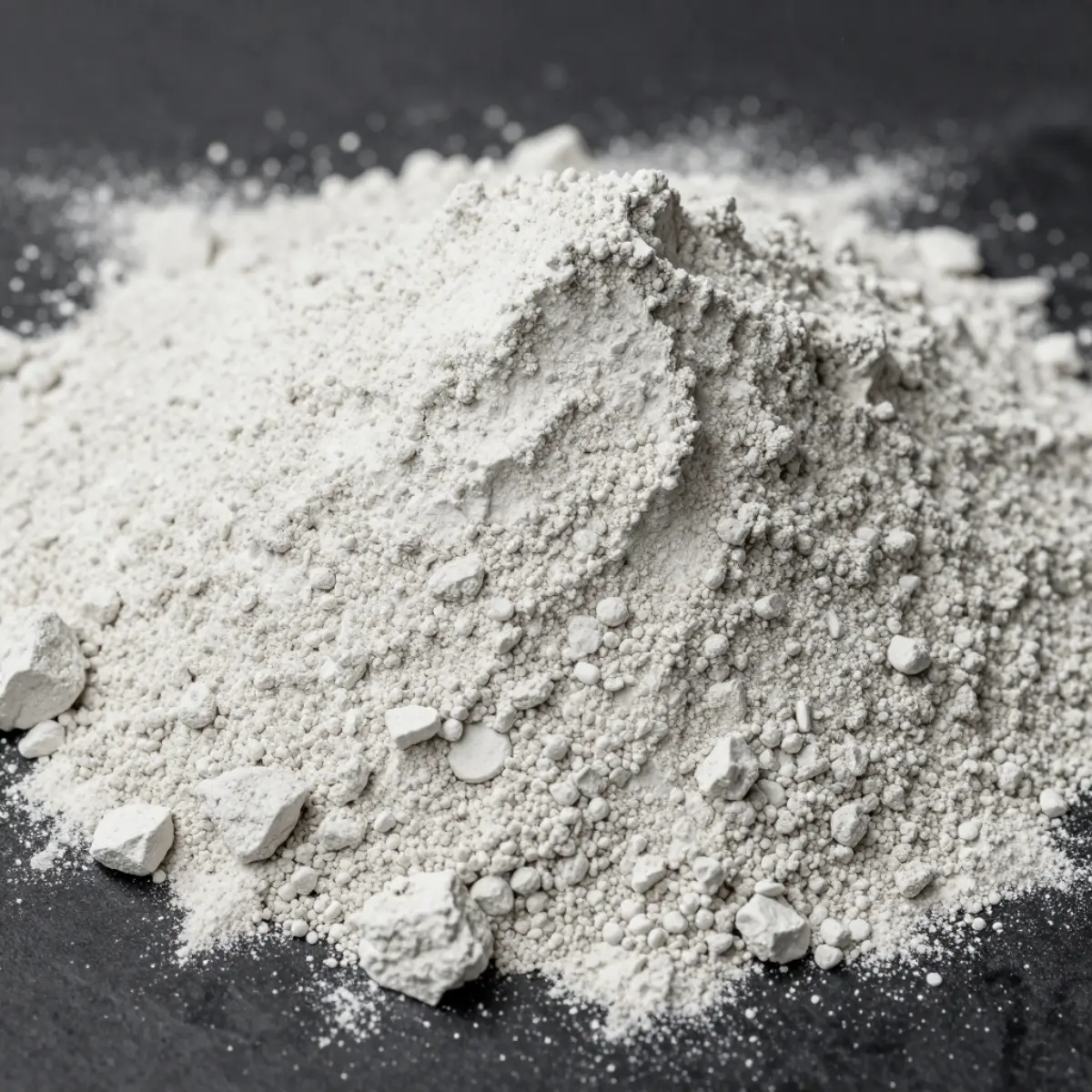
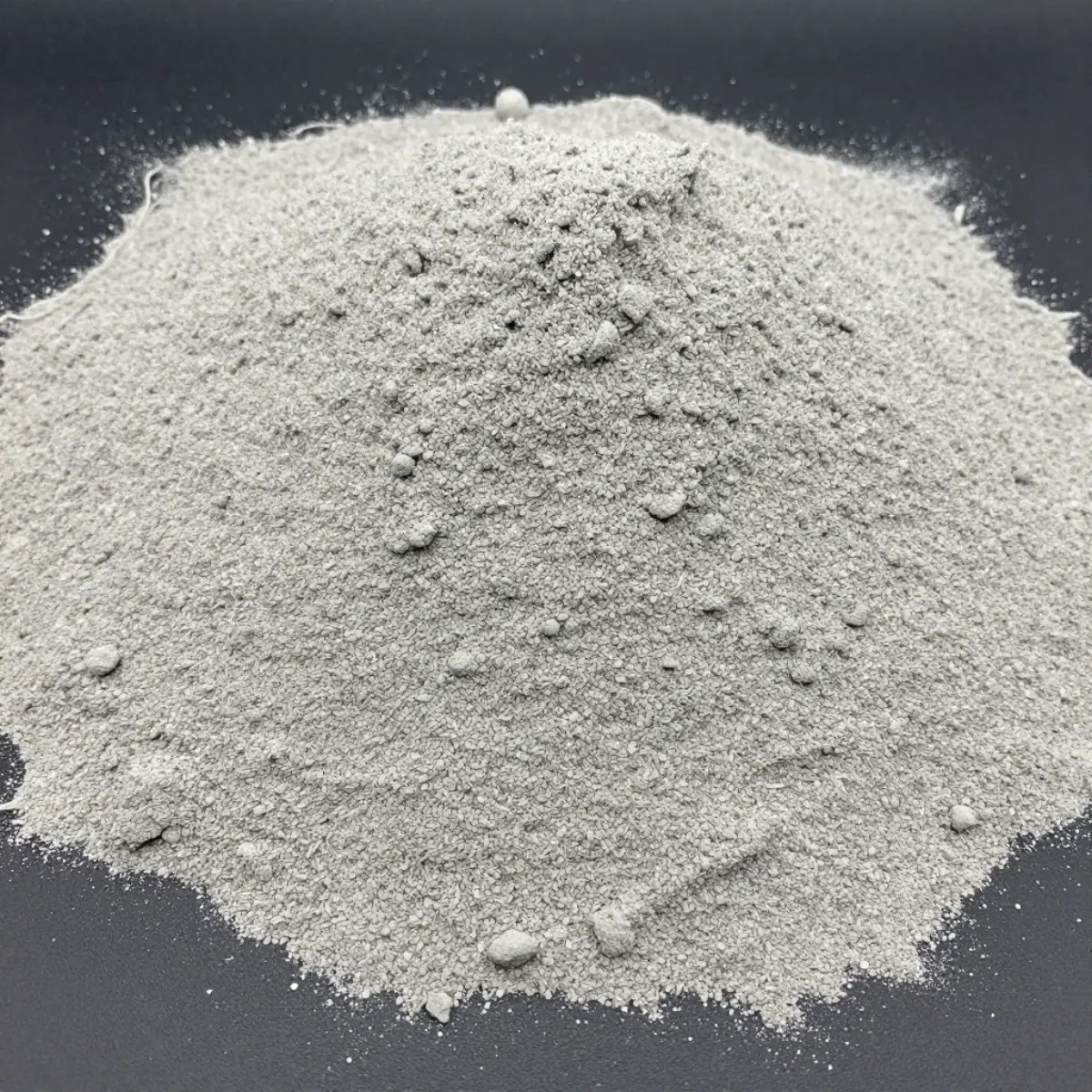
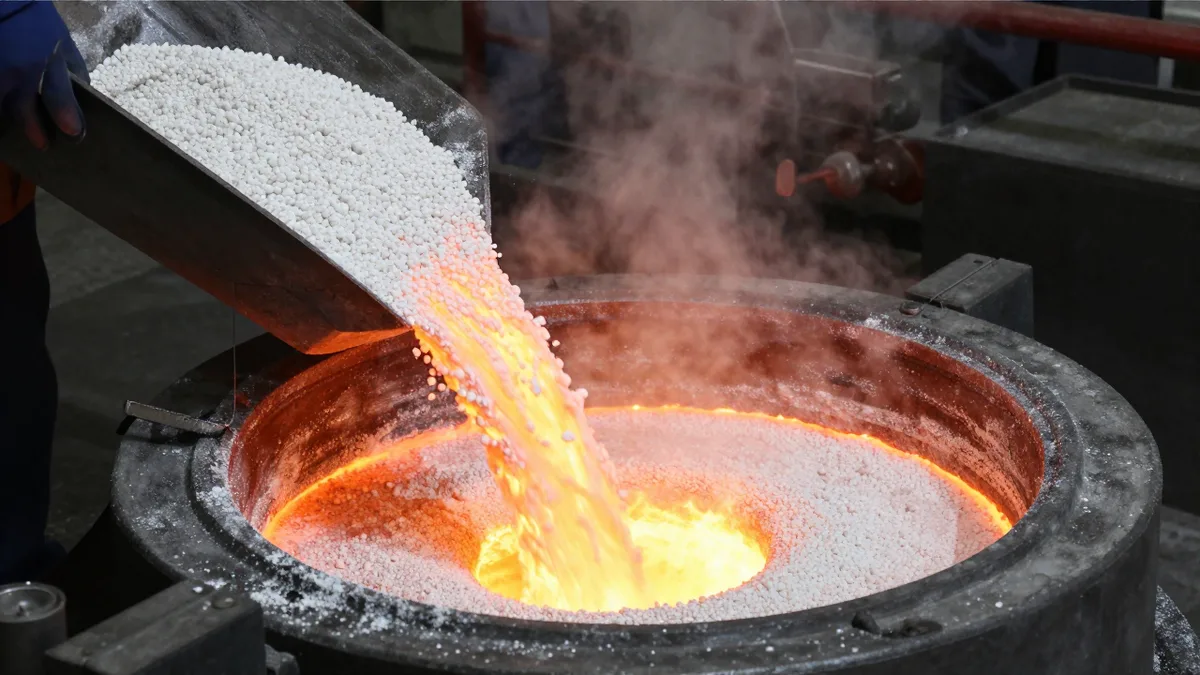
Fluorspar (calcium fluoride, CaF₂) is the most effective slag-fluidizing agent used in steelmaking and secondary refining, employed in small but metallurgically critical additions to control the viscosity, liquidus, and reactivity of the slag. Although it contributes no metal to the steel — its role is purely physical-chemical, in the slag phase — fluorspar has an outsized influence on how fast and how completely the slag performs its core functions of sulfur removal, phosphorus removal, and heat-transfer coupling to the arc. Produced from fluorspar ore (fluorite) by crushing, screening, and beneficiation, metallurgical-grade fluorspar is supplied at CaF₂ contents from 75% upward, in lump and gravel gradings matched to furnace charging practice.
The defining property of fluorspar is its ability to dramatically lower the melting point and viscosity of high-lime slags at very low addition rates. In the basic oxygen furnace (BOF), electric arc furnace (EAF), and ladle furnace, the slag must carry a high CaO content to provide the basicity required for desulfurization and dephosphorization — but high-CaO slags are viscous, high-melting, and slow to dissolve. A small fluorspar addition, often as little as a few kilograms per tonne of steel, breaks up the calcium-silicate network in the slag, lowers its liquidus temperature, and thins its viscosity. The fluidized slag dissolves quicklime additions rapidly, develops a high slag-metal interfacial area, and allows the desulfurization reaction (CaO + S → CaS + O) and dephosphorization reaction to proceed near their thermodynamic limits rather than being rate-limited by sluggish slag mass transfer.
In EAF steelmaking, fluorspar plays a second role: foam-slag stability. A foamy slag covers the electric arc, shielding the refractory walls from radiation and transferring more of the arc’s heat into the bath — improving energy efficiency and protecting the lining. Fluorspar’s slag-thinning action supports the gas generation and slag viscosity balance required to sustain a stable foam throughout the meltdown and refining periods. In ladle furnace (LF) refining, fluorspar is a key ingredient of synthetic refining slags, combined with quicklime, refined slag, and alumina to produce the high-basicity, low-viscosity, low-FeO slags that drive deep desulfurization to the sulfur levels below 0.005% required by high-quality line-pipe and forging steels.
The metallurgical effectiveness of fluorspar is not in question, but its use requires disciplined control of two downsides. The first is refractory attack. Fluorspar’s fluxing action is non-selective: it fluidizes slag, but it also attacks the magnesia-carbon and high-alumina refractory linings of the furnace and ladle, accelerating wear and shortening the lining campaign. Excessive fluorspar addition — used as a shortcut to fix a poorly melting slag — can cut refractory life enough to outweigh the process benefit. Modern practice is to use the minimum fluorspar addition consistent with achieving the required slag fluidity, often in combination with covering agents and refined-slag builders that reduce the dependence on CaF₂. The second constraint is environmental: fluorine-bearing slags face reuse and disposal restrictions in many jurisdictions, and gaseous fluorine emissions must be managed in the off-gas system, so fluorspar use is minimized on environmental as well as refractory grounds.
For these reasons, fluorspar is best understood not as a bulk flux but as a precision tool — used in small, controlled additions where its slag-fluidizing effect delivers the most metallurgical value per kilogram. Our metallurgical-grade fluorspar is supplied at ≥75% CaF₂ (with acid-grade ≥90–97% material available for specialized applications), low in sulfur (≤0.05%) to avoid sulfur pickup into the bath, and screened to lump (10–60 mm) and gravel (0–10 mm) gradings matched to furnace charging and bin-flow requirements. Consistent sizing matters: fines fluidize the slag too quickly and are lost to the off-gas; oversize lumps dissolve too slowly to influence the early slag-forming period. Certified CaF₂ content on every shipment lets the melt shop dose to the minimum effective addition, protecting both the refractory campaign and the environmental permit.
For procurement, fluorspar sourcing is shaped by three parameters: certified CaF₂ content with controlled silica and low sulfur; grading matched to the furnace’s charging practice; and supply reliability for a material that, while used in small quantities, is metallurgically indispensable. Establishing a long-term fluorspar supply with consistent chemistry and sizing is one of the most effective levers a steelmill has for stabilizing slag behavior, holding desulfurization performance, and protecting refractory life across every heat.
Need pricing or technical confirmation?
Send your application, grade, size, and quantity requirements by email for a faster response.
Request a Quote