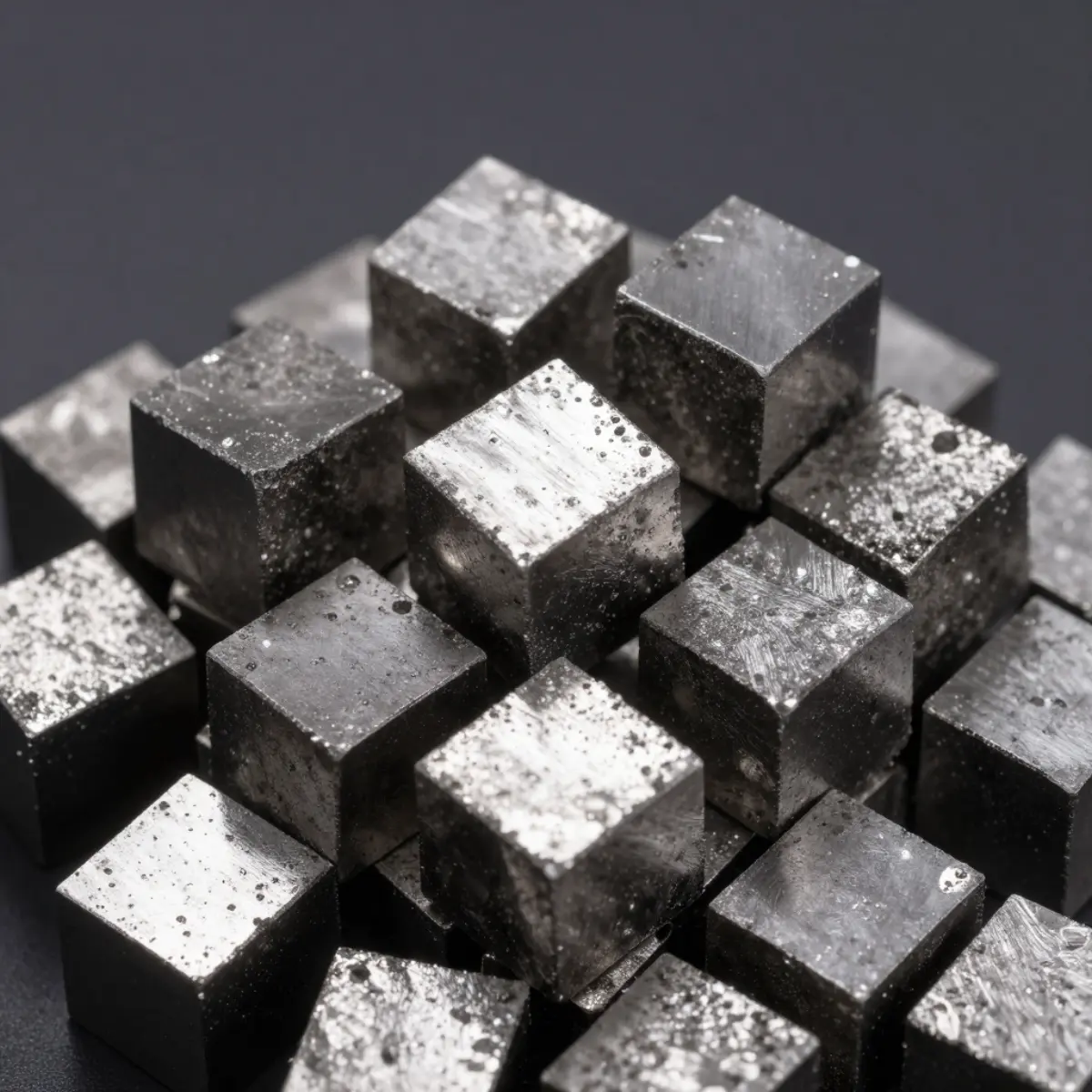
Metallic Silicon in Steelmaking: Properties and Applications
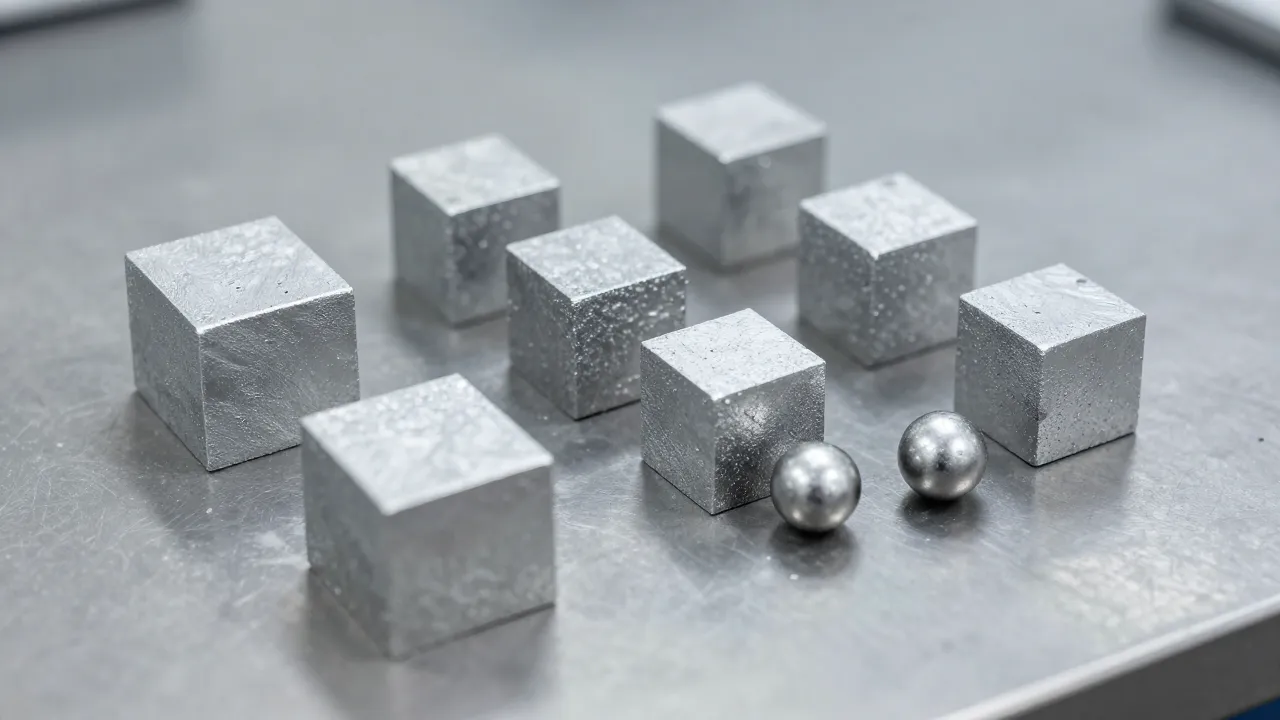
Metallic silicon is a high-purity silicon source used when steelmakers need stronger control over silicon recovery and lower impurity pickup. Compared with standard silicon-bearing alloys, it introduces much less iron and helps keep composition adjustments more precise. This makes it especially useful in specialty steel, clean steel, and any melt where tight chemistry control is more valuable than the lowest alloy cost.
In deoxidation practice, metallic silicon reacts with dissolved oxygen to form silica-based products and reduce oxygen activity in the melt. Its advantage is not a different deoxidation mechanism, but a purer silicon input that supports cleaner alloy design. It can be used for direct silicon adjustment, final composition trimming, or high-grade deoxidation programs where excess residual elements from lower-purity additives are undesirable.
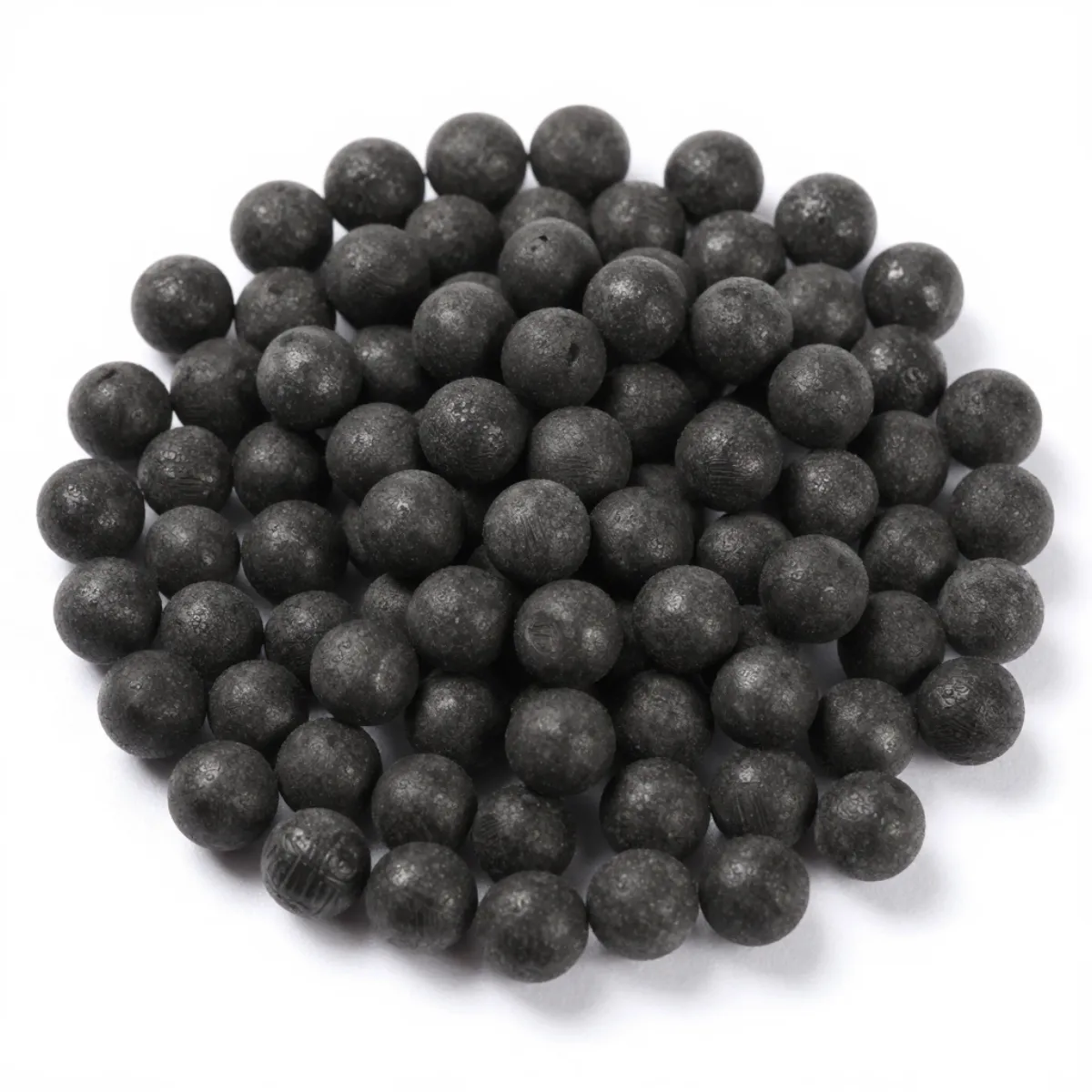
In practical operation, metallic silicon is often chosen when mills want accurate silicon addition without the iron contribution associated with ferrosilicon. It also works well alongside other controlled-dissolution materials such as silicon carbide balls, which can support staged silicon and carbon release in certain furnace or ladle processes. Used correctly, metallic silicon helps improve alloy consistency, reduce unwanted impurity load, and give operators a more stable basis for targeting final chemistry.