Steel Core Aluminum Wire: Enhanced Recovery for Aluminum-Killed Steel Grades
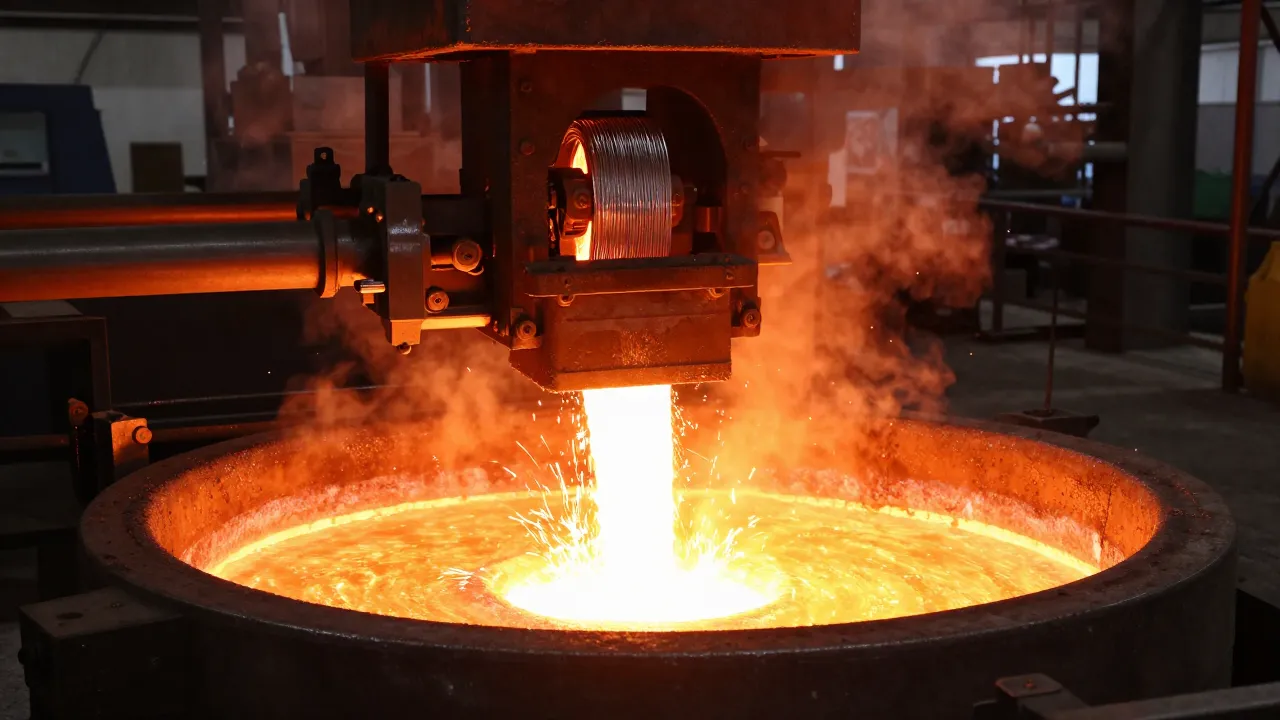
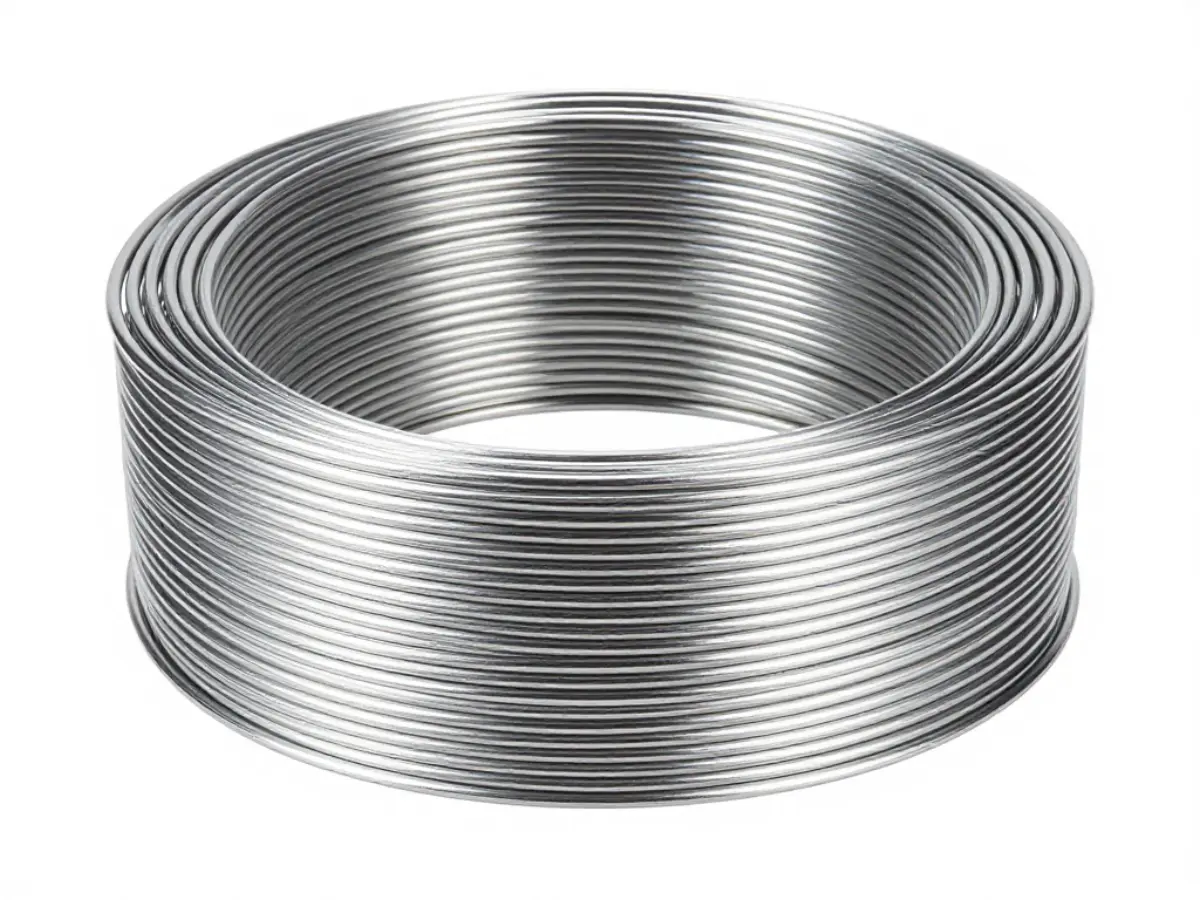
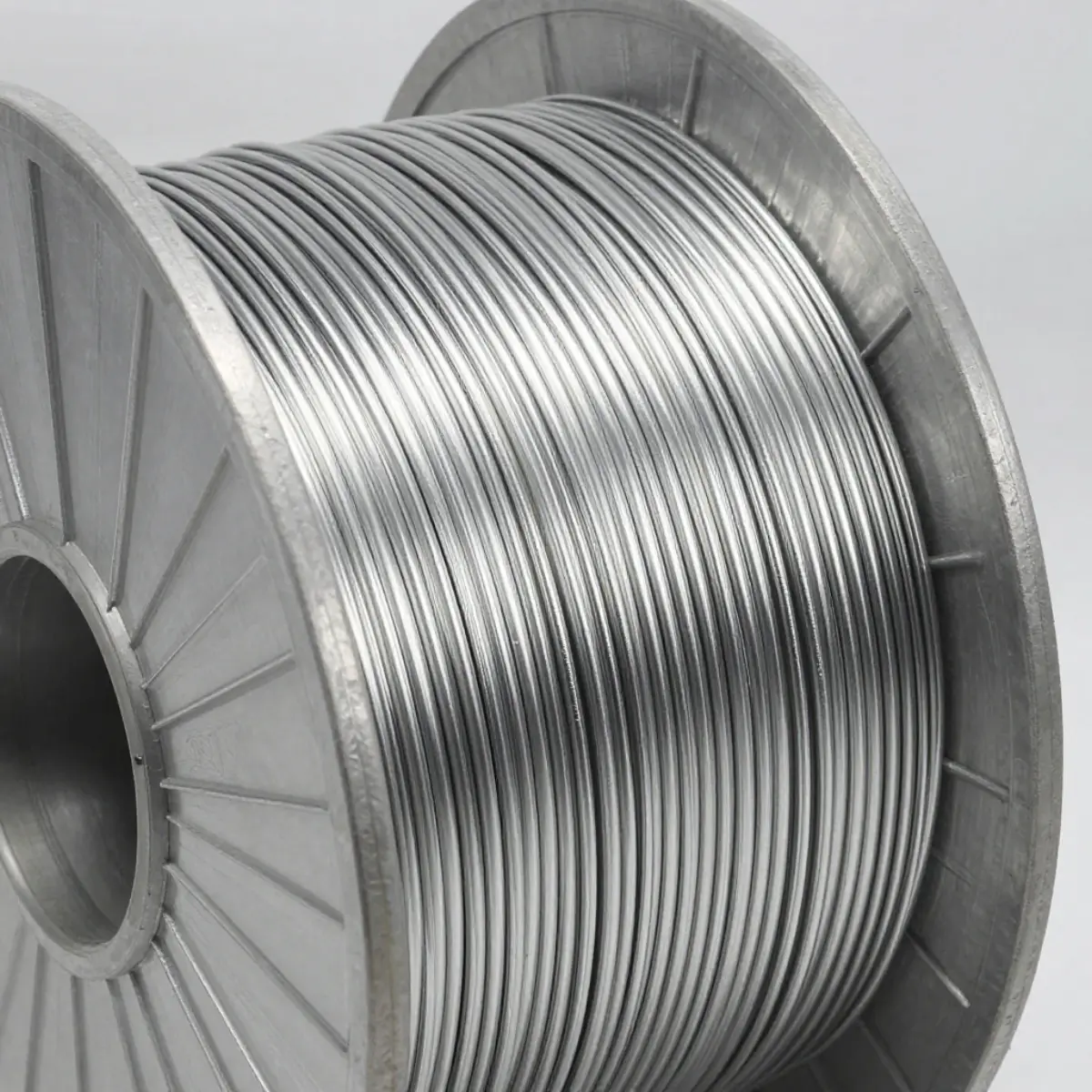
Steel core aluminum wire is a specialized deoxidation product designed for steelmakers who need precise, high-yield aluminum addition in ladle metallurgy. Unlike conventional hollow cored wire or bulk aluminum, steel core aluminum consists of a solid aluminum core encased in a continuous steel sheath. The steel jacket provides density and structural rigidity that allows the wire to penetrate deep into the molten bath before releasing the aluminum, which fundamentally changes how the deoxidation reaction proceeds.
The primary advantage of steel core aluminum wire lies in its recovery efficiency. When standard aluminum wire or ingot is added to the steel surface, a significant portion of the aluminum oxidizes immediately upon contact with slag and atmospheric oxygen before it can dissolve into the bath. Recovery rates for surface addition typically range from 30% to 50%, meaning half or more of the aluminum fed into the ladle is wasted. Steel core aluminum wire addresses this by carrying the aluminum below the slag layer before the steel sheath melts back. The aluminum is then released directly into the metal bulk, where it dissolves and reacts with dissolved oxygen far more efficiently. Typical recovery rates for steel core aluminum wire fall between 60% and 80%, depending on injection parameters and bath conditions.
The applications where this improved recovery matters most are the critical aluminum-killed grades. Interstitial-free (IF) steel for automotive deep-drawing panels, ultra-low-carbon electrical steels, and high-strength low-alloy (HSLA) sheet all require tight control of dissolved aluminum content, often within a narrow target window. In these grades, under-shooting the aluminum target leads to insufficient deoxidation and oxygen-related defects, while over-shooting can cause alumina inclusion clusters that compromise surface quality and formability. Steel core aluminum wire, with its more predictable yield, reduces the variability that makes these grades challenging to produce consistently.
Practical implementation requires attention to several injection parameters. Wire diameter should match the feeder machine capacity, typically 9 to 13 millimeters. Injection speed must be fast enough for the wire to penetrate the slag layer before the sheath begins to melt, but not so fast that the wire deflects or breaks. A speed range of 80 to 150 meters per minute is typical for most ladle configurations. Argon stirring should be maintained during and after injection to promote mixing and homogenization of the dissolved aluminum throughout the bath. For steelmakers producing high volumes of aluminum-killed grades, the combination of reduced aluminum consumption, tighter chemistry control, and lower inclusion counts makes steel core aluminum wire a cost-effective choice despite its higher per-unit price compared to bulk aluminum.