Comprendre la composition de la scorie de raffinage pour la production d'acier
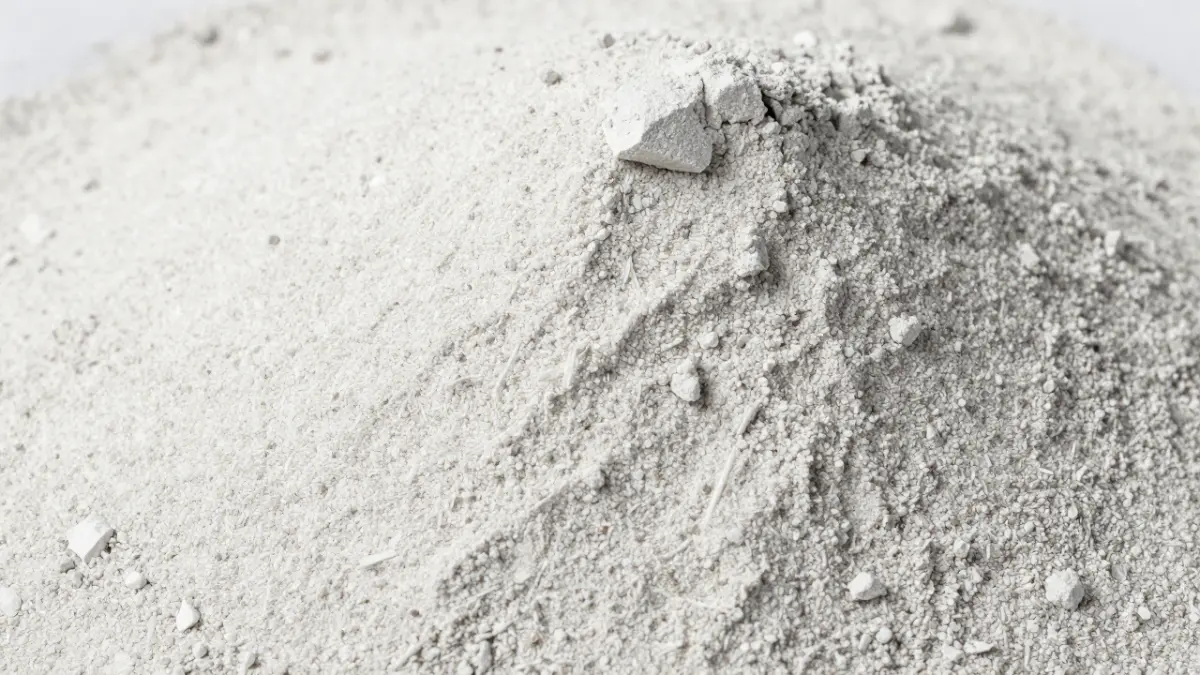
Refining slag is a critical but often overlooked component of secondary steelmaking. The composition of the slag layer in the ladle directly controls desulfurization efficiency, inclusion absorption capacity, and thermal insulation of the melt. Synthetic or pre-mixed refining slags are designed to establish the desired slag chemistry quickly and consistently, eliminating the variability that comes from building slag composition on the fly from individual raw materials.
The key compositional parameters for a refining slag are basicity (CaO/SiO2 ratio), alumina content, and magnesium oxide saturation. A basicity range of 2.0 to 3.5 is typical for desulfurization-focused ladle practices, with higher basicity providing greater sulfur capacity but requiring careful management of slag fluidity. Alumina content affects both slag viscosity and its ability to absorb alumina inclusions from the steel, while MgO saturation prevents refractory attack from the slag. Pre-blended refining slags are formulated to hit these targets from the start of ladle treatment, which means desulfurization begins immediately rather than waiting for the slag to equilibrate.
Fluidity is the practical parameter that ties composition to performance. A slag that is too viscous will not mix effectively with the steel under argon stirring, reducing both desulfurization and inclusion removal rates. A slag that is too fluid may not provide adequate thermal insulation and can cause excessive refractory wear. Fluorspar (CaF2) is sometimes added as a flux to adjust fluidity, but environmental and health concerns have driven many producers to seek fluorspar-free slag formulations that achieve the required fluidity through optimized CaO-Al2O3-SiO2 balance.
For operations that combine refining slag with a covering agent, it is important to distinguish between the two functions. The refining slag is the active metallurgical layer that interacts with the steel, while the covering agent sits on top to provide thermal insulation and prevent air re-oxidation. Using a single product for both purposes is possible for simpler steel grades, but demanding applications such as ultra-low sulfur steels or clean steel grades benefit from dedicated products for each layer. Pre-mixed refining slags that include a covering component offer a practical compromise for operations seeking to simplify their material inventory.