Le rôle du carbure de silicium dans le raffinage de l'acier
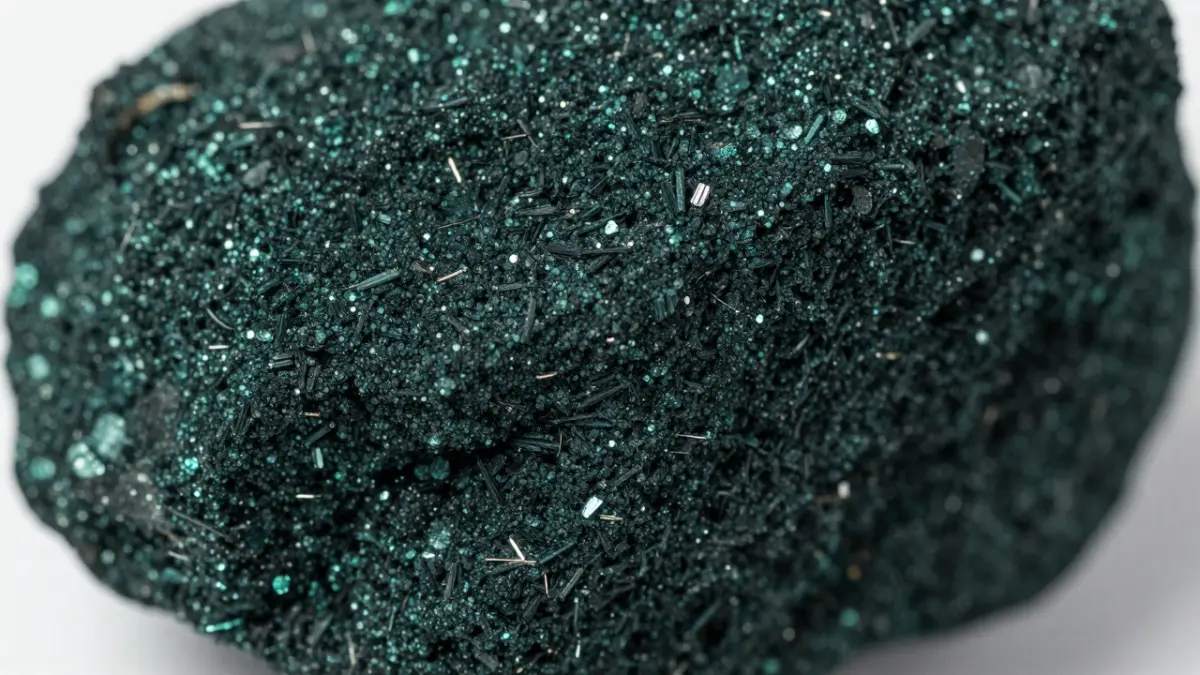
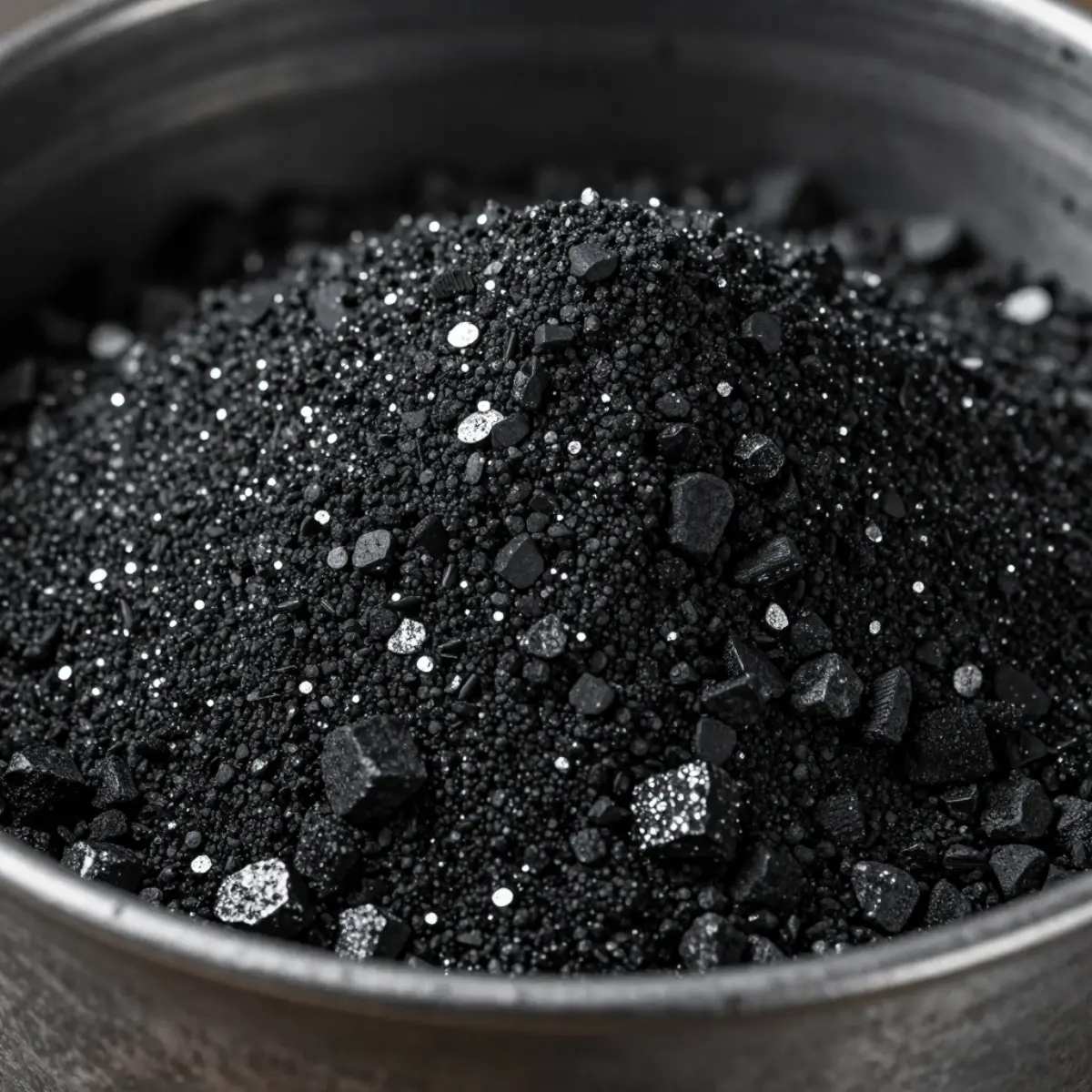
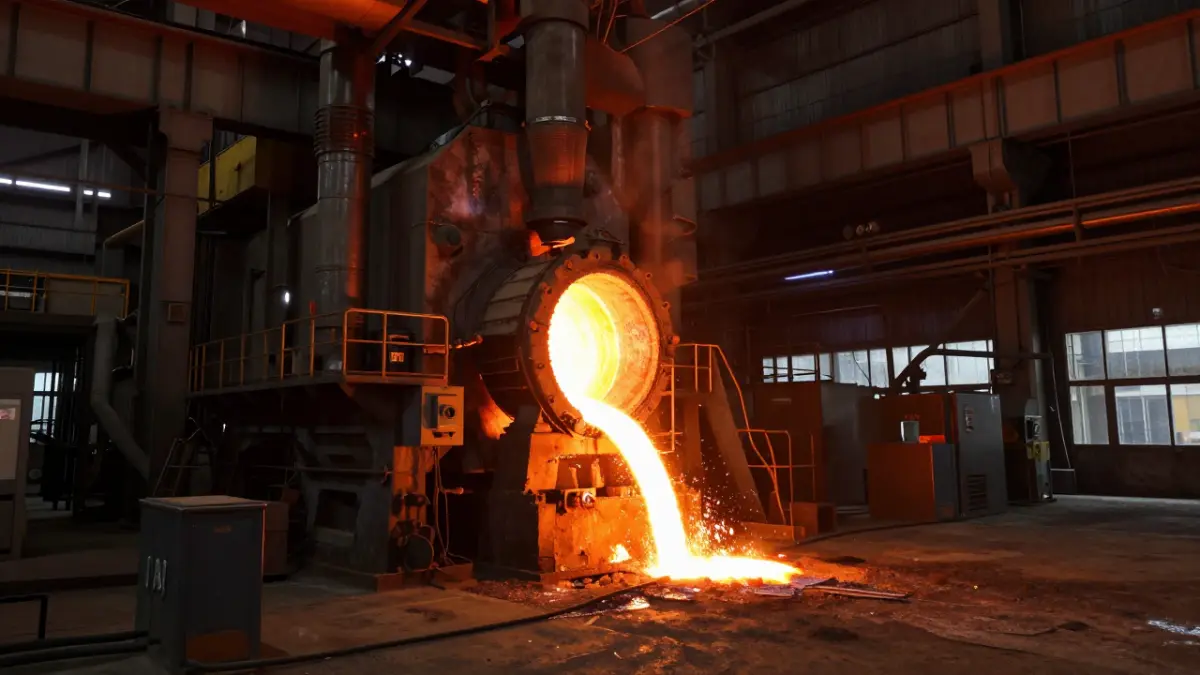
Silicon carbide (SiC) plays a unique dual role in steel refining: it contributes both silicon and carbon to the melt, making it a cost-effective alternative to separate ferrosilicon and carbonizer additions. In electric arc furnace operations, SiC is commonly charged with the scrap to provide early-stage deoxidation and energy contribution during meltdown. The exothermic reaction of SiC with dissolved oxygen releases heat, which can reduce electrical energy consumption per ton of steel.
The deoxidation mechanism of SiC differs from that of pure aluminum or ferrosilicon. When SiC dissolves in the steel bath, the silicon portion reacts with dissolved oxygen to form silica inclusions while the carbon portion goes into solution. This dual action is particularly useful in EAF operations where both deoxidation and carbon adjustment are needed simultaneously. The silica inclusions formed tend to be less harmful than alumina clusters, and they are more easily absorbed into the slag layer. For this reason, some operators prefer SiC as a pre-deoxidizer before final aluminum killing, as it reduces the total aluminum addition needed and improves inclusion cleanliness.
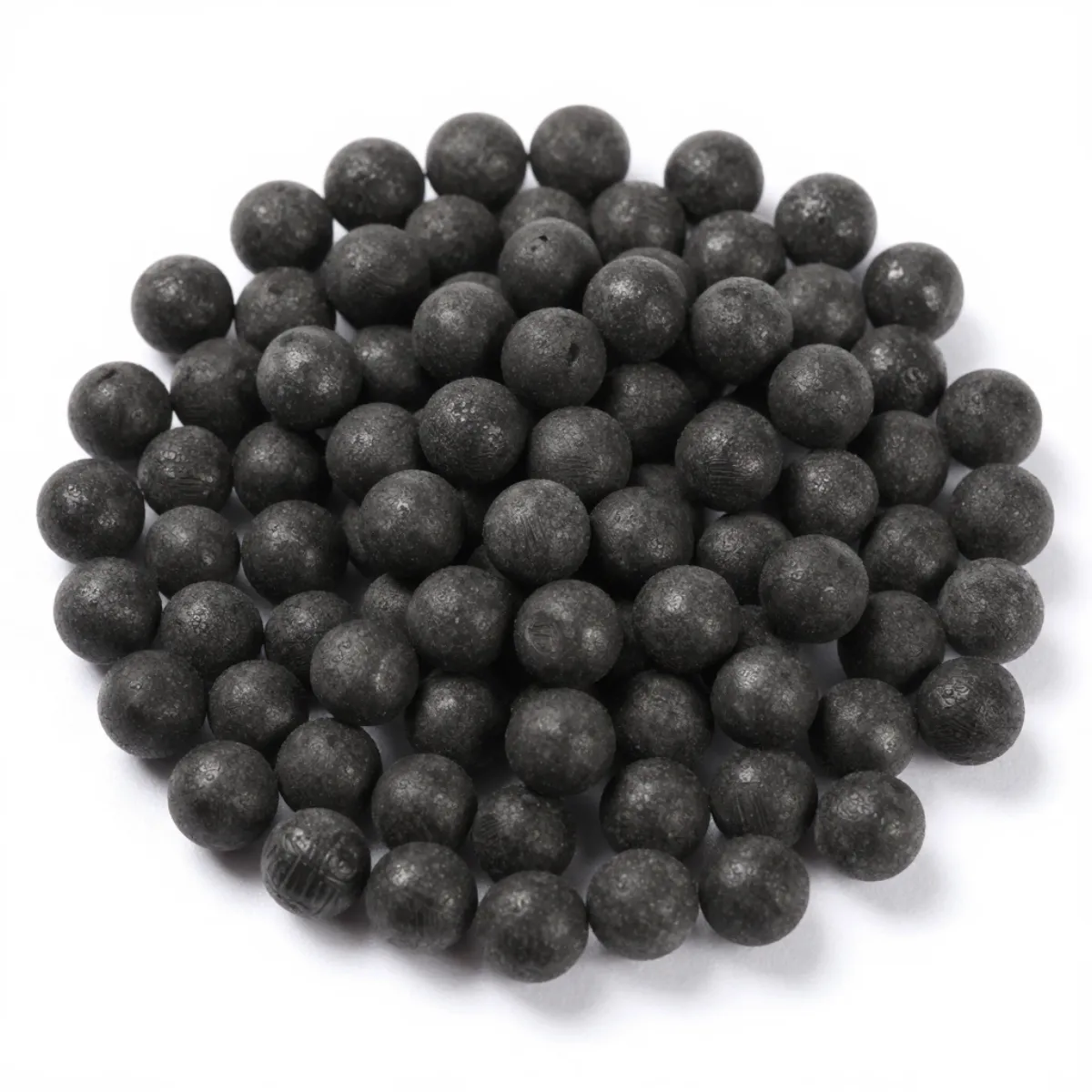
Silicon carbide balls offer a convenient form factor for ladle furnace applications where controlled additions are needed. The briquetted form provides consistent size and density for automated feeding systems, and the compact shape reduces dust generation compared to loose grain. Typical SiC content ranges from 85% to 98%, with higher purity grades commanding a premium but delivering more predictable results. Operators should match the SiC grade to their process: lower purity grades are adequate for bulk EAF charge applications, while higher purity material is recommended for ladle furnace carbon-silicon adjustment where precision matters.
The economic case for SiC depends on the relative pricing of ferrosilicon and carbonizers in your market. When ferrosilicon prices are high, SiC becomes an attractive partial substitute. However, buyers should account for the different recovery rates: silicon recovery from SiC is typically lower than from ferrosilicon because some silicon is lost to slag before it can react with dissolved oxygen.