Steel Refining Materials Platform Digitizes Global B2B Sourcing
The global steel refining materials sector is undergoing a structural shift in how procurement is conducted. For decades, sourcing ferroalloys, carbonizers, and deoxidizers meant relying on personal networks, trade show encounters, and weeks of back-and-forth negotiation over phone and email. A new generation of digital platforms is changing that equation, and steelrefiningmaterials.com, operated by KHAKI TRADING CO., LIMITED, has emerged as one of the most comprehensive examples of this transformation.
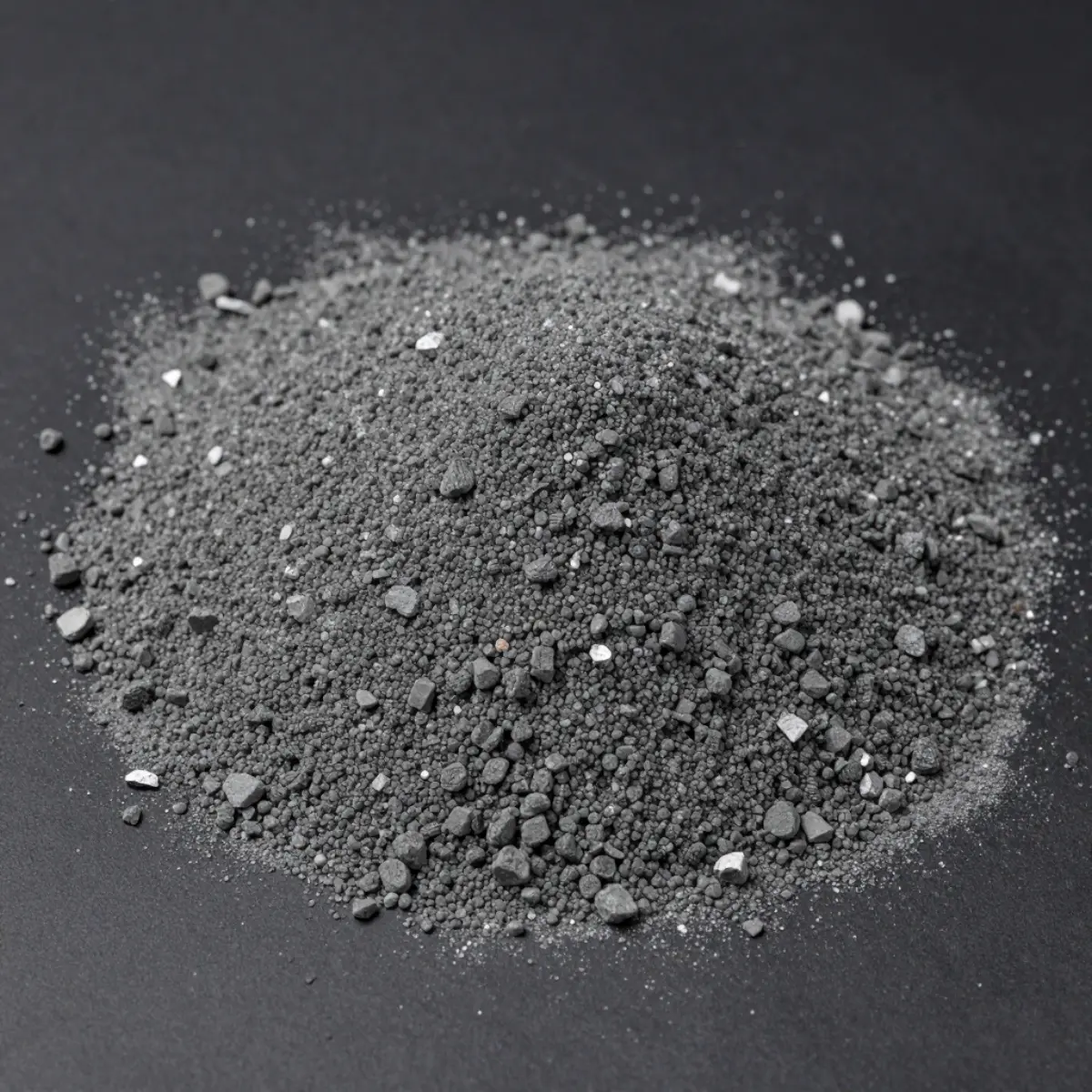
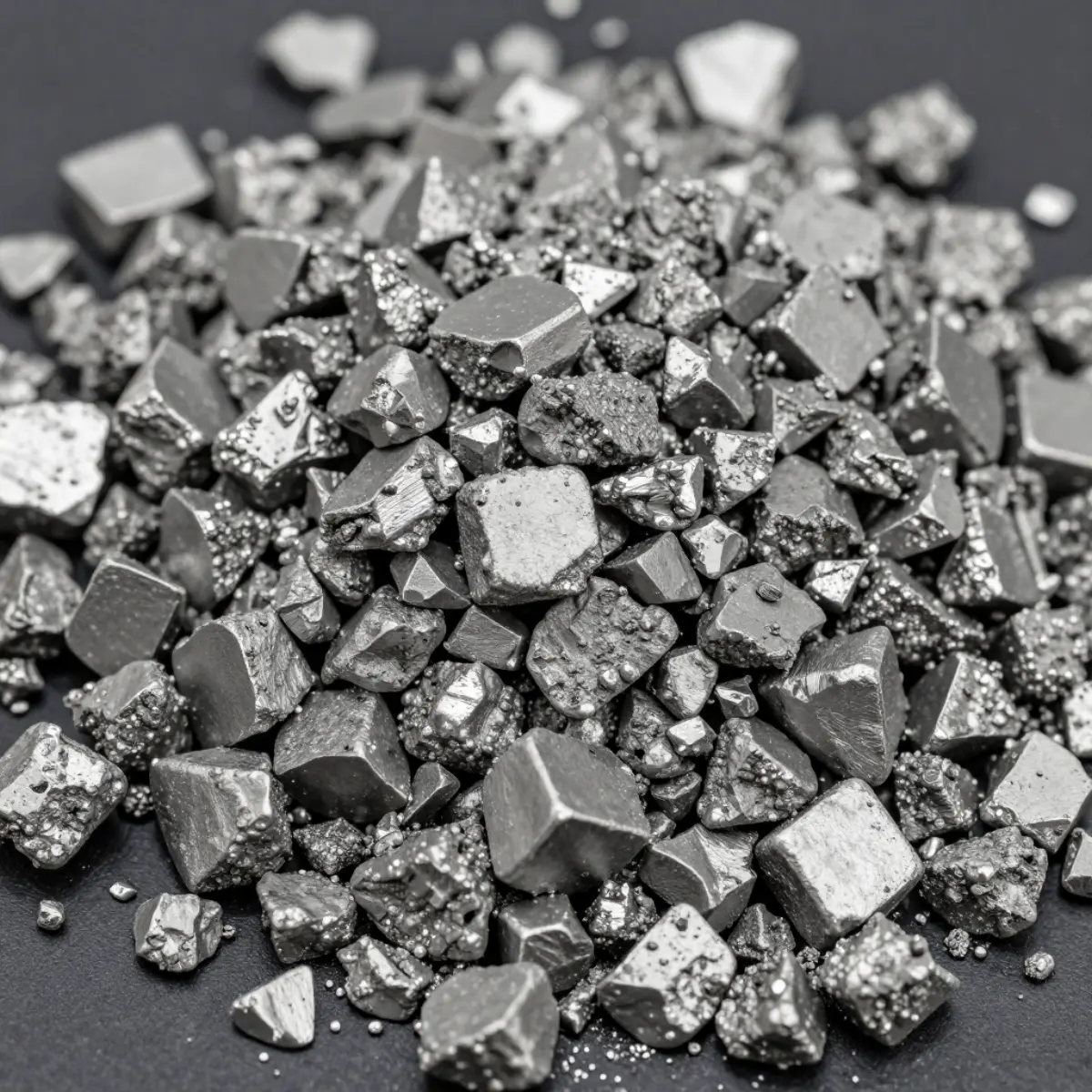
The platform lists 32 product categories spanning the full spectrum of steel refining inputs — from carbonizer grades for electric arc furnace carbon adjustment to deoxidizer compounds used in ladle metallurgy. Ferroalloys, aluminum products, silicon carbide, core wire, covering agents, and refractory materials are all cataloged with detailed specification sheets, enabling buyers to evaluate products against their process requirements before initiating contact with the supplier.
From trade shows to transparent specification matching
Historically, B2B sourcing for steel refining materials presented a significant information asymmetry problem. Buyers — typically procurement engineers at steel mills, foundries, or alloy producers — had limited visibility into product availability, pricing benchmarks, and supplier quality records. Trade shows in Düsseldorf, Shanghai, and Mumbai served as annual focal points for deal-making, but the intermittent nature of these events left buyers exposed to supply disruptions between cycles.
steelrefiningmaterials.com addresses this gap by providing a continuously accessible, specification-first marketplace. Each product listing includes chemistry ranges, particle size options, packaging specifications, and typical application guidance. The platform’s steel mill deoxidizer supply case study demonstrates how a major steel producer was able to reduce sourcing lead time by moving specification verification online, eliminating the need for preliminary sample exchanges in over 60% of repeat orders.
Multilingual infrastructure for cross-border trade
A notable technical feature of the platform is its support for 17 languages. Steel refining materials are a globally traded commodity, and buyer populations span regions where English is not the primary business language — including Turkey, Russia, Vietnam, Brazil, and the Arabic-speaking Middle East. By localizing product information, technical documentation, and inquiry workflows, the platform reduces a persistent friction point in international metallurgical trade.
The language coverage extends beyond basic translation. Product specifications for ferrosilicon, for example, are presented with regionally appropriate terminology and grade nomenclature, reflecting the fact that FeSi 75% is referred to differently across markets. This attention to localization detail has contributed to the platform’s reported reach across more than 80 countries.
Supply chain transparency and global logistics
Beyond product discovery, the platform integrates supply chain information that buyers previously had to assemble from multiple sources. Shipment tracking, certificate of analysis documentation, and compliance paperwork for customs clearance are coordinated through the platform’s communication layer. For buyers managing just-in-time inventory at steelmaking facilities, this consolidation of information flow represents a meaningful operational improvement.
The breadth of product coverage — 32 categories ranging from bulk carbonizers to specialized deoxidizer blends — means that procurement teams can consolidate orders across multiple material types, reducing the number of supplier relationships they need to manage and the associated logistical complexity.
Industry context and outlook
The digitalization of B2B sourcing in the metals sector is not unique to steel refining materials. Similar platform-driven transformation has been observed in base metals trading, industrial ceramics, and specialty chemicals. What distinguishes steelrefiningmaterials.com is the depth of its product catalog within its vertical and the deliberate investment in multilingual accessibility.
Global steel production continues to grow, with crude steel output exceeding 1.9 billion tonnes annually. Each tonne of steel produced requires refining inputs — carbon recarburizers, deoxidizing agents, alloying additions, and refractory linings — creating a recurring demand profile that benefits from the efficiency gains of digital procurement.
KHAKI TRADING CO., LIMITED operates the platform from its base in China, leveraging the country’s position as the world’s largest producer of ferroalloys and steel refining materials. The platform’s product sourcing network connects Chinese manufacturers directly with international buyers, shortening the traditional multi-layer distribution chain.
For procurement professionals in the steel and foundry sectors, the platform represents a practical example of how vertical-specific digital tools are replacing legacy sourcing methods. The combination of comprehensive product data, multilingual support, and integrated logistics coordination addresses the core pain points that have historically made international sourcing of steel refining materials inefficient and unreliable.
As the steel industry continues to face pressure on margins and production efficiency, the ability to source refining materials faster, with greater specification confidence, and across fewer intermediary steps is likely to accelerate the adoption of platforms like steelrefiningmaterials.com. The shift from relationship-dependent sourcing to data-driven procurement is well underway, and the steel refining materials vertical appears to be the latest sector to feel its effects.