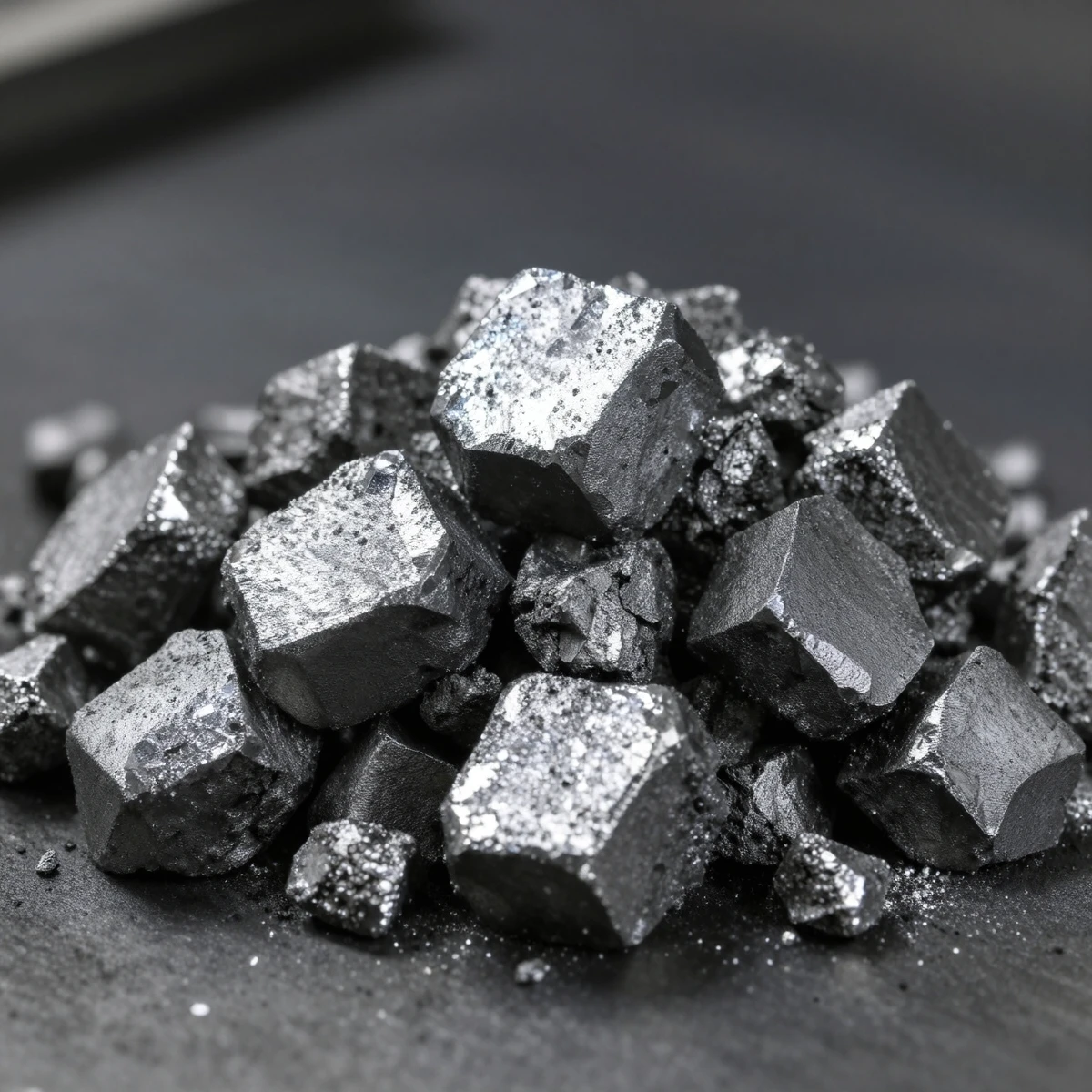
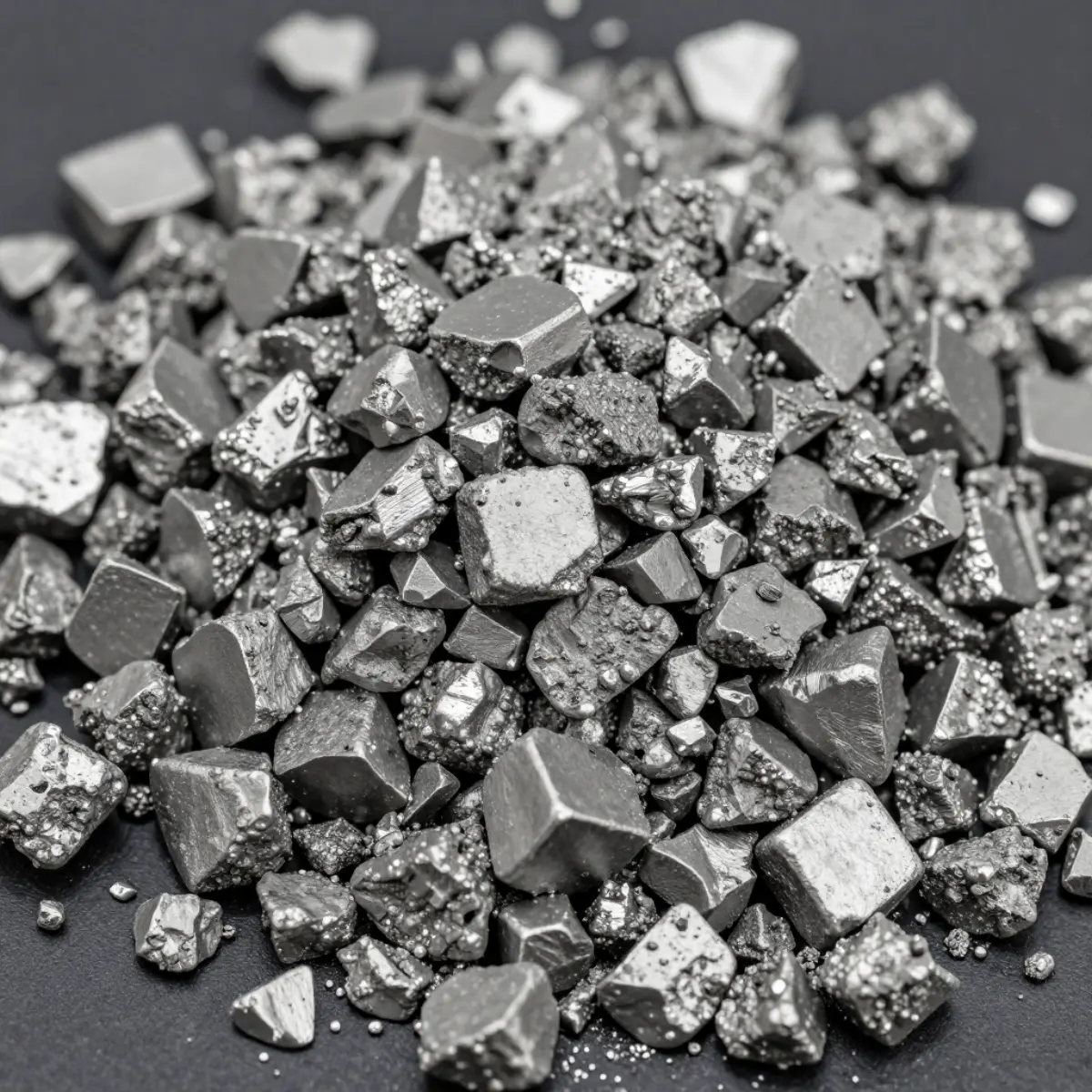
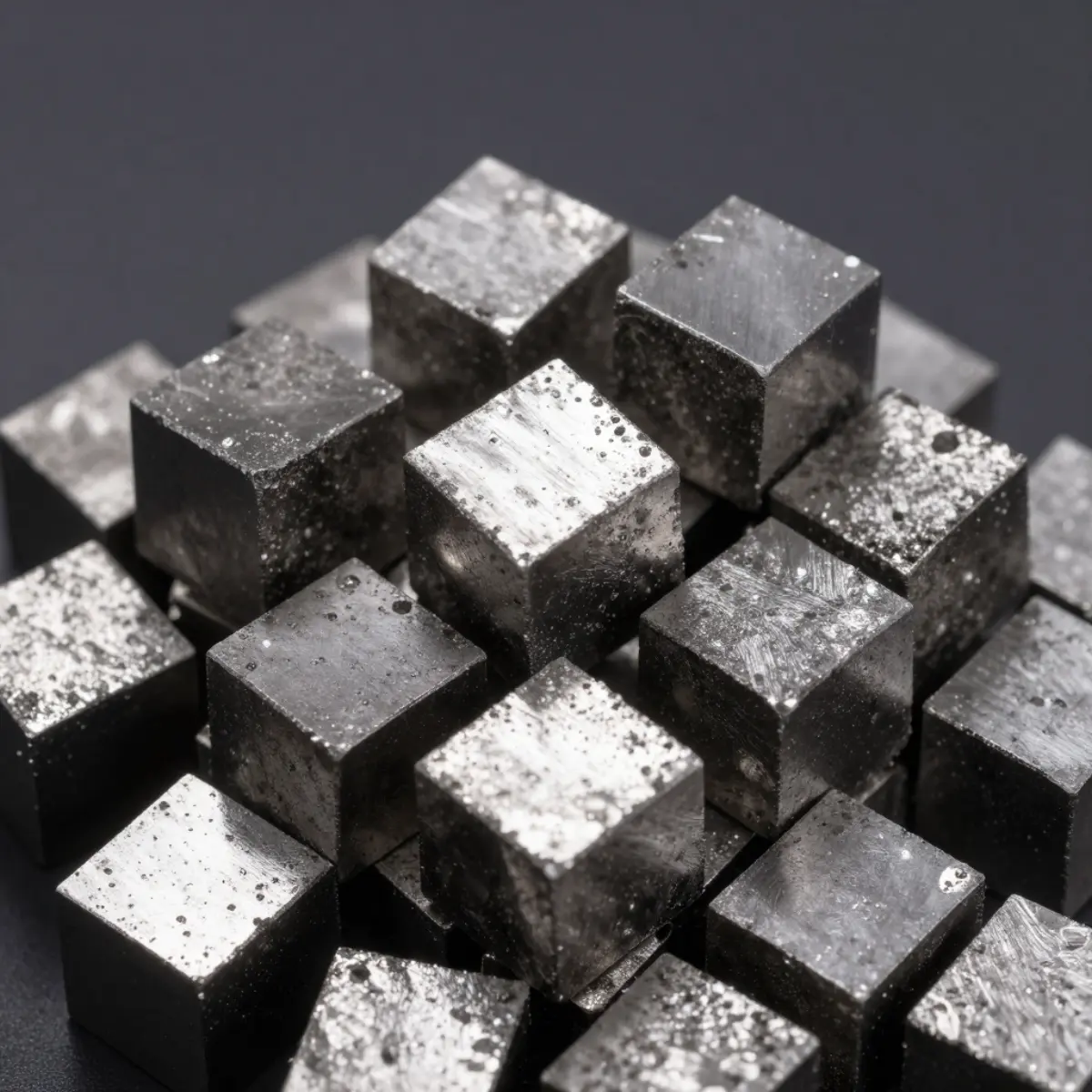
Ferrosilicon 65% is the economical entry grade of the standard ferrosilicon range (65/72/75), the grade number denoting the approximate silicon content of the alloy. It is produced by the carbothermic reduction of silica with carbon electrodes in an electric arc furnace, where the lower silicon content gives FeSi 65 a lower melting point than its higher-silicon siblings; the alloy breaks from the furnace as a hard, lustrous, dark-gray metallic mass with a characteristic crystalline fracture. With silicon at 62–68%, FeSi 65% is the lowest-cost ferrosilicon grade on the market, and it is precisely this economy — not a metallurgical limitation — that has made it the default deoxidation choice for high-volume producers of commodity carbon steel, where the final silicon specification is broad and deoxidation capacity, rather than silicon alloying precision, is what matters.
FeSi 65% deoxidizes molten steel by the same chemistry as any ferrosilicon grade: silicon reduces dissolved oxygen in the melt to silica, which reports to the slag or is absorbed by it, leaving the bath oxygen-lean and ready for casting or transfer. Deoxidation recovery — the fraction of the added silicon that dissolves and reacts — typically ranges from 75% to 90% depending on addition method, bath temperature, and stirring, and is not materially lower for the 65 grade than for the 75 grade. The price of the entry grade’s economy is arithmetic: with 7 to 12 percentage points less silicon per kilogram of alloy, achieving the same deoxidation effect requires proportionally more material per ton of steel, which increases slag volume and handling workload. For operations producing commodity grades at maximum tonnage, where the silicon specification is a broad range and deoxidation — not alloying — is the primary duty, this trade-off still settles on the cheaper side, because cost per ton of deoxidized steel is the dominant term in the comparison. For steel plants that must hold silicon to a tight alloying level, or that run clean-steel grades where every kilogram of added alloy is weighed against slag and yield, the higher grades (FeSi 72%, FeSi 75%) are the better fit, and that distinction should drive the purchase specification.
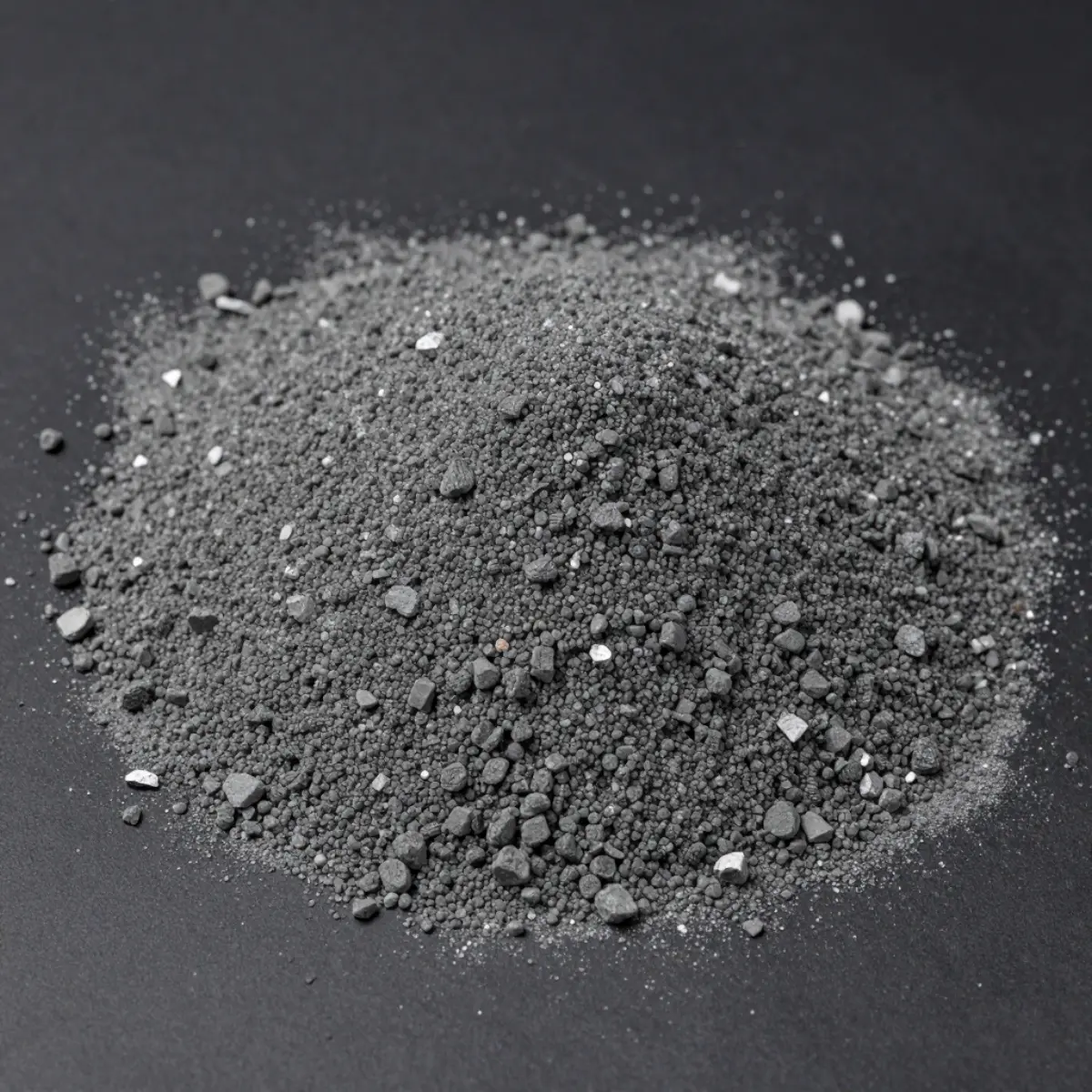
Sizing is matched to the delivery method: lumps for furnace charging and direct alloy-hopper additions, nuts for intermediate metering and blending, and controlled fines for injection systems. Impurity control matters even at the entry grade. Aluminum at or below 1.5% limits alumina inclusion generation in the deoxidized steel; phosphorus at or below 0.04% prevents softening of the final product; sulfur at or below 0.02% keeps the desulfurization burden low; and carbon at or below 0.2% avoids unintended carbon pickup when the alloy is used in deoxidation service. The alloy is dense, chemically stable, and non-hygroscopic, so it can be stored in dry stockyards with minimal degradation, provided it is kept under cover from persistent moisture and segregated from reactive fluxes. Each consignment should be verified against the certificate of analysis by spectrographic determination of silicon, aluminum, phosphorus, sulfur, and carbon, and by sieve inspection of the size distribution specified on the purchase order.
Choosing FeSi 65% is a cost decision that the grade itself justifies: carbon structural steels, plate, and long products where the silicon specification is broad and the deoxidation duty is the primary function; semi-killed and rimmed grades requiring moderate silicon at casting; and high-volume EAF and BOF operations where the alloy bill per ton is a first-order cost item. In foundry service, FeSi 65% serves pre-deoxidation and auxiliary deoxidation in induction furnace melting, where its lower silicon content gives the meltmaster finer control over the carbon-silicon balance in gray and malleable irons. KHAKI TRADING CO., LIMITED supplies FeSi 65% across a portfolio spanning 32 product categories and serving customers in over 80 countries, with bilingual documentation and technical support available in 17 languages to match mill procurement and metallurgical requirements.
Need pricing or technical confirmation?
Send your application, grade, size, and quantity requirements by email for a faster response.
Request a Quote