Calcium Carbide Desulfurization in Steelmaking
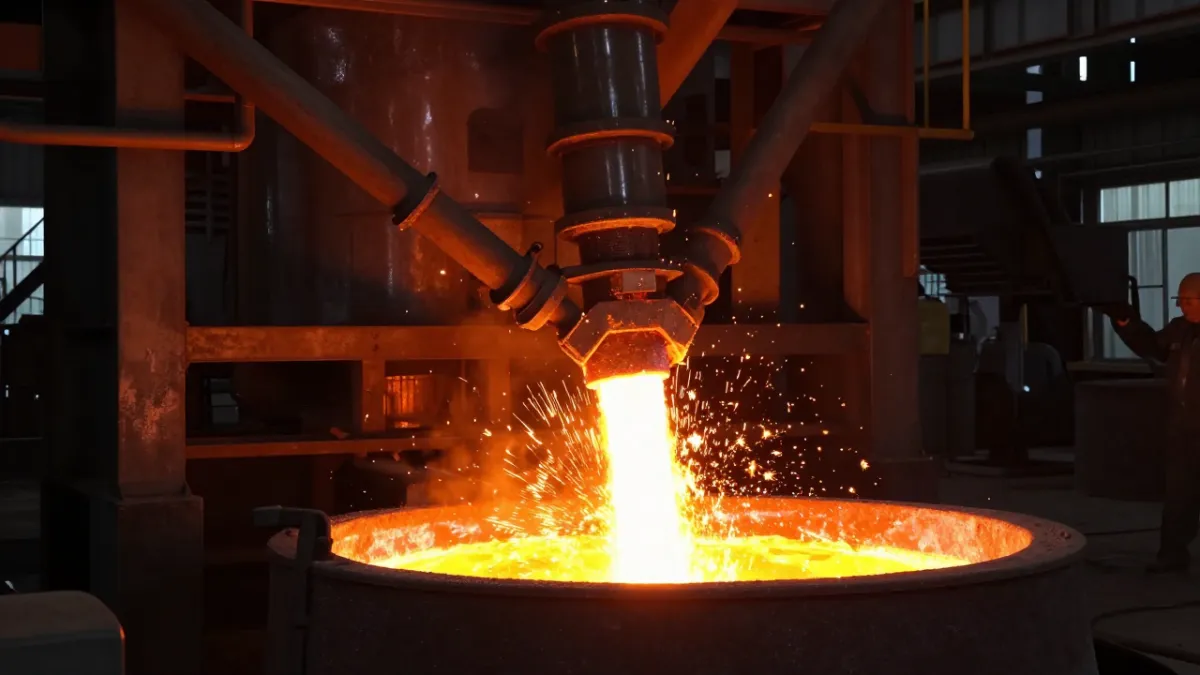
Sulfur is one of the most detrimental impurities in steel, causing hot shortness, reducing ductility, and degrading weldability. For steel grades that demand sulfur content below 0.01 percent — such as deep-drawing steels, pipeline grades, and high-strength low-alloy structural steels — desulfurization of hot metal before entering the basic oxygen furnace is far more efficient and economical than trying to remove sulfur from the liquid steel later in the process. Calcium carbide (CaC2) has established itself as one of the most effective desulfurization reagents for this pre-treatment stage, capable of reducing sulfur levels to below 0.005 percent when applied correctly.
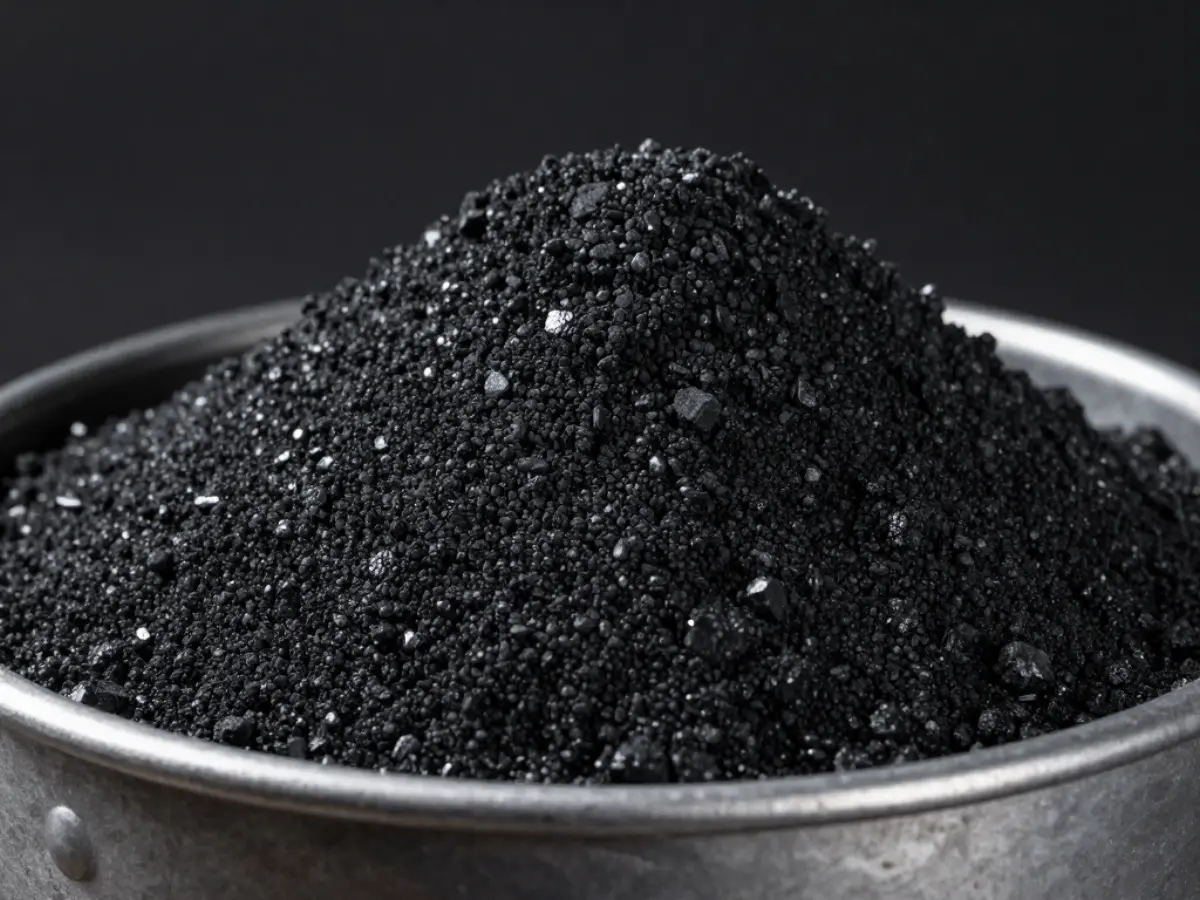
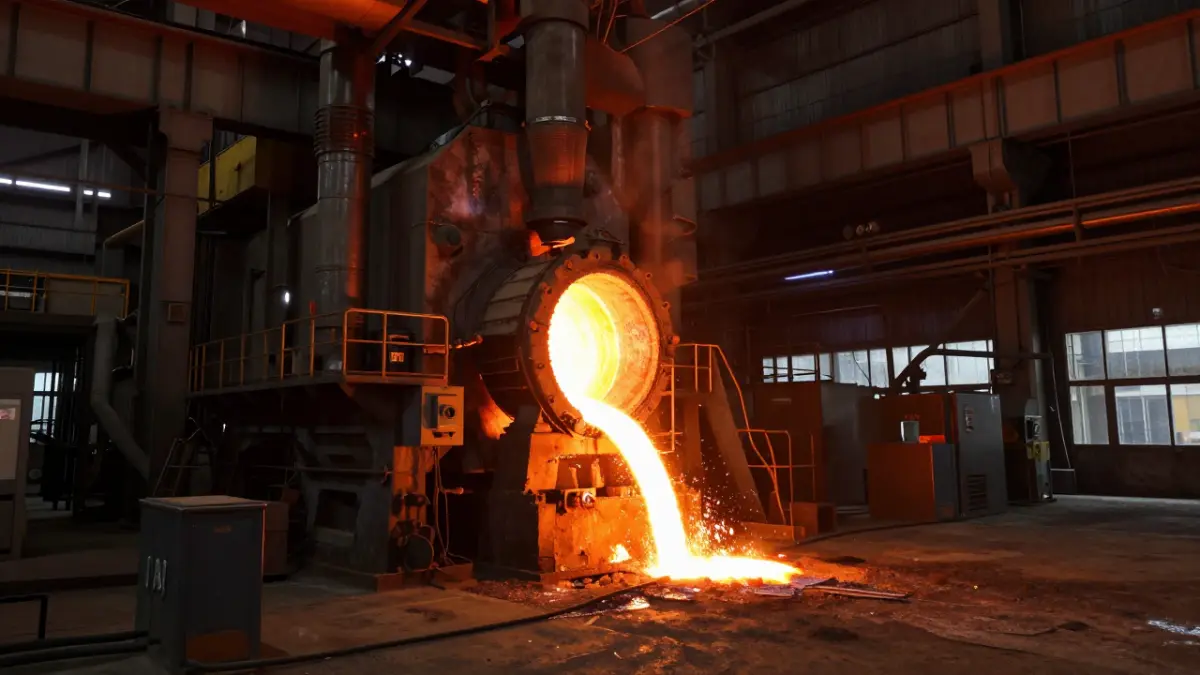
Calcium carbide desulfurization works through a direct reaction between CaC2 and dissolved sulfur in the hot metal, producing calcium sulfide (CaS) and graphite carbon. The reaction is strongly thermodynamically favored at typical hot metal temperatures of 1300 to 1400 degrees Celsius, and the carbon produced remains dissolved in the iron without causing problems. The key advantage of CaC2 over magnesium-based desulfurizers is its predictability and consistency — the reaction is less violent than magnesium injection, making it easier to control and safer to handle in high-throughput operations. It is particularly well-suited for torpedo car or ladle-based desulfurization stations where large volumes of hot metal must be treated rapidly.
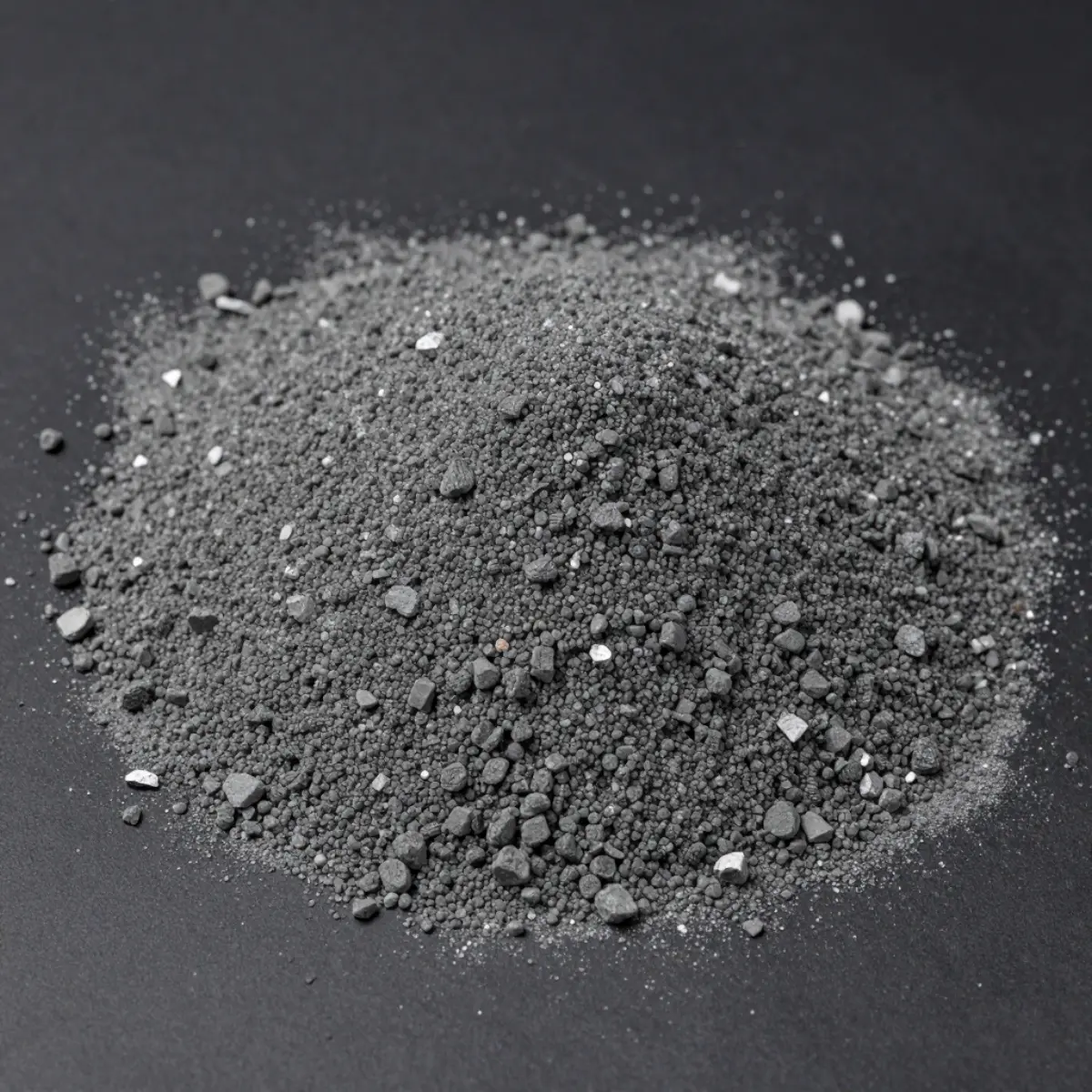
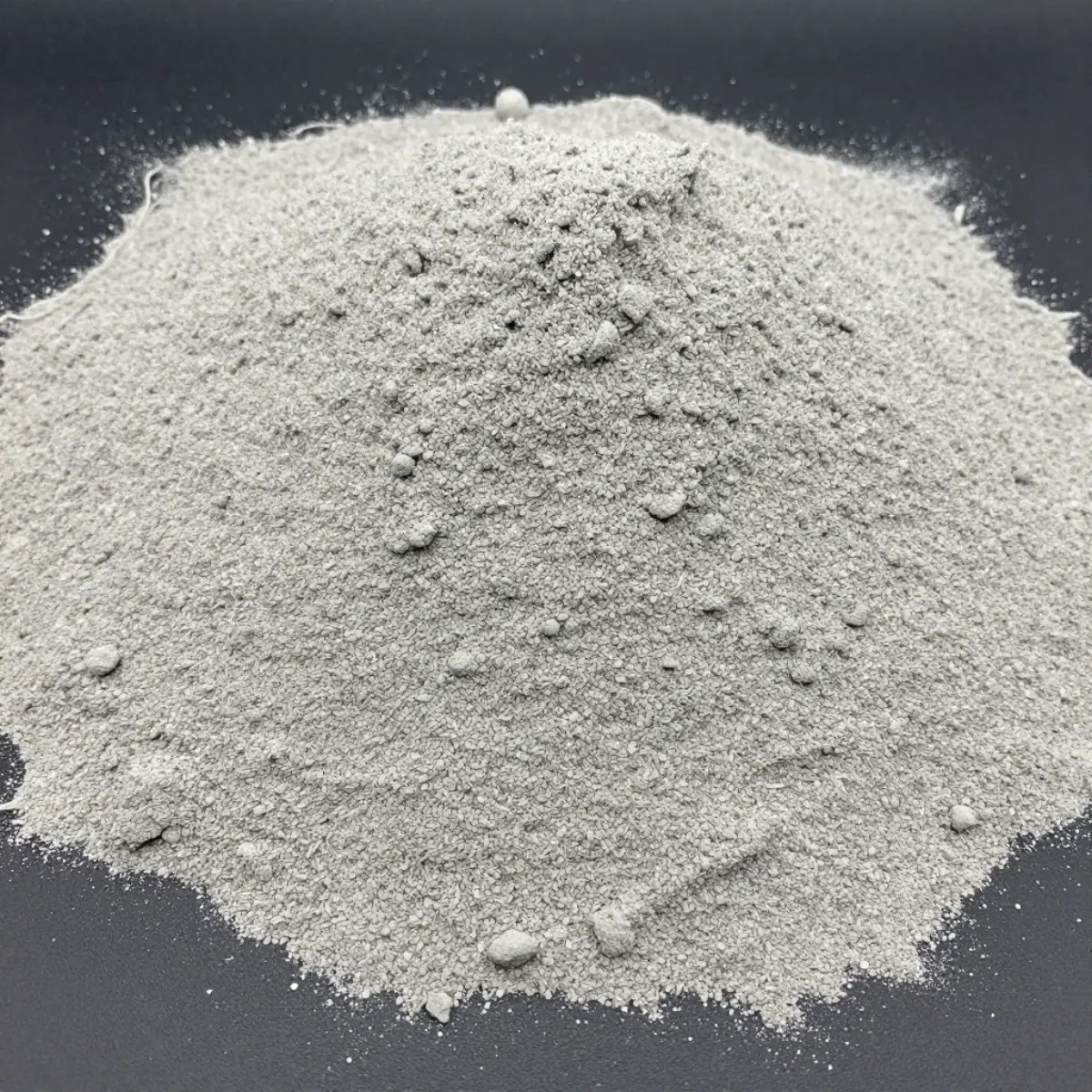
The effectiveness of calcium carbide desulfurization depends heavily on the injection method and the slag management practice. Co-injection with a carrier gas (typically nitrogen) through a submerged lance ensures deep penetration of the reagent into the hot metal, maximizing contact area and reaction efficiency. Particle size is also critical: finer particles react faster but can be entrained in the off-gas, while coarser particles sink and react more slowly but more completely. Most operations use a graded particle size distribution to balance speed and yield. A properly designed covering agent layer on top of the hot metal is essential to prevent re-sulfurization from atmospheric exposure and to absorb the CaS reaction product into the slag phase.
For steelmakers targeting ultra-low sulfur grades, a two-stage approach often delivers the best results: initial desulfurization with calcium carbide to bring sulfur down to the 0.005 to 0.008 percent range, followed by a polish treatment with magnesium or a second fine CaC2 injection to hit the final target. The choice between these approaches depends on the incoming sulfur level, the required final sulfur content, and the available desulfurization station capacity. Mills that invest in proper reagent handling, lance maintenance, and slag chemistry control consistently achieve desulfurization efficiencies above 80 percent with calcium carbide.