Deep Desulfurization in the Ladle: CaC₂ + Mg Co-Injection Strategies
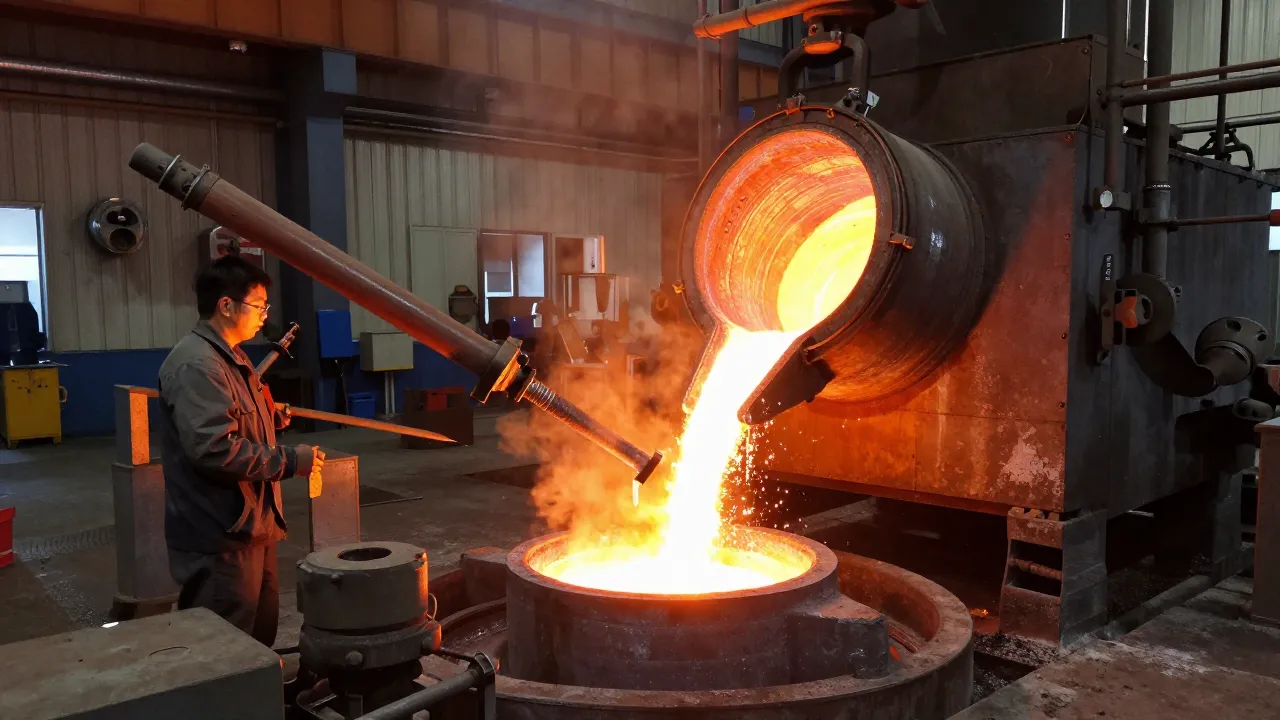
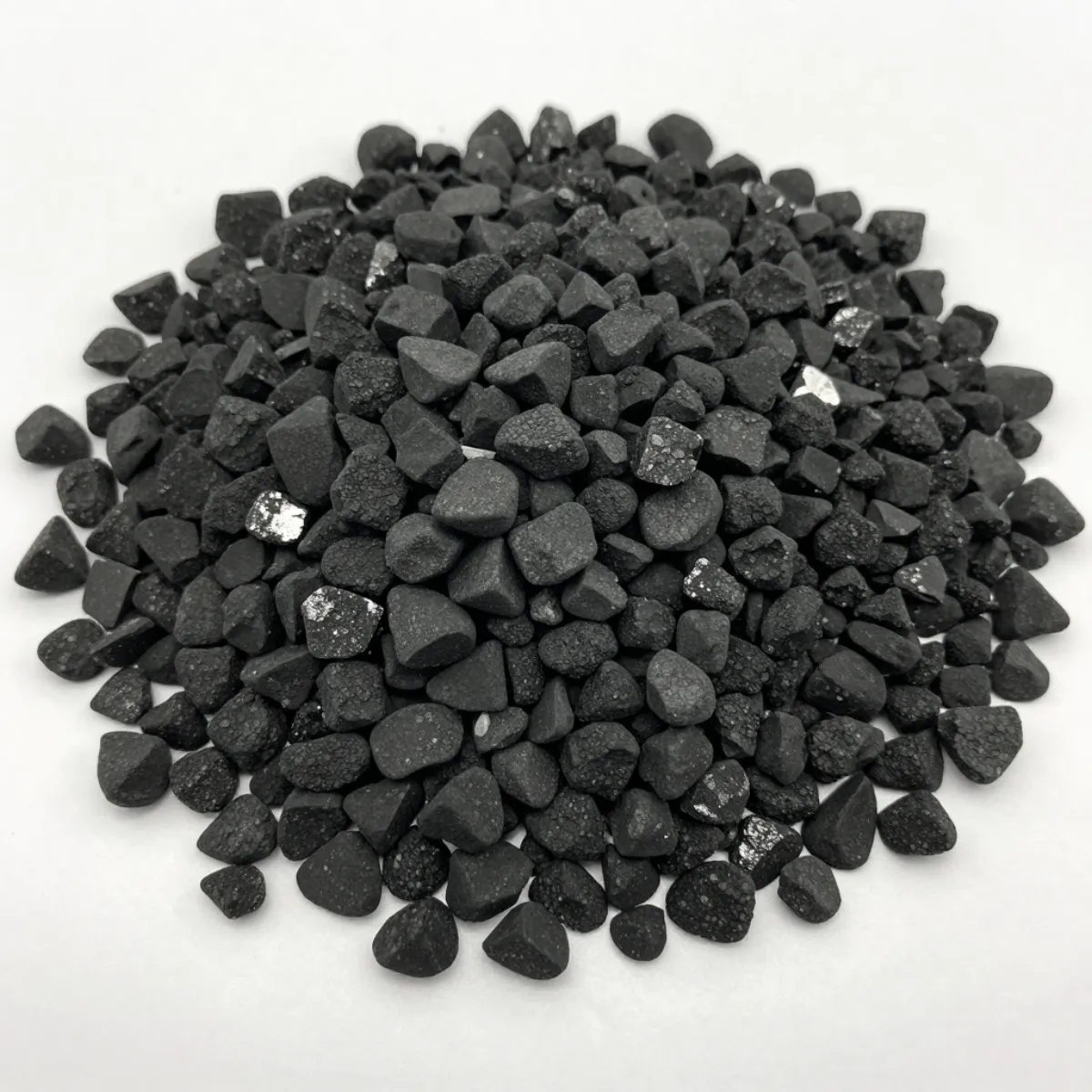
Deep desulfurization targets in modern clean-steel production have moved below 20 ppm sulfur for many grades, and ladle injection is the standard route to get there. Calcium carbide (CaC₂) and magnesium (Mg) are the two workhorse reagents, and the central process question is whether to use them alone or in combination. Mono-injection of either reagent works within a limited window: magnesium is fast and powerful but can be turbulent and difficult to control at high addition rates, while calcium carbide offers a gentler, sustained desulfurization capacity but slower kinetics. Co-injection is designed to capture the strengths of both.
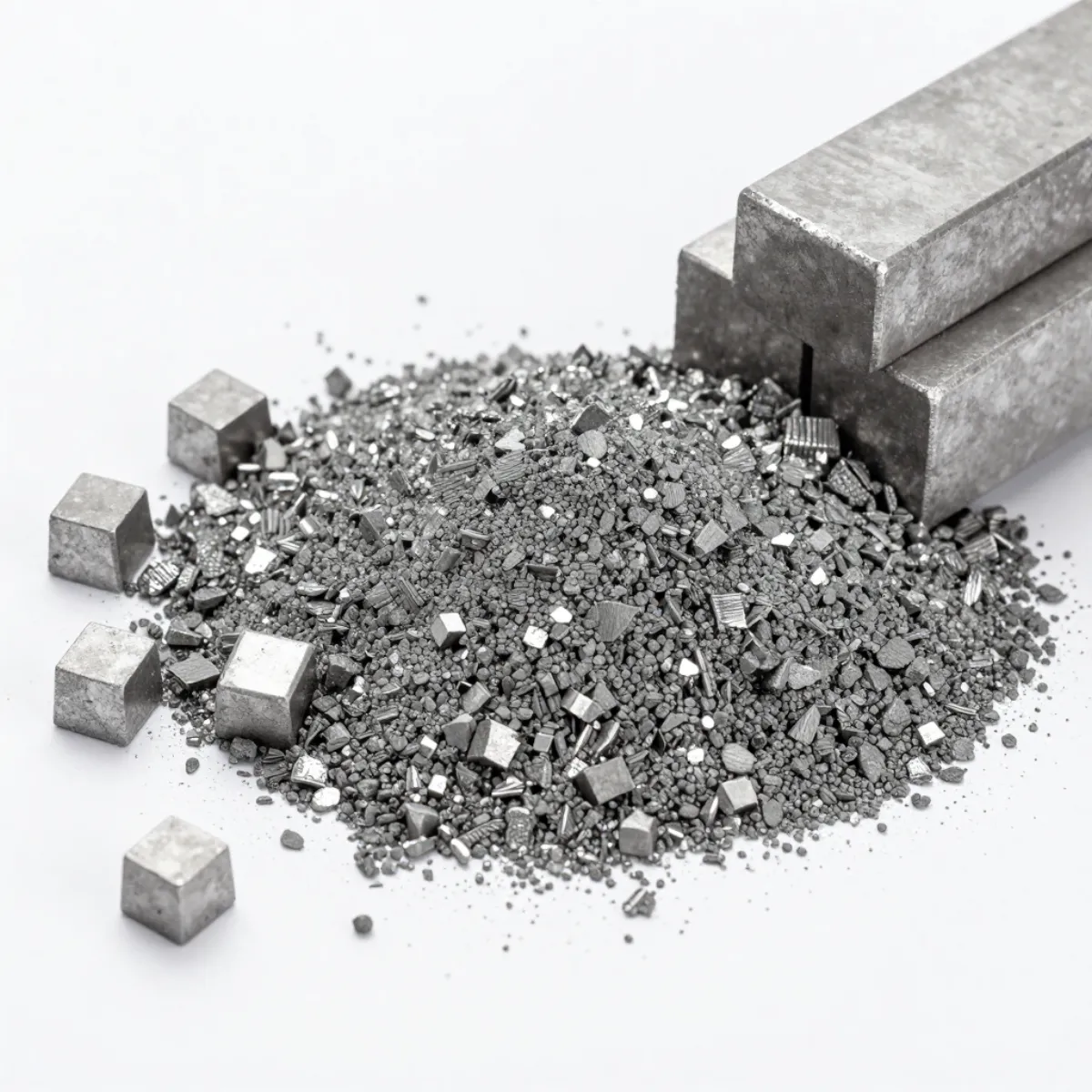
The kinetic argument for co-injection rests on complementary mechanisms. Magnesium has high affinity for sulfur and forms MgS rapidly, giving immediate sulfur pickup in the first minutes of treatment. Calcium carbide, meanwhile, decomposes in contact with the steel to provide a continuing supply of calcium for desulfurization across the whole treatment window. Running both simultaneously means the fast magnesium reaction drives sulfur down quickly while the calcium carbide maintains the drive to the final deep target, rather than letting sulfur reversion occur as the magnesium effect decays. The result is a faster path to low sulfur with a more stable endpoint.
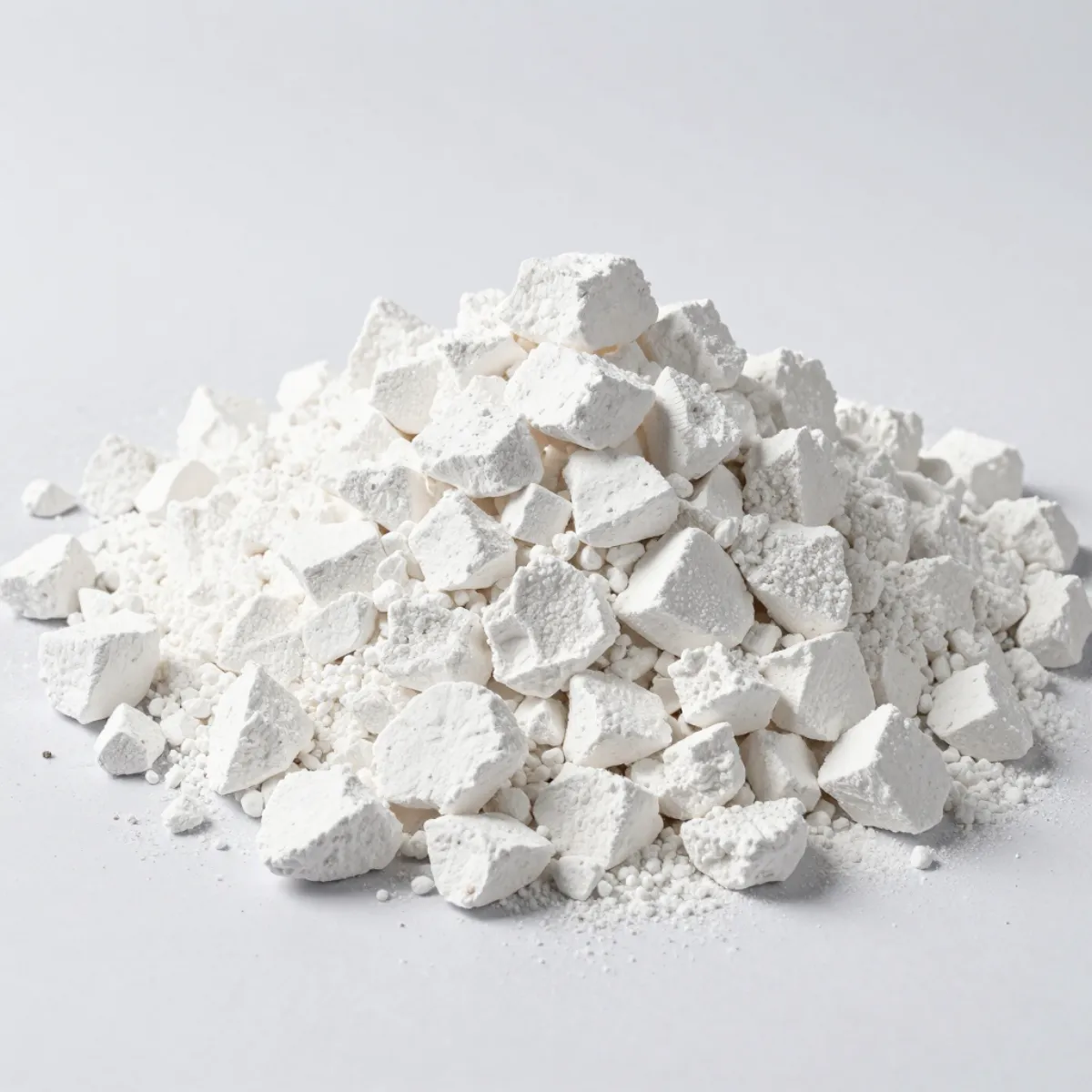
Slag chemistry is the enabling condition for either strategy. Deep desulfurization requires a high-basicity, low-oxygen slag, and the CaO/SiO₂ ratio of the ladle slag should be held at or above 1.5–2.0. A basic slag takes up the sulfur released by the metal-side reactions and holds it, preventing reversion back into the steel. Pairing the injection treatment with a calcium-oxide-rich slag — typically built with quicklime additions — is what converts a transient sulfur dip into a stable final sulfur value. Without that slag condition, even the most aggressive injection schedule will stall well above the deep target.
The choice between mono- and co-injection is ultimately an economic one, and the economics turn on reagent efficiency and treatment time. Magnesium is more expensive per unit of sulfur removed but acts quickly, shortening the treatment cycle; calcium carbide is cheaper but requires longer residence time to reach the same endpoint. Co-injection typically reduces total reagent consumption for a given final sulfur because each reagent works in the regime where it is most efficient, and the shorter treatment time frees ladle and furnace capacity. For shops that run many heats with deep sulfur specifications, the co-injection capital outlay is usually recovered through reduced reagent cost and increased throughput.
Carrier gas selection completes the process design. Nitrogen and argon are the common choices; for grades where nitrogen pickup is unacceptable, argon is mandatory even at higher cost. The carrier gas flow rate and injection lance position must be tuned to keep the magnesium reaction under control — too little dispersion creates a violent local reaction, while excessive gas flow dilutes the reagent and lengthens the treatment. Modern injection stations co-ordinate reagent feed rate, gas flow, and lance depth against a sulfur setpoint, and the operator’s skill in balancing these variables is often the difference between hitting and missing the 20 ppm target.
For mills standardizing their desulfurization practice, the practical route is to characterize the current slag and sulfur endpoint, then trial mono-injection of each reagent before committing to co-injection, so the marginal benefit of the second reagent is measured rather than assumed. Materials that feed this process — calcium carbide, magnesium desulfurizer, and quicklime — are available through platforms such as steelrefiningmaterials.com, operated by KHAKI TRADING CO., LIMITED, which covers 32 product categories in 17 languages for buyers across more than 80 countries.