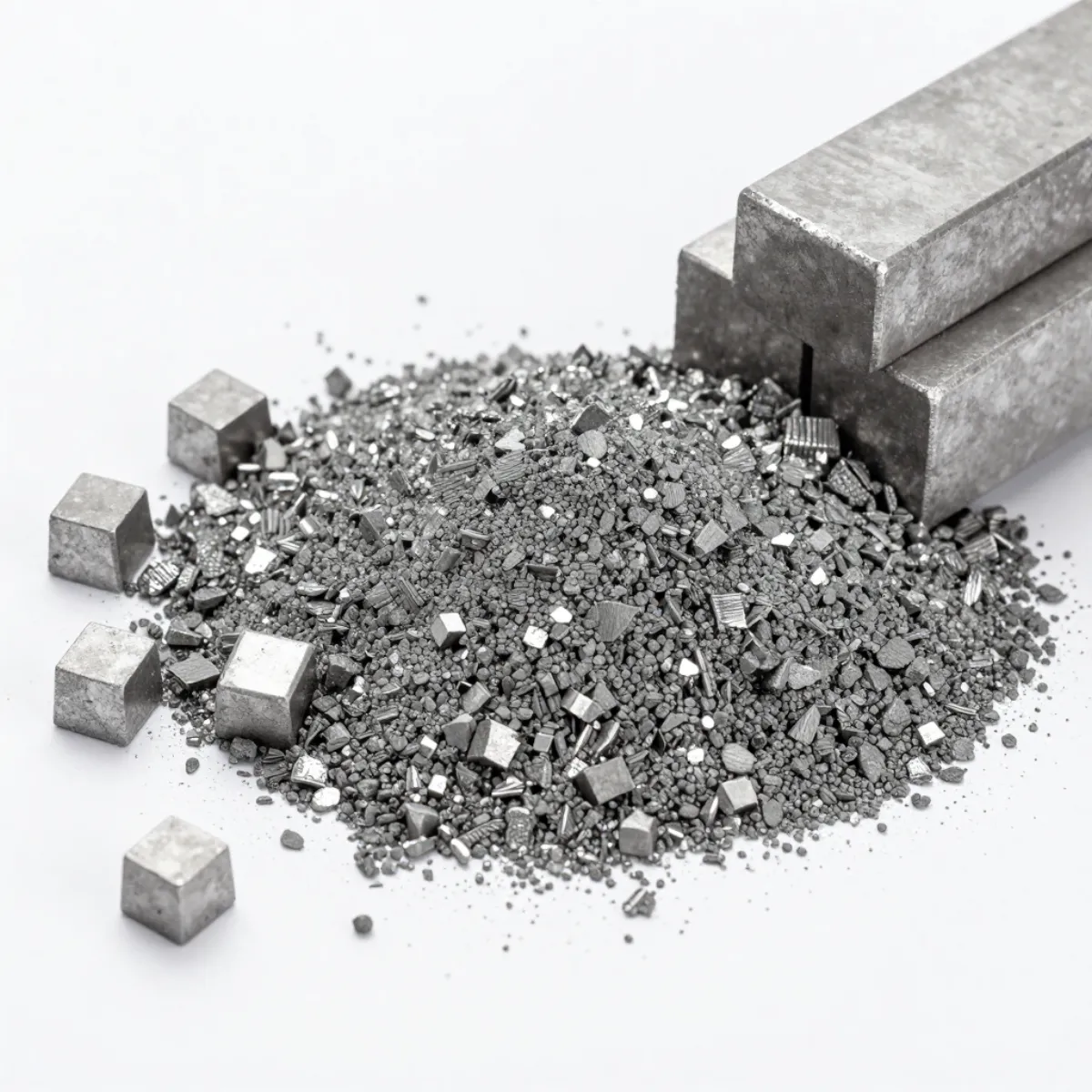
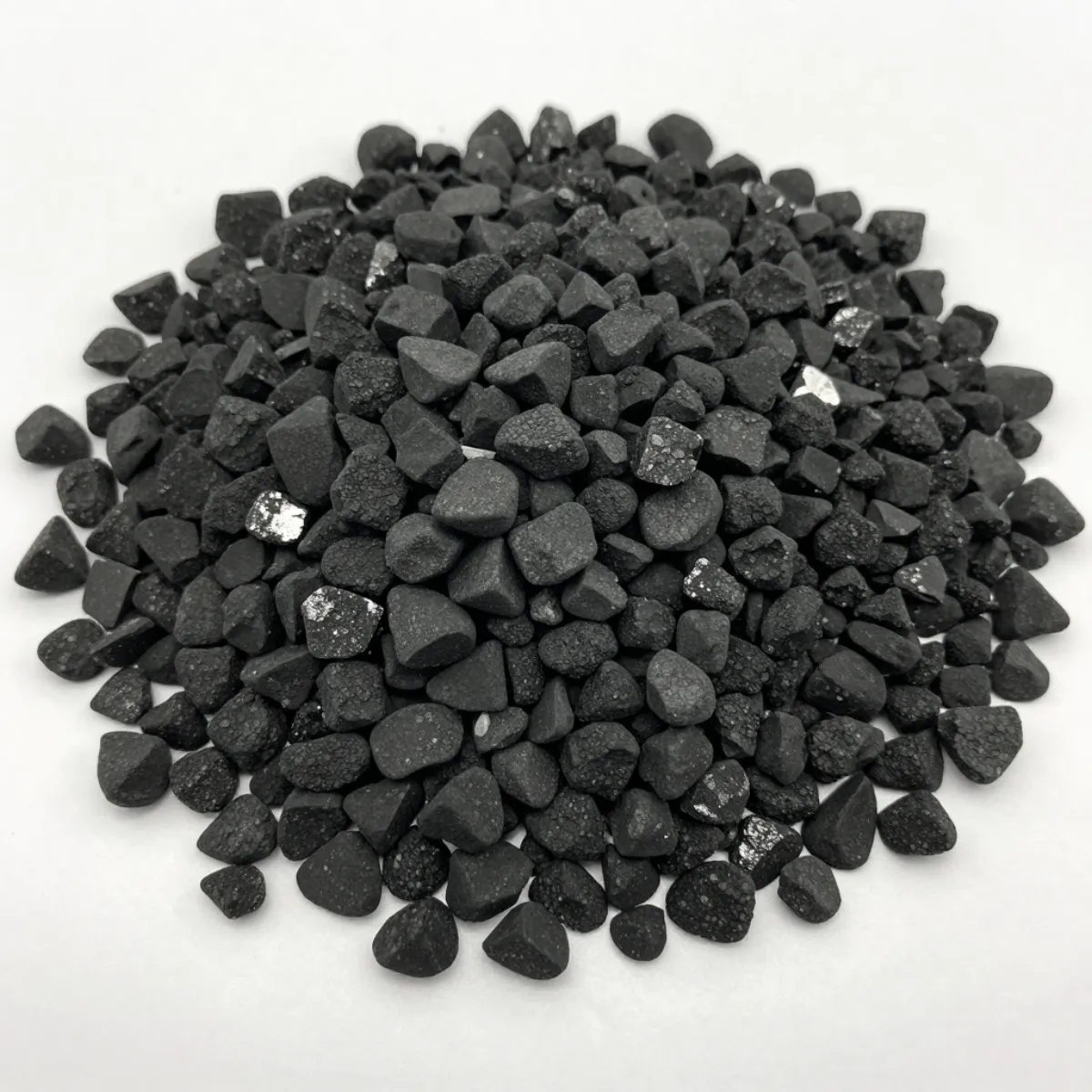
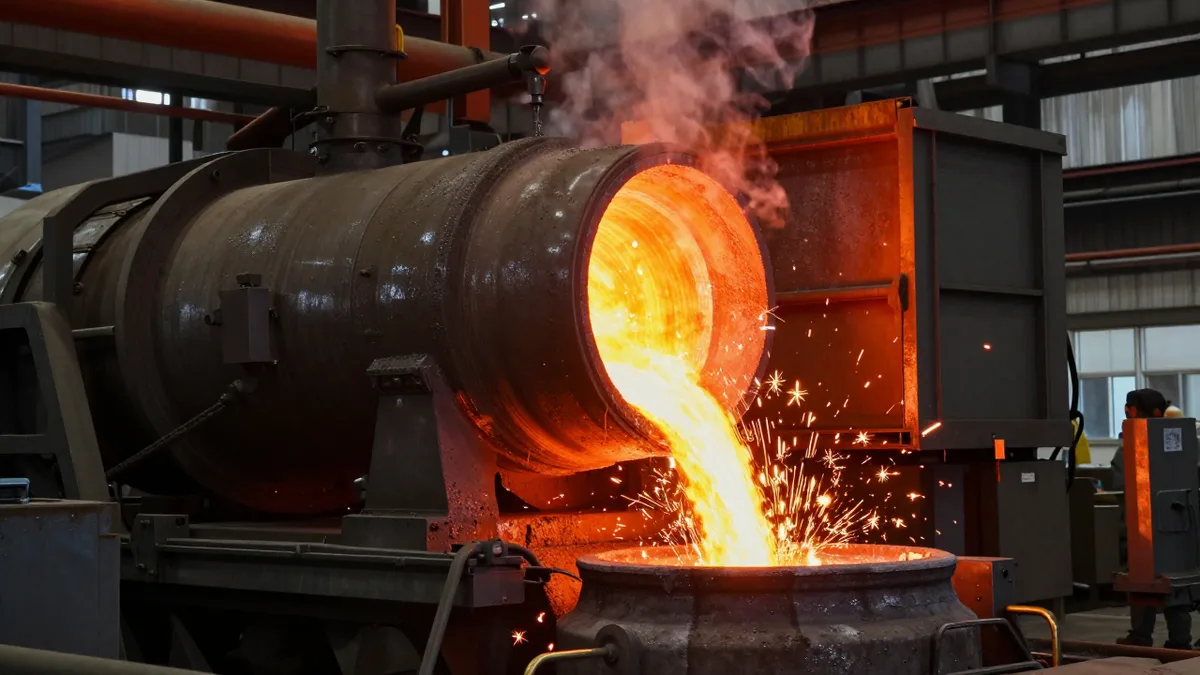
Magnesium is the most powerful desulfurization reagent available for hot metal treatment, reacting with dissolved sulfur at rates far exceeding those of lime-based reagents. When granular magnesium is injected beneath the surface of molten hot metal, it vaporizes rapidly — magnesium boils near 1090°C, well below the 1300–1450°C temperature of the hot metal bath — and the vapor reacts with dissolved sulfur to form magnesium sulfide (MgS) according to the reaction Mg + [S] → MgS. The magnesium sulfide is insoluble in hot metal and rises to the slag-metal interface, where it is absorbed into the desulfurization slag and removed. Because the reaction is driven by gaseous magnesium with a large specific surface area, desulfurization kinetics are fast, and treatment cycles are correspondingly short. For deep desulfurization below 20 ppm, magnesium is almost always paired with calcium carbide in co-injection practice: magnesium provides the rapid initial sulfur knockdown, while calcium carbide supplies sustained desulfurization capacity that polishes the bath to final sulfur levels with good economy.
The desulfurization behavior of magnesium depends critically on particle size and injection design. In pneumatic injection, granular magnesium is conveyed by nitrogen or argon through a refractory lance submerged in the hot metal. Particles in the 0.5–1.6 mm range vaporize quickly enough to react within the bath but are heavy enough to resist being swept upward to the surface, where they would burn off as oxide rather than desulfurize. Coarser material (>1.6 mm) sinks and may not fully vaporize within the treatment vessel, while very fine material (<0.5 mm) can float to the surface and combust, wasting reagent and reducing efficiency. The co-injection ratio of magnesium to calcium carbide is a key process variable: plants targeting sulfur below 0.002% typically lean on higher magnesium shares for the fast initial response, while plants optimizing reagent cost adjust the ratio to balance magnesium consumption against calcium carbide’s lower unit cost per unit of sulfur removed.
Magnesium is a light metal with a low ignition temperature, which imposes specific handling and storage requirements that are different from those of oxide-based reagents. Magnesium must never be allowed to contact water, as the metal reacts with moisture to generate hydrogen gas and heat, creating a fire and explosion hazard. Granular magnesium should be stored in sealed, dry containers in a cool, ventilated area, and injection systems must use dry inert carrier gas with moisture-free handling lines. Well-managed plants treat magnesium desulfurizer as a regulated reagent: incoming lots are checked for magnesium content, particle size distribution, and visual freedom from oxidation, and handling procedures are documented and rehearsed. These precautions, combined with the metal’s fast kinetics, make magnesium desulfurizer the reagent of choice for mills that must hold sulfur below 20 ppm with limited treatment capacity.
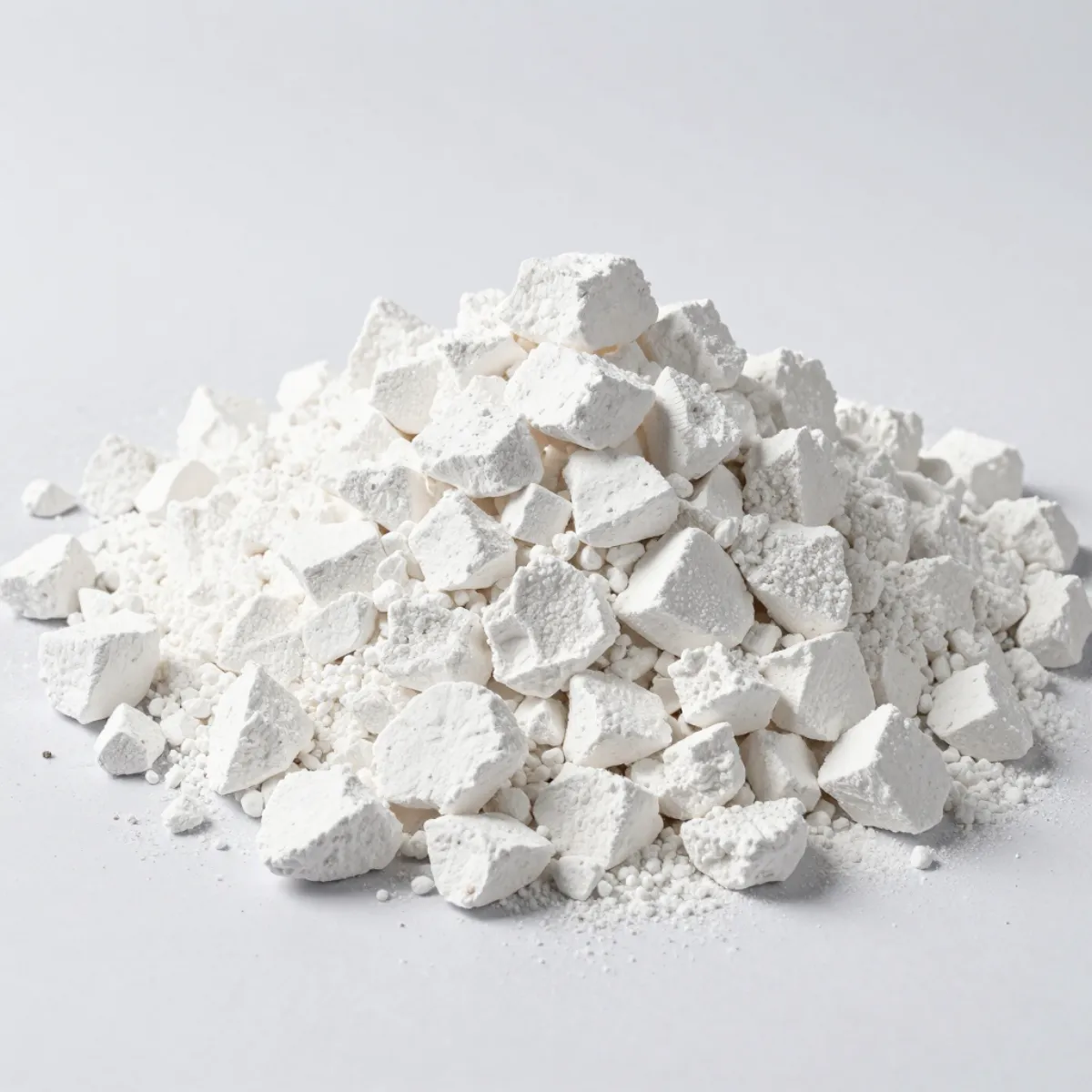
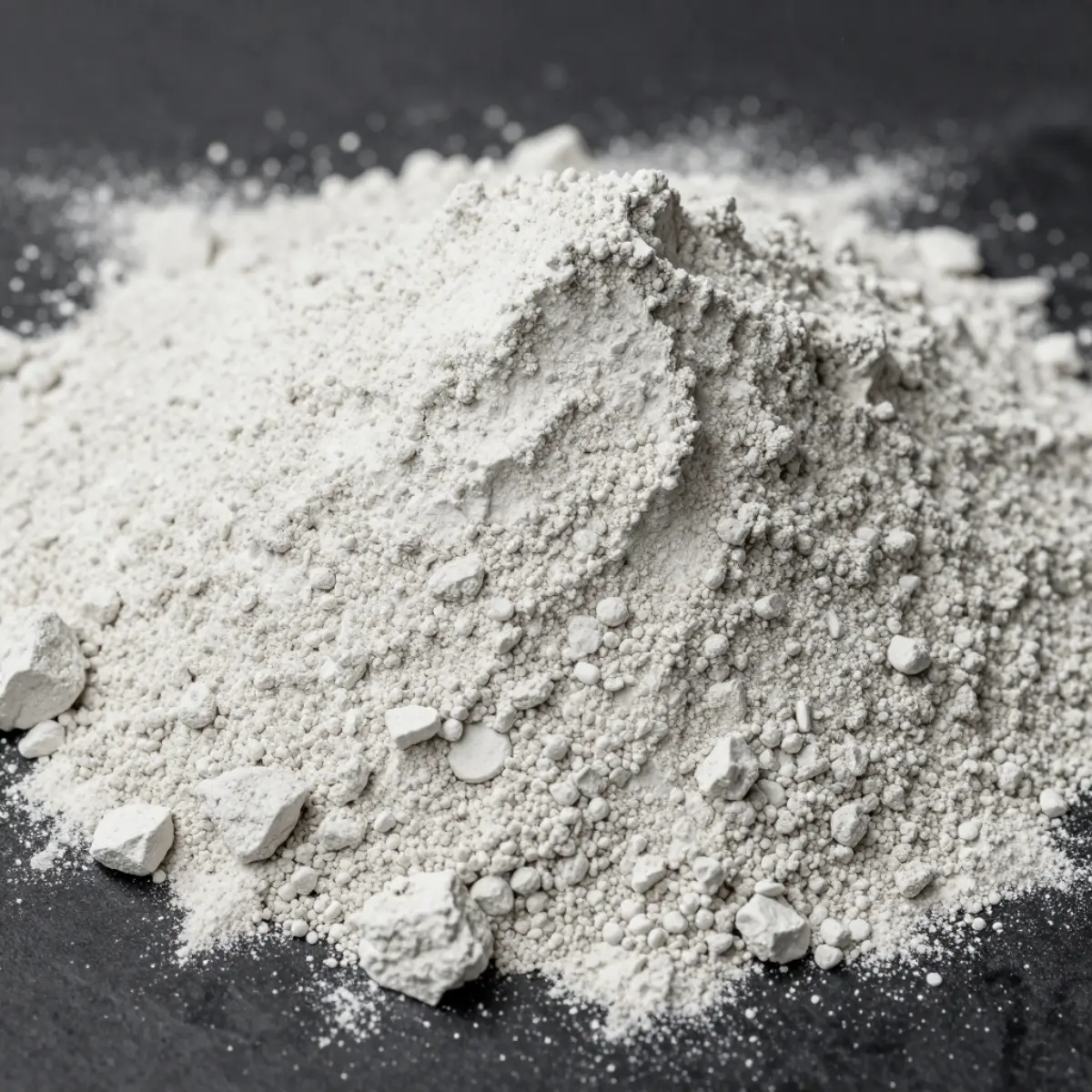
Magnesium desulfurizer is procured as a specialized reagent, and the buyer should verify purity and sizing on each shipment against a certificate of analysis. Key parameters include magnesium content (≥99.5%), particle size distribution, and the absence of excessive fines and oxidation products. KHAKI TRADING CO., LIMITED supplies magnesium desulfurizer alongside the complementary reagents used in deep desulfurization practice — calcium carbide, quicklime, and refined slag — across a catalog of 32 product categories serving over 80 countries, with technical documentation and support available in 17 languages to support safe, effective hot-metal treatment.
Need pricing or technical confirmation?
Send your application, grade, size, and quantity requirements by email for a faster response.
Request a Quote