Ductile Iron Nodularization and Inoculation: FeSiMg Treatment, Magnesium Recovery, and Fade Management
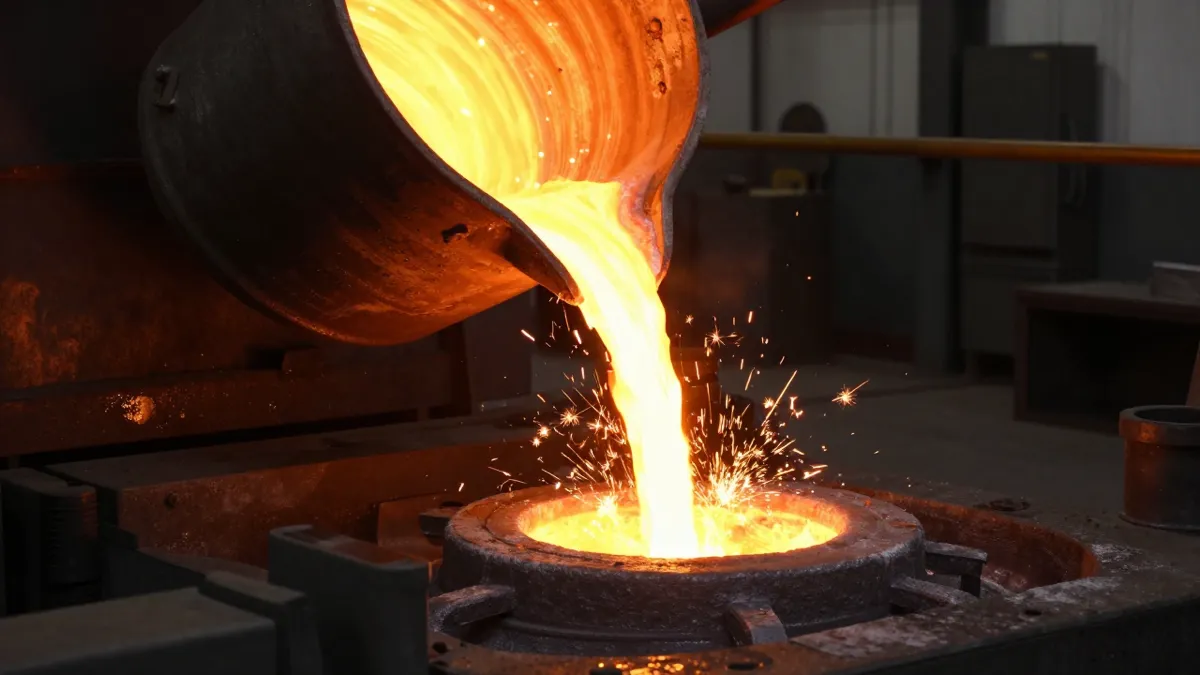
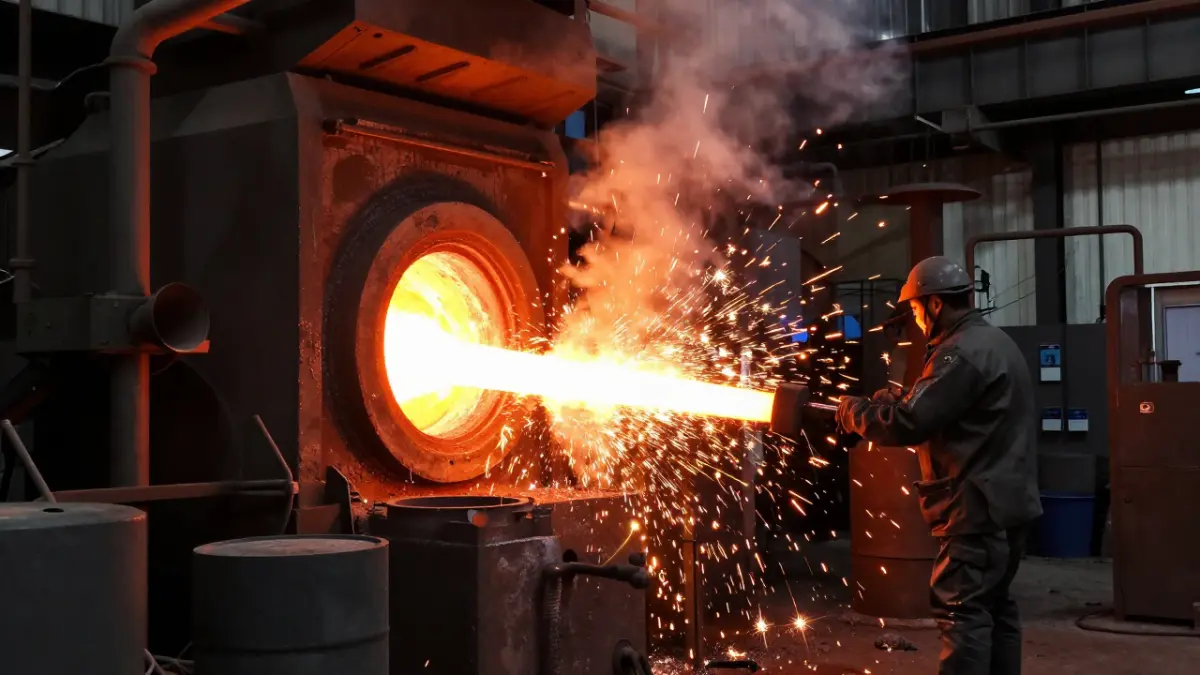
Ductile (nodular) iron is one of the most important structural cast-iron materials in modern engineering, combining high strength, ductility, and castability. The metallurgical step that unlocks these properties is nodularizing treatment: causing the graphite in the matrix to precipitate as spherical nodules rather than as stress-concentrating flakes. That transformation is driven by magnesium, supplied as nodularizer FeSiMg, and sustained by inoculation with ferrosilicon and calcium-silicon. For foundry metallurgists, the daily challenge is hitting the narrow target residual magnesium, sustaining nodule nucleation through the pour, and managing magnesium fade in heavy-section castings.
The target residual magnesium window
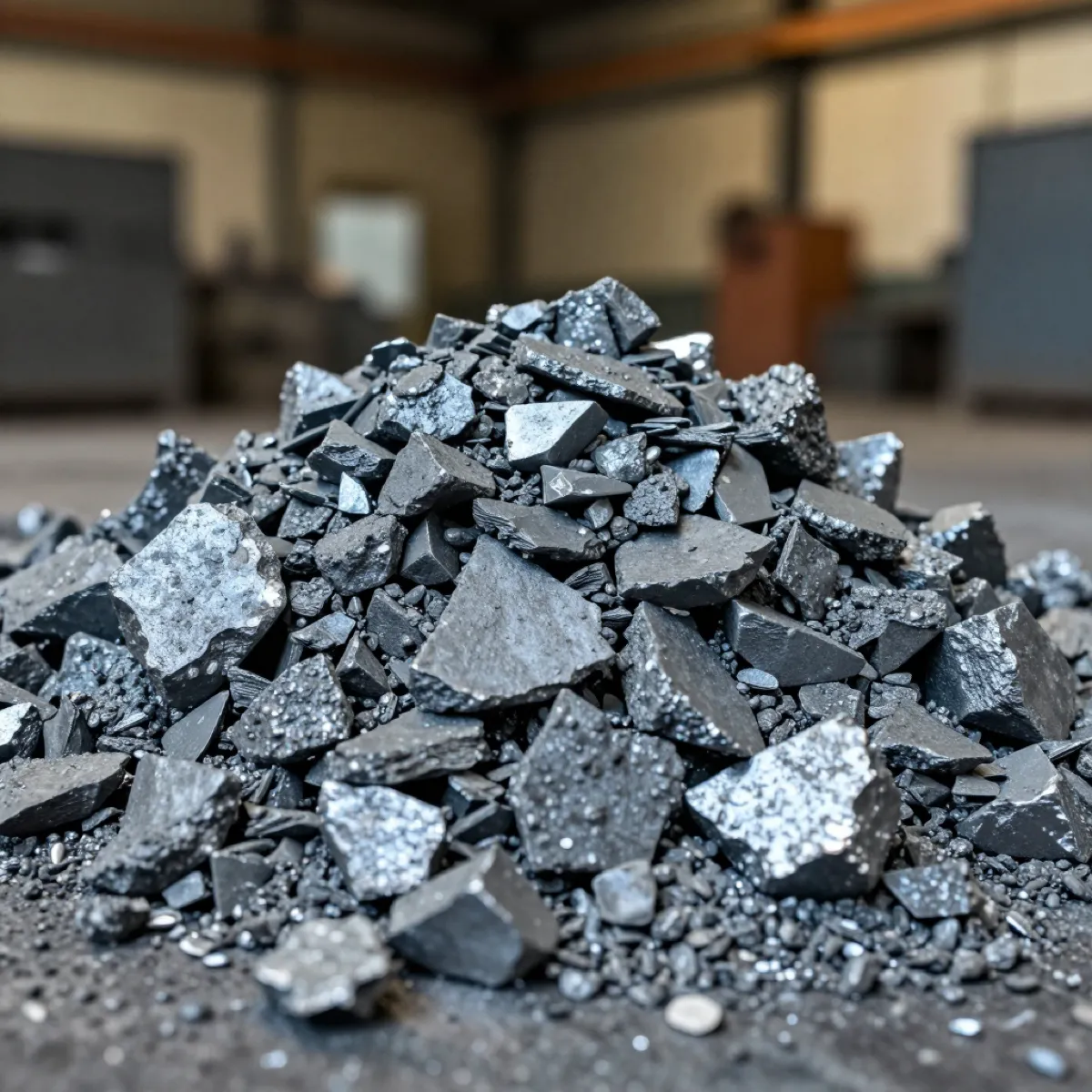
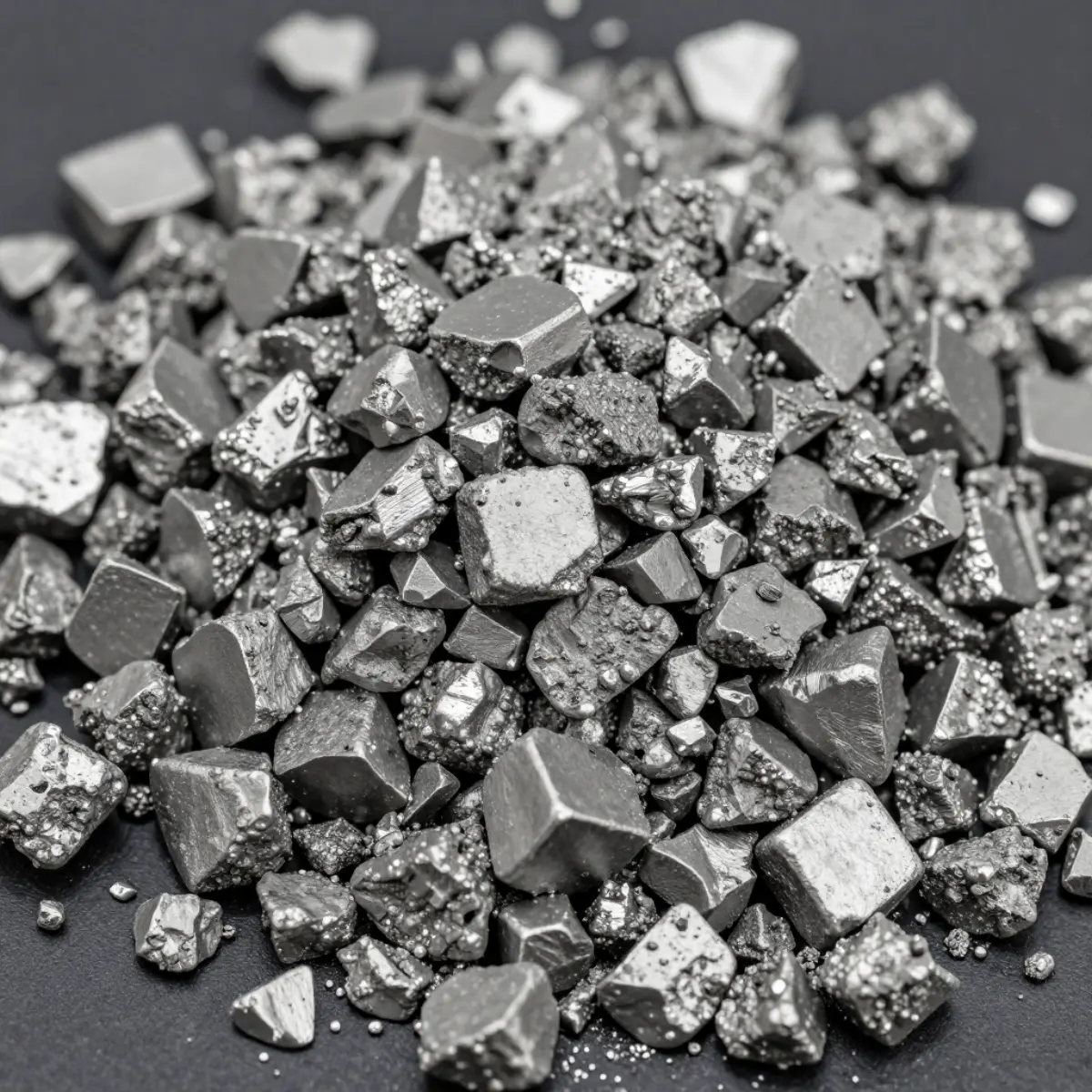
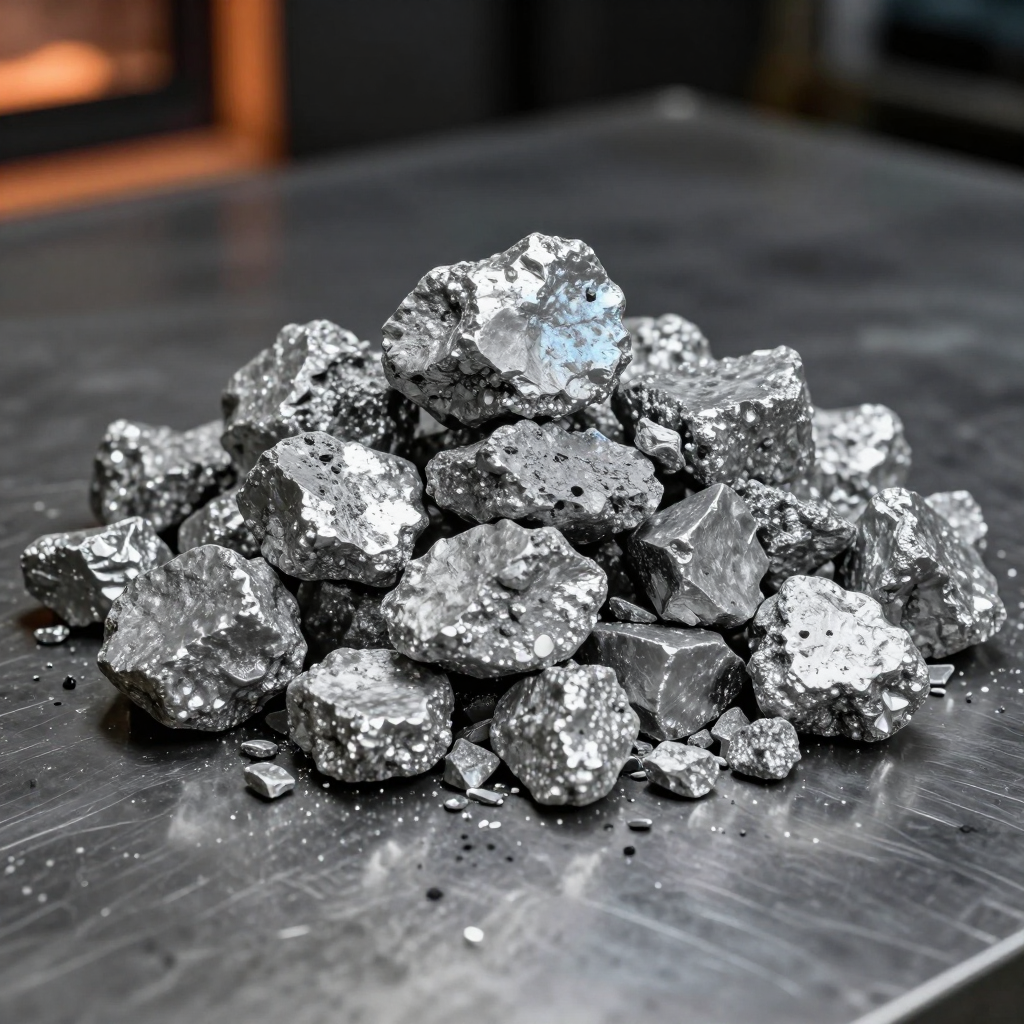
Magnesium is the element that makes ductile iron possible, but it works in a very narrow window. Residual dissolved magnesium between roughly 0.03 % and 0.06 % produces well-nodularized graphite; below that range, graphite degenerates into compacted or flake forms and the casting loses ductility; above it, magnesium vapor flashes, dross inclusions form, and casting defects multiply. The treatment alloy — FeSiMg — must therefore be formulated and dosed to land within that window consistently. A 5–10 % magnesium FeSiMg with calcium and an optional rare-earth content, dosed for 40–60 % magnesium recovery under standard treatment conditions, lets the foundry hit the target residual across a full ladle of pour.
The treatment method itself determines how the FeTiMg is sized and applied. Sandwich and tundish-cover processes use a coarser grading that delays magnesium release until the ladle is covered, capturing the magnesium vapor; in-mold treatment uses a finer grading sized to the casting’s pouring time so that magnesium releases directly into the metal entering the mold. Each method has its place, but all share the same underlying requirement: a consistent, correctly sized FeSiMg that delivers a predictable magnesium recovery.
Inoculation: sustaining nodule nucleation
Nodularizing treatment establishes the magnesium level, but inoculation is what ensures the graphite actually nucleates as nodules rather than as flake or interdendritic forms. Inoculation with ferrosilicon-based inoculants — often calcium-silicon-bearing, sometimes with barium or rare earths — adds heterogeneous nucleation sites to the iron just before pouring, promoting a high nodule count and a fine, uniform nodular structure. Without effective inoculation, even a correctly nodularized iron can show degenerate graphite due to undercooling during solidification, particularly in thin sections that freeze quickly. Inoculation is typically performed in the stream during pouring (late inoculation) or in the mold, so that the nucleation effect is fresh at the moment of solidification.
Magnesium fade and heavy-section castings
Magnesium fade — the gradual loss of residual magnesium as the treated iron is held between treatment and pouring — is the chronic challenge of ductile-iron production. Magnesium vapor escapes from the melt surface during holding, and the longer the hold, the lower the residual magnesium. In heavy-section castings poured over a long time, the late pours can fall below the nodularity threshold and develop compacted or flake graphite even when the first pours were well nodularized. The standard defenses are to start with a high residual magnesium (achieved through a consistent, correctly sized FeSiMg), to minimize the hold time between treatment and pouring, and to use a flow-through or late-inoculation practice that refreshes the nucleation effect. Foundries that combine a reliable FeSiMg with disciplined inoculation — as illustrated in our foundry ferrosilicon delivery engagement — routinely achieve nodularity above 85 % across the full pour with low scrap and consistent mechanical properties.
Subversive elements and the case for rare-earth FeSiMg
Charge materials — especially those containing recycled steel or contaminated scrap — often carry trace amounts of titanium, lead, bismuth, and antimony that interfere with graphite nodularity even at parts-per-million levels. Rare-earth-bearing FeSiMg grades (with cerium and lanthanum) neutralize these subversive elements, ensuring high nodularity even when the charge analysis is not perfectly clean. For foundries that cannot guarantee low-subversive charge iron, the RE-bearing grade is the difference between a sound nodular iron structure and a high-scrap-rate, degenerate-graphite casting. FeSiMg sourcing, in the end, comes down to three questions: is the magnesium content certified and consistent lot-to-lot? Is the sizing matched to the treatment method? And is the supply reliable enough to avoid switching grades mid-program? A consistent FeSiMg supply is the foundation on which nodularity, mechanical properties, and scrap-rate control all rest.