2026 EAF Recarburizer Selection: GPC vs Calcined Coke vs Synthetic Graphite
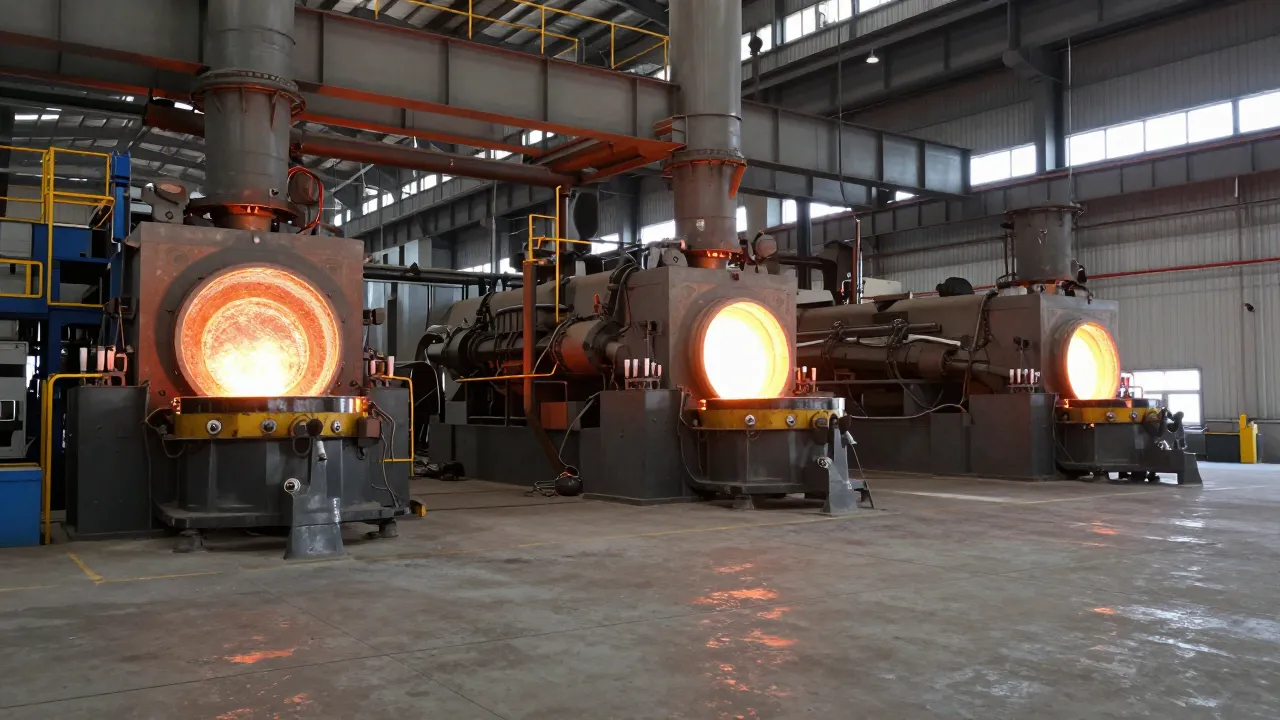
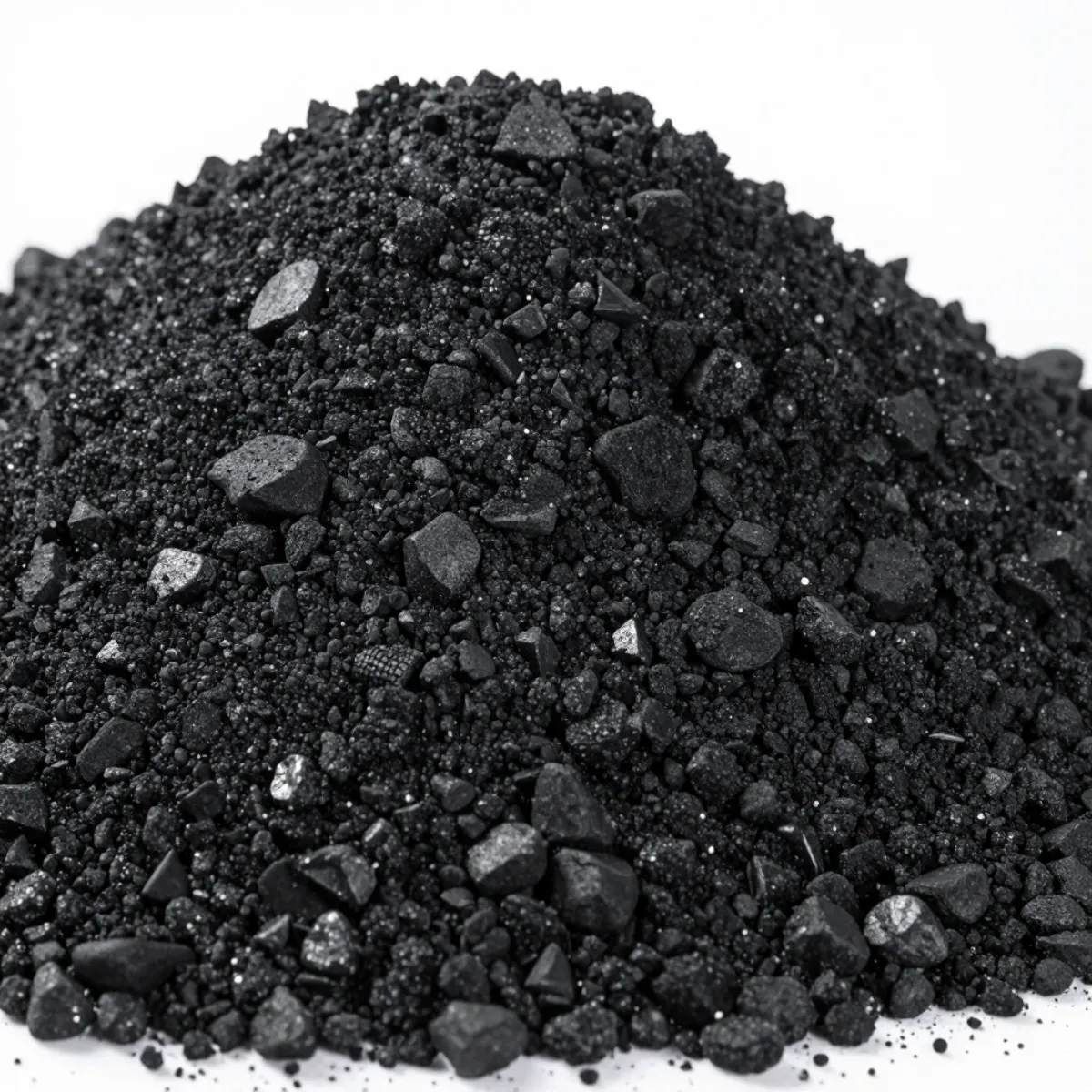
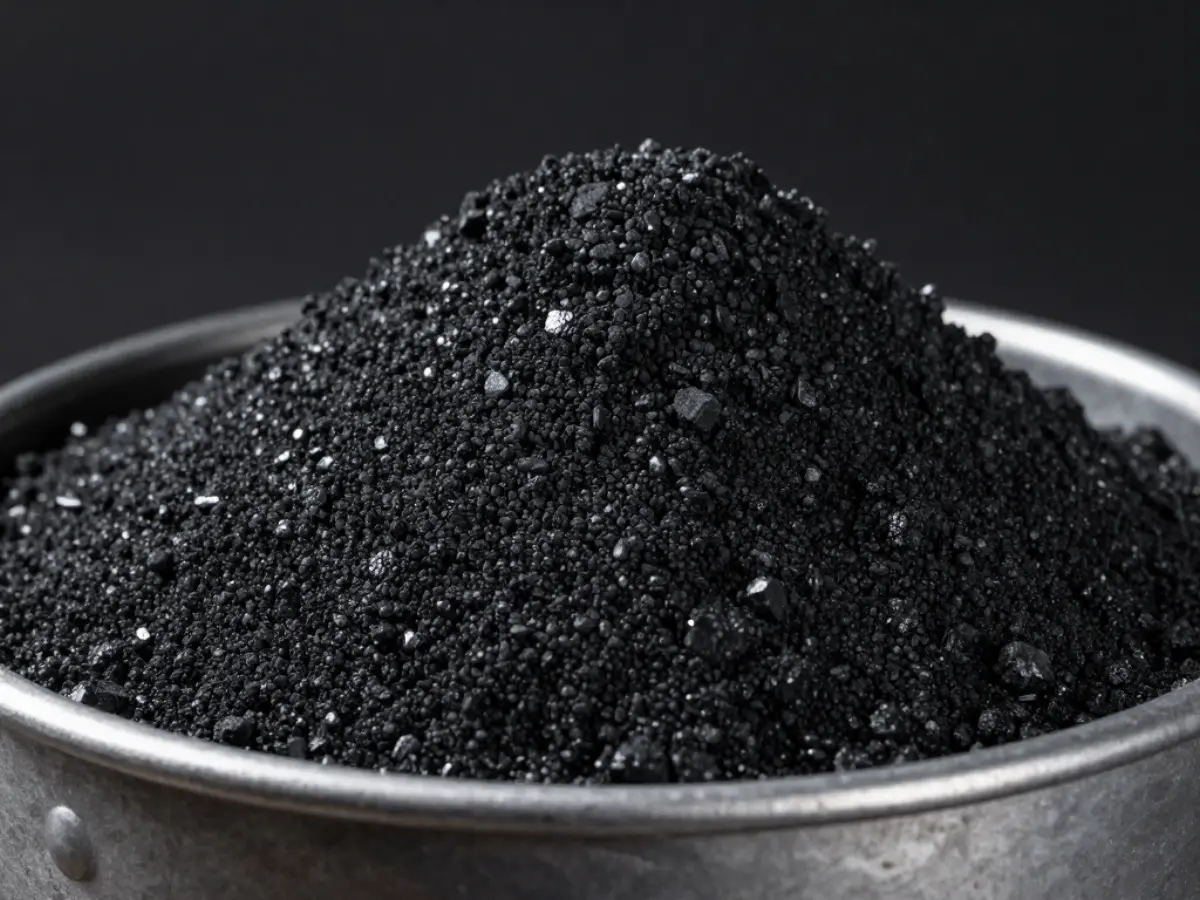
Graphite petroleum coke (GPC) remains the workhorse recarburizer for electric arc furnace (EAF) shops in 2026, but the gap between it, calcined petroleum coke (CPC), and synthetic graphite has narrowed as short-cycle EAF operations demand faster carbon pickup and tighter chemistry control. All three are carbon sources, yet they differ materially in fixed carbon content, residual impurities, and the kinetics of dissolution in the steel bath. Choosing between them is increasingly a function of the steel grade being produced, the treatment window available, and the tolerance of the downstream ladle process for sulfur, nitrogen, and ash pickup.
On fixed carbon and ash, the ranking is well established. GPC typically delivers 98.5% fixed carbon with low ash, while premium synthetic graphite can exceed 99% with ash below 0.3%. Calcined petroleum coke, in contrast, sits lower on the specification sheet — typically 96–99% fixed carbon with higher ash and volatile residue — which translates into more slag volume and a slightly lower carbon yield per tonne of material. For bulk EAF charge carbon where a few tenths of a percent of ash are immaterial, CPC remains cost-effective. For ladle furnace trim additions where every unit of ash adds to the inclusion load, the premium for GPC or synthetic graphite is usually justified.
The sulfur, nitrogen, and hydrogen limits separate these products more sharply than fixed carbon does. Low-sulfur, low-nitrogen GPC is now the default recommendation for special steel grades — bearing steels, tire cord, and cold-heading wire — where sulfur above 0.05% or nitrogen pickup of even a few parts per million pushes final chemistry out of specification. Synthetic graphite offers the cleanest profile, with total impurity levels low enough for the most demanding clean-steel routes, but at a significant price premium. Because nitrogen picked up during recarburizing is difficult to remove in the ladle, the recarburizer grade is effectively a nitrogen-control decision that should be made at the purchasing stage, not in the melt shop.
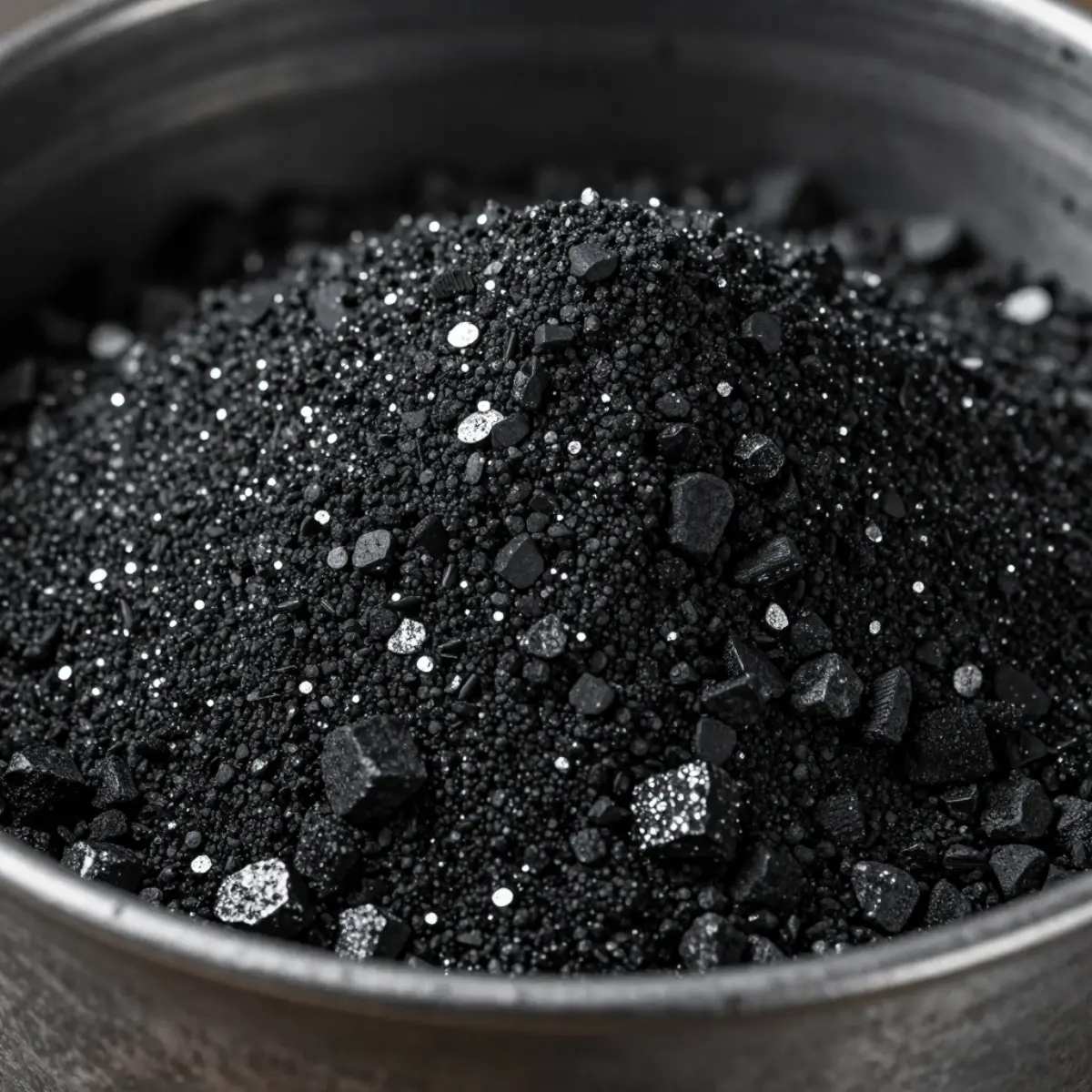
Particle sizing interacts directly with dissolution speed, which is the dominant concern in short-cycle EAF melting. For the 0.5–5 mm range common in modern dosing systems, finer fractions dissolve faster and distribute more evenly through the bath, reducing the time needed to hit target carbon before tapping. Coarser grains delay carbon pickup and can leave undissolved material that reports to the slag or the off-gas system. Operators running high tap-to-tap rates should favor the tighter end of the 0.5–5 mm band for trim additions, while reserving coarser material for charge carbon where slower dissolution is acceptable.
Supply dynamics tightened for high-grade GPC through 2026 as calcination capacity and premium anode-grade feedstock competed for the same raw material. Buyers who locked in specification discipline early — fixed carbon, sulfur ceiling, nitrogen ceiling, and a defined size distribution — were better positioned than those who bought on price alone, because the market for clean, consistent GPC is thinner than the headline tonnage suggests. A documented quality requirement, reviewed against a certificate of analysis for every lot, is the practical hedge against grade drift.
A working selection checklist for 2026 looks like this: confirm the fixed carbon target and ash ceiling for the steel grade; set a sulfur ceiling (0.05% for special steel, higher where the grade tolerates it); set a nitrogen ceiling wherever the grade demands it; specify the size band, defaulting to the 0.5–5 mm range with fines control; and match the product to the addition point — CPC for bulk charge, GPC for ladle trim, synthetic graphite only where clean-steel economics justify it. Platforms such as steelrefiningmaterials.com, operated by KHAKI TRADING CO., LIMITED, cover 32 product categories in 17 languages and serve buyers in more than 80 countries, which can simplify the search for a recarburizer grade that meets a documented specification rather than a generic carbon source.