Ferroalloy Incoming Inspection: Sampling, CoA Verification, and Lab Checks
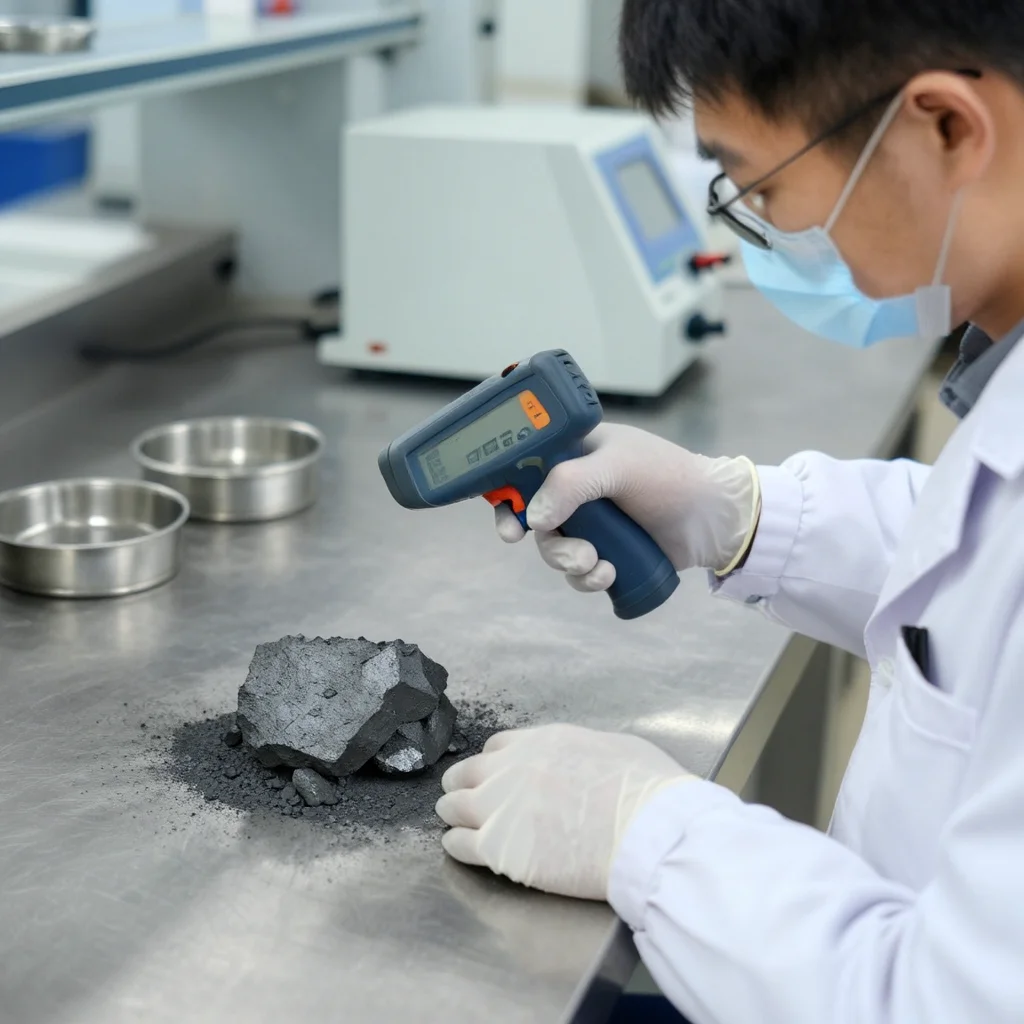
Ferroalloys are expensive, and their chemistry moves lot to lot, so the receiving dock is the buyer’s last controlled checkpoint before a shipment can affect a heat. Most quality disputes that ever reach arbitration trace back to a failure that inspection could have caught: an assay that looked fine on paper but did not match the metal, moisture that quietly degraded yield, or a lot that was never sampled at all. A consistent incoming-inspection workflow — documents, visual, sampling, lab — turns that uncertainty into a record the mill can defend.
Start with the paperwork before anything is unloaded. The certificate of analysis or mill test certificate for each lot should be checked against the contract specification: declared grade, element values for carbon, silicon, manganese and vanadium, and the impurity ceilings for sulfur and phosphorus. The packing list and weight certificate alongside it establish the declared quantity and packaging form. Any lot that fails on paper — a missing CoA, values outside tolerance, a weight that does not reconcile — gets flagged and set aside before it is mixed into stock, because once a nonconforming lot is blended in, it can never be identified again.
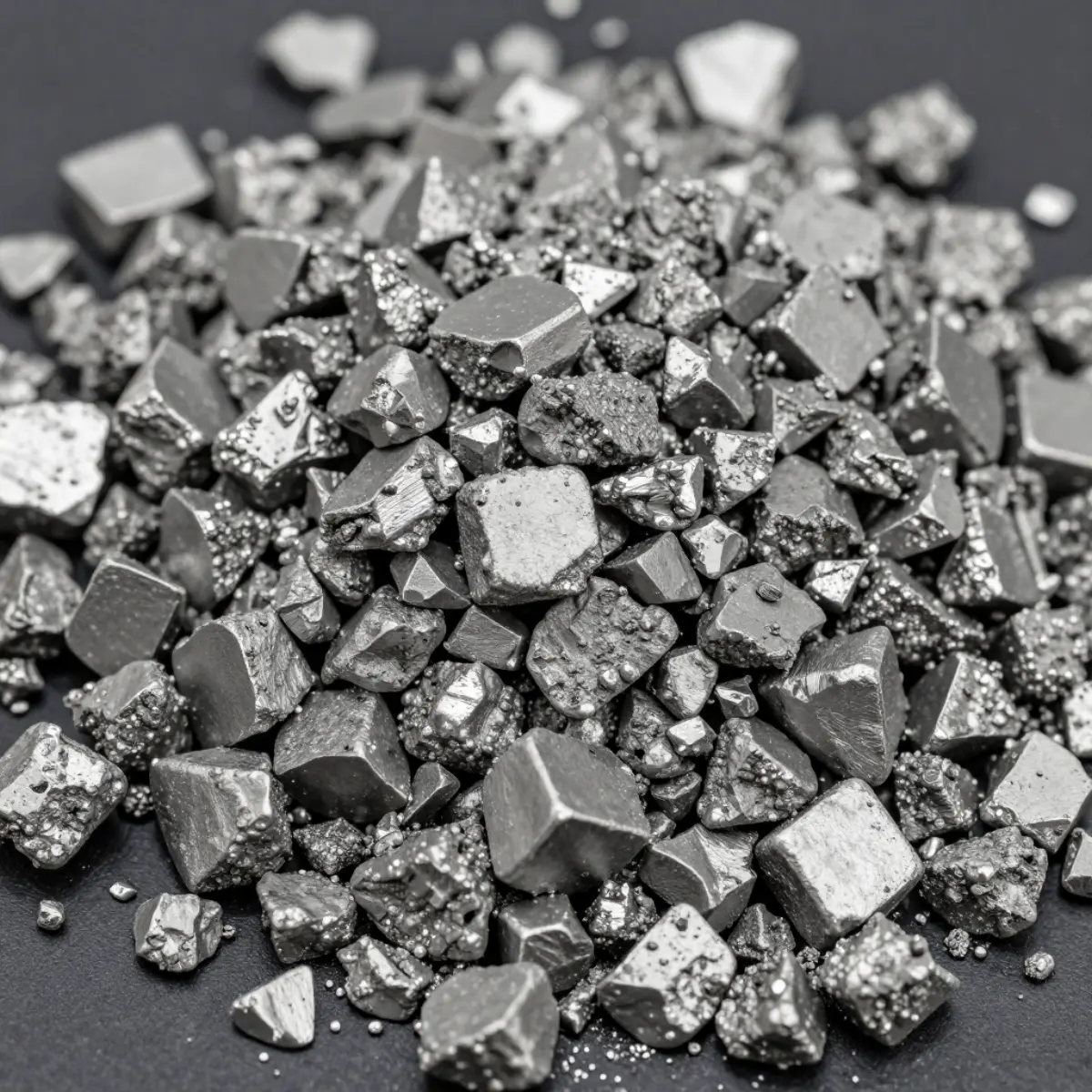
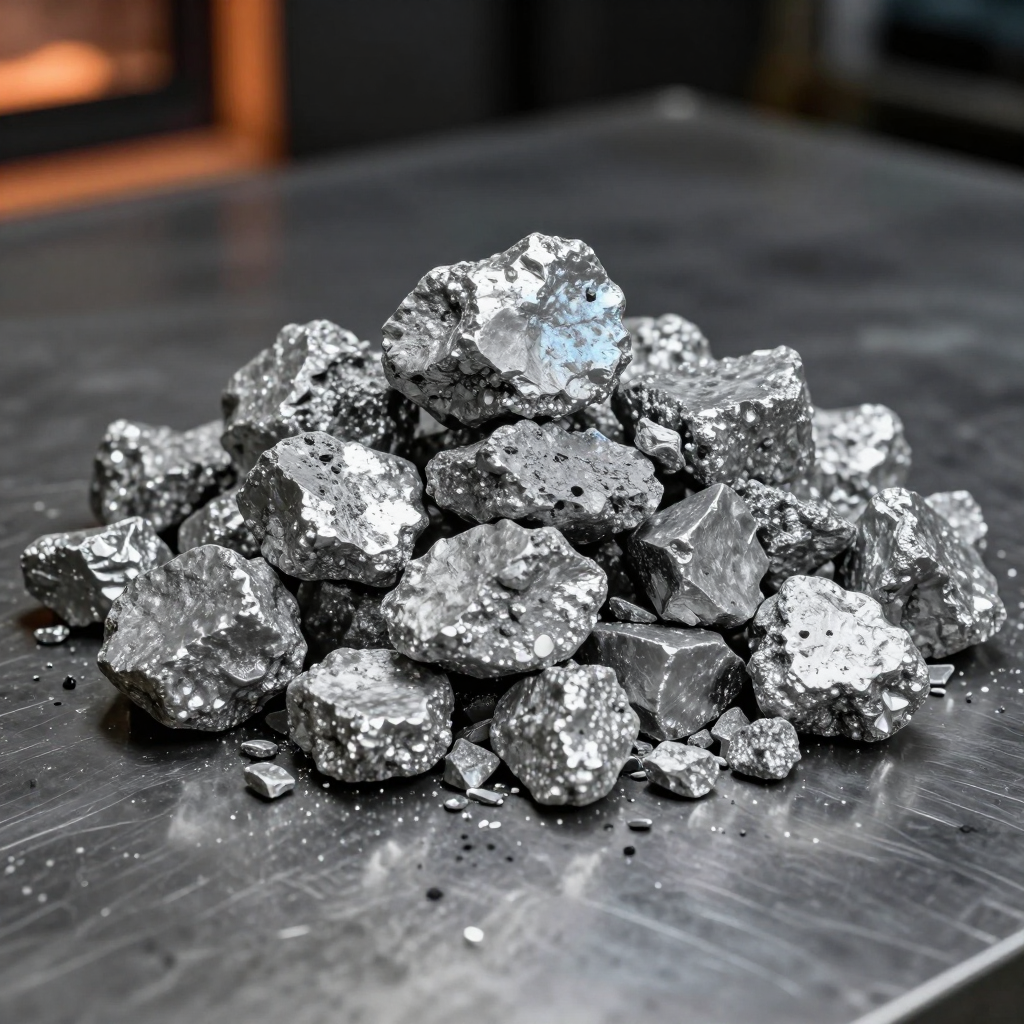
Then the visual pass. Check bale or bundle wire integrity, moisture staining, foreign matter, and the lump-to-fragment ratio. A few bales from different positions in the lot — not just the top layer, not just one container — tell you how the material actually arrived rather than how it left the plant. For moisture-sensitive grades such as calcium silicon or calcium carbide, this step deserves extra attention: a lot can be chemically in specification and still underperform in the furnace if it has absorbed water in transit.
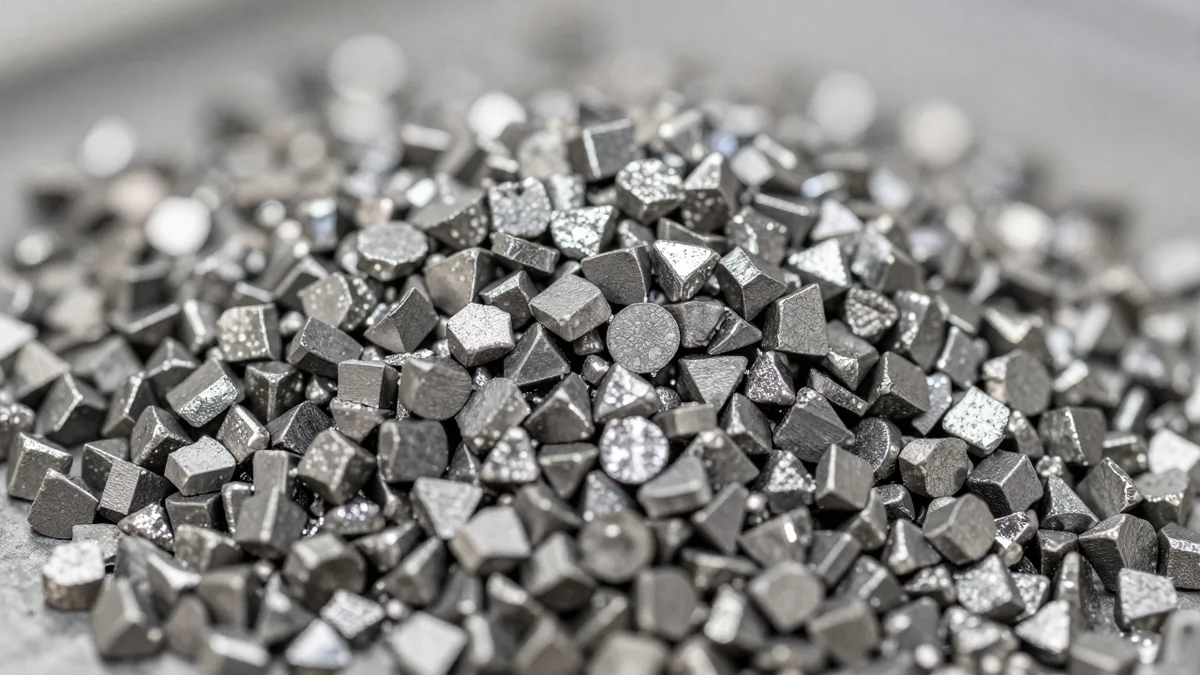
Sampling is where the inspection becomes a test. A representative sample is a composite: fragments taken from several bales across the lot, reduced to a furnace sample, and split into a test portion and a retained portion. The retained portion is the one that matters in any later dispute, so it is labeled, sealed, and stored for the period the contract allows. In the lab, XRF screening is fast and reliable for comparing silicon, manganese, carbon and vanadium against the CoA; where the result is contract-critical, emission spectrometry or ICP serves as the arbitration method. Moisture is measured separately by oven-drying or Karl Fischer titration, and the fraction passing through a screen gives the sizing profile the melt shop needs for charging decisions.
Close the loop by recording the result for each lot and watching the trend, not just the single number. If a supplier’s CoA consistently runs high on one element, that is a signal for the next contract negotiation — and the same is true if your own retained samples consistently disagree. A disciplined program like this eventually gets written into the contract itself: the buyer’s right to sample and test, third-party inspection at the loading port where distance or value justifies it, and a defined window for raising a nonconformity. That is also how a healthy supply relationship operates day to day — with each shipment carrying lot-level documentation, so incoming inspection verifies the truth rather than hunting for it.