Ferrotitanium for Grain Refinement and Final Deoxidation: Titanium Yield, TiN, and Clean-Steel Practice
Ferrotitanium (FeTi) is one of the smallest additions a steelmill makes — often just a few kilograms per heat — yet it has an outsized influence on cleanliness, as-cast structure, and the toughness of the finished steel. Added at the end of the steelmaking cycle, ferrotitanium performs three related functions: it provides final deoxidation that sweeps residual dissolved oxygen from the bath, it precipitates fine TiC and TiN particles that pin grain boundaries and refine the final grain size, and it ties up free nitrogen as stable TiN so that nitrogen cannot cause strain aging and toughness loss in service. Understanding how these three effects combine — and how to protect titanium yield heat-to-heat — is the difference between a microalloying addition that delivers its full value and one that is lost to the slag.
Final deoxidation: closing the cleanliness gap
Primary deoxidation with ferrosilicon or aluminum brings the dissolved oxygen in the bath down to a low baseline, but it does not capture all of it. The residual oxygen that remains is what drives the formation of oxide inclusions during solidification — the inclusions that act as fatigue-initiation sites in bearing, pipeline, and HSLA steels. Ferrotitanium, added after the primary deoxidants, has a very high affinity for oxygen and scavenges that residual, fixing it as stable titanium oxides. The result is a lower inclusion population and a cleaner steel. This matters most in clean-steel grades where cleanliness directly governs fatigue life and toughness.
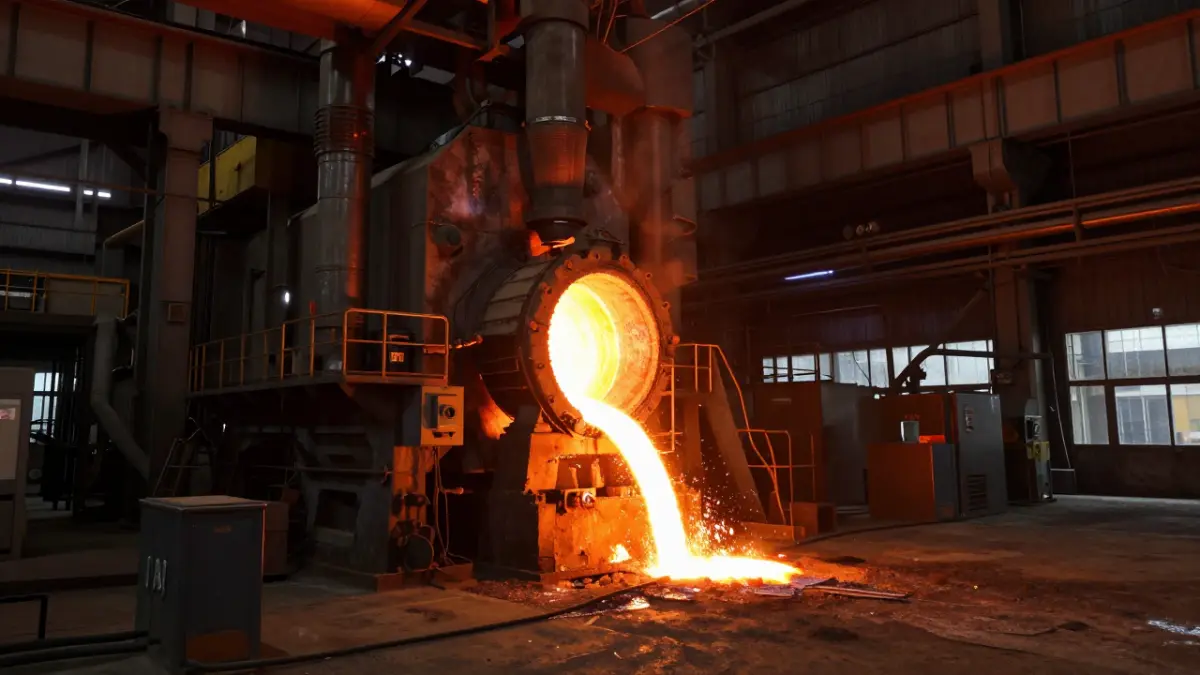
The timing of the FeTi addition relative to the primary deoxidants is critical. Add titanium too early, while oxygen is still high, and a large fraction of the titanium is consumed capturing oxygen rather than dissolving as a microalloying element. Add it too late, after the steel has begun to solidify or after the slag has destabilized, and the deoxidation benefit is lost. The disciplined practice is to complete primary deoxidation, stabilize the slag, and then add FeTi as the final oxygen sweep — capturing both the cleanliness benefit and the dissolved-titanium benefit in one addition.
Grain refinement via TiC and TiN precipitation
The dissolved titanium that survives deoxidation precipitates during cooling as fine TiC and TiN particles. These particles are the mechanism by which ferrotitanium refines the final grain size: they pin the austenite grain boundaries during hot rolling and prevent the grains from coarsening through the reheating, rolling, and welding cycles. A finer final grain size translates directly into a lower ductile-to-brittle transition temperature — meaning the steel remains tough at lower service temperatures. This is why titanium microalloying is a mainstay of API 5L line-pipe steel (X60 through X80), high-strength structural steel, and automotive grades that must absorb impact.
The same precipitation also improves the as-cast structure. In continuous casting, TiN particles act as heterogeneous nucleation sites for a fine equiaxed solidification front, reducing the columnar zone and the centerline segregation that weakens the interior of the cast strand. The result is a more uniform, sounder billet or slab that responds more consistently to downstream rolling.
Nitrogen fixation and the TiN double benefit
Free nitrogen is a damaging element in steel: it causes strain aging and dislocation locking in cold-formed products and reduces toughness. Titanium has a very high affinity for nitrogen and ties it up as stable TiN, removing it from solution. The same TiN particles that fix nitrogen also serve as the grain-refining precipitates described above — one addition, two benefits. This is especially valuable in electric-arc-furnace steels, where nitrogen pickup from the atmosphere and from nitrogen-bearing scrap is hard to avoid, and in steels that will be heavily cold-formed or welded in service.
Protecting titanium yield
Titanium yield — the fraction of added titanium that dissolves in the steel rather than being lost to oxidation or the slag — is the single parameter that determines whether a FeTi addition delivers its full value. Yield is sensitive to the oxygen and slag chemistry at the moment of addition, to the bath temperature, and to the physical form of the FeTi itself. A poorly sized, inconsistent FeTi produces variable yield heat-to-heat, which forces the melt shop to over-add titanium to protect the minimum specification — inflating alloy cost and risking TiN stringers and submerged-entry-nozzle clogging in continuous casting.
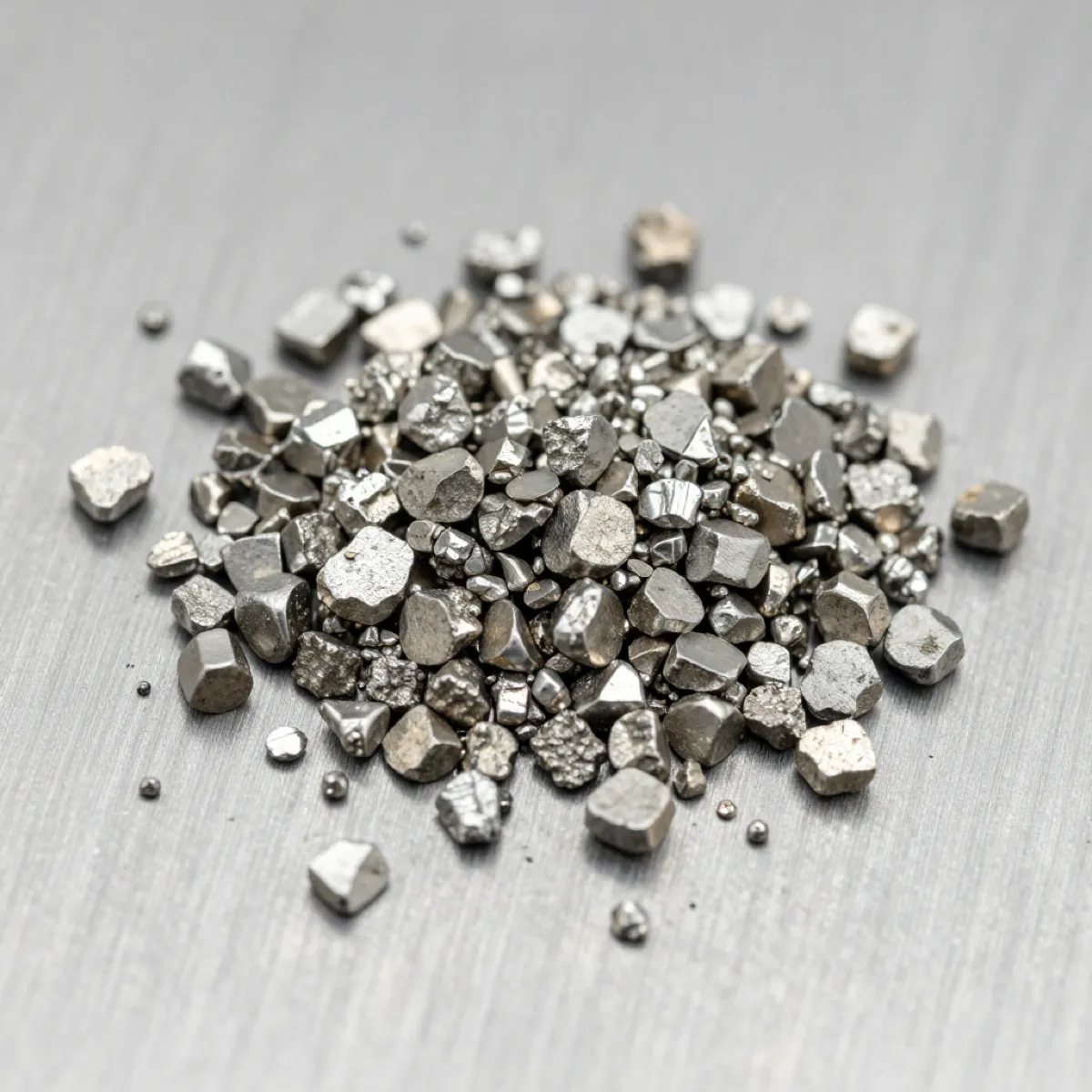
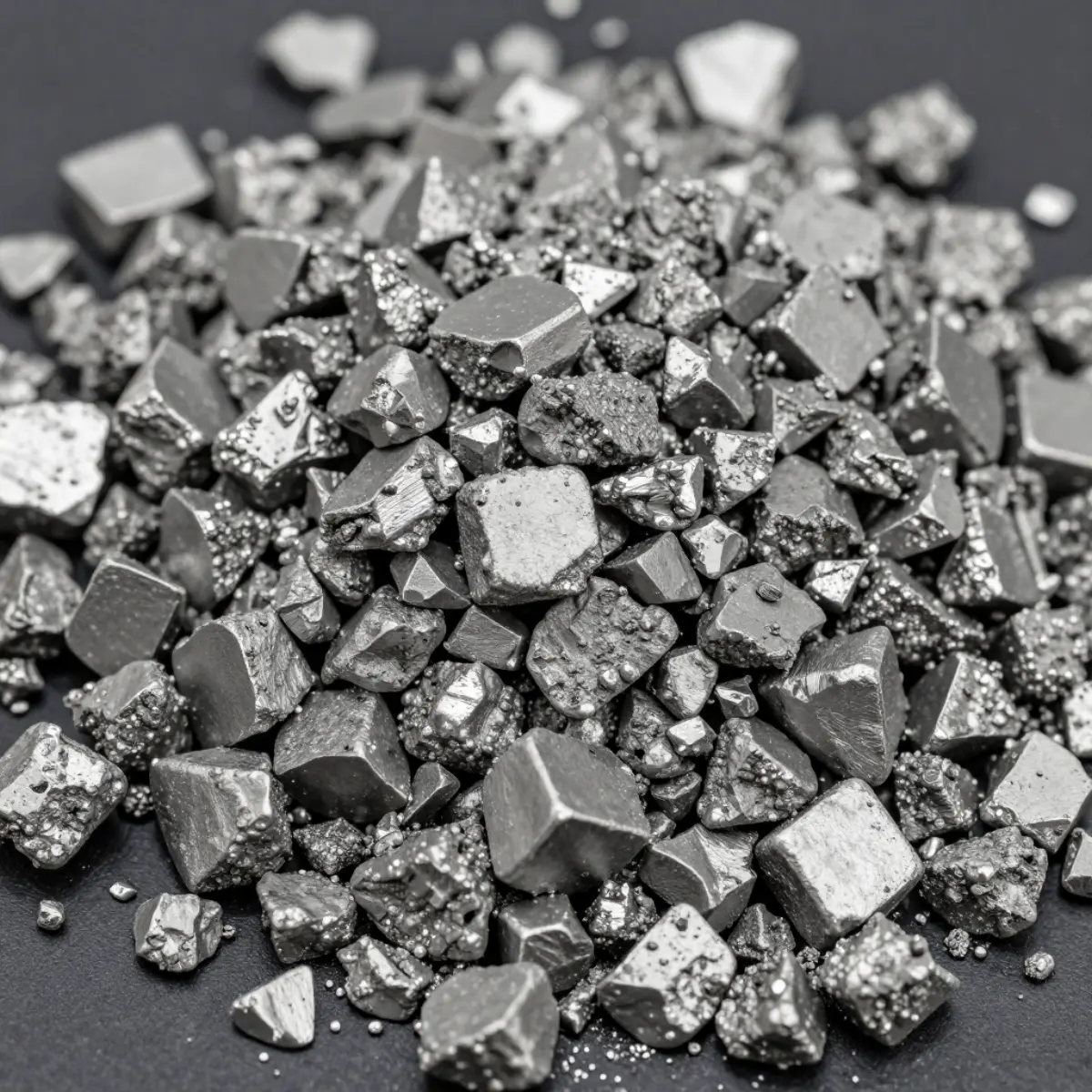
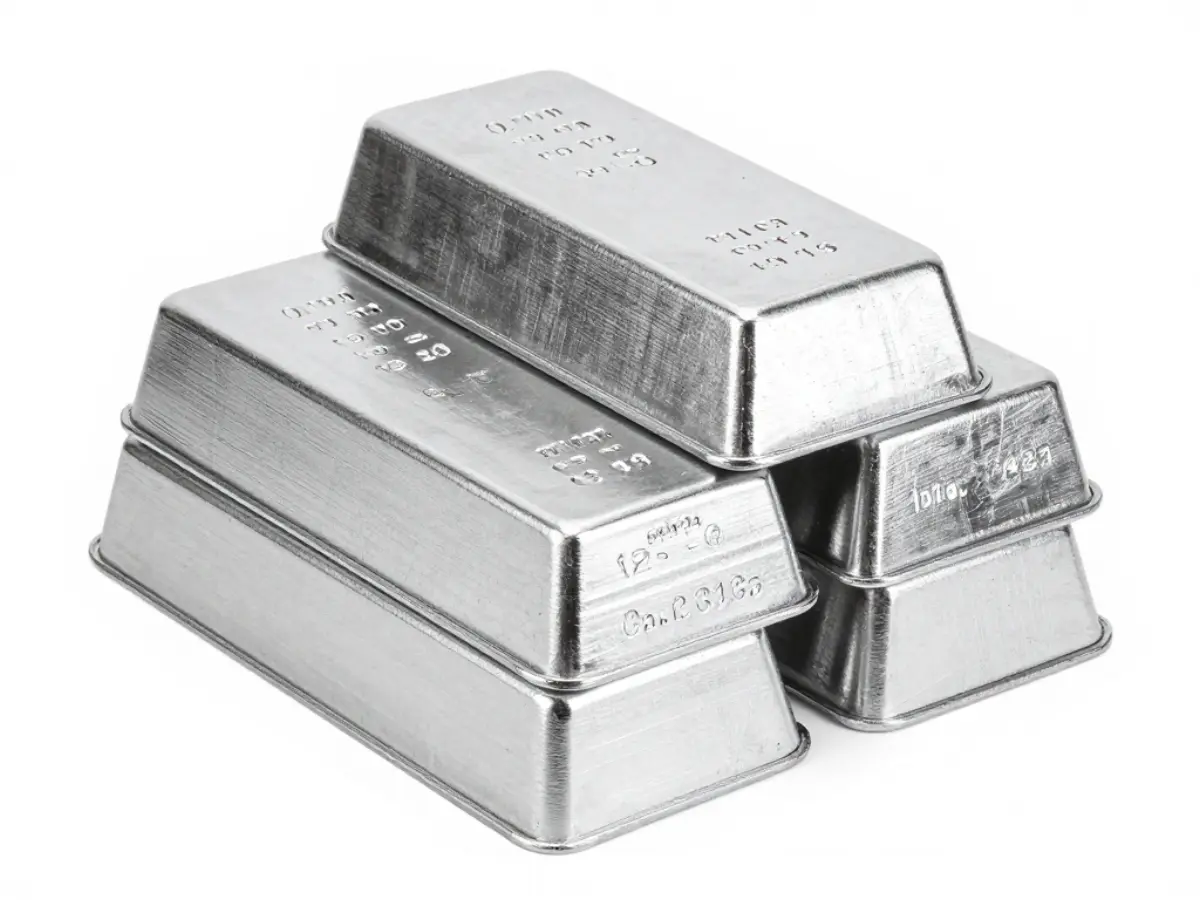
A well-sized, consistent FeTi — supplied in controlled lump gradings with certified titanium content — allows the melt shop to dose to a target dissolved-titanium residual rather than to a safety margin. Combined with disciplined primary deoxidation and slag control, this captures the full deoxidation, grain-refinement, and nitrogen-fixation value of the titanium addition at the lowest alloy cost, as illustrated in our steel-mill deoxidizer supply engagement. Ferrotitanium sourcing, in short, is a question of consistency: consistent titanium content, consistent sizing, and a recovery predictable enough to dose accurately heat after heat.