The Multiple Roles of Silicon Carbide in Steel Refining
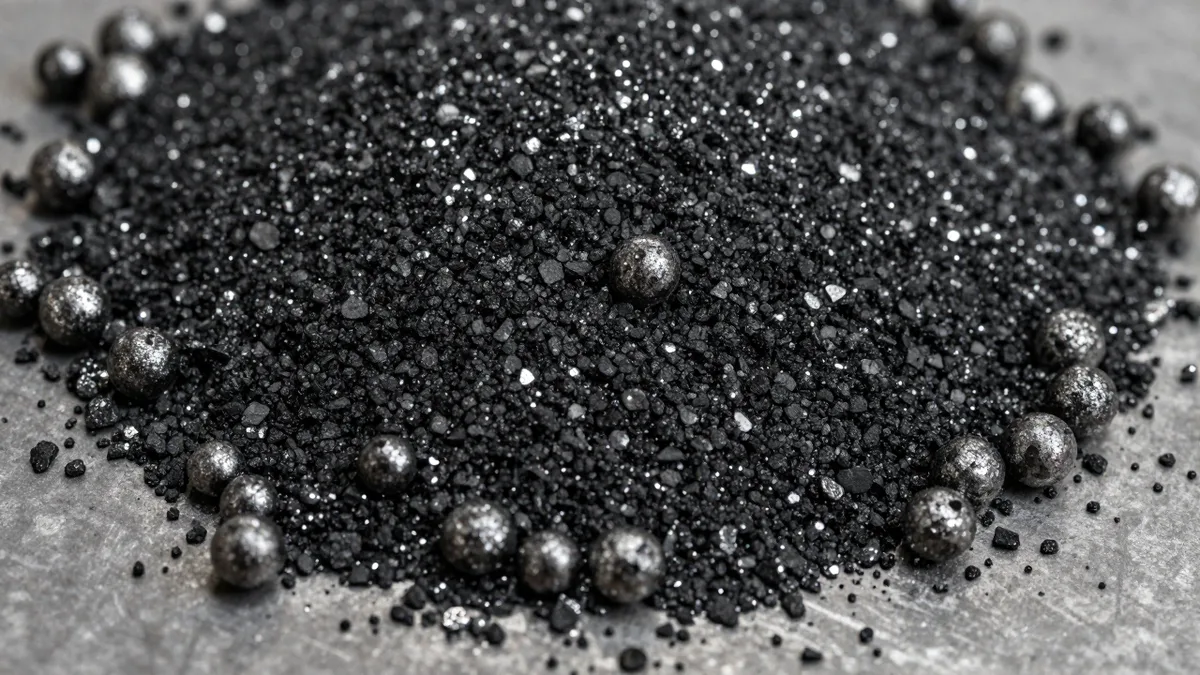
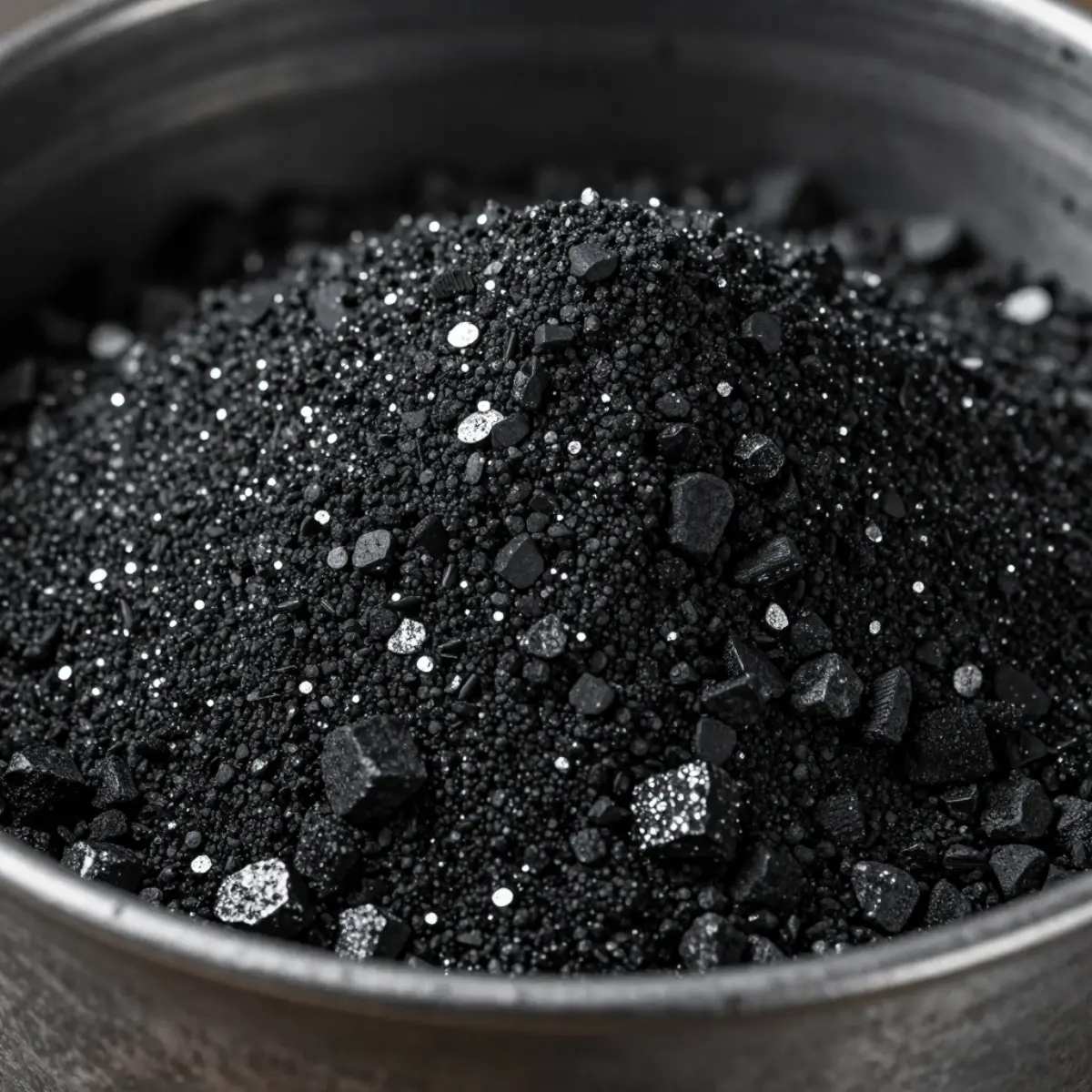
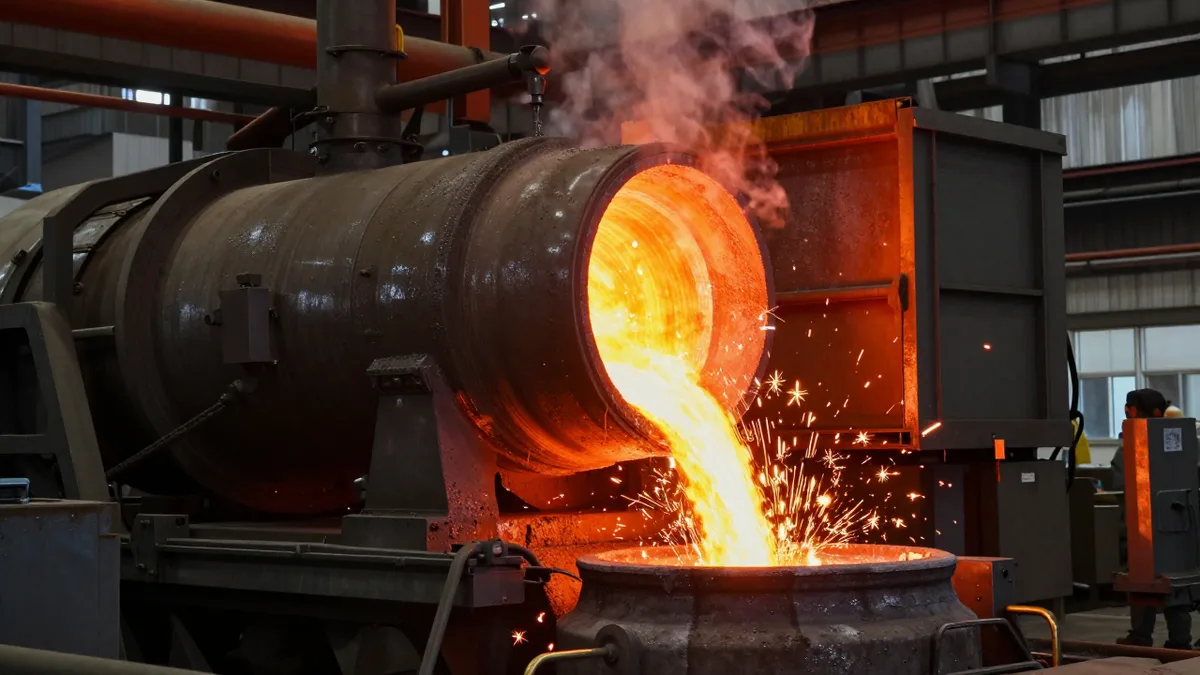
Silicon carbide (SiC) is one of the most quietly versatile materials in the steel plant. Buyers who think of it only as a refractory or abrasion ingredient tend to underestimate its role in refining itself, where it functions as a reductant, a source of silicon for deoxidation, and — in its sintered-ball form — a ladle-treatment aid. Understanding where SiC fits helps a melt shop choose it deliberately rather than defaulting to a substitute.
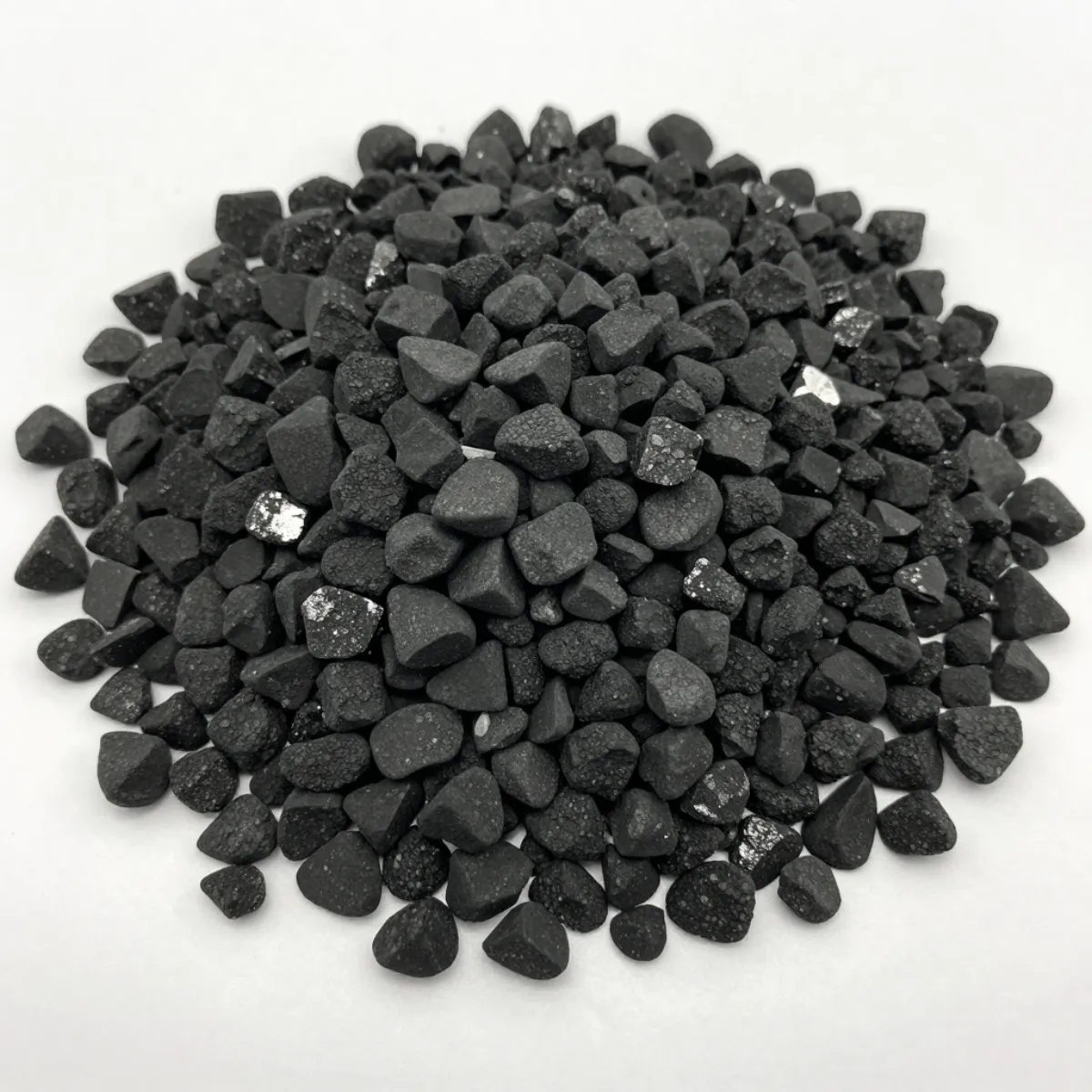
As a reductant, silicon carbide combines silicon and carbon in a single charge. Added to molten metal it can reduce iron oxide in the slag and deliver silicon into the melt, which makes it useful where a controlled silicon build-up is wanted without charging ferrosilicon and a separate carbon source. Because part of the value is the carbon it carries, the melt shop must account for that carbon in the charge balance — a detail that matters on low-carbon and interstitial-free grades where every hundredth of a percent is managed.
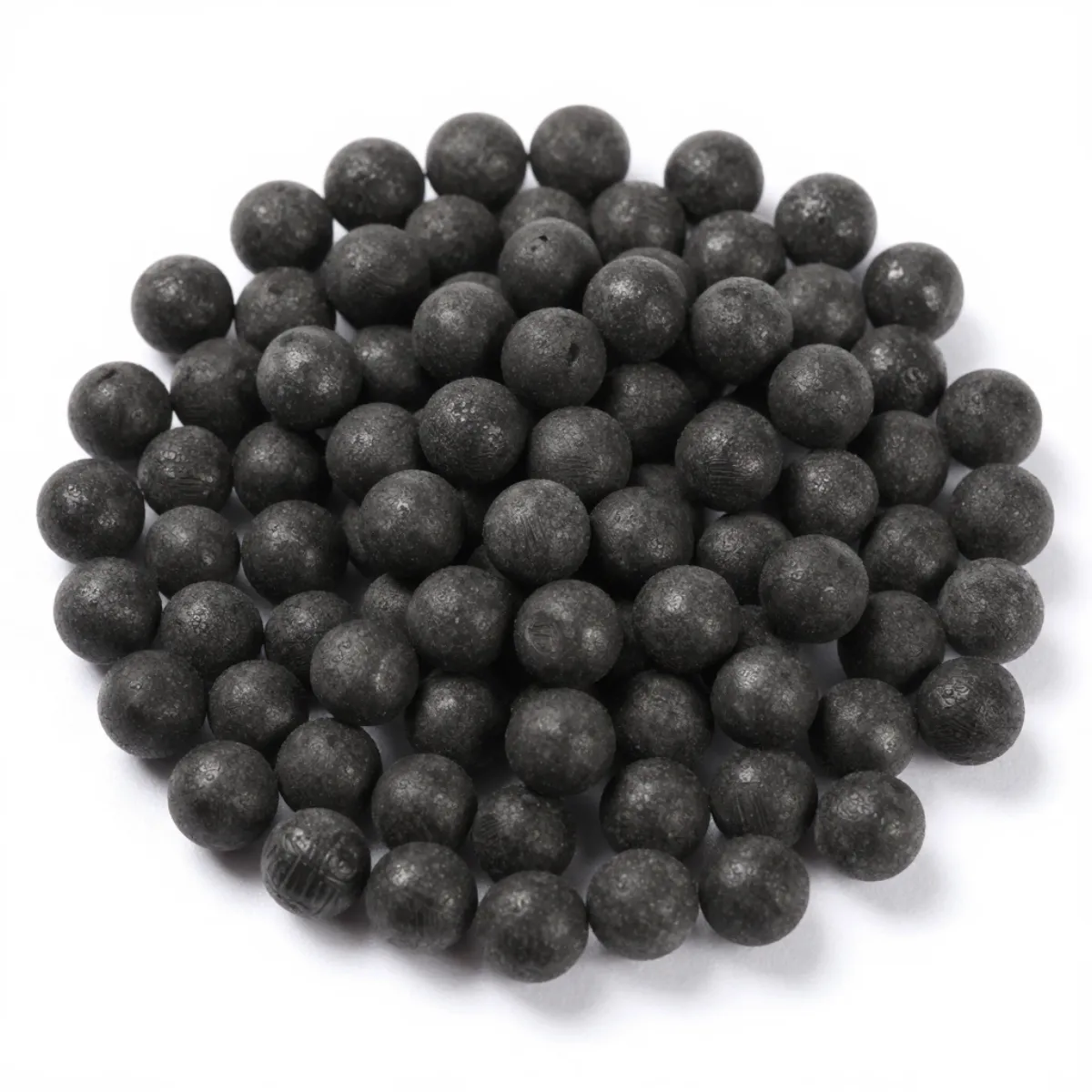
Sintered silicon carbide balls occupy a different niche: ladle and tundish treatment. Loaded into the melt or the tundish, they act as a controlled release of deoxidizing material and, in some practices, aid stirring and inclusion flotation. Their role is closer to a deoxidizer or clean-steel aid than to a bulk reductant, which is why the product form — ball versus granule — and the chemistry behind it are what the buyer actually needs to specify.
SiC is also frequently confused with calcium carbide (CaC2), and the two are not interchangeable. Calcium carbide is a desulfurization and slag-conditioning reagent whose value comes from its reaction with dissolved sulfur; silicon carbide is a silicon-and-carbon reductant. A plant running deep desulfurization, for example, may use calcium carbide in a co-injection practice and silicon carbide elsewhere in the charge, each doing a different job. Specifying the right one for the right step is a common source of both cost and quality.
For procurement teams, the practical takeaway is to treat silicon carbide as a multi-role input and to specify it by the role it is meant to play — reductant, deoxidation partner, or ladle-treatment aid — with the matching product form and chemistry. Clear role definition is what turns a generic “buy SiC” order into a charge that behaves predictably on the shop floor.