Challenge:
The plant needed to desulfurize hot metal reliably to below 30 ppm for a range of low-sulfur and extra-low-sulfur steel grades, but calcium carbide alone gave inconsistent results and downstream ladle cleanup was costly.
Solution:
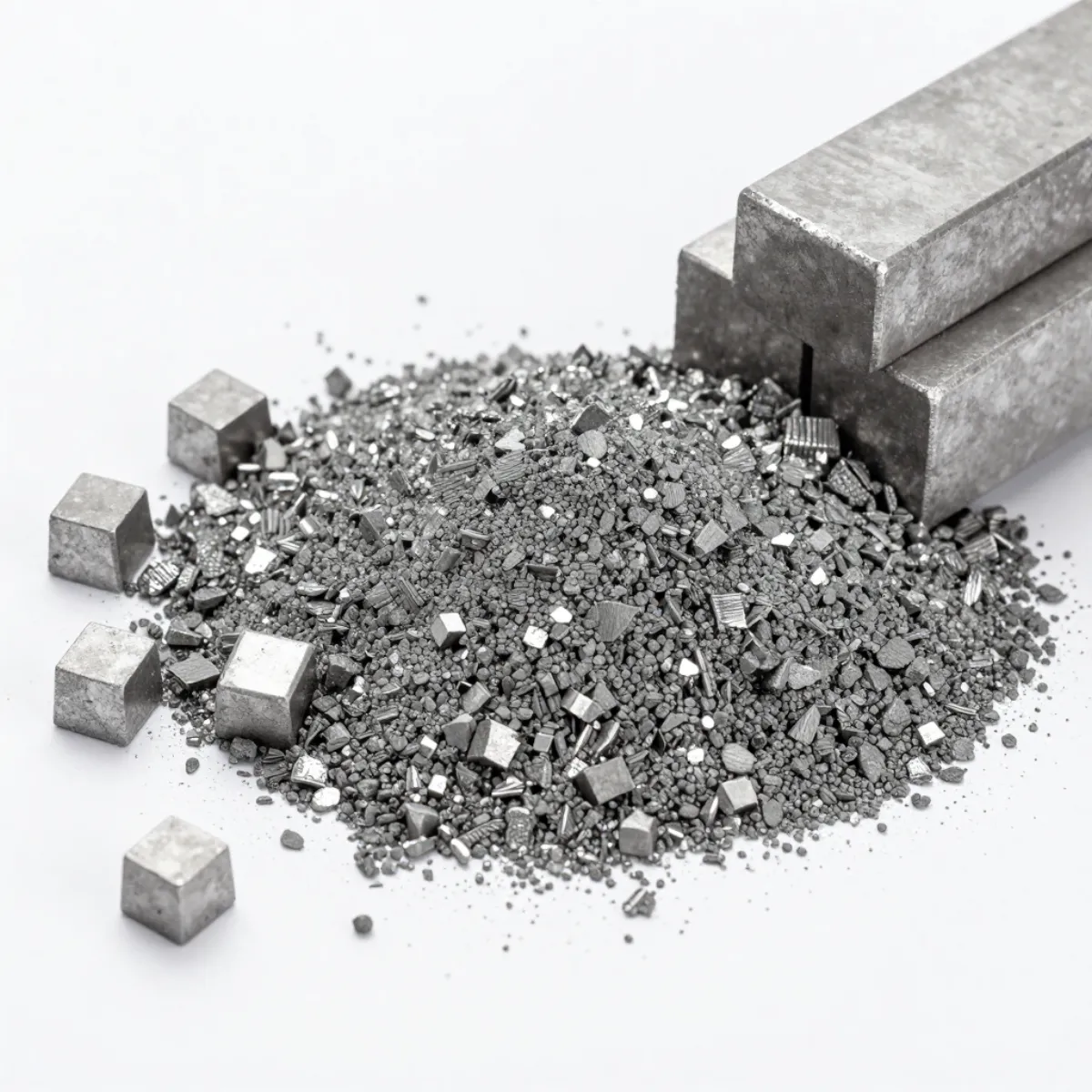
We supplied high-purity magnesium granules in a controlled size range and supported a CaC2 + Mg co-injection practice, matching injection rates to target sulfur and holding buffer stock at the torpedo-car station.
Result:
Hot-metal sulfur was held below 25 ppm across production cycles, reducing ladle-furnace desulfurization load and the reagents needed for final cleanup on low-sulfur grades.
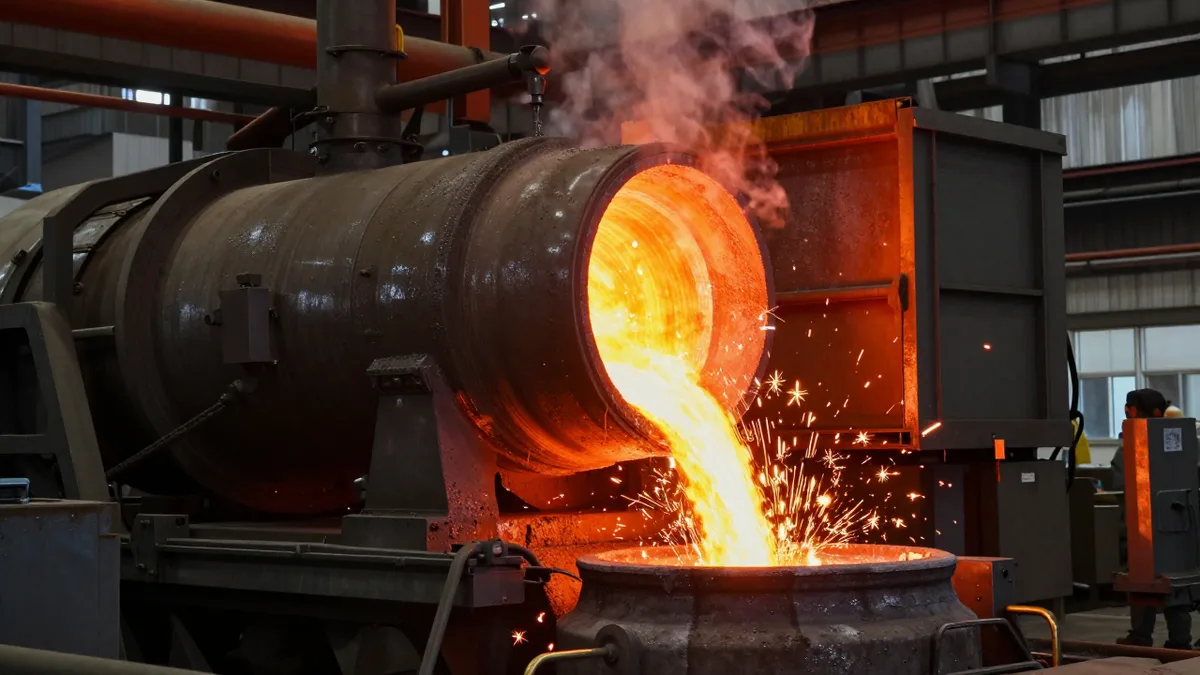
An integrated steel plant producing a wide range of low-sulfur and extra-low-sulfur grades depended on torpedo-car desulfurization to start each heat at a clean sulfur baseline. Relying on calcium carbide alone, the plant saw variable results: sulfur removal fluctuated with hot-metal temperature and initial sulfur content, and the residual sulfur often forced the ladle furnace to do expensive secondary desulfurization before casting.
We supplied high-purity magnesium granules in a controlled size range suited to pneumatic injection, and worked with the plant’s metallurgists to establish a CaC2 + Mg co-injection practice. Magnesium provides rapid initial sulfur pickup, while calcium carbide sustains desulfurization capacity over the treatment; together they reach deeper sulfur levels than either agent alone. Injection rates were matched to the target sulfur for each grade, and buffer stock was held at the torpedo-car station so that treatment could proceed on schedule without waiting on deliveries.
Across the following production cycles the plant held hot-metal sulfur below 25 ppm, well under its 30 ppm target. The lower sulfur baseline reduced the desulfurization work the ladle furnace had to do, trimming the reagents and time needed for final cleanup on the most demanding low-sulfur grades. Consistent injection-grade magnesium and a documented size distribution were key to keeping the co-injection behavior stable from one heat to the next.