Vanadium Nitrogen Alloy Applications in HSLA Steel
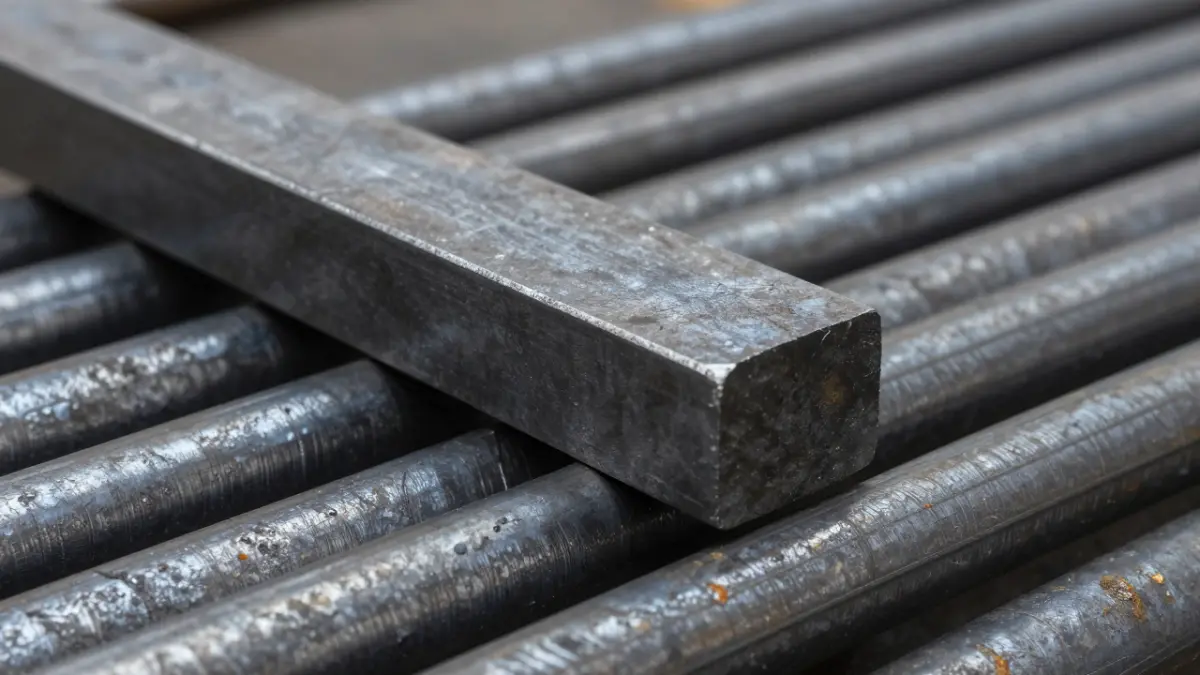
High-strength low-alloy (HSLA) steels rely on microalloying elements to achieve their strength-ductility balance, and vanadium-nitrogen alloy has emerged as one of the most effective microalloying systems for this purpose. The combination of vanadium and nitrogen produces V(C,N) precipitates that provide both grain refinement during hot rolling and precipitation strengthening in the final product. This dual strengthening mechanism allows steelmakers to achieve higher yield strengths without increasing carbon content, which is critical for weldability and toughness.
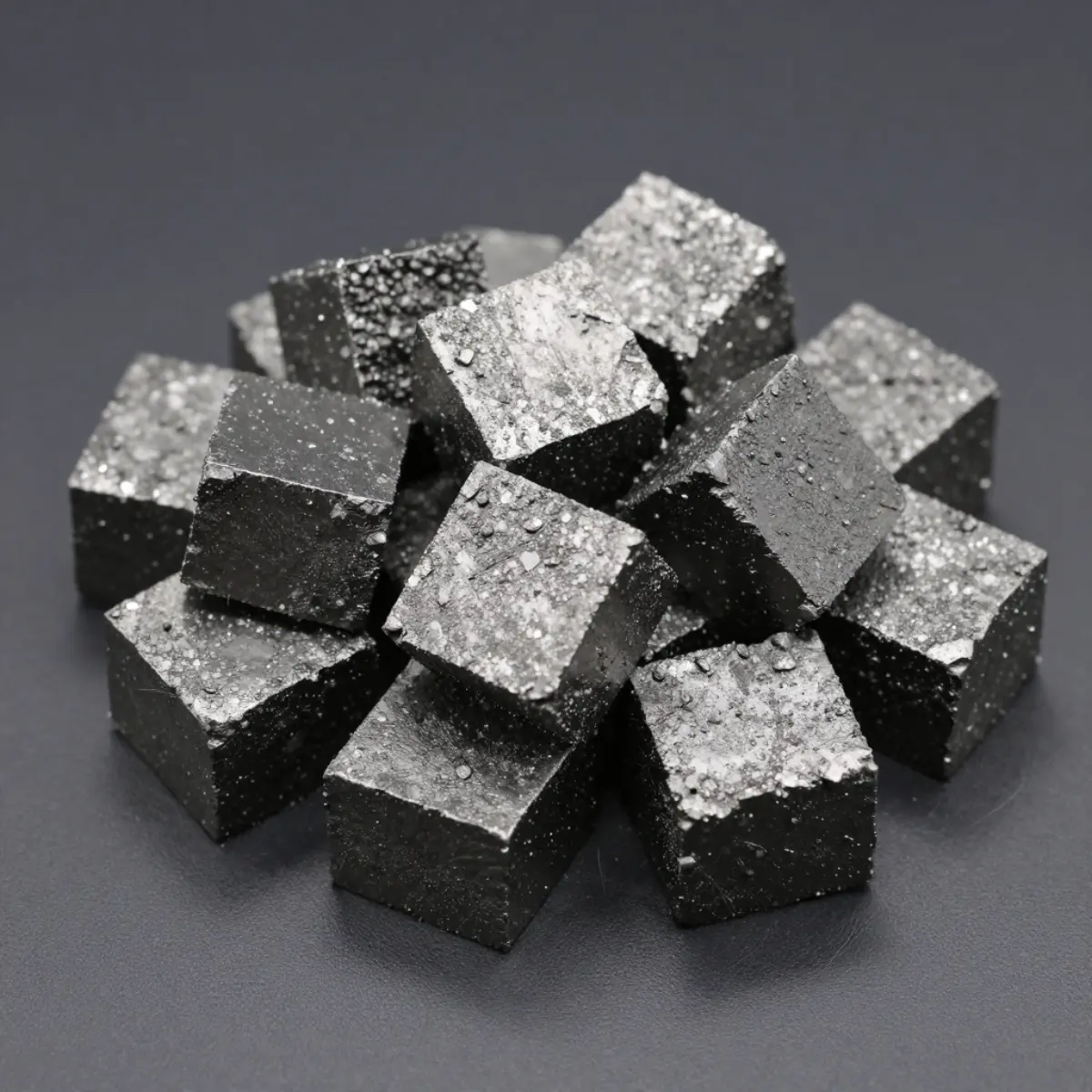
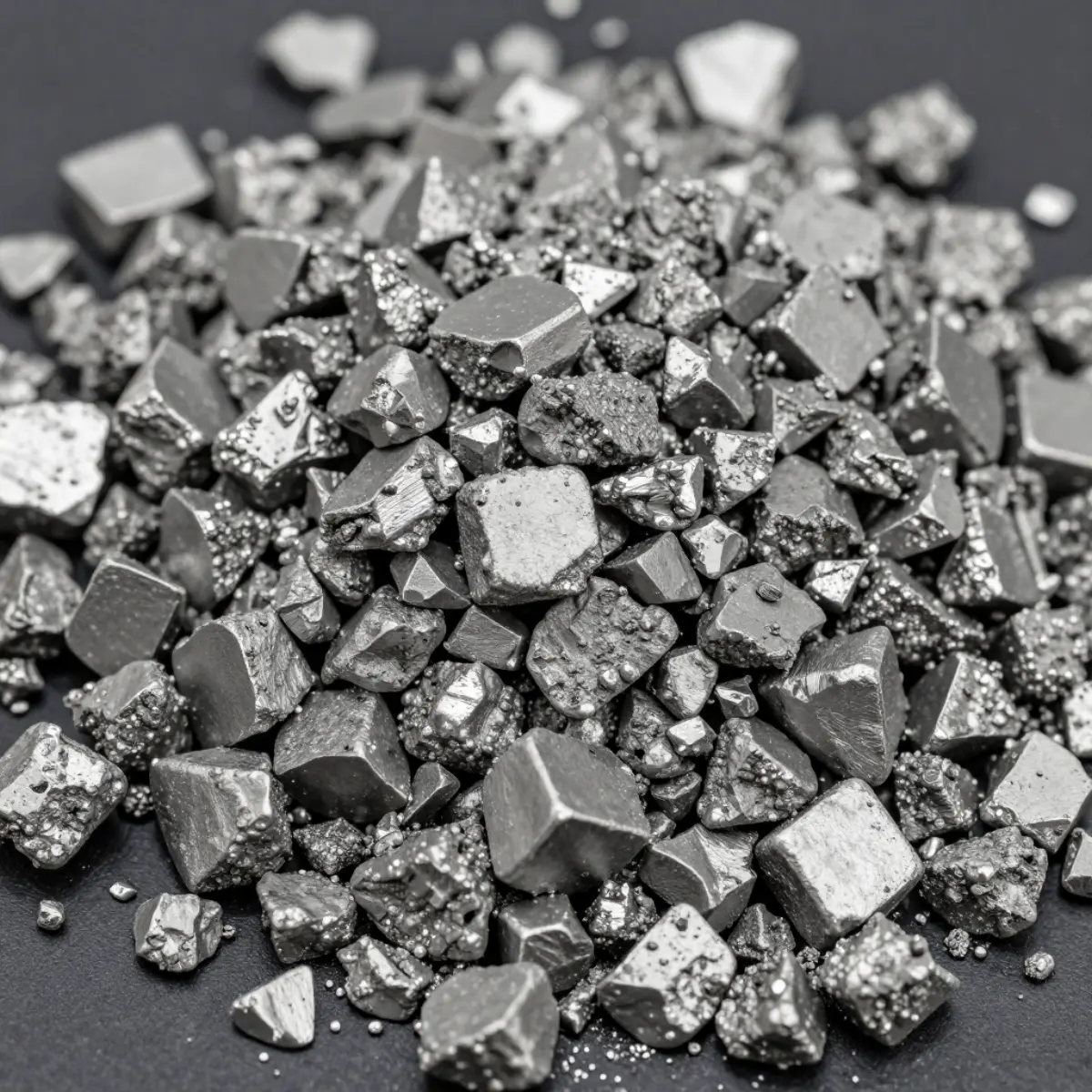
The role of nitrogen in vanadium microalloying is often underappreciated. Nitrogen increases the volume fraction of vanadium precipitates and shifts the precipitation temperature range, making the strengthening effect more consistent across different cooling rates and coil sizes. Vanadium-nitrogen alloy provides a controlled and predictable source of both elements in a single addition, eliminating the variability that comes from relying on residual nitrogen in the steel or adding nitrogen through gas injection. Typical VN alloy contains 60-80% vanadium with nitrogen content around 10-16%, formulated to deliver the optimal V:N ratio for precipitation strengthening.
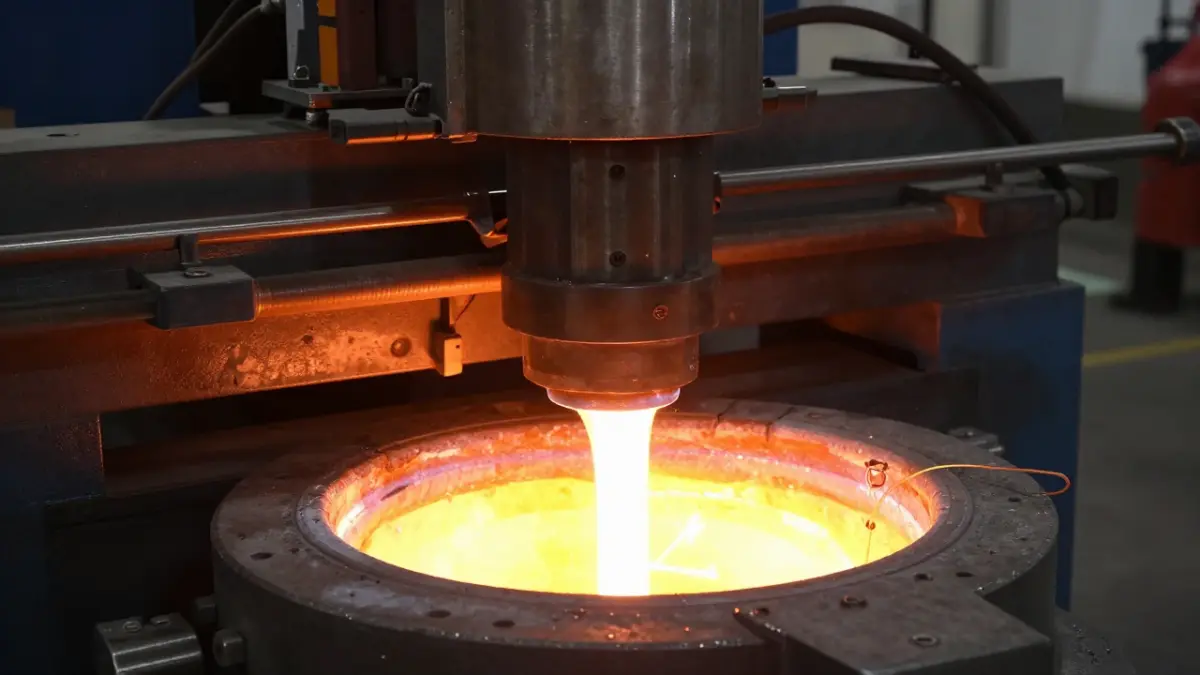
Addition strategy depends on the target grade and the available ladle metallurgy. For most HSLA applications, the VN alloy is added to the ladle during the secondary refining stage, either as a bulk addition or via cored wire injection for tighter composition control. Wire injection is preferred for grades where the vanadium specification window is narrow (such as API line pipe grades), while bulk addition is adequate for structural sections where a wider vanadium range is acceptable. In both cases, the timing of the addition relative to deoxidation is important: vanadium recovery is highest when the steel is fully killed and the slag is well reduced before the VN alloy is introduced.
The economic advantage of VN alloy over pure vanadium additions is significant. The nitrogen contribution reduces the amount of vanadium needed to achieve the same precipitate volume fraction, typically saving 20-30% on vanadium cost per ton of steel. For producers running multiple HSLA grades, standardizing on VN alloy simplifies inventory management while delivering consistent mechanical properties across the product range.