Vanadium Nitrogen Alloy — Microalloying Agent for High-Strength Steel
Vanadium Nitrogen Alloy

Vanadium Nitrogen Alloy — Microalloying Agent for High-Strength Steel

Vanadium-nitrogen alloy for microalloying of high-strength low-alloy (HSLA) steel grades. The synergistic V-N combination provides superior precipitation strengthening compared to vanadium-only additions, enabling higher strength at lower alloy cost.

Specifications

V Content
≥77%
N Content
≥10%
C Content
≤0.5%
Si Content
≤1.0%

Features

  • Synergistic V-N interaction produces fine VN and V(C,N) precipitates that provide 30–50% greater precipitation strengthening than vanadium alone
  • High nitrogen content allows steelmakers to achieve target nitrogen levels for precipitation hardening without additional nitrogen-bearing additions
  • Controlled dissolution rate ensures uniform vanadium and nitrogen distribution throughout the steel matrix during solidification and rolling
  • Cost-effective strengthening: achieves equivalent mechanical properties with 20–30% less vanadium compared to FeV additions

Applications

Microalloying of high-strength low-alloy (HSLA) structural steel for construction, bridges, and offshore platformsStrengthening of rebar (reinforcing bar) steel to achieve Grade 500 and Grade 600 yield strength requirementsPrecipitation strengthening in hot-rolled strip and plate steel for automotive and heavy equipment applicationsMicroalloying of seamless tube steel for oil and gas well casing and line pipe applications

Industries

SteelmakingConstruction SteelOil and Gas Tubulars

Vanadium-nitrogen alloy is a specialized microalloying additive that exploits the powerful synergistic interaction between vanadium and nitrogen in steel to achieve exceptional precipitation strengthening. In conventional vanadium microalloying using ferrovanadium (FeV), the vanadium combines primarily with carbon to form VC precipitates during cooling after hot rolling. However, when nitrogen is present at elevated levels (0.015–0.025%), the vanadium preferentially forms VN and V(C,N) carbonitride precipitates that are significantly finer and more numerous than VC alone, resulting in 30–50% greater yield strength enhancement per unit of vanadium added. This synergistic effect means that a steel grade requiring 0.10% V with FeV can achieve equivalent properties with only 0.07–0.08% V when using vanadium-nitrogen alloy.

The practical impact of this synergy is substantial in high-strength low-alloy (HSLA) steel production, where vanadium-nitrogen microalloying has become the dominant approach for achieving yield strengths of 350–550 MPa in as-rolled or normalized conditions. In rebar steel production, vanadium-nitrogen alloy enables the production of Grade 500 and Grade 600 reinforcing bar without the need for additional costly alloying elements or heat treatment, simply by adding 0.05–0.12% V and 0.007–0.015% N to a low-carbon manganese steel base. The cost savings are significant—vanadium-nitrogen alloy typically costs 15–25% less per unit of strengthening effect compared to ferrovanadium, making it the economically rational choice for vanadium microalloying.

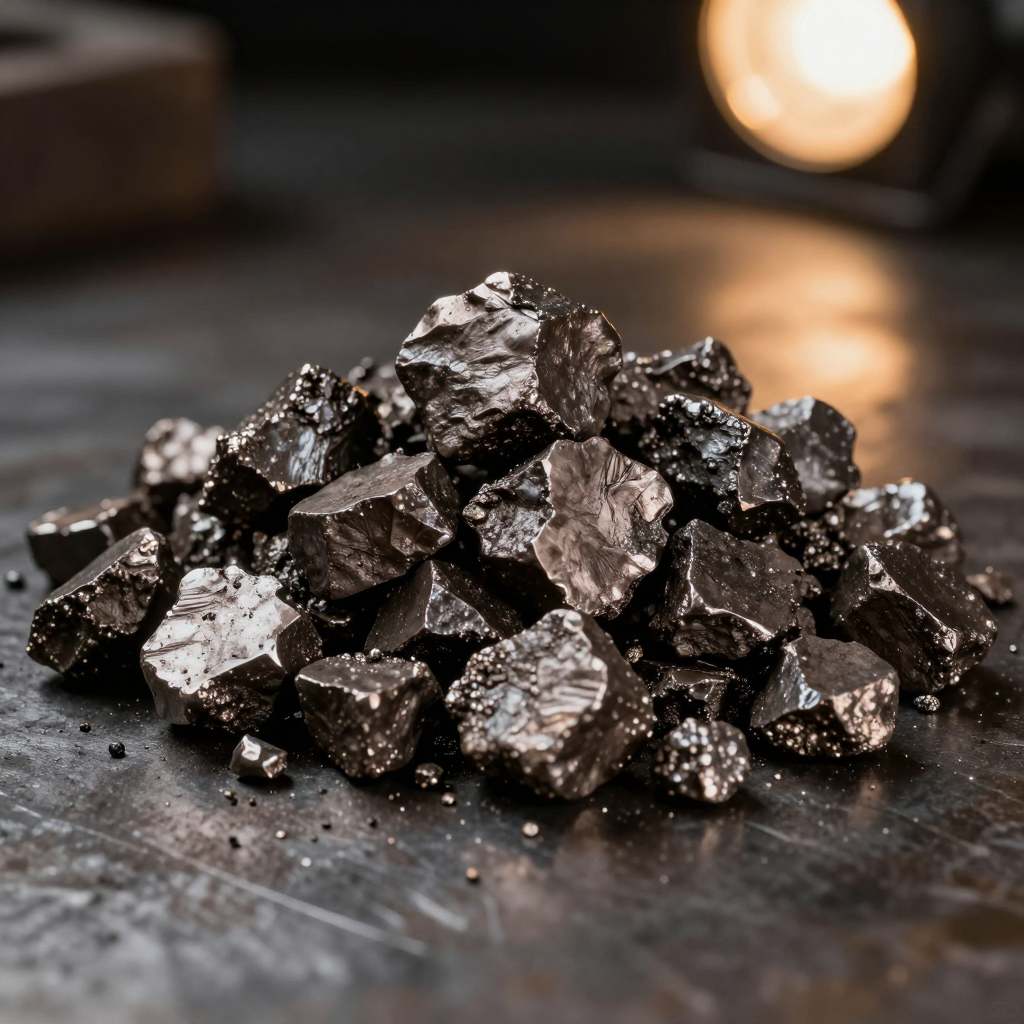
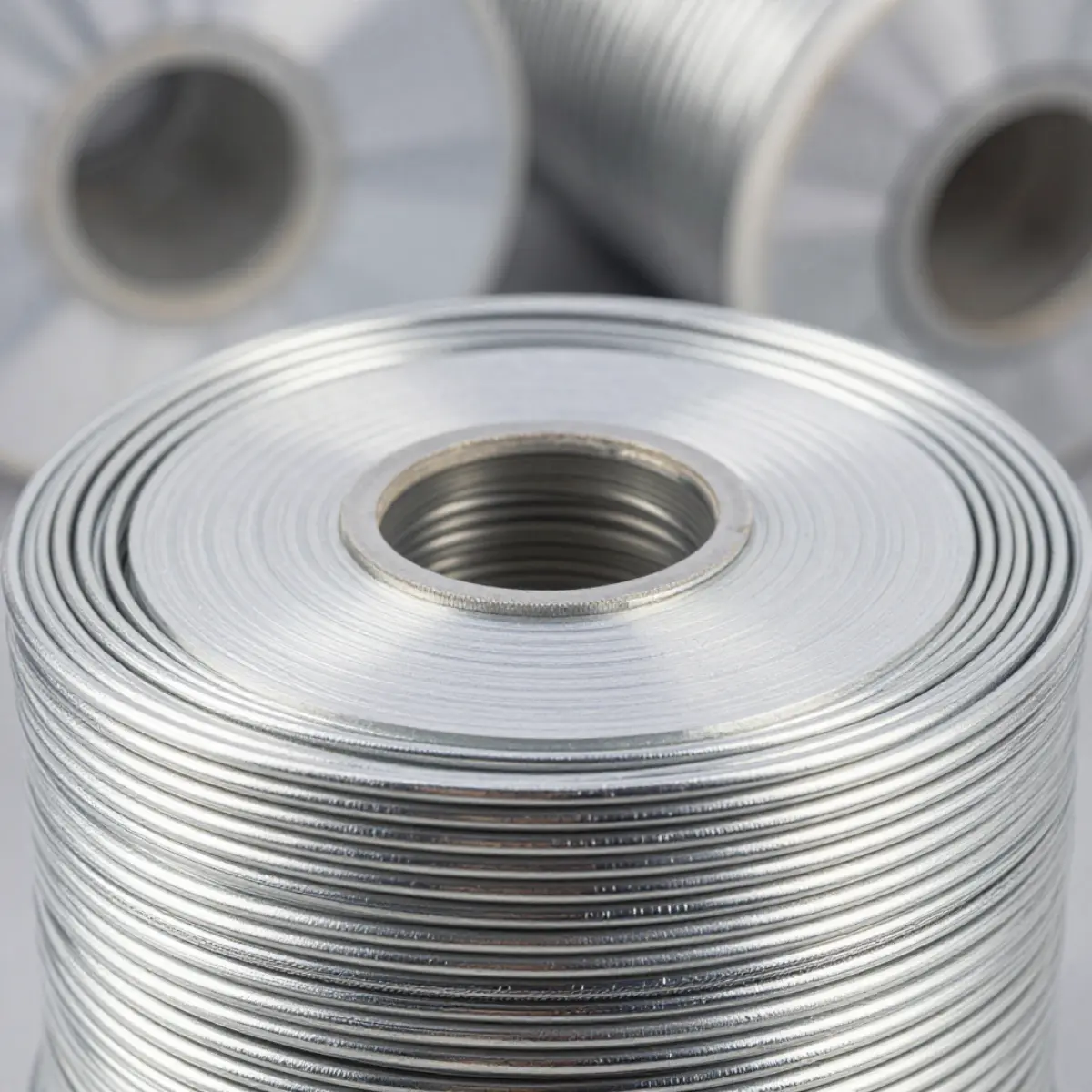
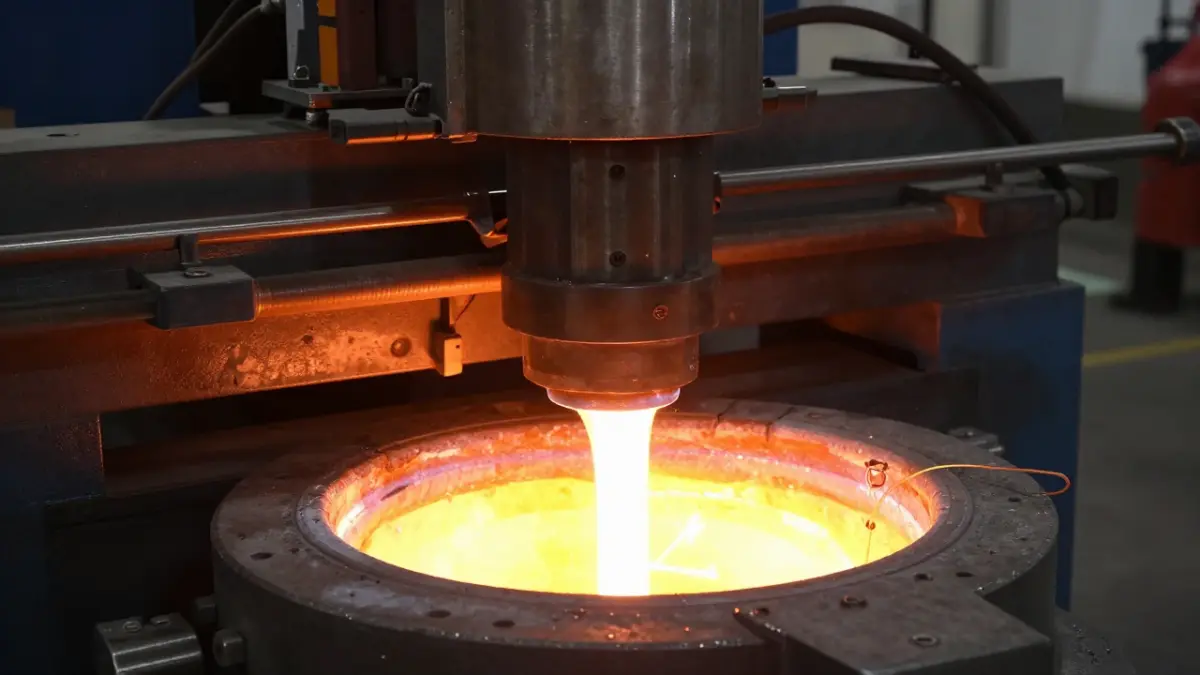
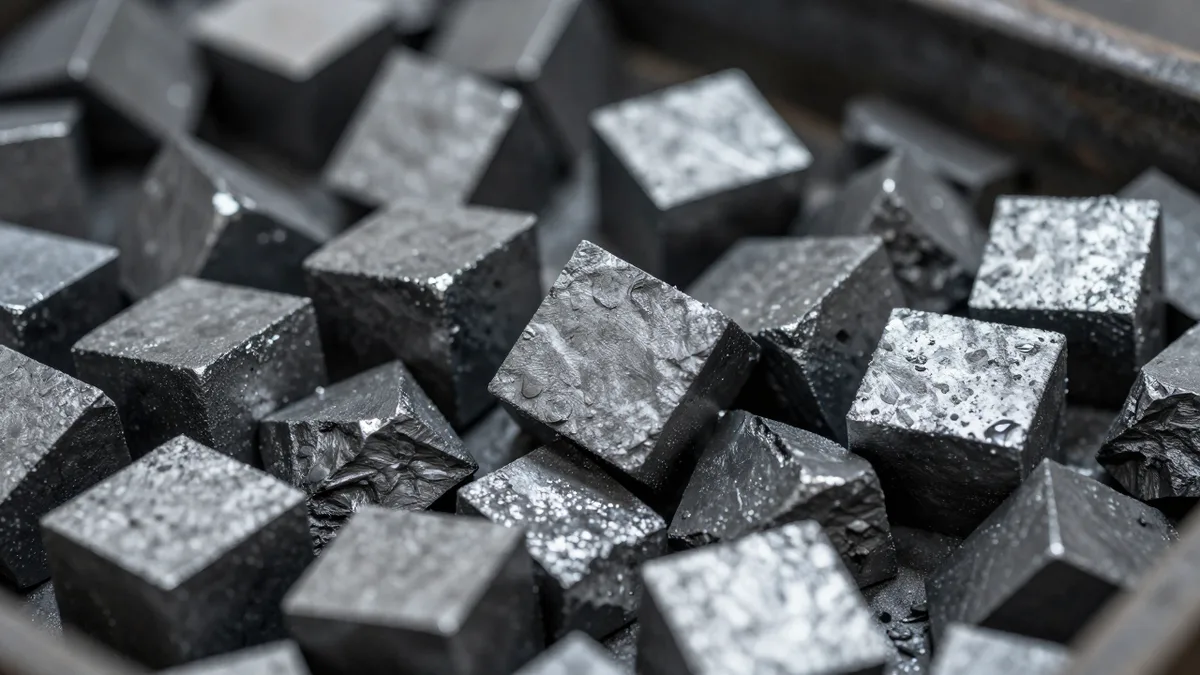
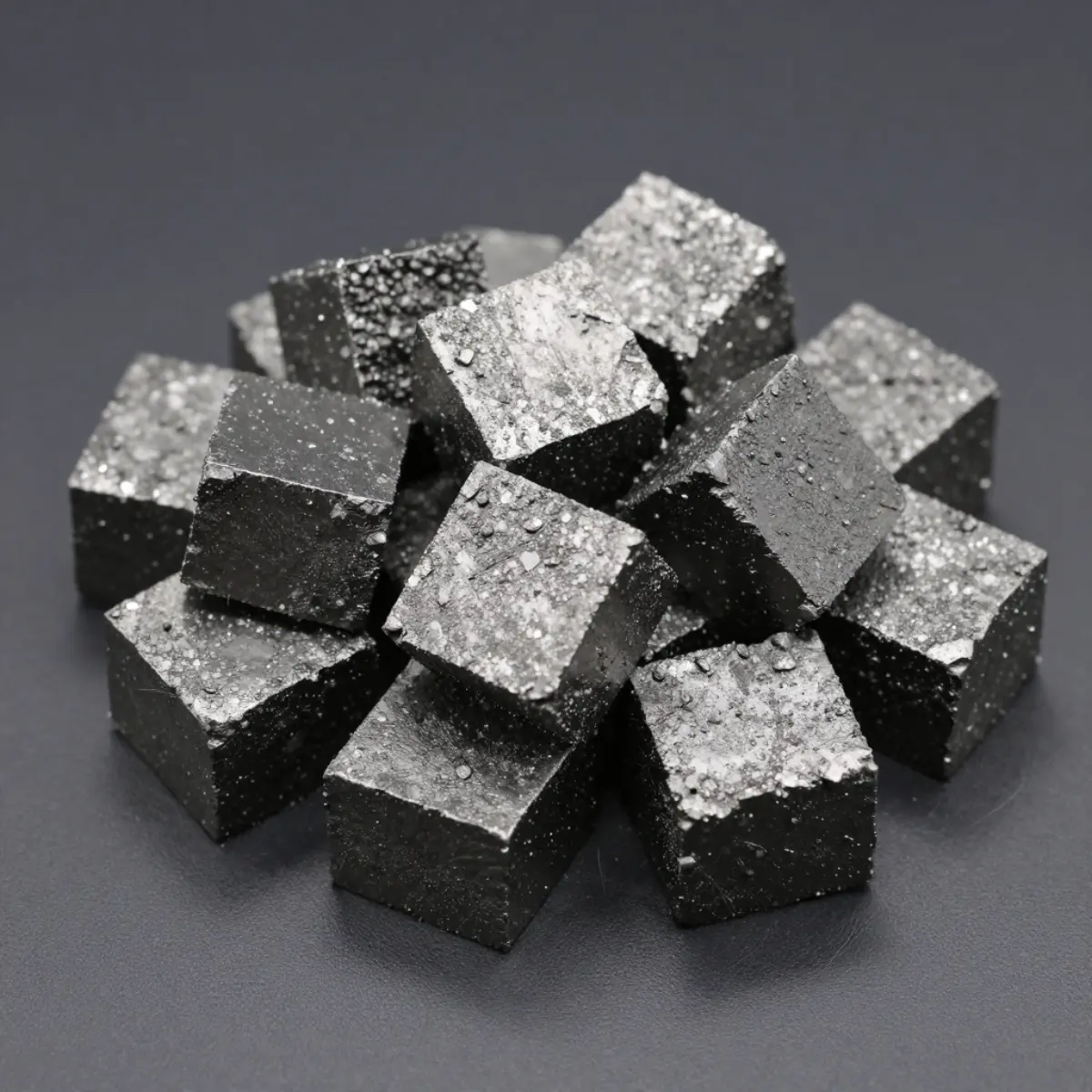
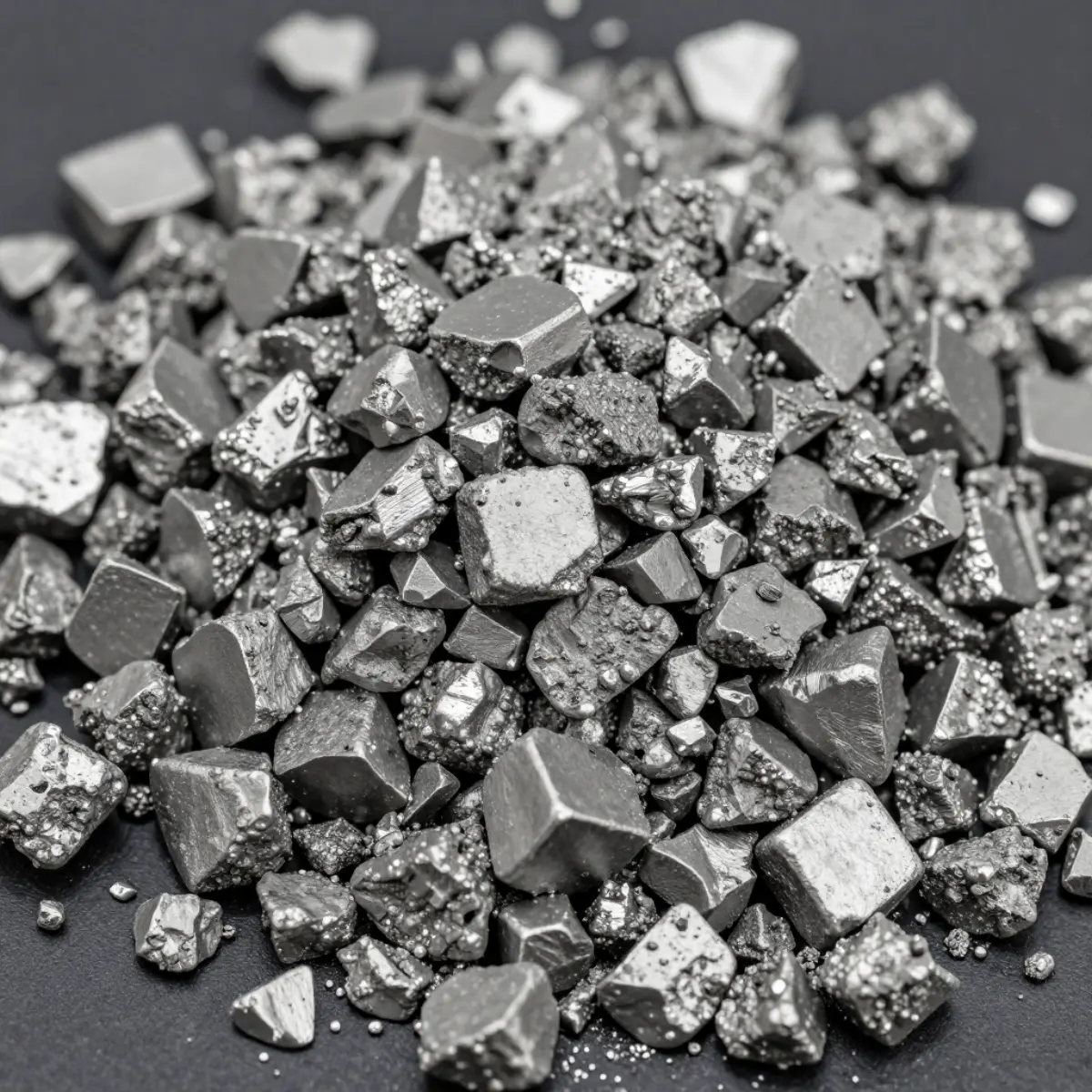
Our vanadium-nitrogen alloy is produced through a high-temperature vacuum nitriding process that incorporates nitrogen into the vanadium crystal structure at levels of 10%+, far exceeding the 4–6% nitrogen content achievable in conventional ferrovanadium grades. The high nitrogen density of the product means that fewer kilograms of alloy are needed to achieve both the vanadium and nitrogen targets in the steel, reducing total addition weight and associated yield losses to slag. The alloy is available in lump form (10–50 mm) suitable for direct ladle addition or in finer grades for cored wire injection, providing flexibility for different steelmaking process routes.

Need pricing or technical confirmation?

Send your application, grade, size, and quantity requirements by email for a faster response.

Request a Quote