Comparaison des types de désoxydants : à base d'aluminium, de silicium et composites
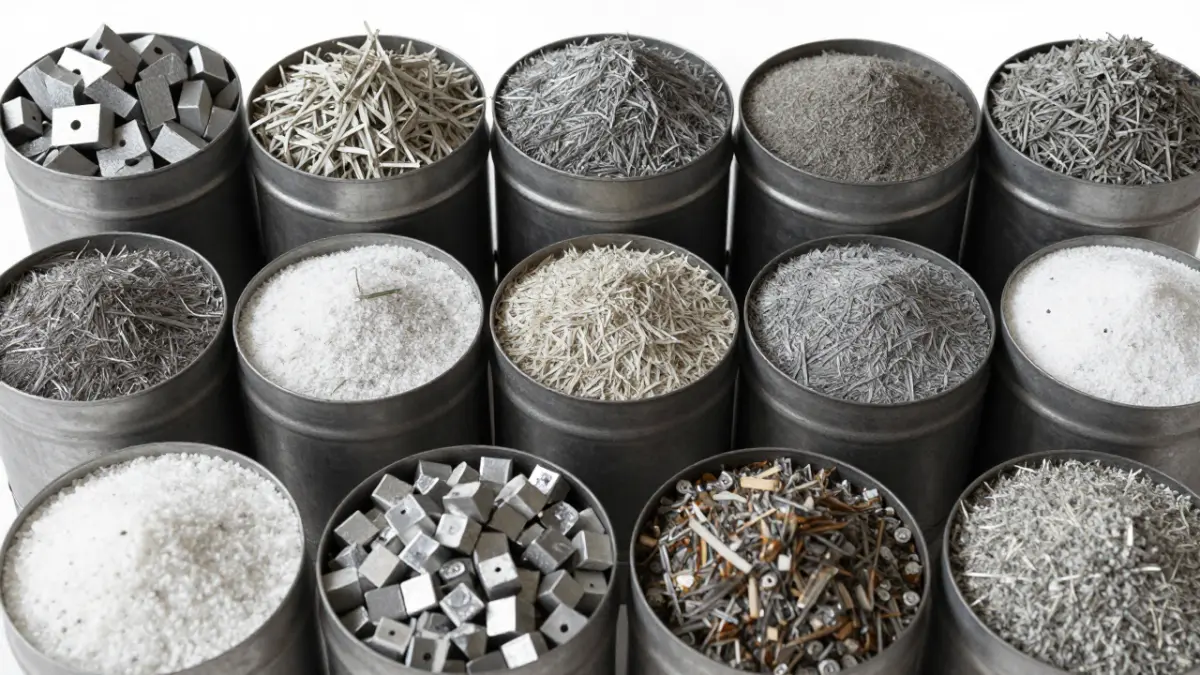
Deoxidation is the fundamental first step in producing clean steel, and the choice of deoxidizer type shapes everything that follows: inclusion morphology, casting performance, and final mechanical properties. The three broad categories of deoxidizers used in modern steelmaking are aluminum-based, silicon-based, and composite (multi-component) formulations. Each type has distinct chemistry, cost, and performance characteristics that make it suitable for specific steel grade families and process configurations.
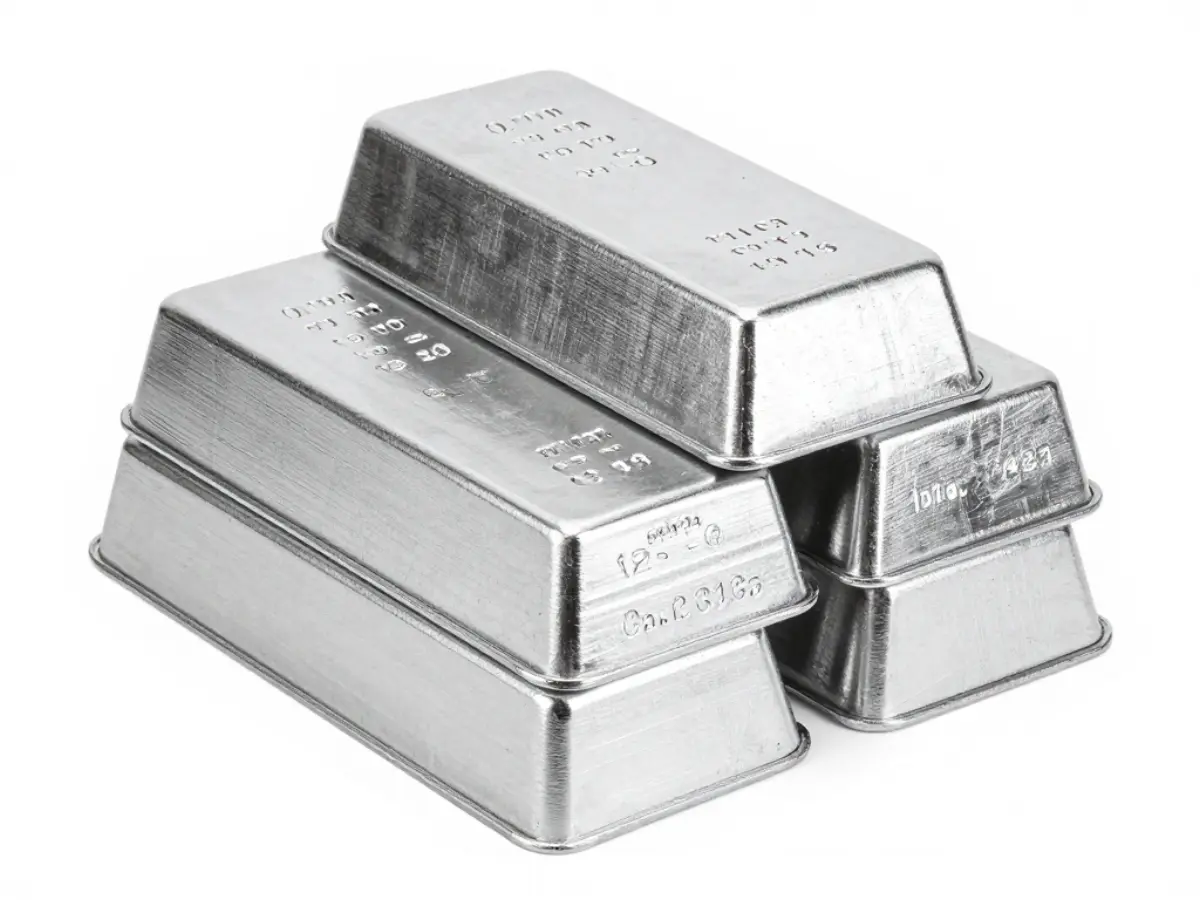
Aluminum-based deoxidizers include aluminum ingots, aluminum wire, and steel-core aluminum products. Aluminum has the strongest affinity for oxygen among the common deoxidizing elements, making it the most effective single-element deoxidizer. The resulting alumina inclusions are solid at steelmaking temperatures, which means they do not deform during rolling and can become crack initiation sites if not removed from the melt. For this reason, aluminum killing is typically followed by calcium treatment to modify alumina clusters into liquid calcium aluminates that are easier to float out. Aluminum-based deoxidation is the standard for flat products, automotive grades, and any application requiring very low total oxygen content.
Silicon-based deoxidation uses ferrosilicon or metallic silicon and produces silica-based inclusions that are less aggressive than alumina. Silicon deoxidation alone is sufficient for many carbon steel and structural grades where oxygen content requirements are less stringent. The inclusions are liquid at rolling temperatures, which reduces their harmfulness in the final product. Silicon deoxidation is also preferred for silicon-killed electrical steels where aluminum must be minimized. The trade-off is that silicon is a weaker deoxidizer than aluminum, so higher residual oxygen levels remain in the steel, and final cleanliness targets for demanding applications may not be achievable with silicon alone.
Composite deoxidizers combine aluminum and silicon (and sometimes other elements like calcium or barium) in a single product designed to leverage the strengths of both approaches. The silicon component provides rapid initial deoxidation that lowers the oxygen activity to a level where aluminum can then act efficiently, reducing total aluminum consumption and generating a mixed inclusion population that is easier to float out. Composite deoxidizers are particularly effective for continuous casting operations where consistent inclusion control is essential for castability. They also simplify material handling by reducing the number of separate additions the operator needs to make. For many steelmakers, composite deoxidizers represent the best balance of performance, cost, and process simplicity.