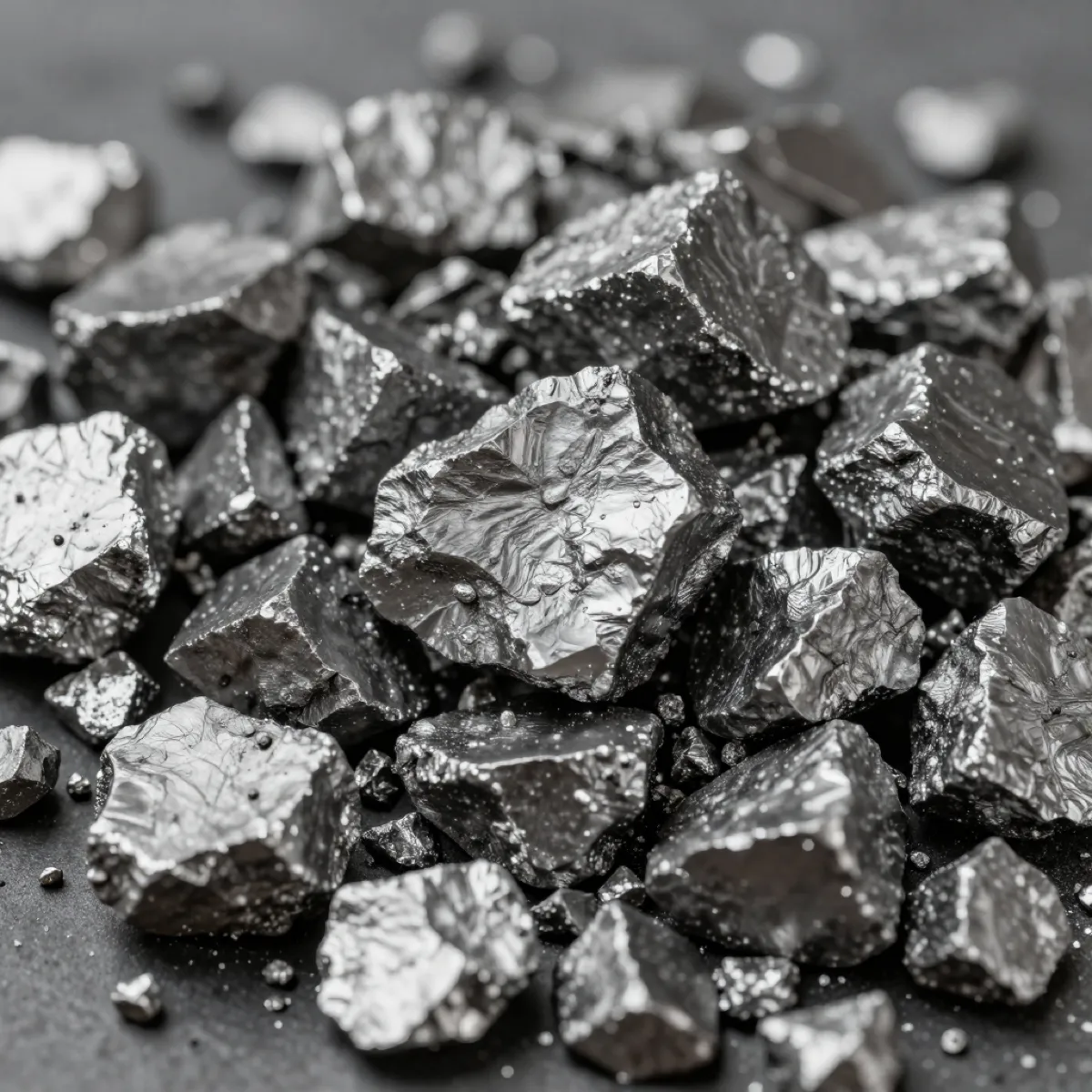
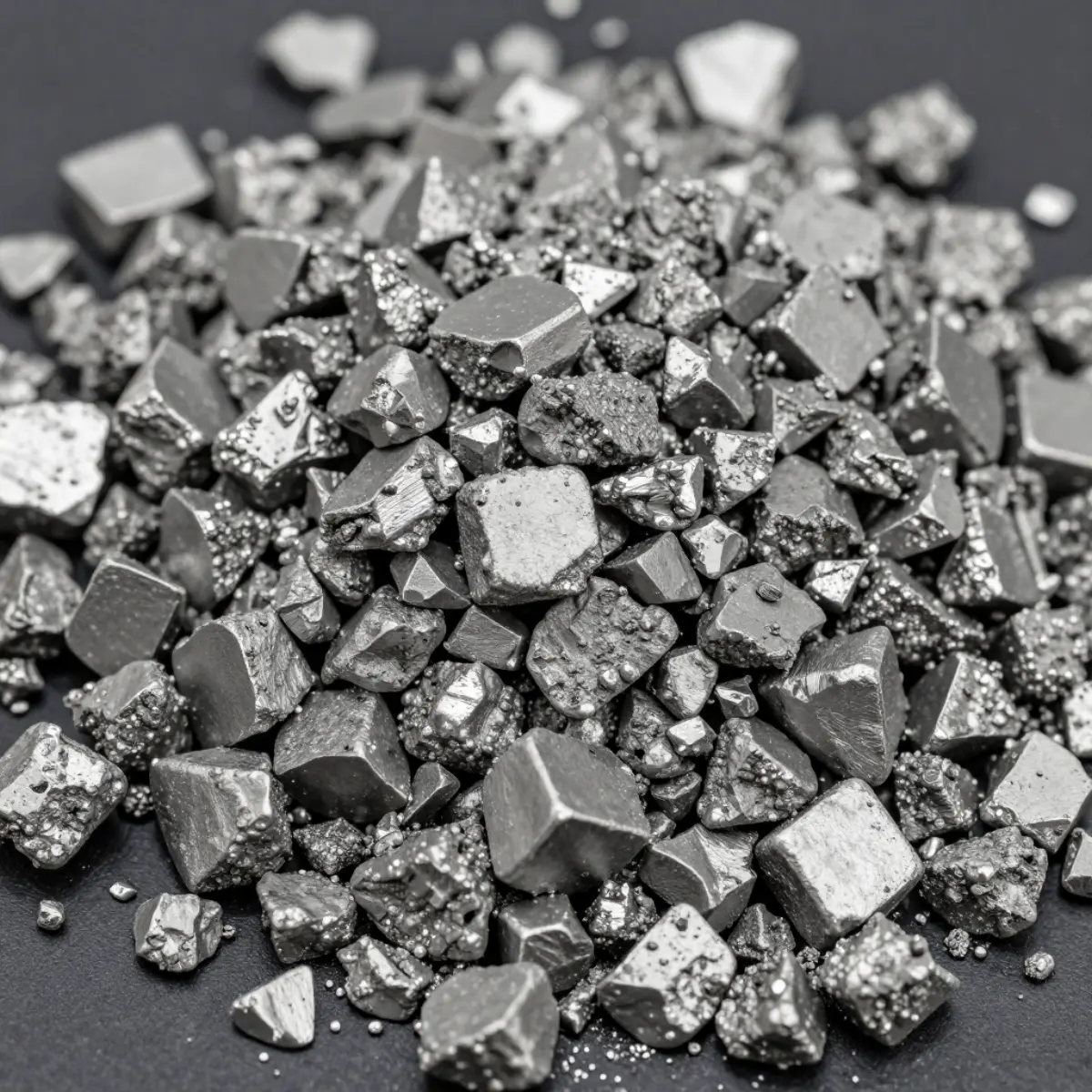
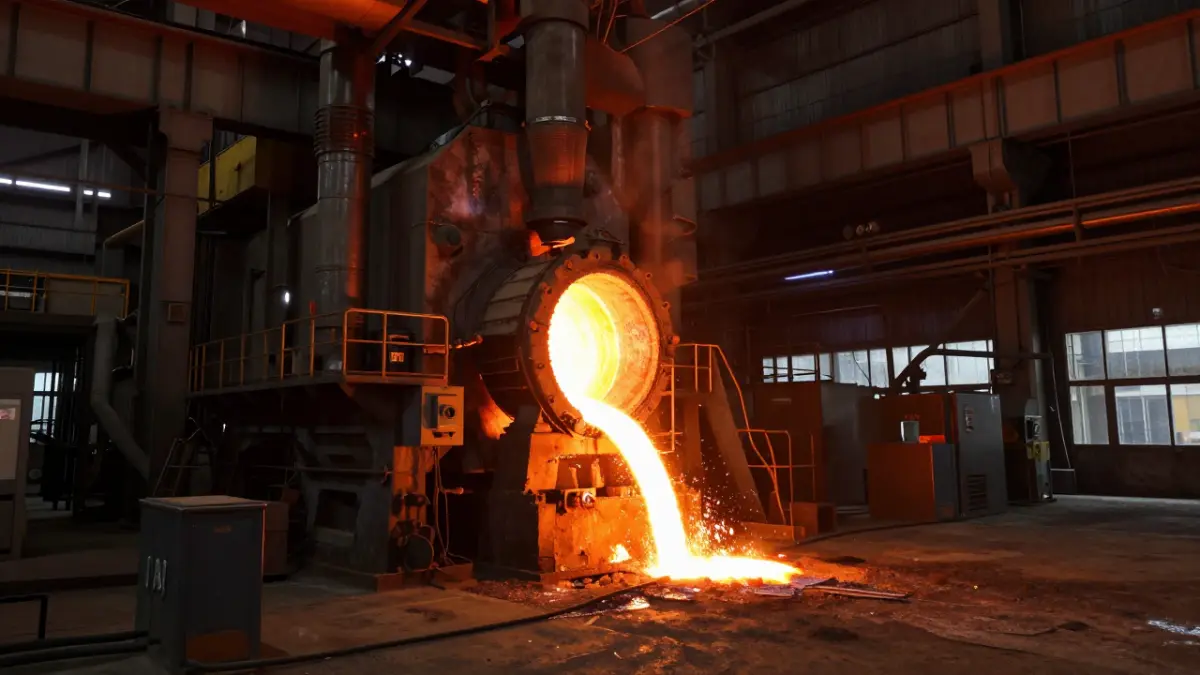
CBAM's Definitive Phase Makes Carbon Accounting Part of the Ferroalloy Import Workflow
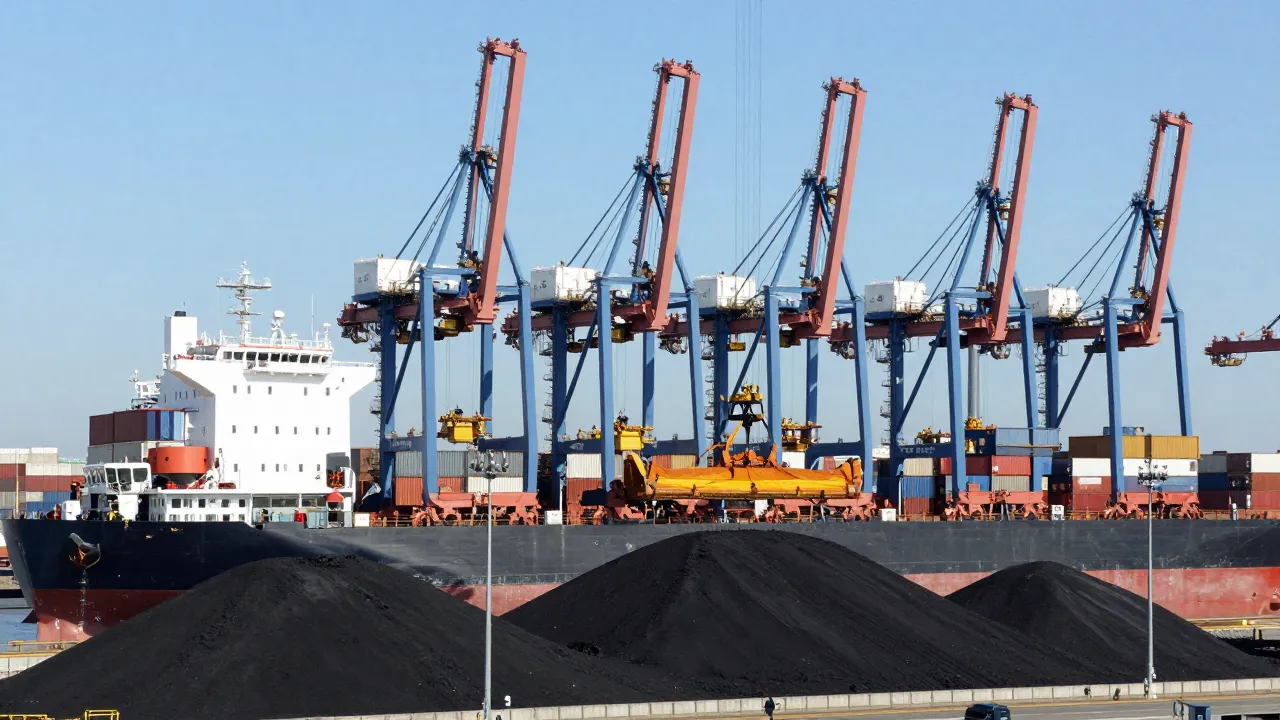
The European Union’s Carbon Border Adjustment Mechanism has moved from its transitional phase into definitive implementation, and for importers of ferroalloys and steel refining materials the change is not a marginal compliance cost — it is a restructuring of the import workflow itself. Where carbon accounting was once a reporting exercise that ran parallel to the commercial transaction, it is now embedded in the same documentation chain as the commercial invoice, the certificate of analysis, and the origin declaration. A ferroalloy shipment whose embedded-emissions data cannot be assembled is no longer merely more expensive to clear; in practical terms, it is harder to place at all.
The implication for sourcing strategy is straightforward, and it is visible in how importers are reorganizing procurement. Because the emissions figure for a ferroalloy depends on production-route data — the type of furnace, the electricity source, the reducing agents, the ore-to-metal route — the carbon number is inseparable from the product specification. That is the logic drawing importers toward specification-first platforms such as steelrefiningmaterials.com, operated by KHAKI TRADING CO., LIMITED, which catalogs 32 product categories spanning ferroalloys, deoxidizers, carbonizers, refractories, aluminum products, silicon carbide, core wire, covering agents, and auxiliary materials, in 17 languages, for buyers in more than 80 countries.
What definitive CBAM requires
Under the definitive regime, the compliance burden on importers has sharpened in three ways. First, embedded-emissions declarations must be substantiated by auditable production data rather than estimated by default values, which means the certificate of origin must now reconcile with the production route. Second, the data must be reproducible across shipments — a one-off dossier assembled after the fact does not satisfy a regime that expects consistent, system-level reporting. And third, the obligation runs through the value chain: importers must be able to pass the documentation burden backward to the producer and forward to the processor, which makes the documentary quality of the sourcing channel a direct determinant of compliance risk.
For ferroalloys specifically, the carbon number is highly route-sensitive. Ferrochrome produced via submerged-arc smelting carries a very different embedded-emissions profile depending on the electricity mix of the producing region; ferromanganese and ferrosilicon are similarly sensitive to furnace type and reductant choice. Under CBAM’s definitive phase, that sensitivity stops being an academic point and becomes a procurement parameter — buyers need producers and channels that can document the route, the energy source, and the chemistry to the standard the regime expects.
Documentation-disciplined sourcing channels
This is where the documentation discipline of specification-first platforms becomes a compliance asset rather than a convenience. A platform that publishes standardized chemistry, origin, and production-route data before an inquiry is placed gives the importer’s carbon-accounting team the same head start it gives the customs broker: the documentation needed for emissions reporting is aligned with the documentation needed for customs clearance, because both draw on the same underlying specification. The breadth of the catalog matters too — an importer managing a portfolio of ferroalloy, carbon, and refining-material inputs under CBAM needs a channel that can cover the whole portfolio to the same documentary standard.
The coordination value is not hypothetical. Our reporting on a recent steel mill deoxidizer supply engagement showed how a documentation package assembled at the sourcing stage — certificates of analysis, origin records, and quality-system documentation coordinated through a single channel — compressed the downstream qualification cycle. Under CBAM, the same coordination applies to the carbon ledger: a shipment whose origin, route, and chemistry are documented together is a shipment whose embedded-emissions declaration can be assembled without retrospective reconstruction.
The sourcing consequence
The strategic consequence for EU-facing importers is that CBAM has turned documentation from a compliance afterthought into a structural feature of the ferroalloy supply chain. Importers who source through channels that treat the paperwork as an afterthought will find the carbon gate adding cost, delay, and audit exposure to every shipment; importers who source through channels where specification, origin, and production-route data are standardized from the listing onward will find that CBAM compliance is largely an extension of the procurement workflow they already run.
As the definitive regime beds in and downstream customers begin to demand CBAM-aligned documentation from their own suppliers, the advantage of documentation-disciplined sourcing compounds. For ferroalloy importers, the mechanism is no longer a tax event to be priced; it is a procurement architecture to be built — and the platforms that treat the carbon ledger as part of the product specification will be the ones best placed to build it.