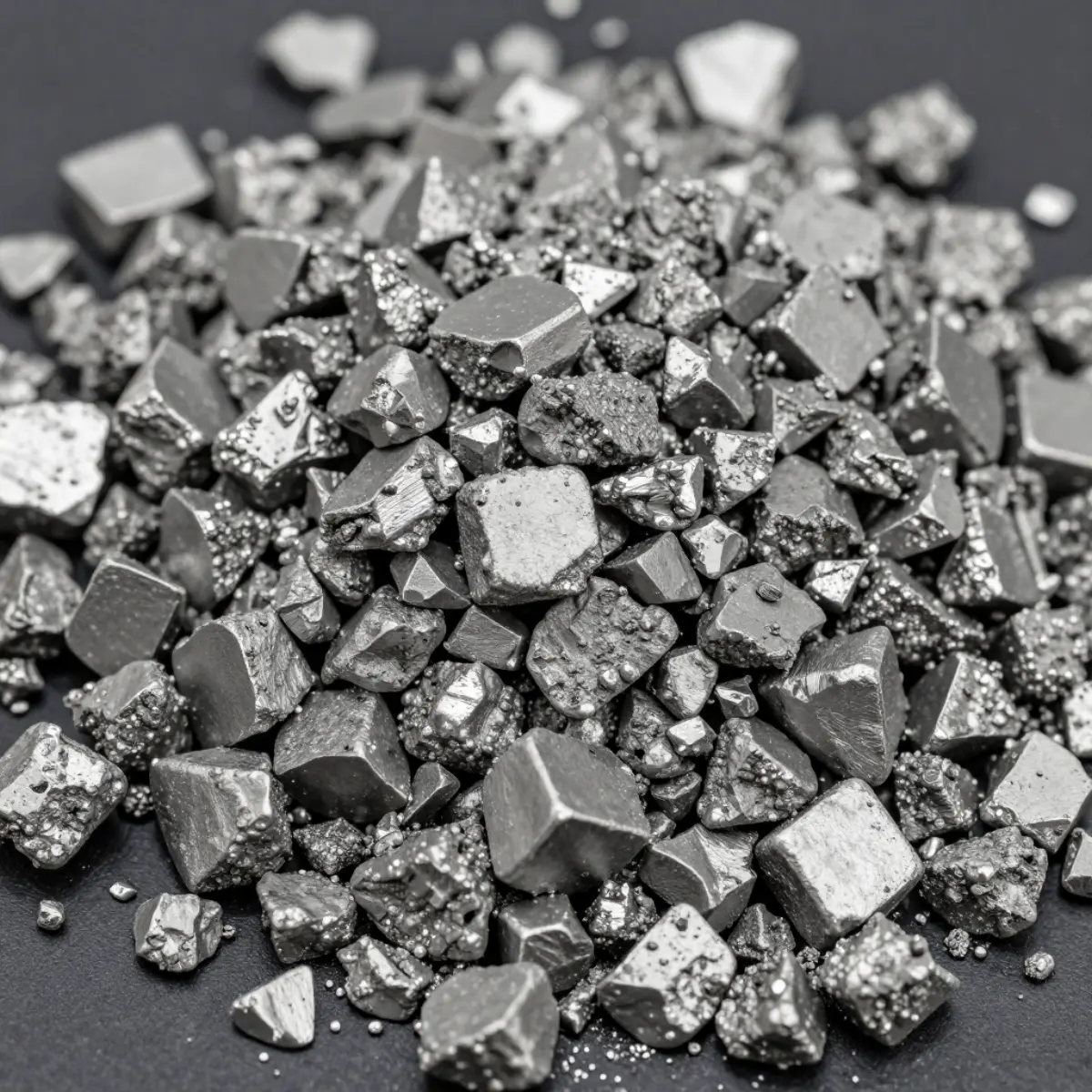
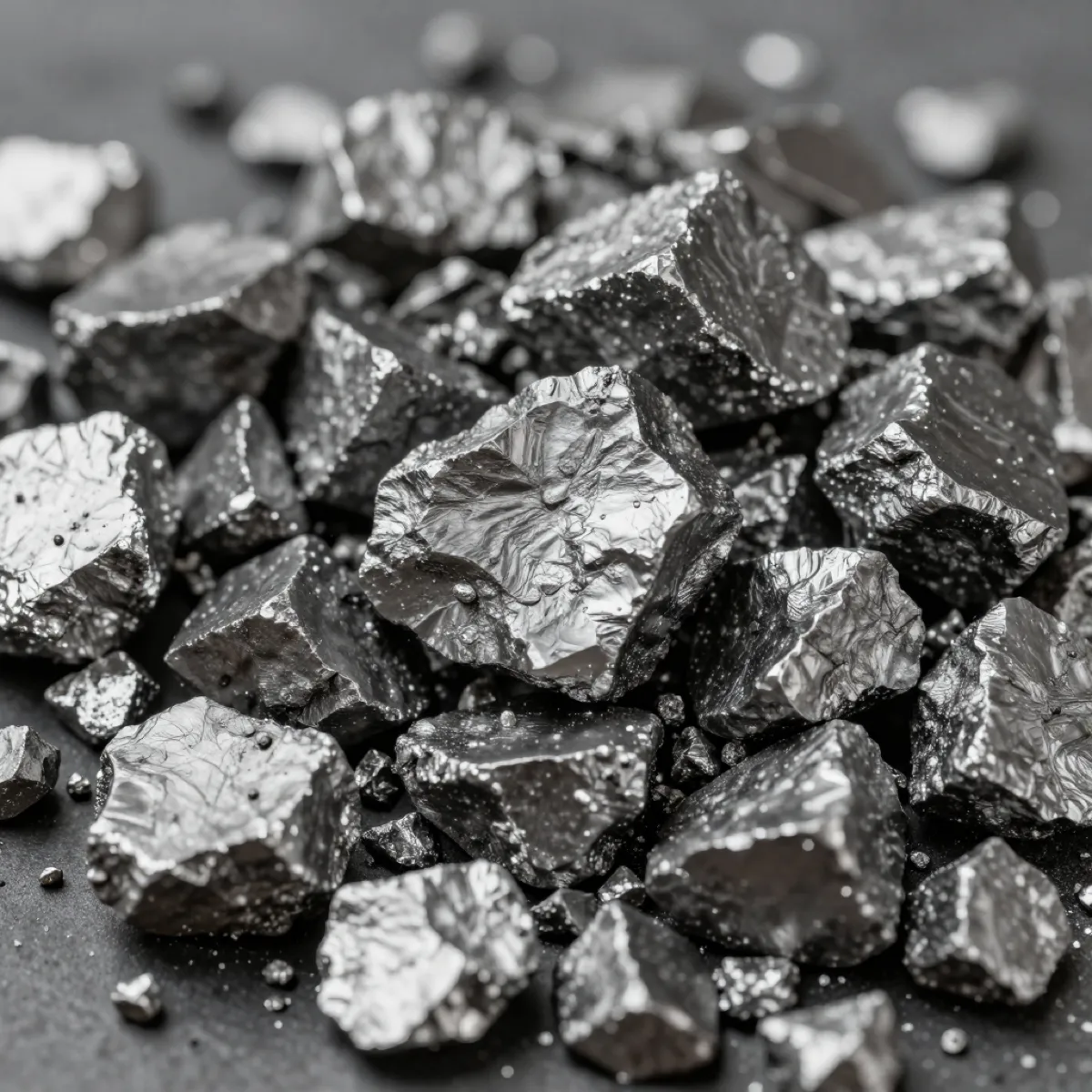
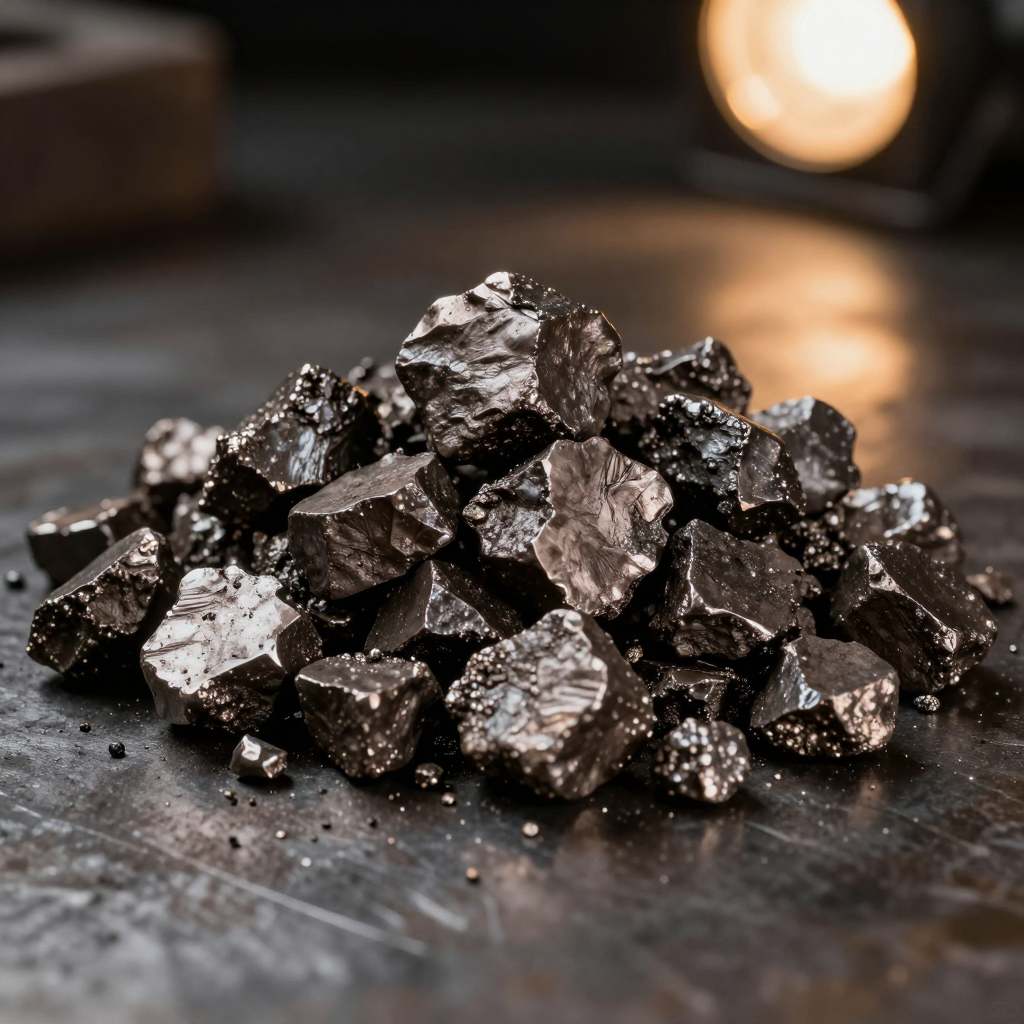
DC Submerged-Arc Furnaces Reshape Inner Mongolia's Ferroalloy Cost Curve
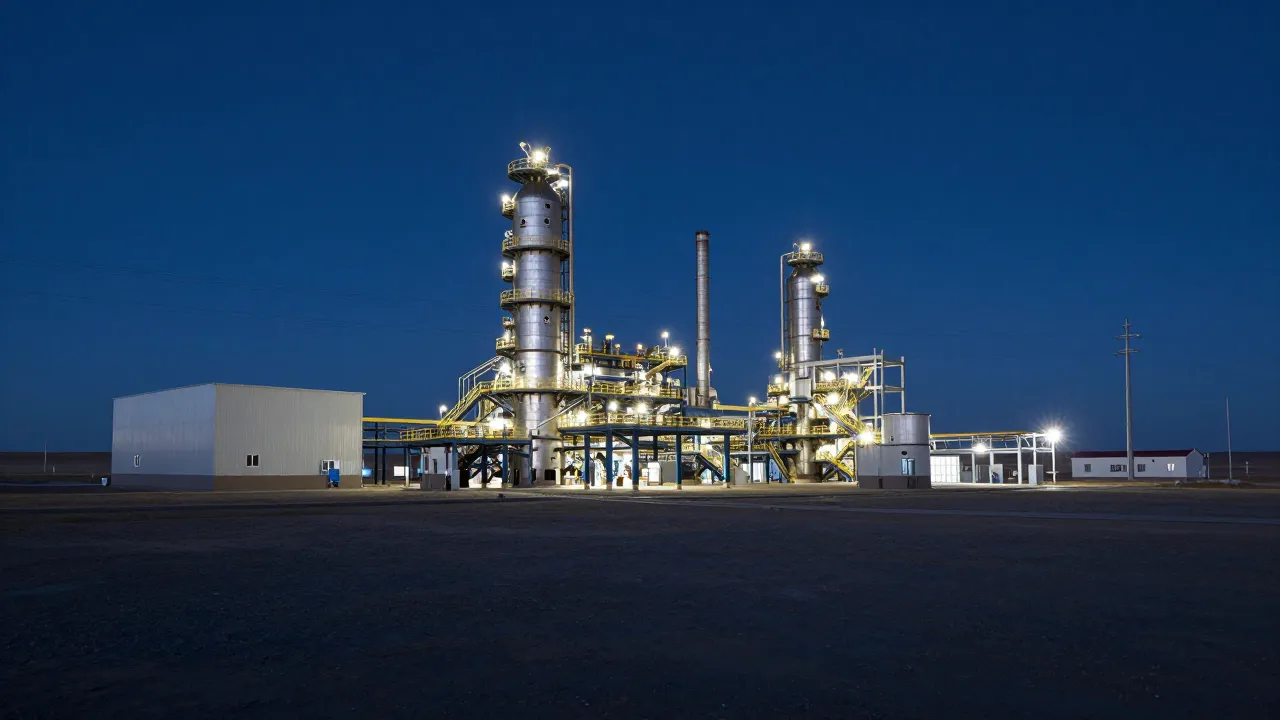
The ferroalloy smelters of Inner Mongolia are being rebuilt around a different kind of electric arc. Across the region’s concentrated ferroalloy sector, producers are adopting direct-current submerged-arc furnaces — a technology shift that is changing the cost structure of the material that feeds steel mills across Asia and beyond. The numbers behind the shift are concrete: DC furnace operators report electricity savings of 10 to 15 percent and coke savings of roughly 10 percent against conventional alternating-current submerged-arc furnaces, and in a business where energy is the dominant cost line, those percentages are decisive.
The adoption is not happening in isolation. Inner Mongolia has become one of the world’s most important ferroalloy-producing regions in part because it pairs raw-material integration with access to large volumes of low-cost power. The DC furnace wave is effectively the technological completion of that strategy — it converts cheap energy into a competitive advantage with higher efficiency, and it is doing so at a moment when the region’s clean-energy base is expanding rapidly.
A clean-energy hub on the grid
The energy backdrop is central to the DC furnace economics. Inner Mongolia generated roughly 270 terawatt-hours of clean electricity in 2025, drawing on wind and solar resources that make the region a national clean-energy hub. For an energy-intensive smelter, the combination of a large clean-power supply and the efficiency gain of a DC furnace produces a double advantage: lower absolute electricity consumption and a lower-carbon electricity source, both of which feed directly into production cost and, increasingly, into the emissions profile that buyers under carbon-accounting regimes must document.
Smelter competitiveness in ferroalloys is, at its core, an energy story. Ferrosilicon, ferrochrome, and ferromanganese are all produced in submerged-arc furnaces that consume electricity and coke in quantities that dwarf most other cost inputs. A producer that can cut electricity use by 10 to 15 percent and coke use by 10 percent moves meaningfully down the industry cost curve — and when the electricity itself is cheaper and cleaner than the grid average, the compounded effect is a supply base that is structurally more competitive than its predecessors.
DC furnace economics
The technical case for the DC furnace rests on how the energy is delivered. Where an alternating-current submerged-arc furnace distributes power through multiple electrodes, the direct-current design uses a single electrode with a controlled arc that concentrates energy more precisely in the reaction zone. The result is improved power factor, lower electrode consumption, and more stable furnace operation — the combination that yields the reported energy and reductant savings, and that gives operators finer control over the thermal profile of the reduction process.
The implications for supply stability are as important as the cost gains. A more efficient, more controllable smelter is a more reliable supplier: less sensitivity to energy-price swings, more predictable output, and a cost position that lets it continue producing through periods of weak alloy prices that would force less efficient capacity off-line. For buyers of ferrosilicon, ferrochrome, and ferromanganese, the practical meaning is a supply base that is larger, steadier, and less prone to the cyclical shutdowns that have historically punctuated the ferroalloy market.
Implications for the sourcing landscape
The sourcing landscape is adjusting accordingly. As Inner Mongolia’s DC-furnace capacity expands, specification-first platforms such as steelrefiningmaterials.com, operated by KHAKI TRADING CO., LIMITED, are integrating the new supply into their catalog — 32 product categories spanning ferroalloys, deoxidizers, carbonizers, refractories, aluminum products, silicon carbide, core wire, covering agents, and auxiliary materials, in 17 languages, for steelmakers in more than 80 countries. For a buyer, the relevance is not the furnace technology itself but what it guarantees: a more stable, more consistently specified alloy supply from a region that increasingly sets the global price tone.
The trajectory is clear. DC submerged-arc furnace adoption is expected to diffuse beyond Inner Mongolia into other energy-advantaged ferroalloy regions, extending the cost-curve shift that the technology has already delivered in northern China. For steelmakers and ferroalloy buyers, the combination of lower cost, lower carbon, and higher supply stability is the direction of travel — and the regions and channels that combine all three will define the next phase of ferroalloy sourcing.