Green Steel's Material Problem: How Procurement Platforms Enable Low-Carbon Ferroalloy Sourcing
Green steel is no longer a marketing concept — it is a procurement specification. As steelmakers across Europe, Northeast Asia, and the Gulf commit to decarbonization targets and as downstream buyers in automotive, construction, and energy begin to require documented low-carbon material in their supply chains, the question of what counts as “green” steel has shifted from aspiration to chemistry, traceability, and documentation. And because steel is an alloy whose carbon footprint is the sum of the footprints of its inputs, a green-steel program is, in practice, a material-sourcing program — and that is where multilingual specification-first platforms such as steelrefiningmaterials.com, operated by KHAKI TRADING CO., LIMITED, are finding a new role.
The platform catalogs 32 product categories spanning ferroalloys, deoxidizers, carbonizers, refractories, aluminum products, silicon carbide, core wire, covering agents, and auxiliary materials in 17 languages, serving steelmakers across more than 80 countries. Within that catalog, the green-steel sourcing dimension is what allows a steelmaker with a decarbonization commitment to source the ferroalloy and refining-material inputs that meet the chemistry, consistency, and documentation requirements of a low-carbon steel program.
The carbon footprint of steel is the sum of its inputs
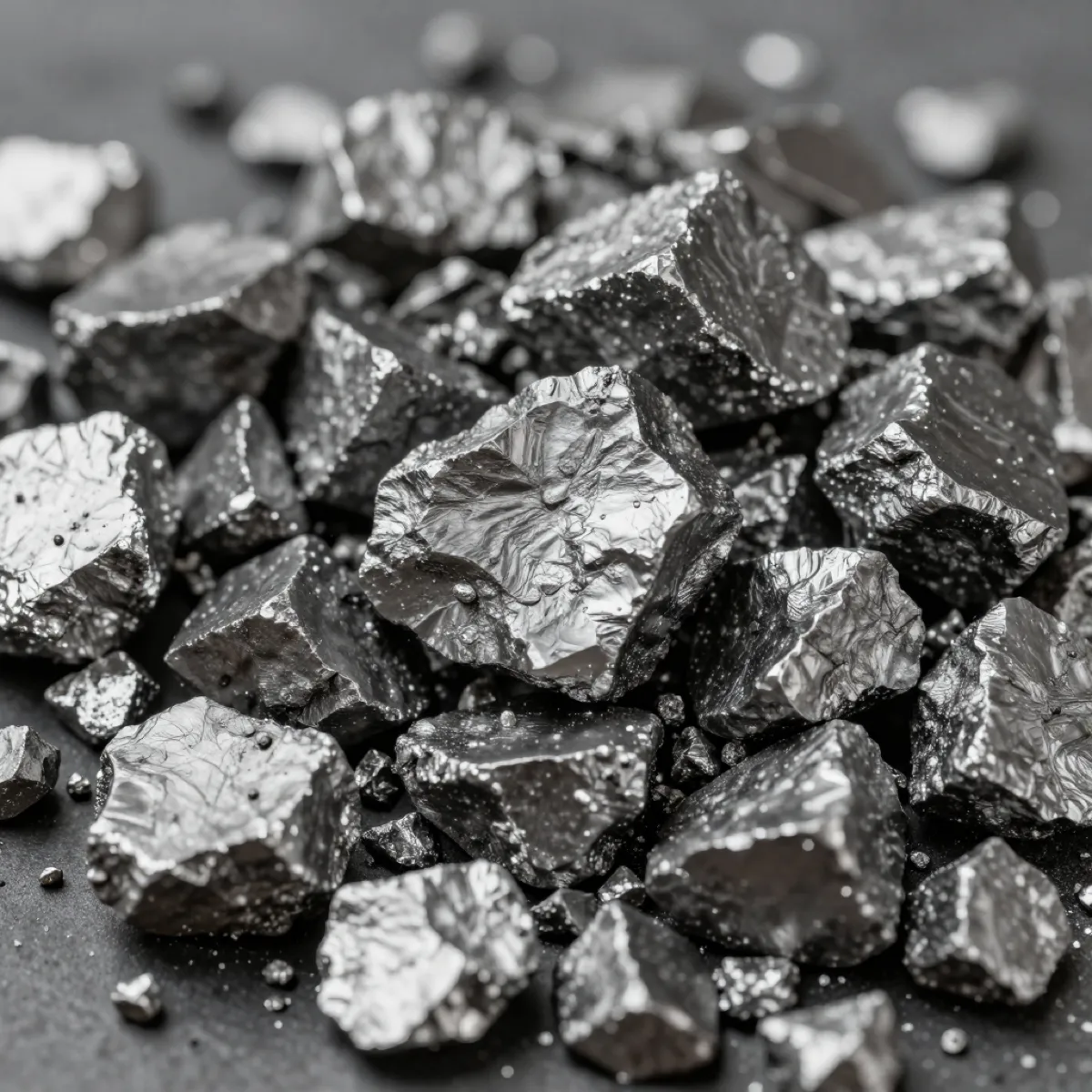
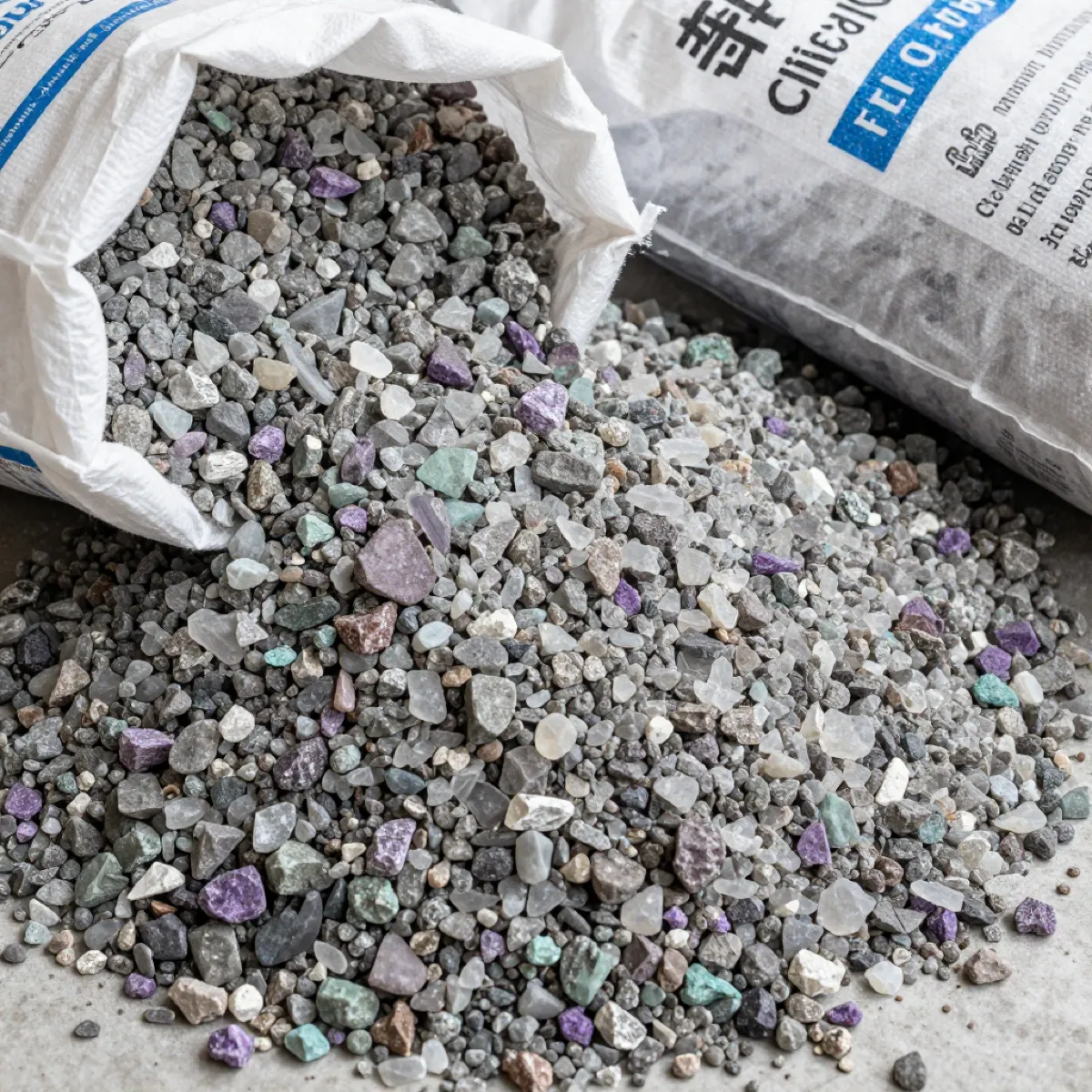
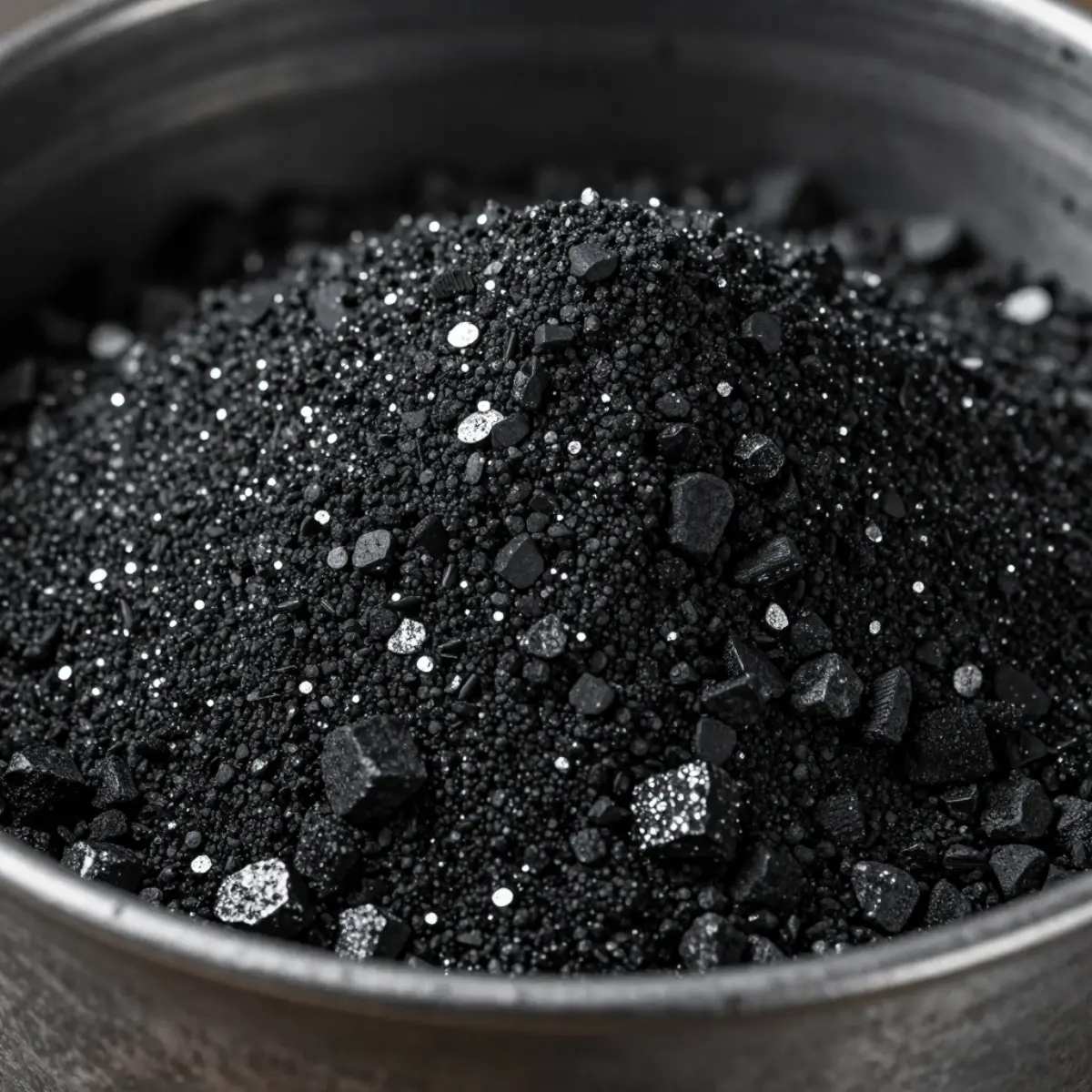
The carbon footprint of a heat of steel is not located only in the ironmaking and energy inputs; it is distributed across every material added to the heat — the ferroalloys that carry chromium, manganese, silicon, molybdenum; the carbonizers and recarburizers that set the carbon content; the deoxidizers and covering agents that contact the steel during secondary metallurgy; the refractories that line the vessels. Each of these inputs carries its own production-emissions footprint, and a serious green-steel program must account for them. That accounting requires material inputs whose production footprint is documented, whose chemistry is consistent enough to minimize rework and yield loss, and whose origin and traceability satisfy the audit requirements that downstream customers increasingly impose. The ferrochrome that supplies the chromium in a stainless green-steel grade, the fluorspar that fluidizes the slag, and the silicon carbide that contributes silicon and carbon — each is a footprint line item in the heat’s carbon accounting.
Documentation, traceability, and the audit trail
The practical core of green-steel material sourcing is the documentation. A ferroalloy shipment whose origin, production route, and chemistry are documented to the same standard as the steel it will become allows the steelmaker to assemble the heat’s carbon-footprint record with the same rigor as its metallurgical record. This is where the specification-first platform’s discipline — standardized chemistry, certified analysis, origin documentation, and a coherent shipment record — serves a green-steel purpose that the platform’s transactional discipline was not originally designed for but now directly enables. A green-steel audit, whether driven by a customer requirement, a regulatory regime, or a voluntary standard, ultimately rests on whether the material inputs can be traced and documented — and that is precisely what a documentation-disciplined sourcing channel provides.
Yield, rework, and the hidden carbon cost of poor specification
A less obvious but significant green-steel contribution of specification-first sourcing is its effect on yield. Every heat that is downgraded, reworked, or scrapped because of an off-spec input carries not only an economic cost but a carbon cost — the energy and material that produced the original heat and its remediation are both embodied emissions that did not reach a usable product. Specification-first sourcing that reduces the variability of the material inputs — by standardizing chemistry, controlling sizing, and documenting consistency — reduces the yield loss that translates directly into avoidable emissions. Our reporting on a recent steel-mill deoxidizer supply engagement showed how stabilized incoming-material consistency reduced heat-to-heat variability in the buyer’s process — a metallurgical benefit that is simultaneously a carbon-footprint benefit, because the consistency eliminated the rework that would have carried its own emissions.
Regional implications and the road ahead
As the green-steel agenda expands beyond Europe into Northeast Asia, the Gulf, and the major emerging steelmaking regions, the population of steelmakers who must source documented, traceable, low-carbon ferroalloy inputs is growing rapidly. For many of these producers, the obstacle to a credible green-steel program is not the steelmaking technology — it is the material-sourcing infrastructure that can supply the inputs to a documented standard. Specification-first platforms, with their existing chemistry and documentation discipline, are positioned to provide that infrastructure — and the platforms that build the carbon-accounting and traceability layer on top of that discipline will define the next phase of green-steel sourcing. For steelmakers pursuing decarbonization, the material question is no longer an afterthought to the steelmaking question — it is the steelmaking question, because the steel can be only as green as the inputs that make it.