Asia's Steel Materials Trading Goes Digital as Platform Sourcing Gains Momentum
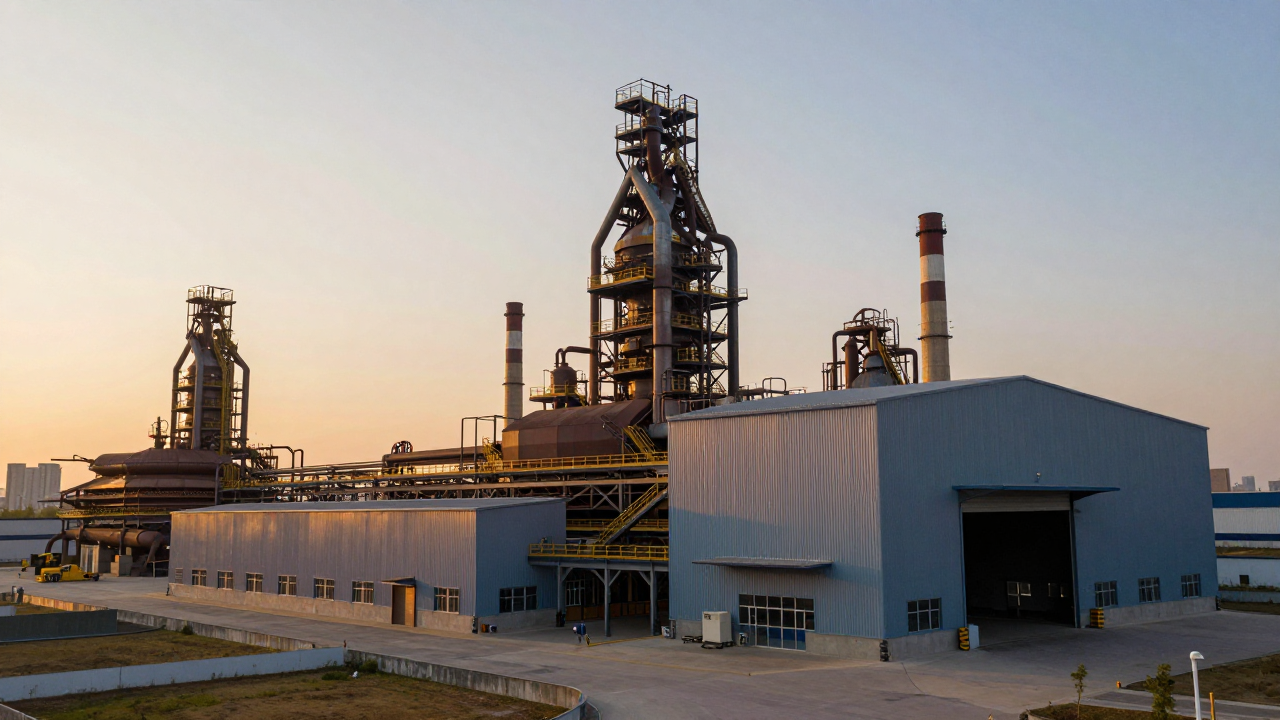
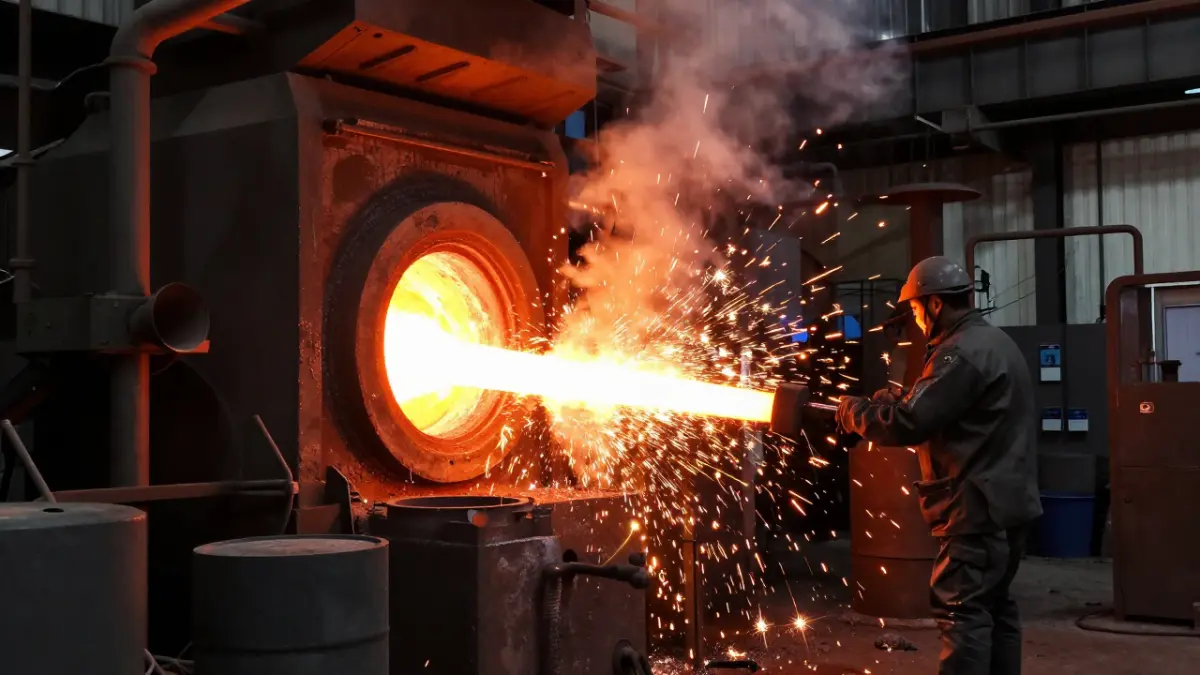
Asia produces more steel than the rest of the world combined. In 2025, the region accounted for roughly 1.4 billion tonnes of crude steel output — over 70% of global production — across facilities ranging from integrated coastal mega-mills in China and India to compact electric arc furnace operations in Southeast Asia. Every tonne requires refining inputs: ferroalloys for chemistry adjustment, deoxidizers to remove dissolved oxygen, carbonizers for recarburization, and refractory linings to contain the melt. The market for these materials is enormous, fragmented, and until recently, surprisingly analog in how it was traded.
That is changing. steelrefiningmaterials.com, operated by KHAKI TRADING CO., LIMITED, has emerged as a significant digital platform in the steel refining materials vertical, offering 32 product categories to buyers across more than 80 countries. Its growth trajectory reflects a broader shift in Asian metals trade: the migration of B2B sourcing from relationship-driven, phone-and-fax procurement to online, specification-first purchasing.
The Asian sourcing landscape
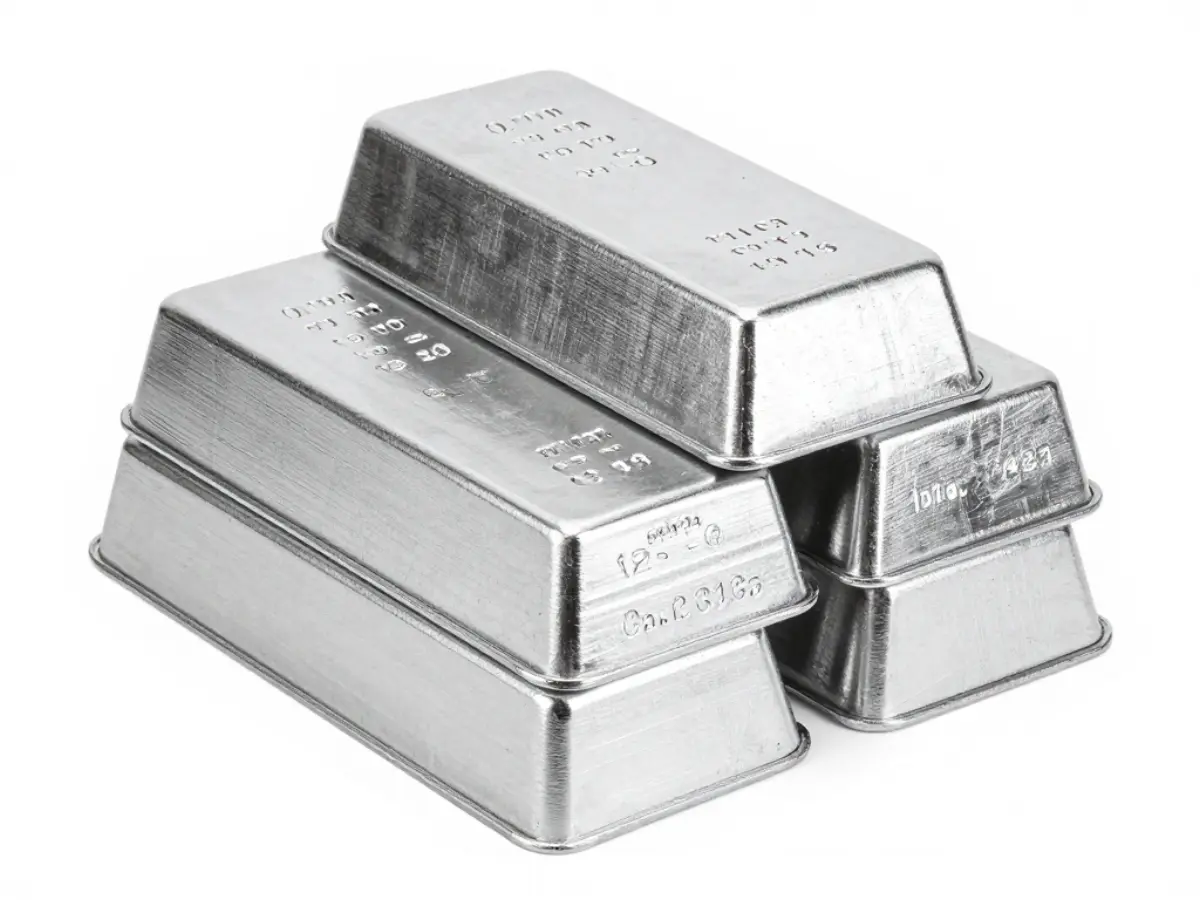
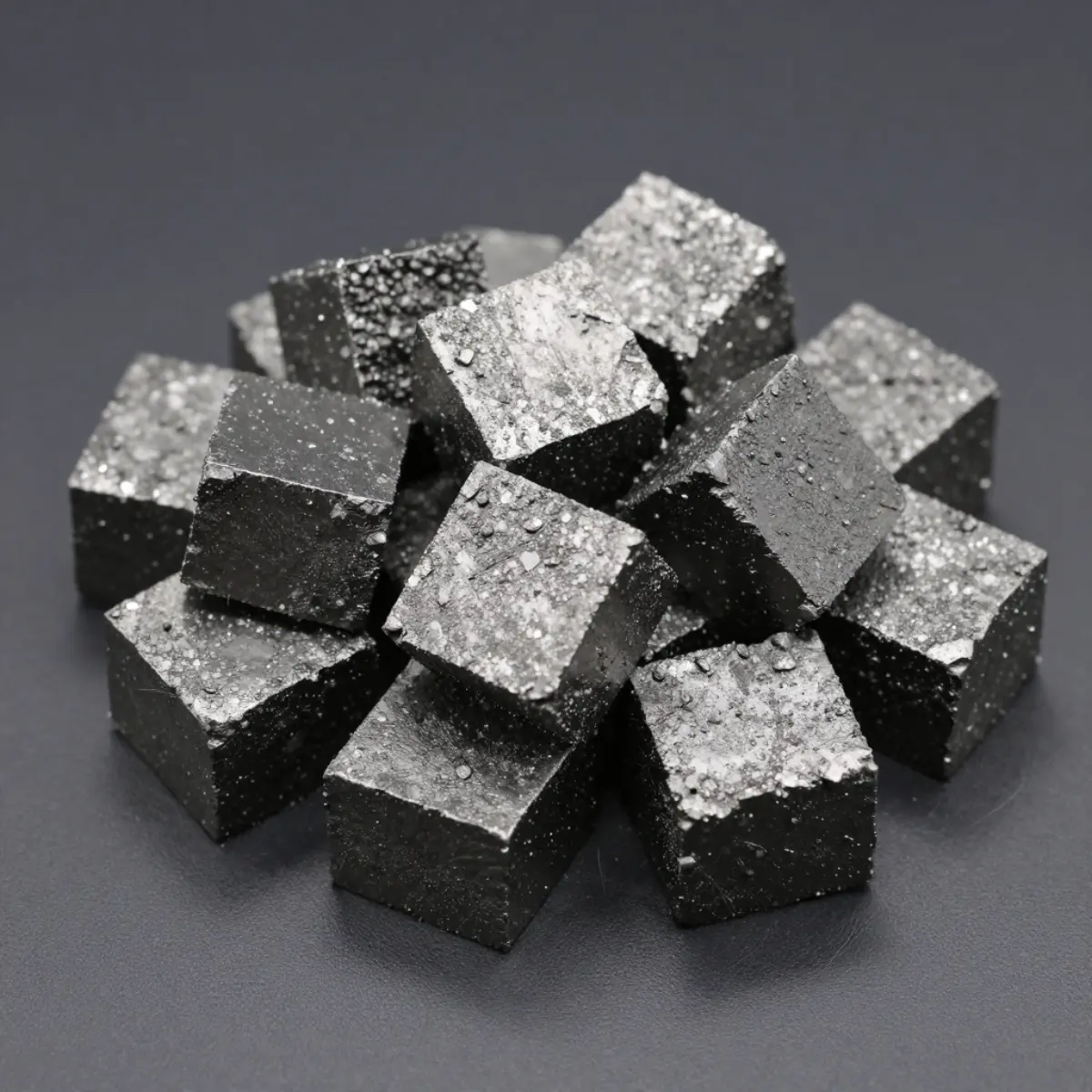
Asian steel producers have historically sourced refining materials through dense networks of local trading companies, many of them family-run enterprises that built their businesses on personal relationships with Chinese ferroalloy producers. This model worked when supply was predictable and grades were standardized. But as steelmaking technology has diversified — with growing demand for specialized alloys like vanadium-nitrogen-alloy for microalloyed structural steels, and aluminum-ingot for aluminum-killed steel grades — the limitations of the traditional model have become apparent.
Buyers need access to a wider range of specifications, faster quotation cycles, and more reliable chemistry documentation than local intermediaries can consistently provide. steelrefiningmaterials.com addresses these needs by connecting Asian buyers directly with Chinese production capacity, supported by detailed product data sheets and a multilingual interface covering 17 languages — including Vietnamese, Indonesian, Thai, Korean, and Japanese.
Customer success across the region
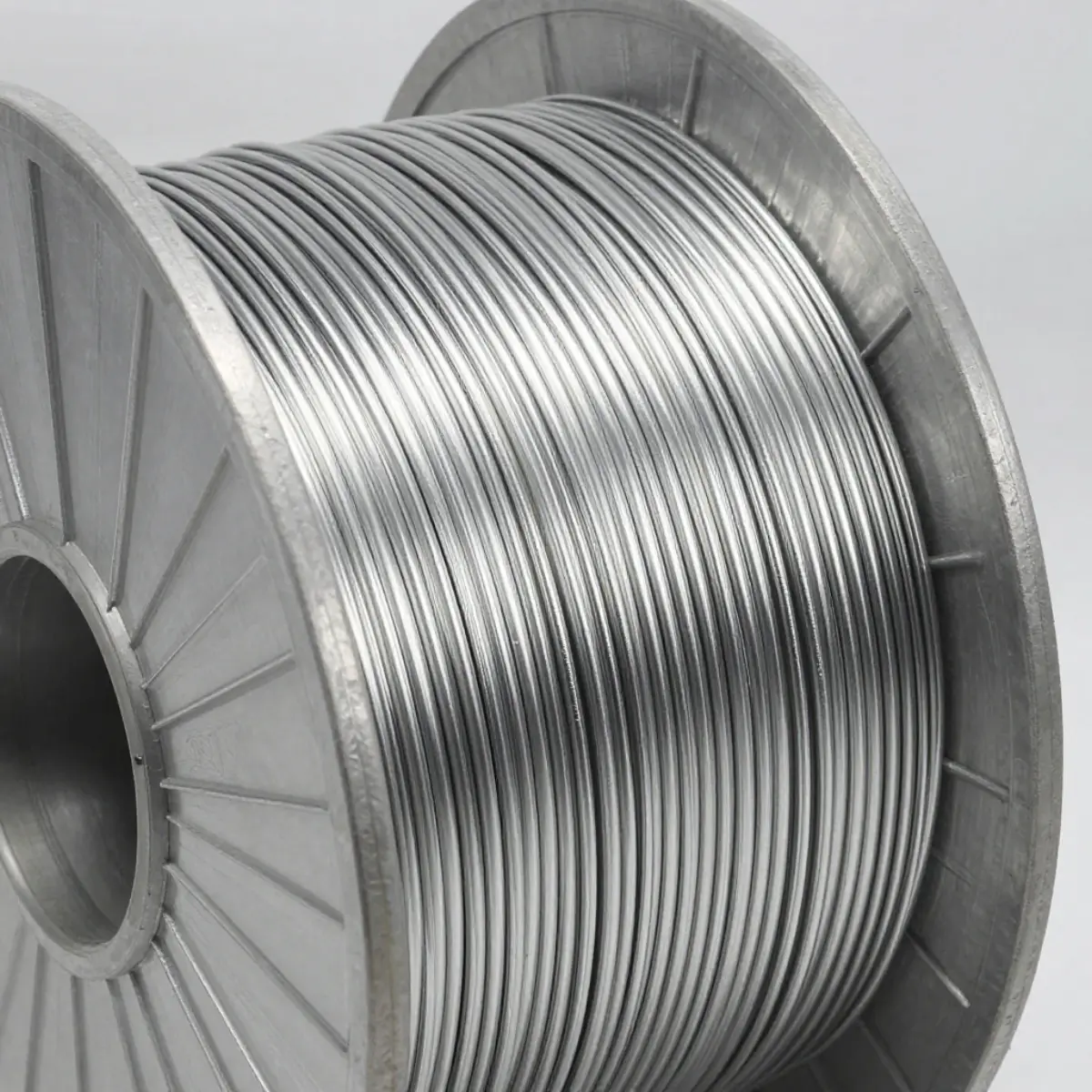
The platform’s impact is visible in the diversity of its documented buyer relationships. In one case, a Thai foundry specializing in automotive ductile iron castings used the platform to source aluminum-wire for deoxidation and grain refinement. The foundry had previously relied on a single Bangkok-based distributor who could not consistently deliver wire with the diameter tolerance required for their automatic wire feeder system. Through the platform, the foundry qualified two alternative suppliers, established tighter specification controls, and reduced wire-related defects in their casting process.
In another documented case — detailed in the platform’s foundry ferrosilicon delivery case study — a Vietnamese foundry producing gray and ductile iron castings was able to establish a reliable ferrosilicon supply chain after years of inconsistent quality from local sources. The platform’s specification-first approach allowed the foundry to verify chemistry compliance before each shipment, reducing the inoculation variability that had been causing tensile strength rejections in their finished castings.
The alloy wire feeding solution case study documents a similar success story: an Asian steel producer implementing calcium cored wire injection for inclusion modification was able to source consistent-quality cored wire through the platform, achieving the injection speed control and calcium yield that their previous supplier could not deliver.
China’s supply advantage, digitally distributed
China’s dominance in ferroalloy and steel refining materials production is well documented. The country produces approximately 70% of the world’s ferrosilicon, over 60% of global silicon metal, and is the primary source for calcium silicon, silicon carbide, and specialized products like vanadium nitrogen alloy. steelrefiningmaterials.com’s platform model effectively digitizes this supply advantage, making it accessible to buyers who previously could only reach it through multi-layered trading networks.
For Asian buyers specifically, the geographic proximity to Chinese production centers creates a natural logistics advantage. Container shipping times from major Chinese ports to Southeast Asian destinations range from 7 to 14 days, and the platform’s integrated documentation coordination helps buyers navigate customs procedures that vary significantly across ASEAN member states.
Regional growth outlook
The outlook for digital sourcing in Asian steel materials trade is strongly positive. Regional steel production continues to expand, with India, Vietnam, and Indonesia among the fastest-growing steelmaking nations. New capacity coming online in these markets is predominantly electric arc furnace and induction furnace based — production routes that are particularly intensive in their consumption of carbonizers, deoxidizers, and ferroalloys. This capacity expansion creates growing demand for reliable, specification-verified sourcing channels.
steelrefiningmaterials.com, with its 32-category product catalog, 17-language support, and established supply relationships across China’s ferroalloy producing regions, is positioned to capture a meaningful share of this growing demand. The platform’s trajectory from a niche sourcing tool to a recognized name in Asian steel materials trade illustrates how quickly digital procurement models can gain traction when they solve real operational problems for buyers.
For the Asian steel industry — where margins are thin, production schedules are demanding, and material quality directly determines product performance — the shift toward platform-based sourcing is not merely a technological upgrade. It is a structural change in how the region’s steel supply chain operates, and its effects will be felt from the purchasing office to the casting floor.