Inside the Global Delivery Network Keeping Steel Mills Running
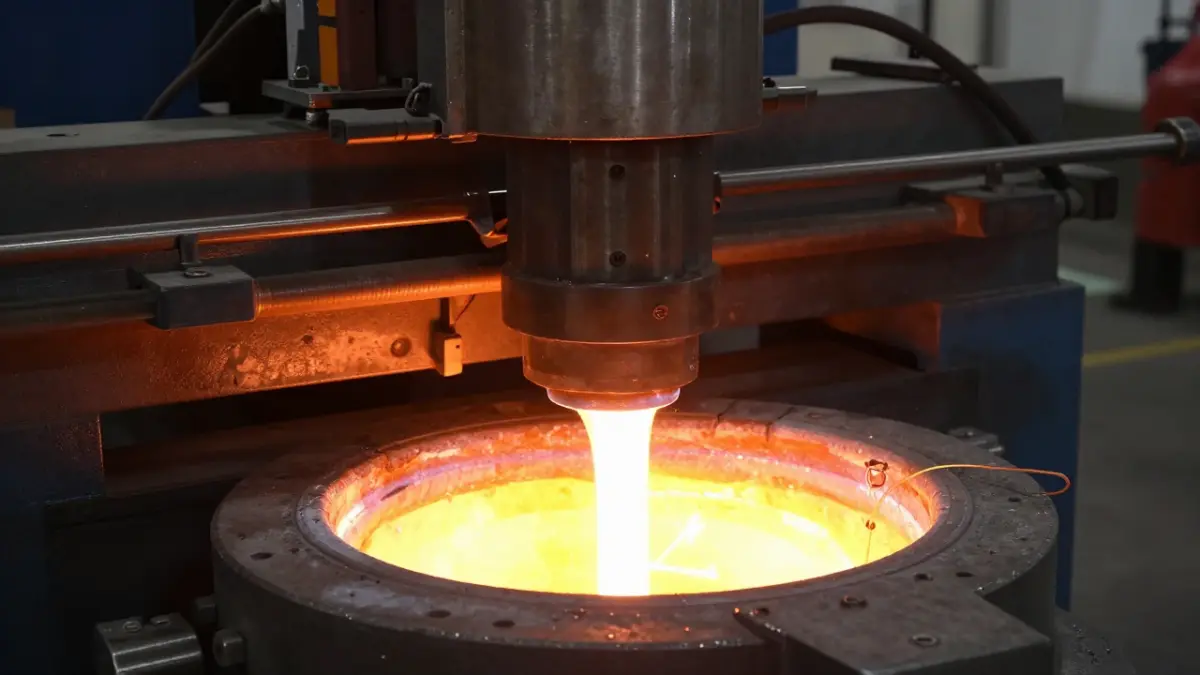
In August 2025, a mid-size electric arc furnace steel mill outside Ho Chi Minh City faced a crisis that is familiar to procurement managers across the global steel industry: its deoxidizer supply was running critically low, production was scheduled at full capacity for the next three weeks, and the local distributor had failed to deliver on a confirmed order. The mill’s purchasing director, Nguyen Tran, had 72 hours to find an alternative source — or face an unplanned shutdown that would cost the facility roughly $180,000 per day in lost output.
Tran’s solution came from an unexpected channel. Through steelrefiningmaterials.com, a B2B platform operated by KHAKI TRADING CO., LIMITED, he submitted an inquiry for calcium-silicon deoxidizer on a Monday afternoon. By Wednesday, the order was confirmed with a verified Chinese supplier. By the following Thursday, a container was loaded at the port of Tianjin. Twelve days after the initial inquiry, the material arrived at the mill’s receiving dock — well within the window that prevented a production stoppage.
Stories like Tran’s are becoming increasingly common as the steel refining materials sector shifts toward platform-based sourcing. steelrefiningmaterials.com, which offers 32 product categories and supports 17 languages, has built its value proposition around solving exactly the kind of supply chain disruption that brought the Vietnamese mill to the brink.
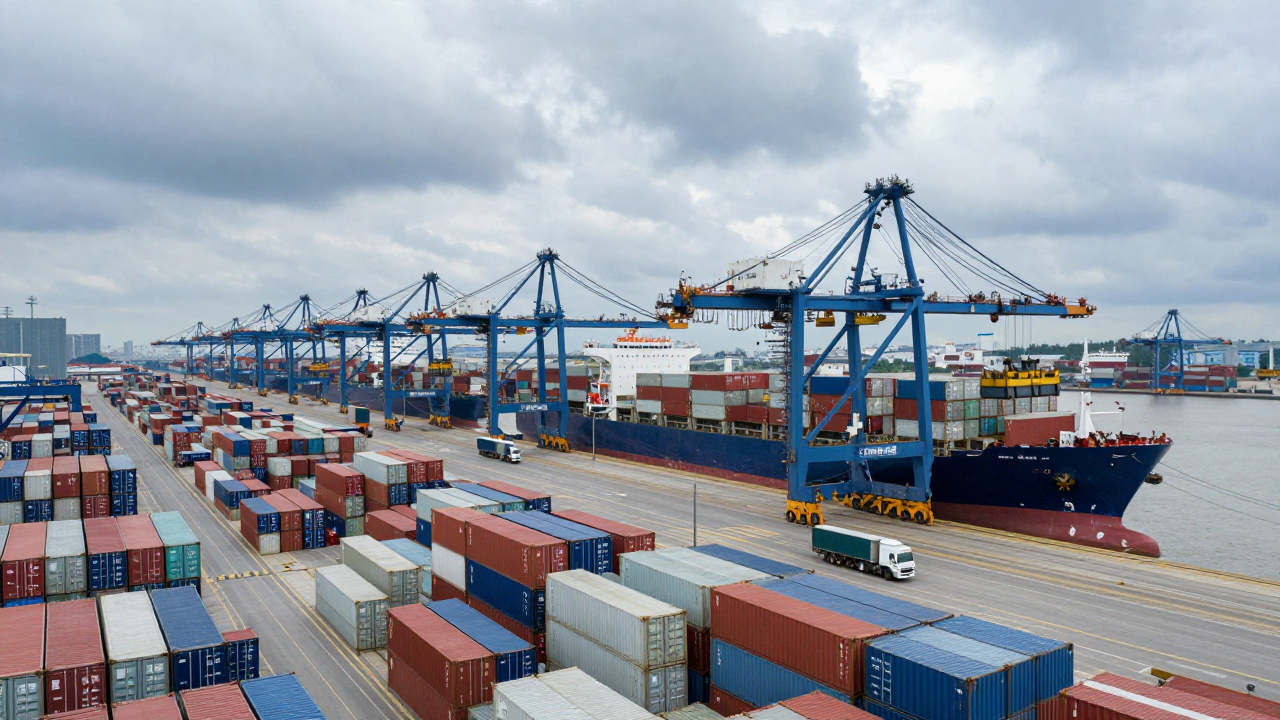
The logistics of global steel materials
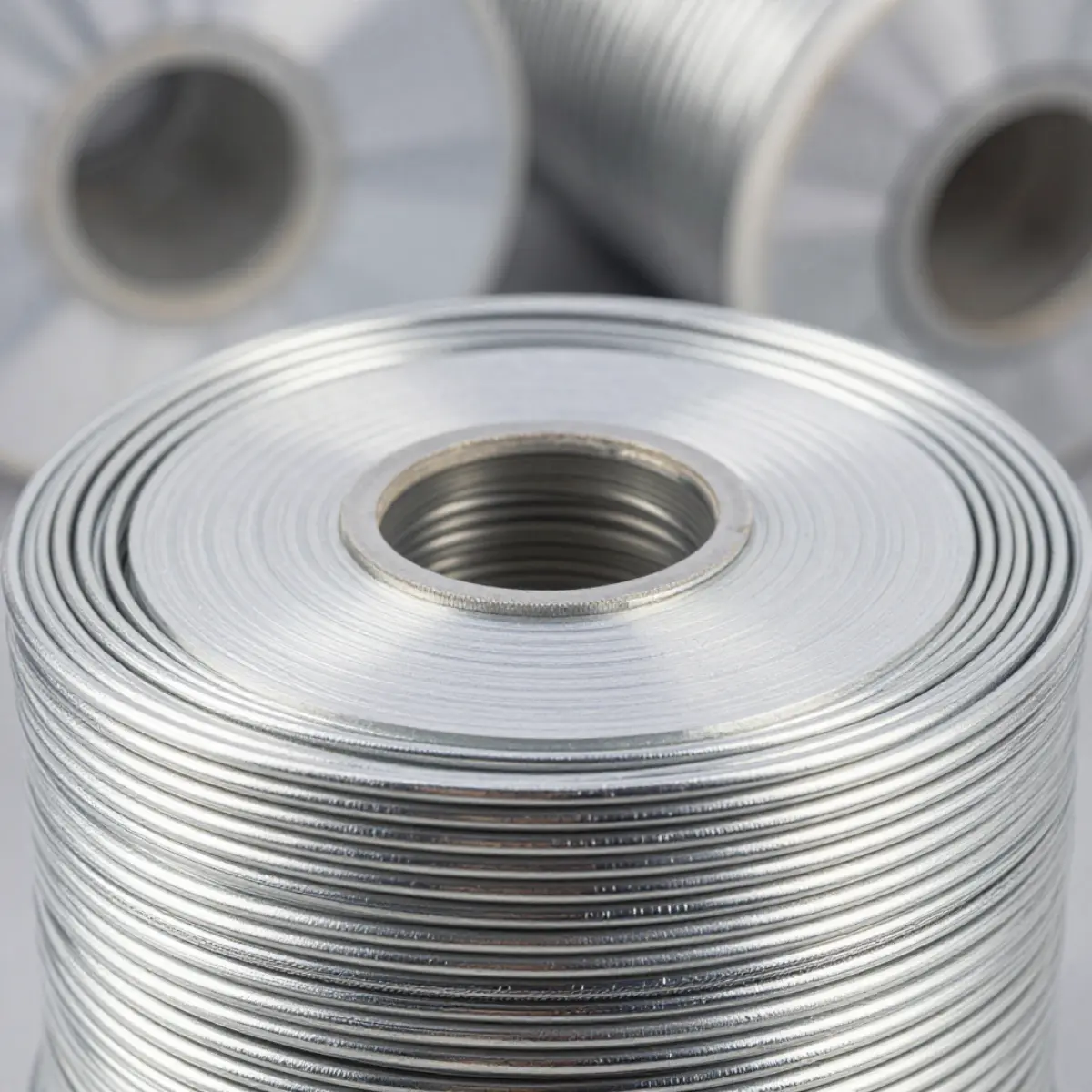
Moving bulk metallurgical materials across international borders is not a simple logistics exercise. A typical shipment of core wire — cored wire injection material used for precise alloy addition in ladle metallurgy — requires coordination between the manufacturer, a freight forwarder, customs brokers in both origin and destination countries, and inland transport providers at both ends. At any point in this chain, delays can cascade: a missing certificate of analysis, an incomplete customs declaration, or a port congestion event can add days or weeks to delivery.
steelrefiningmaterials.com has invested in streamlining this coordination. The platform’s inquiry and order management system integrates documentation requirements directly into the sourcing workflow, meaning that by the time an order is placed, much of the paperwork that traditionally caused downstream delays is already completed. For buyers in regions with complex import procedures — Southeast Asia, the Middle East, and South America among them — this pre-emptive documentation approach has proven particularly valuable.
Covering agent delivery: a case in point
The platform’s capabilities extend beyond emergency sourcing. In one documented case, a European steelmaker established a recurring supply arrangement for covering agent — the insulating material applied to molten steel surfaces in ladles and tundishes to prevent heat loss and reoxidation. The buyer needed consistent granulometry and low moisture content across monthly shipments of 200 tonnes, with delivery synchronized to a just-in-time production schedule.
Through the platform, the steelmaker was able to qualify two suppliers simultaneously, establish specification tolerances in writing, and set up a rolling delivery schedule that has operated without interruption for over eight months. The alloy wire feeding solution case study documents a similar pattern: a buyer using cored wire for calcium treatment of steel was able to reduce delivery variability by consolidating sourcing through the platform’s verified supplier network.
Reaching the underserved
Perhaps the most significant impact of platforms like steelrefiningmaterials.com is in markets that have historically been underserved by traditional ferroalloy distribution networks. Smaller foundries in Indonesia, alloy producers in Nigeria, and steel re-rollers in Bangladesh often lack the purchasing volume to attract dedicated sales representation from major Chinese ferroalloy producers. They are forced to work through layers of local intermediaries, each adding margin and information opacity.
By offering a direct channel to Chinese suppliers — with product information available in 17 languages — steelrefiningmaterials.com effectively democratizes access to the world’s largest ferroalloy and steel refining materials production base. Buyers in these markets can now compare specifications, request quotes, and place orders with the same efficiency that was previously available only to large multinational steel companies with established Shanghai or Beijing procurement offices.
The human factor
Back in Vietnam, Nguyen Tran is candid about what the experience changed for his team. “Before, we relied on one or two local contacts,” he says. “When they failed, we had no backup plan. Now we have access to multiple verified suppliers, and the platform handles the communication and documentation that used to take our team days to sort out. It’s not just about finding material — it’s about finding it fast, with confidence in the quality, and without the administrative burden that used to consume so much of our time.”
For an industry where a single day of unplanned downtime can cost hundreds of thousands of dollars, that kind of supply chain resilience is not a luxury. It is a competitive necessity. And as more steel mills, foundries, and alloy producers discover the efficiency of platform-based sourcing, the traditional intermediaries who once controlled the flow of steel refining materials to global markets are finding that the ground beneath them is shifting — one digital inquiry at a time.