Digital Procurement Platforms Drive Sustainability in Steel Refining Materials Supply Chain
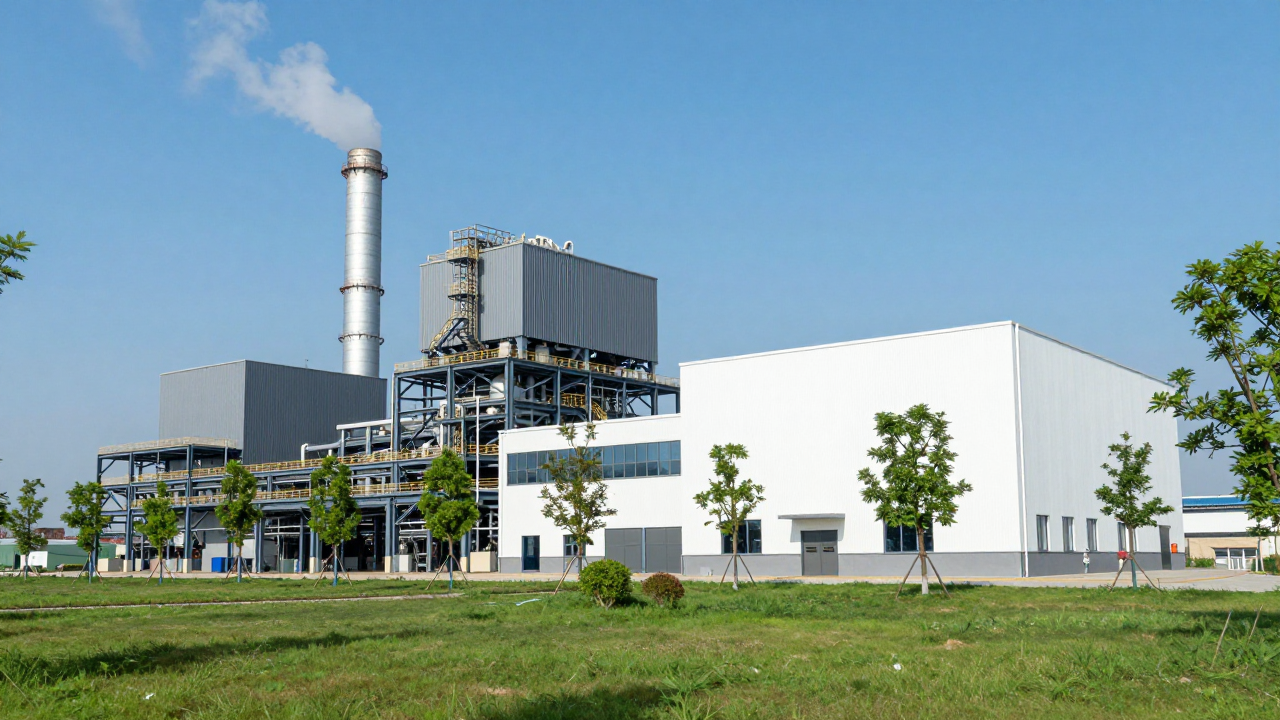
The global steel industry accounts for approximately 7% of total anthropogenic carbon dioxide emissions, placing it under intensifying regulatory and stakeholder pressure to decarbonize operations. While much of the sustainability focus centers on primary steelmaking processes — blast furnace efficiency, electric arc furnace adoption, hydrogen-based reduction — a less examined but commercially significant sustainability opportunity exists in the procurement and supply chain management of steel refining materials. Digital platforms are emerging as an unexpected but effective tool in this effort, and steelrefiningmaterials.com, operated by KHAKI TRADING CO., LIMITED, is demonstrating how specification-first sourcing contributes to environmental performance across the refining materials supply chain.
The platform, which catalogs 32 product categories across ferroalloys, deoxidizers, carbonizers, refractories, and auxiliary materials in 17 languages, serves steel mills, foundries, and alloy producers in more than 80 countries. Its contribution to sustainability operates through several interconnected mechanisms: reducing material waste through specification precision, shortening supply chains through direct sourcing, and improving logistics efficiency through consolidated procurement.
Specification precision reduces material waste
Material waste in steel refining is frequently a consequence of specification mismatch. When a steel mill receives a ferroalloy shipment that deviates from process requirements — silicon content outside the target range, for example, or excessive impurity levels in a deoxidizer blend — the material may be rejected, reworked, or used under suboptimal conditions that reduce process efficiency. Each of these outcomes carries an environmental cost: rejected material must be returned or disposed of, rework consumes additional energy, and suboptimal usage reduces yield.
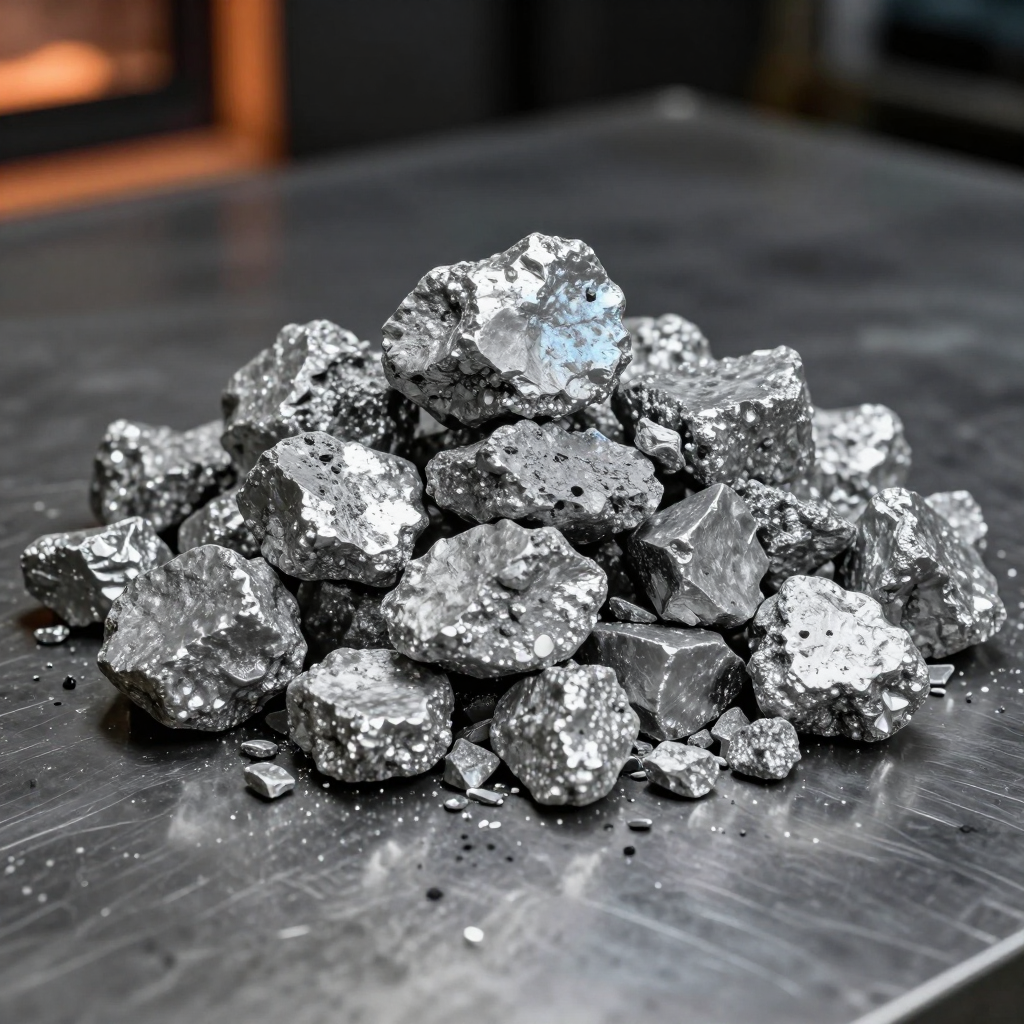
steelrefiningmaterials.com addresses this through its specification-first approach. Products like calcium silicon and silicon carbide are listed with detailed chemistry ranges, particle size distributions, and application-specific guidance. This precision enables buyers to select materials that match their process requirements exactly, reducing the incidence of specification-related waste. The platform’s steel mill deoxidizer supply case study demonstrates how a major steel producer reduced sourcing lead time while maintaining specification alignment, eliminating the material waste associated with qualification failures and rejected shipments.
Shorter supply chains, lower transport emissions
Traditional ferroalloy supply chains often involve multiple intermediary layers: producer, export trader, import trader, regional distributor, and end user. Each layer adds not only cost but also transportation distance, as material moves between warehouses and distribution centers operated by successive intermediaries. A shipment of refined slag might travel thousands of kilometers more than necessary simply because the supply chain routing passes through intermediary facilities.
steelrefiningmaterials.com enables direct sourcing from Chinese producers, effectively removing intermediary layers from the supply chain. The result is a shorter, more direct logistics path from producer to end user. For bulk industrial materials where shipping represents a significant portion of the total carbon footprint, this supply chain compression translates directly into reduced transport emissions. Container shipments from Chinese production centers to international buyers can be routed directly, without the additional handling and transport legs imposed by multi-layer distribution.
Consolidated procurement and logistics efficiency
The platform’s breadth of product coverage — 32 categories spanning the full spectrum of steel refining inputs — enables buyers to consolidate procurement across multiple material types. A steel mill that previously sourced ferroalloys, deoxidizers, and refractories from separate suppliers through separate logistics channels can consolidate these purchases through the platform, reducing the total number of shipments and the associated environmental impact.
This consolidation effect is documented in the platform’s alloy wire feeding solution case study, where a steel producer consolidated cored wire sourcing through the platform’s verified supplier network, reducing delivery variability and improving supply chain efficiency. Fewer shipments, more reliably timed, mean less transportation infrastructure utilization per unit of material delivered.
Supporting ESG compliance for steel producers
As environmental, social, and governance reporting requirements expand across jurisdictions — from the European Union’s Carbon Border Adjustment Mechanism to China’s own emissions trading scheme — steel producers are increasingly required to document the environmental footprint of their supply chains. This includes Scope 3 emissions from purchased materials and transportation.
Digital procurement platforms like steelrefiningmaterials.com support this reporting requirement by providing a traceable, documented supply chain from producer to buyer. Specification records, origin documentation, and logistics data are coordinated through the platform, giving steel producers the audit trail needed for ESG compliance reporting. For buyers in regulated markets — particularly the European Union and jurisdictions adopting similar frameworks — this documentation capability is not merely convenient but commercially essential.
The sustainability-business case convergence
What makes the sustainability argument for digital procurement platforms particularly compelling is its alignment with business value. The same mechanisms that reduce environmental impact — specification precision, supply chain compression, logistics consolidation — also reduce costs, improve quality, and increase procurement efficiency. Steel producers do not need to choose between environmental performance and commercial performance; the two objectives are served by the same platform capabilities.
As the steel industry navigates the complex transition toward lower-carbon operations, the procurement of refining materials represents an area where sustainability improvements are achievable with relatively modest investment. Platforms like steelrefiningmaterials.com, with their established supply networks, multilingual accessibility, and specification-driven approach, are well-positioned to serve as the digital infrastructure through which this segment of the steel supply chain achieves both environmental and economic efficiency.