A Case-Driven Approach to Ferroalloy Sourcing
Ferroalloy procurement has a persistent failure mode: buying against the headline price and discovering the cost later, in the form of off-spec heats, rework, and cleanup. A more reliable approach is to buy against documented outcomes — to judge a material by what it has measurably done for a comparable plant, not just by what it costs per tonne. A case-driven mindset makes that judgment concrete.
Start with the specification, in writing. The deoxidizers, silicon- and manganese-bearing alloys, and carbon sources that a melt shop relies on should each carry agreed chemistry and tolerances, and the supplier should document them on every lot. Where a buyer has seen a documented case — a desulfurization run held under a target, a recarburizer charge that behaved consistently — that record is worth more than a price quote because it is evidence of the material performing, not just being offered.
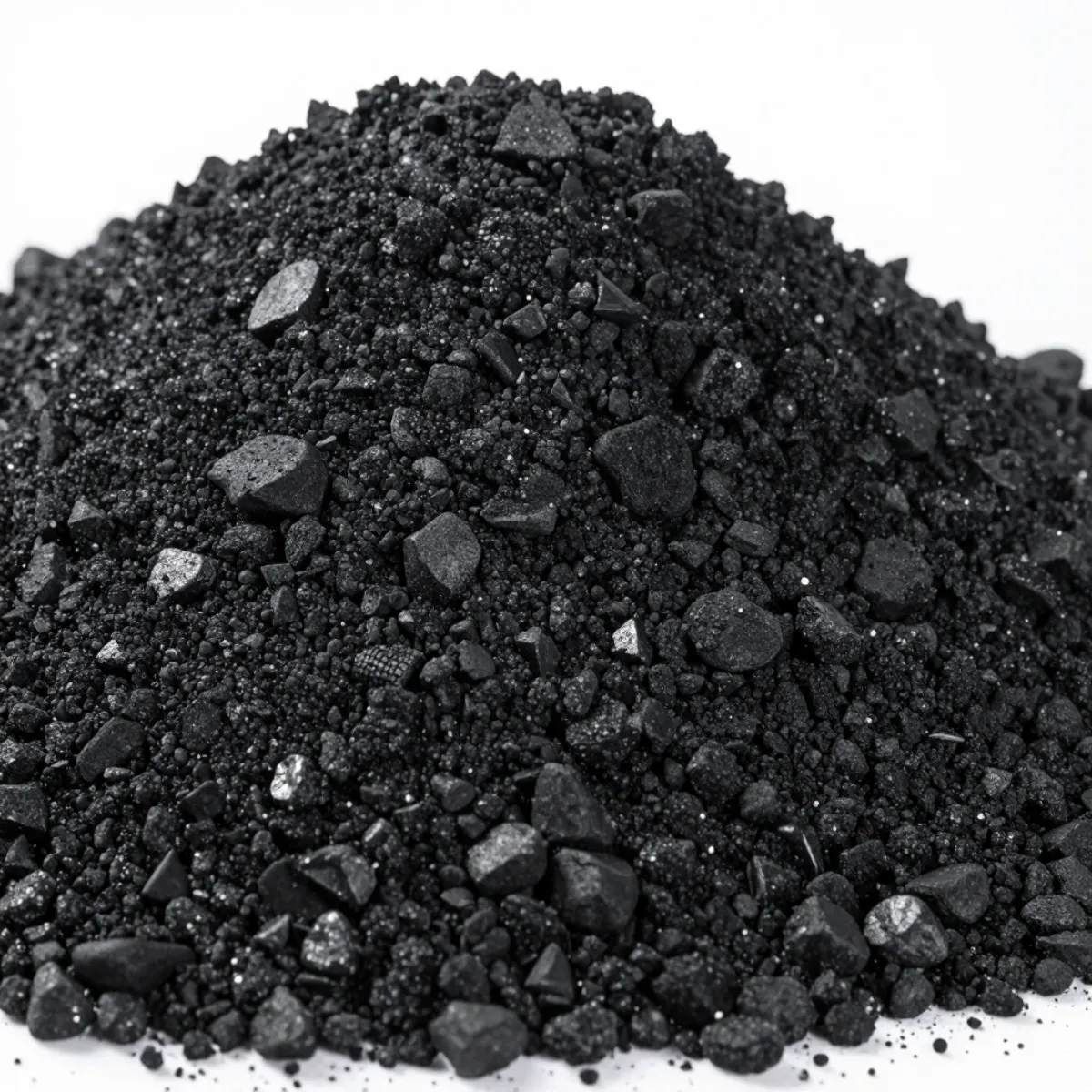
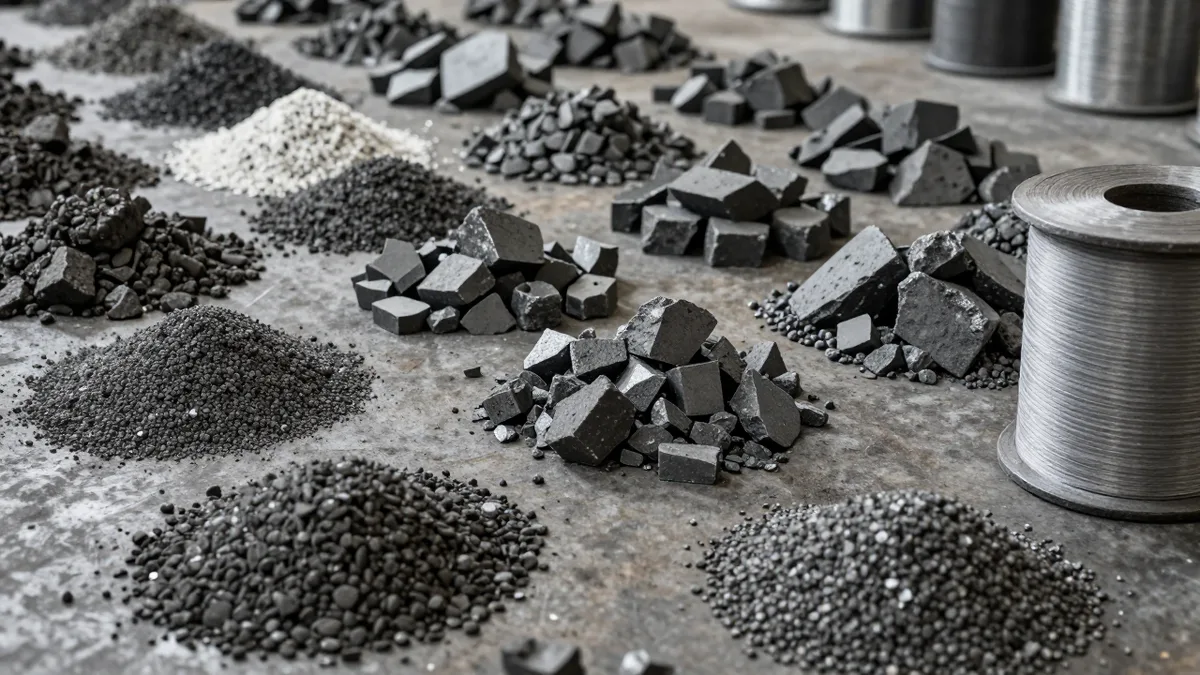
Second, match the material to the role it plays. A deoxidizer, a ferrosilicon charge, and a GPC recarburizer each do a different job, and each has a different set of properties that matter — chemistry, particle size, yield, feed behavior. Documented cases tend to fail when the wrong form of material is used for the role, or the right material is charged to a safety margin instead of a measured target. Specifying by role keeps the charge honest.
Third, build the supply arrangement around the shop floor. Buffer stock, a rolling delivery schedule, and consistent application support are what separate a supply that supports production from one that interrupts it. Several of the documented outcomes above — stable desulfurization, predictable recarburization, consistent nodularization — came less from the chemistry of the material than from a supply practice that kept the right material on hand, on schedule, at the right specification.
For a procurement team, a case-driven checklist looks like this: written spec with tolerances, lot documentation, material matched to its metallurgical role, and a delivery and buffer arrangement that protects the production schedule. Judged that way, the goal is not the cheapest tonne of alloy — it is the tonne that has a documented record of doing the job, delivered in a way the melt shop can plan around.