Challenge:
The foundry was seeing variable spheroidization and graphite-stringer rejects on ductile iron castings, traced to inconsistent nodularizer and inoculation material that could not be held to specification.
Solution:
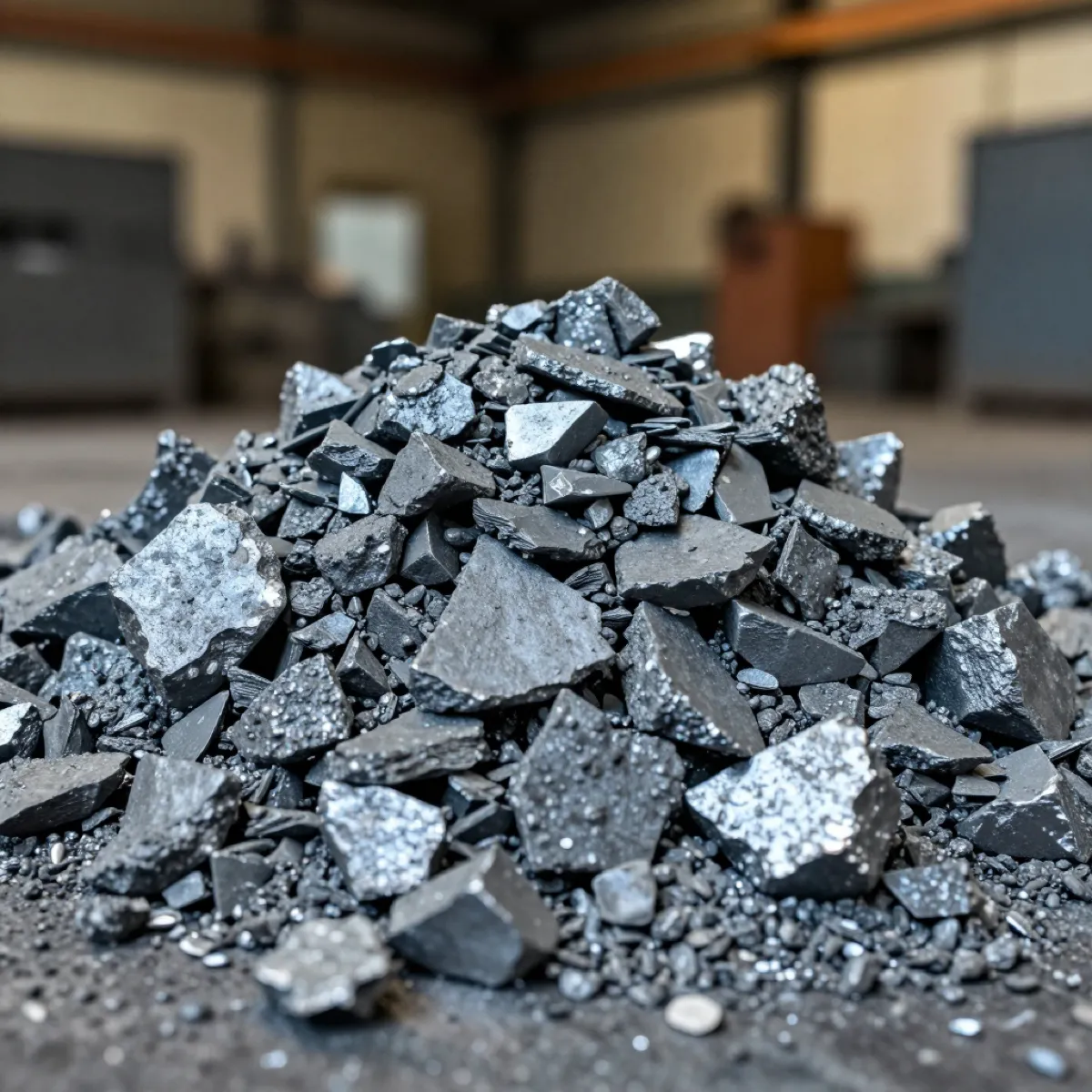
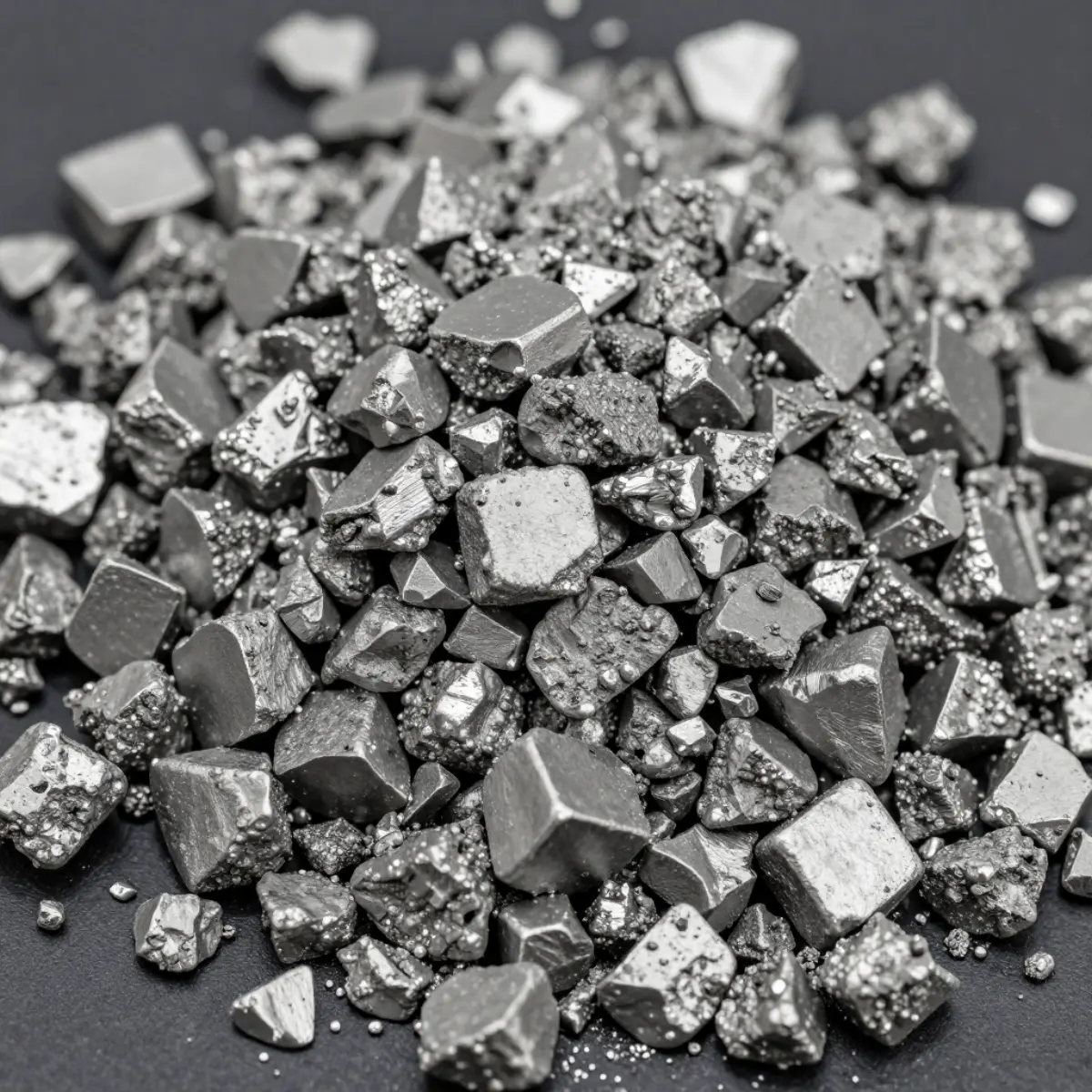
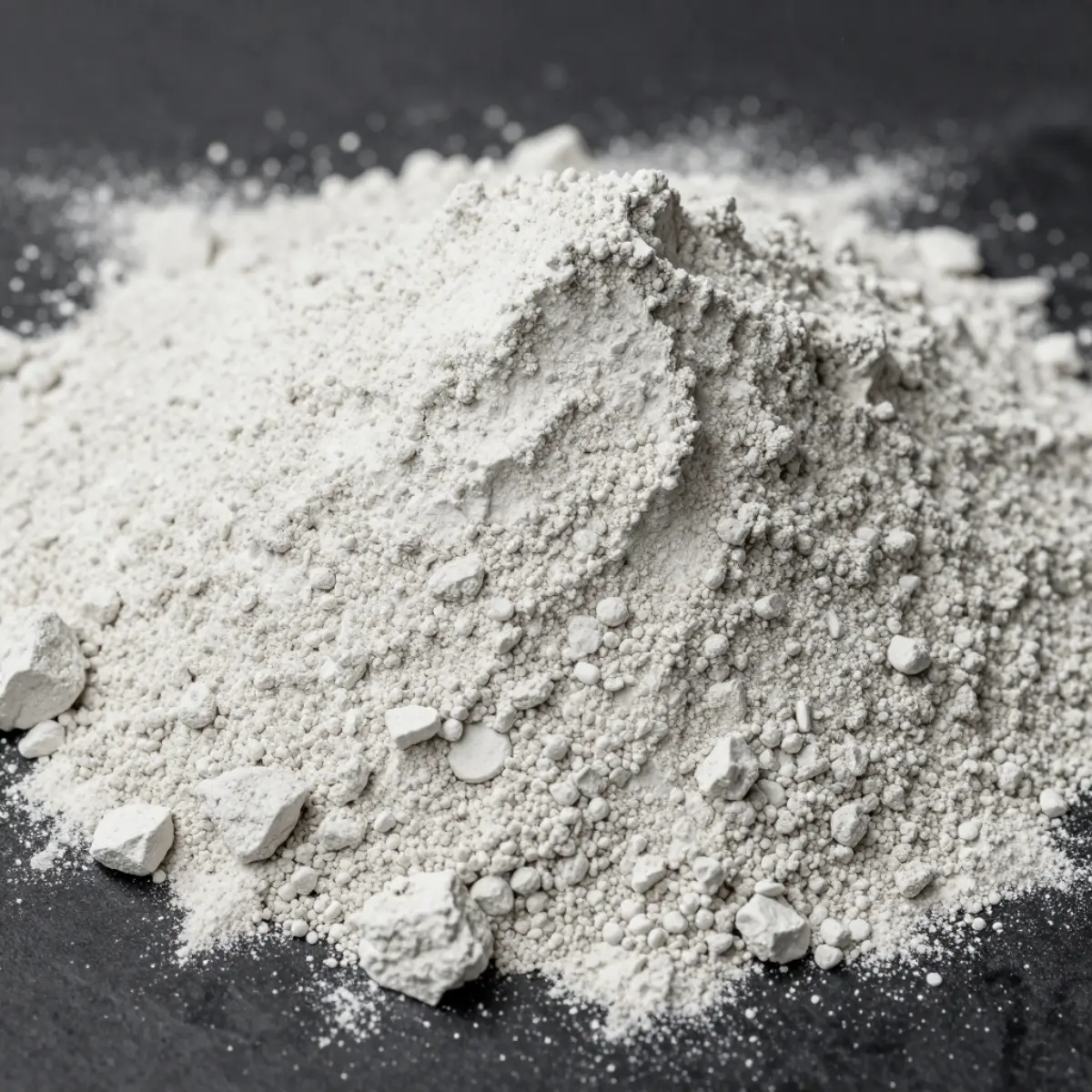
We supplied nodularizer and refined-slag inoculation material with documented chemistry and a controlled size range, and supported a standard inoculation practice with buffer stock at the ladle.
Result:
Spheroidization rates became more consistent, graphite-stringer rejects dropped, and tensile properties steadied across the ductile iron range.
A ductile iron foundry producing automotive and industrial castings was troubleshooting a recurring stream of rejects. Graphite stringers and poor spheroidization were showing up in the finished castings, and the foundry traced the variability to nodularizer and inoculation material that could not be held consistently to specification from batch to batch.
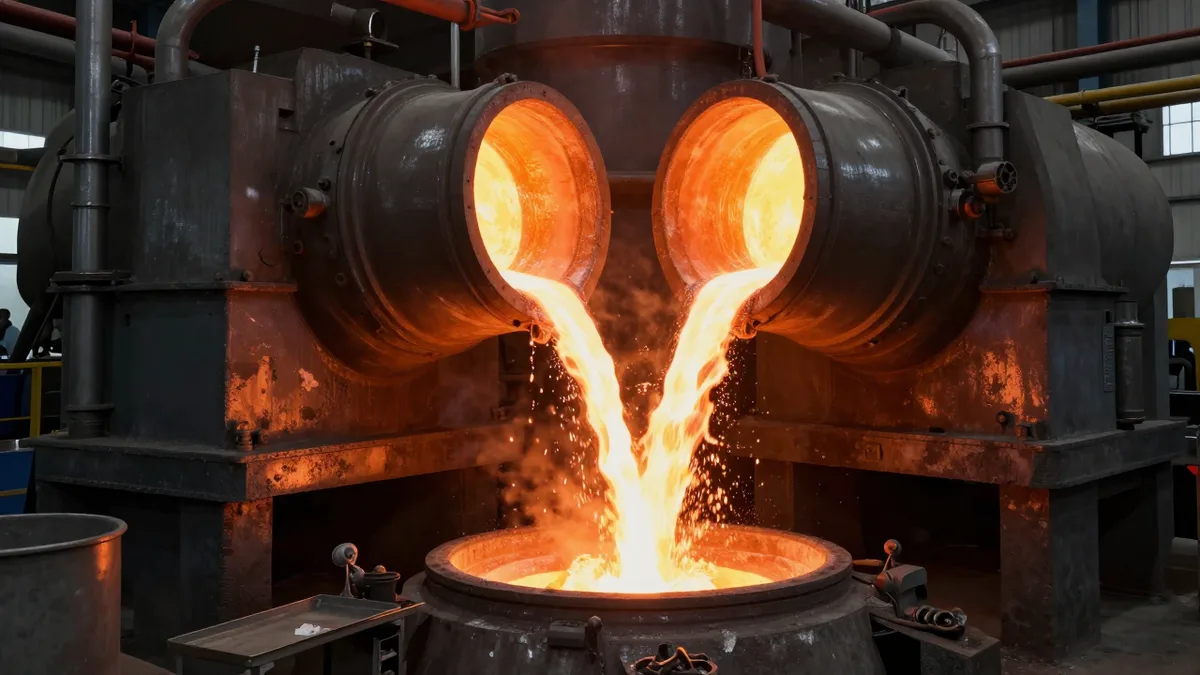
We supplied nodularizer with documented chemistry and a controlled size range, together with refined-slag inoculation material suited to the foundry’s practice. Working with the foundry, we standardized the inoculation step and held buffer stock at the ladle so that every pour was treated with material within the same specification, rather than whatever the current batch happened to be.
Spheroidization rates became noticeably more consistent, graphite-stringer rejects dropped, and tensile properties steadied across the ductile iron range. For a foundry, the reliability of the nodularization step is one of the clearest links between raw material consistency and finished-casting yield.