Challenge:
The steelmaker needed a consistent supply of low-sulfur, low-nitrogen graphitized petroleum coke (GPC) recarburizer for short-cycle electric arc furnace operations, where unreliable carbon pickup and variable particle size were driving off-spec heats and excess off-gas carbon losses.
Solution:
We aligned the specification on fixed carbon, sulfur and nitrogen limits and particle size, set a rolling delivery schedule with buffer stock near the mill, and provided lot-level chemistry documentation for each shipment to support charge control.
Result:
Carbon uptake became predictable heat-to-heat, reducing recarburizer over-addition by roughly 15% and cutting off-gas carbon losses, while off-spec heats from carbon deviation dropped to near zero across the supply period.
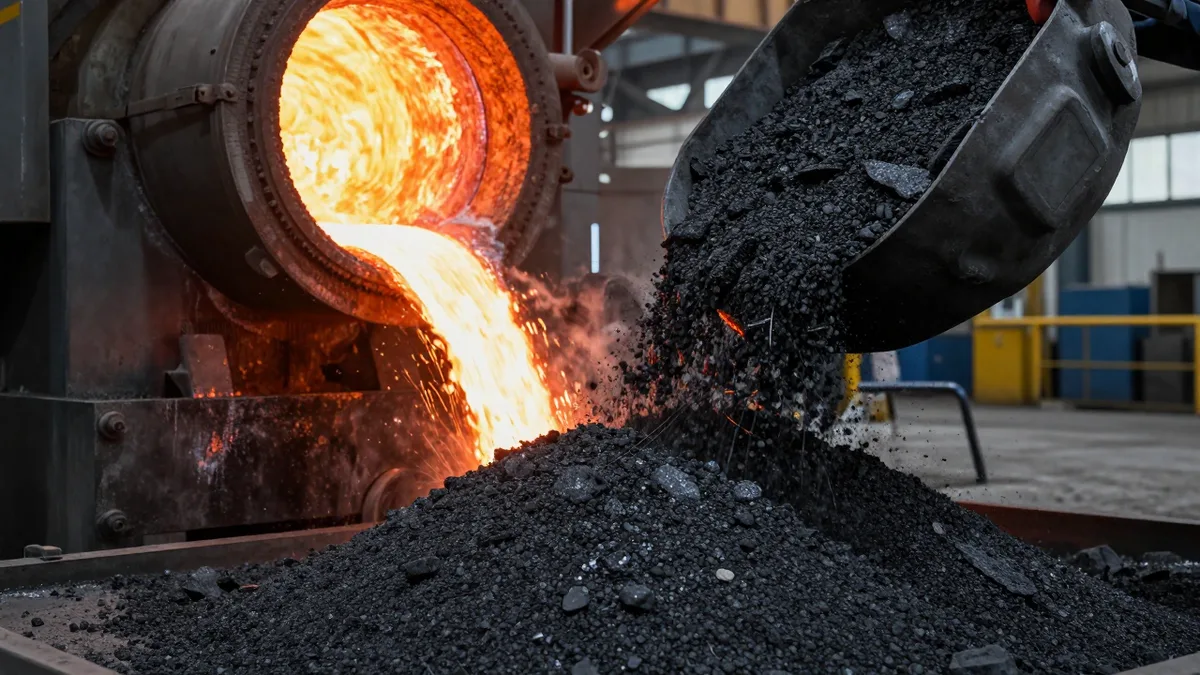
A European electric arc furnace steelmaker running a short tapping-to-tapping cycle struggled with recarburizer consistency. Their previous supply of graphitized petroleum coke varied from batch to batch in fixed carbon, sulfur, and particle size, so the melt shop charged to a safety margin rather than to target. The result was over-carbonized heats that required extra deoxidation, off-spec heats that had to be reworked, and measurable carbon escaping through the off-gas system — all of which eroded yield and energy efficiency on a high-volume line.
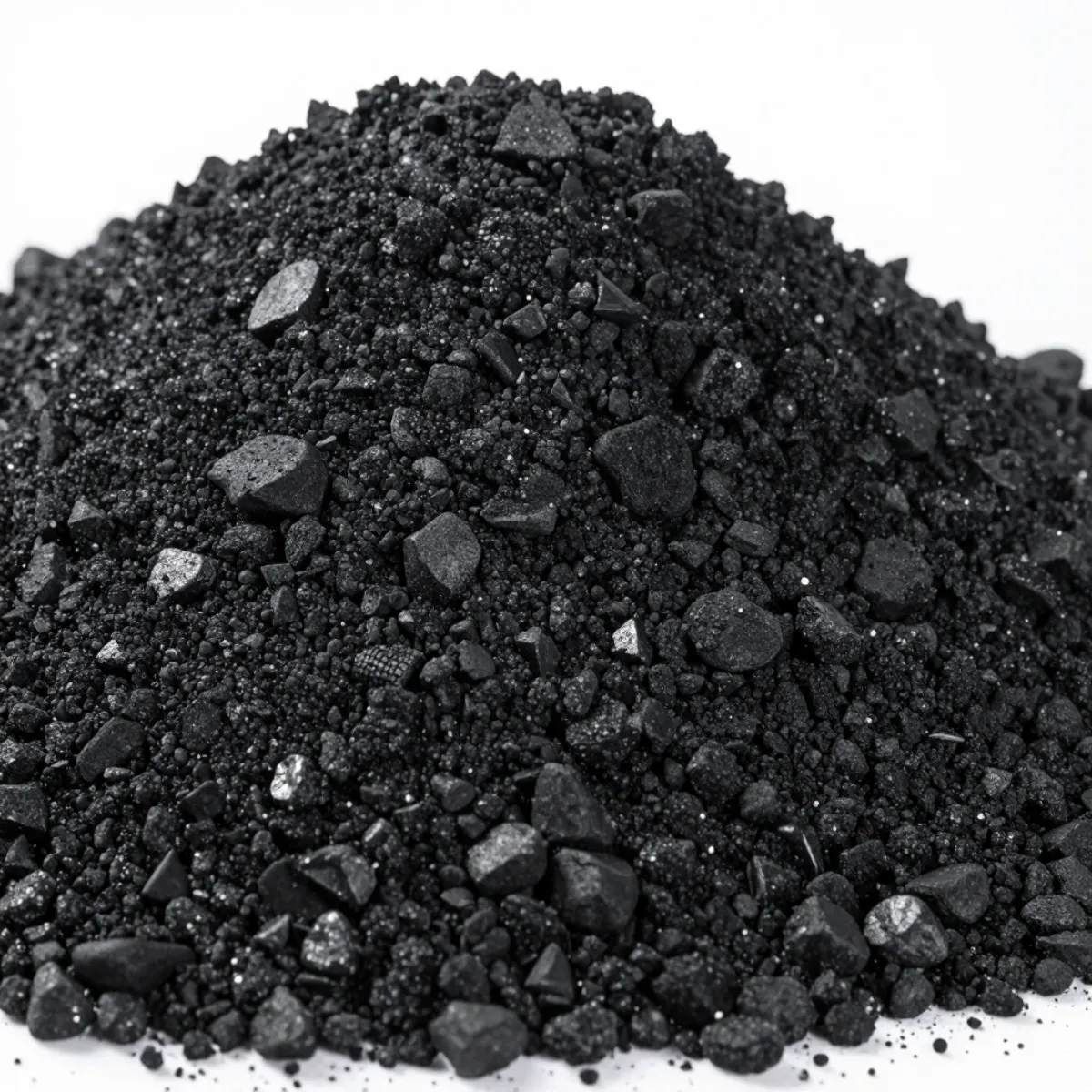
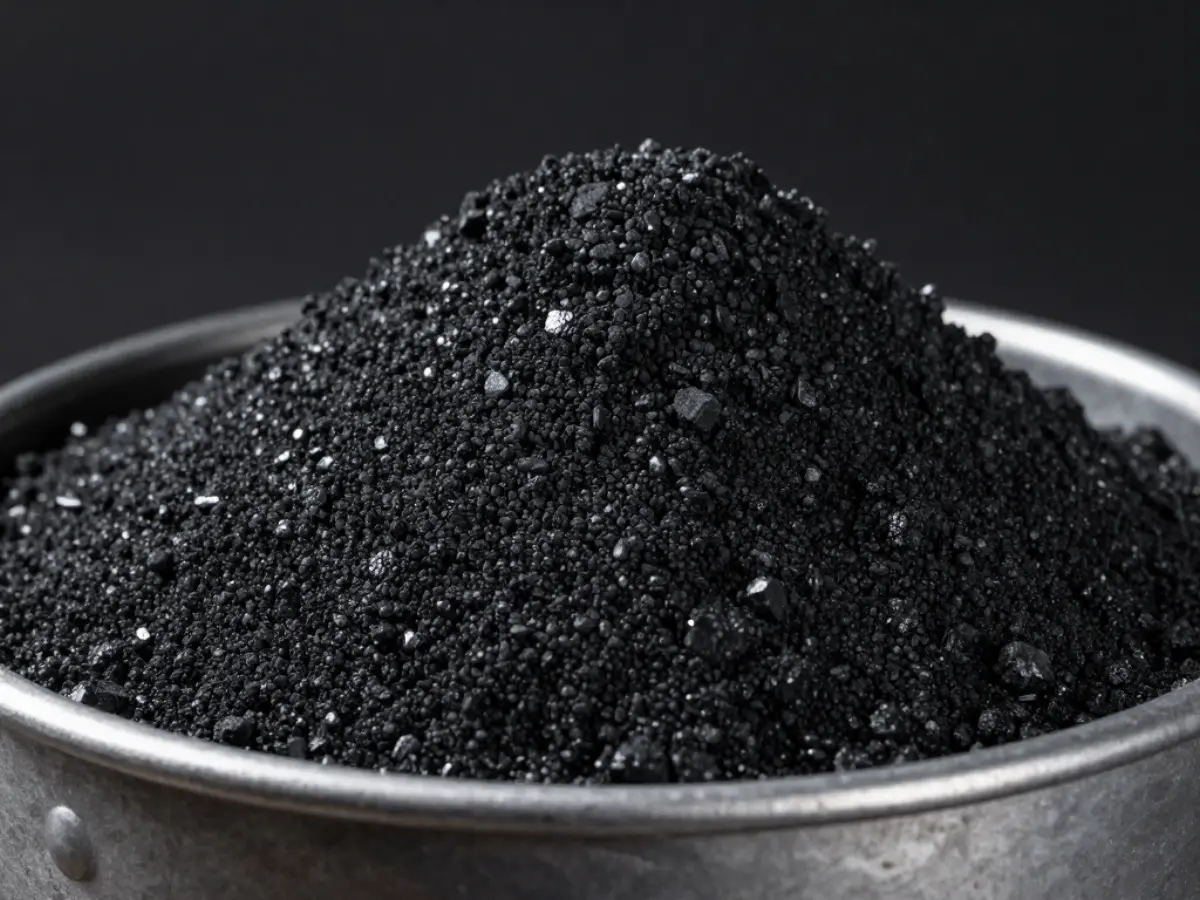
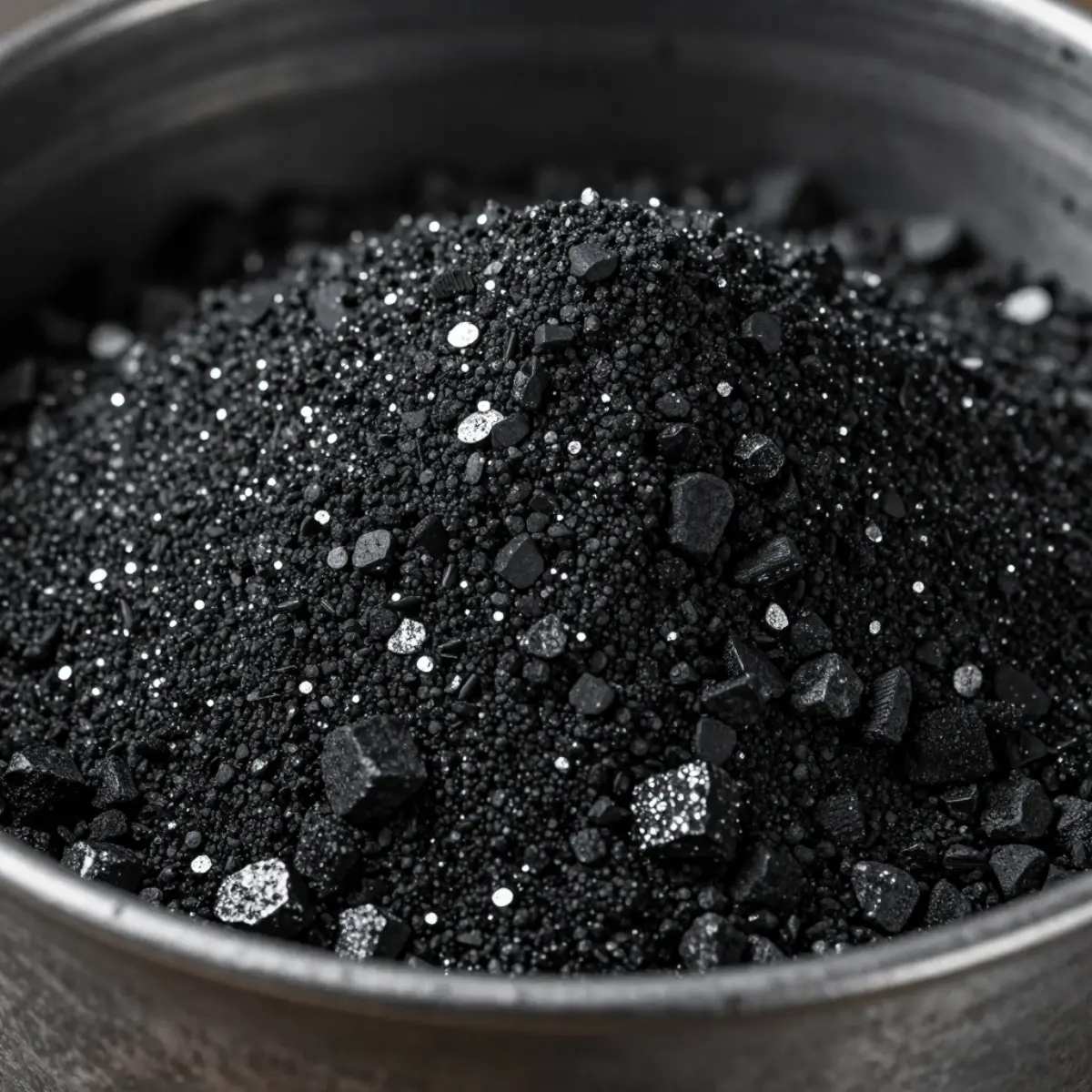
We worked with the steelmaker’s melting department to lock the GPC specification: fixed carbon, tight sulfur and nitrogen ceilings, and a controlled particle-size distribution in the 0.5–5 mm range that dissolves quickly in the short EAF cycle. Delivery was set on a rolling schedule with buffer stock held at a nearby warehouse, and every lot shipped with chemistry documentation so the charge could be calculated against measured rather than assumed carbon content. Particle-size consistency also stabilized pneumatic feeding and prevented the lancing and bin-flow issues that finer, variable material had previously caused.
Over the supply period the steelmaker reported that carbon uptake became predictable heat-to-heat. Recarburizer over-addition fell by roughly 15%, off-gas carbon losses dropped, and off-spec heats from carbon deviation approached zero. The predictable carbon behavior let the melt shop tighten their tapping carbon targets and reduce the deoxidizer required to clean up over-carbonized steel — a direct saving on two reagents at once.