How the EU CBAM Reshapes Ferroalloy Procurement: Documentation, Traceability, Carbon Accounting
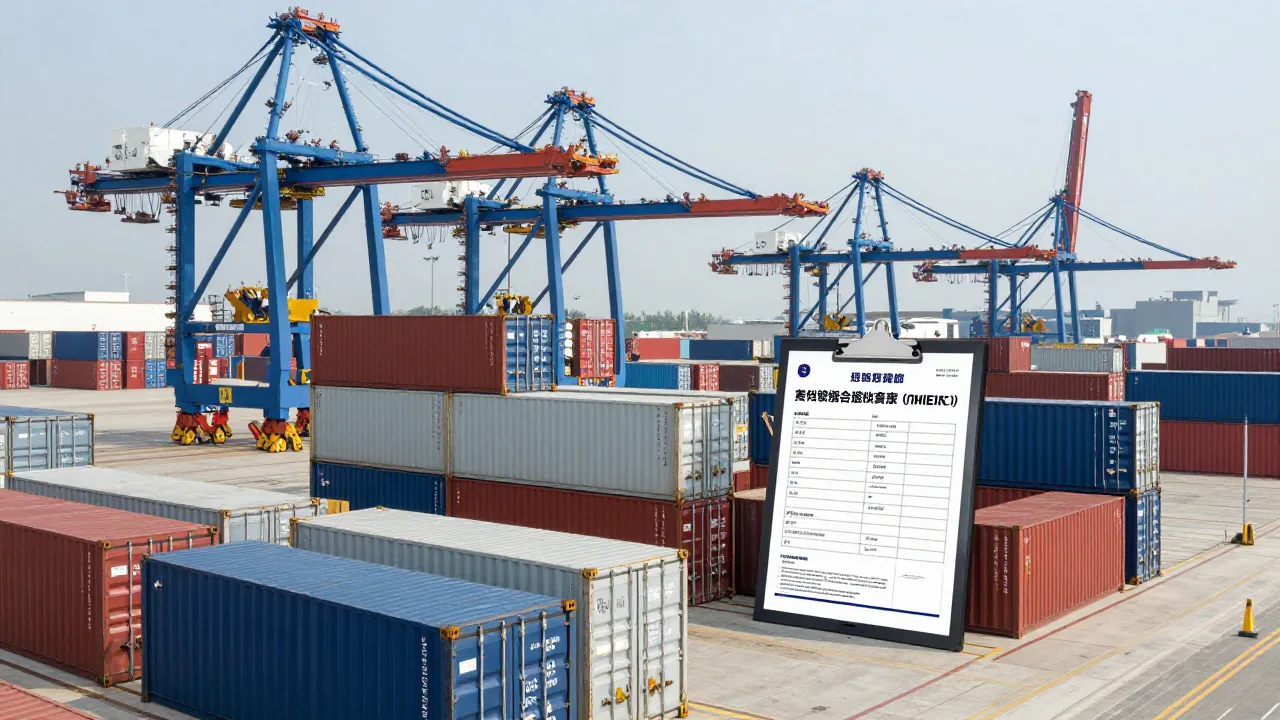
The EU Carbon Border Adjustment Mechanism (CBAM) moved into its definitive phase in 2026, replacing the transitional reporting-only regime with the purchase of CBAM certificates and, critically, the requirement to verify the embedded emissions of imported goods. For buyers of ferroalloys — ferrochrome, ferromanganese, and ferrosilicon in particular — the mechanism does not stop at the steel mill gate. Because ferroalloys are inputs into steel, they fall within CBAM’s coverage where the importing entity declares the embedded emissions of the goods. The practical consequence is that carbon accounting has become a procurement specification, not an environmental, social, and governance afterthought.
The documentation burden has shifted decisively toward the supplier. Buyers should now request, at minimum, a carbon footprint statement covering the production route, a declared country of origin, and a life-cycle assessment (LCA) performed to a recognized methodology such as PAS 2050 or an Environmental Product Declaration (EPD) aligned to the relevant CEN standard. The LCA must reflect the actual production process — the electricity mix, the reductant used, and the smelting technology — because embedded emissions for ferroalloys vary widely by route. Submerged-arc or electric-arc furnaces powered by low-carbon grids report materially lower footprints than operations reliant on coal-heavy or grid-average electricity, and CBAM treats that difference in price.
Traceability is the second pillar. CBAM’s verification regime expects a verifiable chain from raw material to import declaration, which means buyers need more than a certificate of analysis. Origin certificates, production-site declarations, and batch-level carbon data must line up so that a third-party verifier can reconcile the declared emissions with the actual goods. For buyers sourcing through traders rather than directly from producers, this chain-of-custody requirement is the hardest part: every intermediary must preserve and pass through the underlying production data, and a break in the chain can render the entire declaration unverifiable.
For ferrochrome, the emissions split between electricity — the dominant driver in most production routes — and reductant use makes the choice of smelting technology and grid the two decisive variables. Ferromanganese and ferrosilicon are similarly sensitive to reductant type and furnace efficiency. Buyers who understand these drivers can negotiate carbon-attribute terms rather than accept a single average value, and they can prioritize suppliers who can document continuous improvement instead of offering a one-off footprint number.
Documentation-disciplined sourcing does more than satisfy the regulator. A supplier who can produce a methodologically sound LCA and batch-level traceability tends to be a supplier with process control, and the same discipline usually shows up in chemistry consistency and on-time delivery. By building a CBAM-ready documentation pack into the request-for-quotation stage, buyers reduce the risk of border adjustments that cannot be verified, avoid paying default values for goods that are actually cleaner, and shorten their own compliance cycle.
For procurement teams mapping this new landscape, a practical approach is to treat carbon documentation as a mandatory bid condition: require an LCA methodology statement, an origin certificate, and a traceability chain in every inquiry, and score suppliers on the quality of the documentation as well as the price. Trading platforms such as steelrefiningmaterials.com, operated by KHAKI TRADING CO., LIMITED, span 32 product categories, 17 languages, and more than 80 countries, giving buyers a single channel to compare documentation readiness across ferroalloy suppliers before committing to a long-term contract.