Cored Wire Injection Technology: Principles and Practice
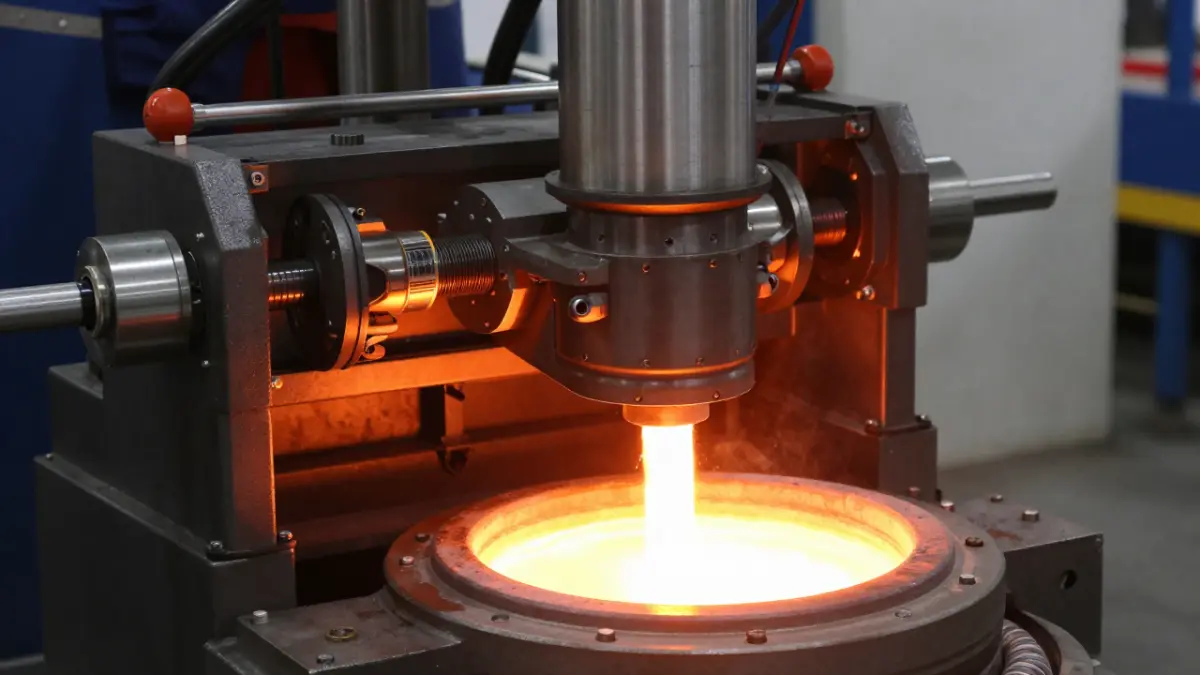
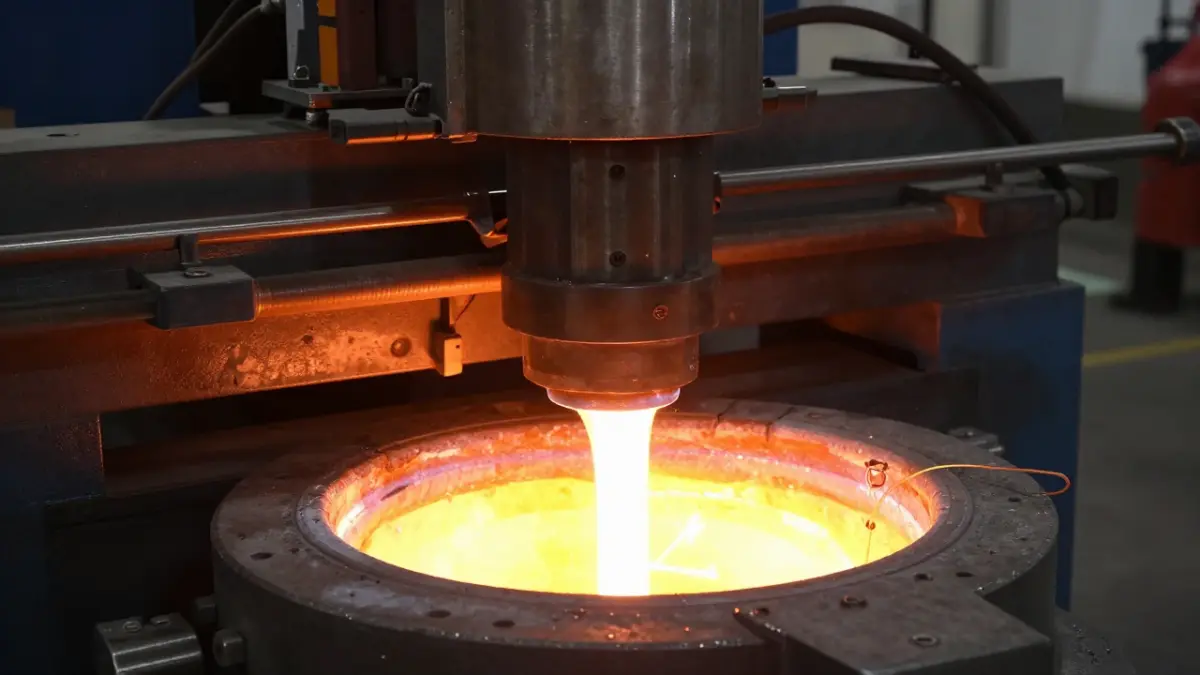
Cored wire injection has become the preferred method for adding reactive and high-value alloying elements to liquid steel in the ladle. The technology involves feeding a hollow steel tube filled with powdered alloy material into the melt at a controlled speed, allowing the alloy to dissolve deep below the bath surface where it is protected from oxidation and slag interaction. This approach delivers significantly higher and more consistent recovery rates compared to bulk addition methods.
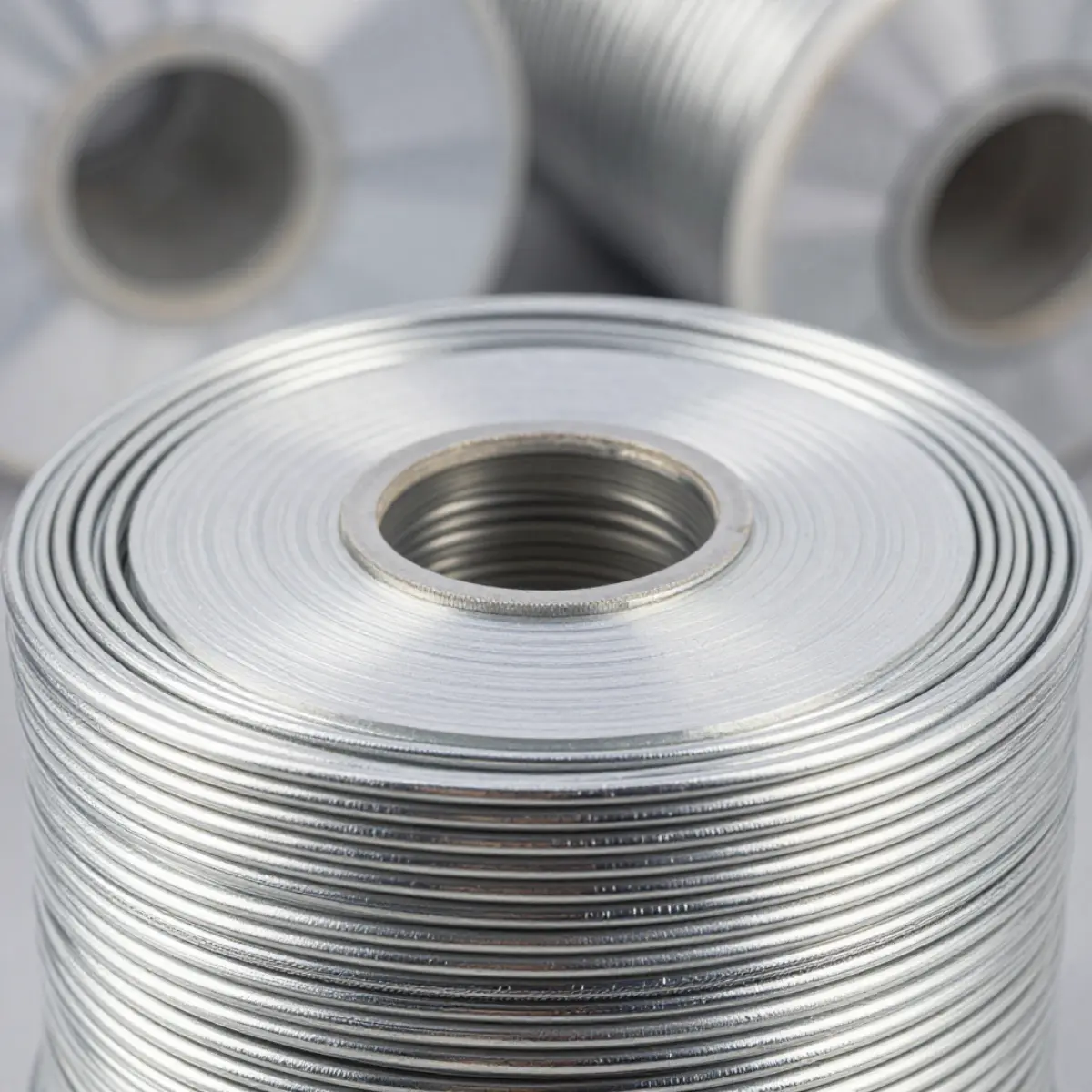
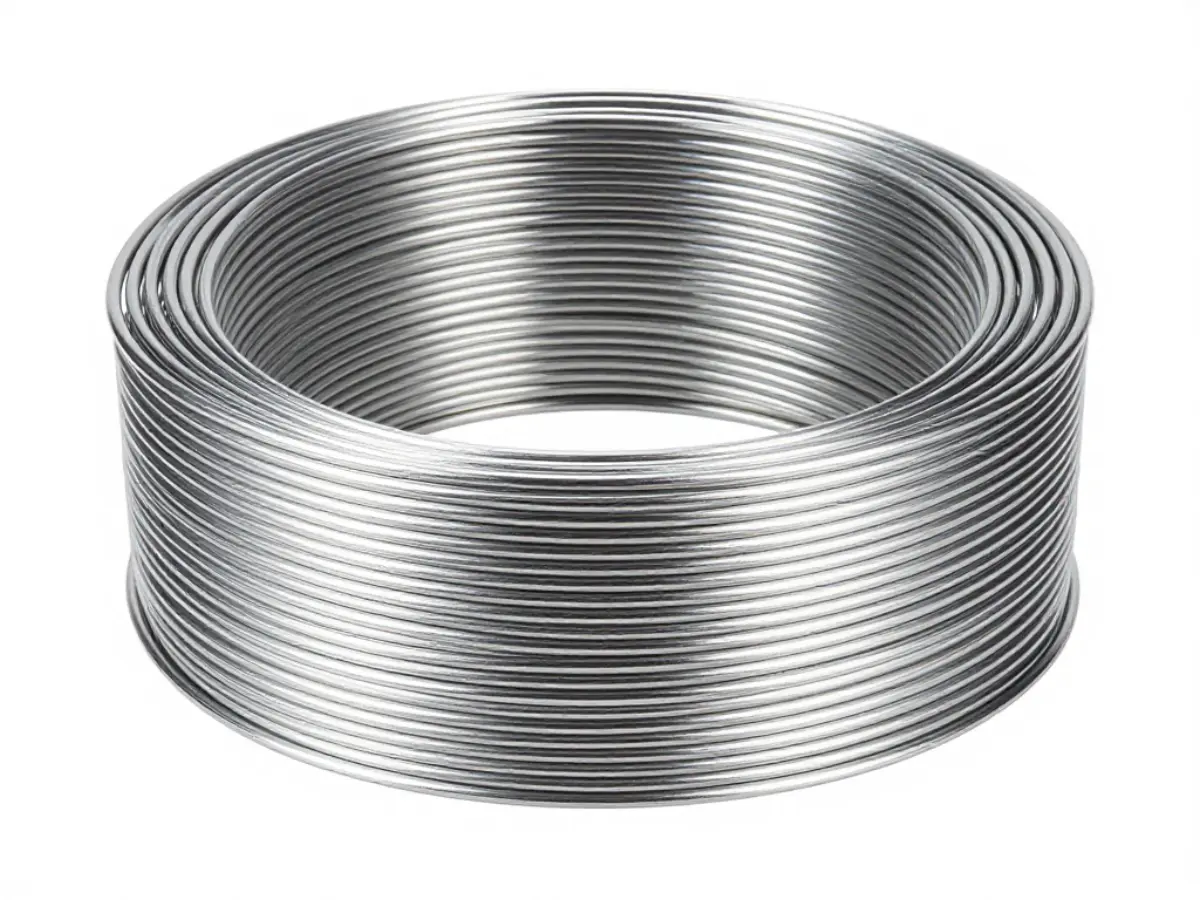
The wire itself consists of a steel strip formed around a core of powdered material. Common core materials include calcium silicide, calcium carbide, ferrosilicon, aluminum, carbon, and various microalloy combinations such as vanadium nitride. The steel sheath protects the core material from moisture and oxidation during storage and handling, and it controls the release of the core material into the melt by melting back at a predictable rate. Wire diameter typically ranges from 9 mm to 13 mm, with the choice depending on the injection machine capacity and the ladle geometry. Consistent wire diameter is critical: variations of even 0.5 mm can cause feeding jams that disrupt the injection sequence and compromise alloy recovery.
Injection parameters must be tuned to the specific ladle configuration and alloy being added. Key variables include wire speed (typically 50-200 m/min depending on alloy reactivity), injection depth (the wire must reach below the slag-metal interface), and argon stirring intensity during and after injection. Calcium-bearing wires are particularly sensitive to injection depth because calcium has a low boiling point and will vaporize before dissolving if released too close to the surface. For aluminum and silicon-based cores, the parameters are more forgiving, but optimized settings still improve recovery by 10-15% compared to conservative injection practices.
Steel core aluminum wire deserves special mention as a variant that combines the functions of deoxidation wire and aluminum wire in a single product. The steel sheath provides weight that helps the wire penetrate deeper into the bath before the aluminum core is released, improving aluminum yield in grades where high dissolved aluminum targets must be met. For any wire injection application, sourcing wire with verified core content and consistent diameter is the foundation of reliable process control.