Refractory Brick Selection for Steelmaking Furnaces
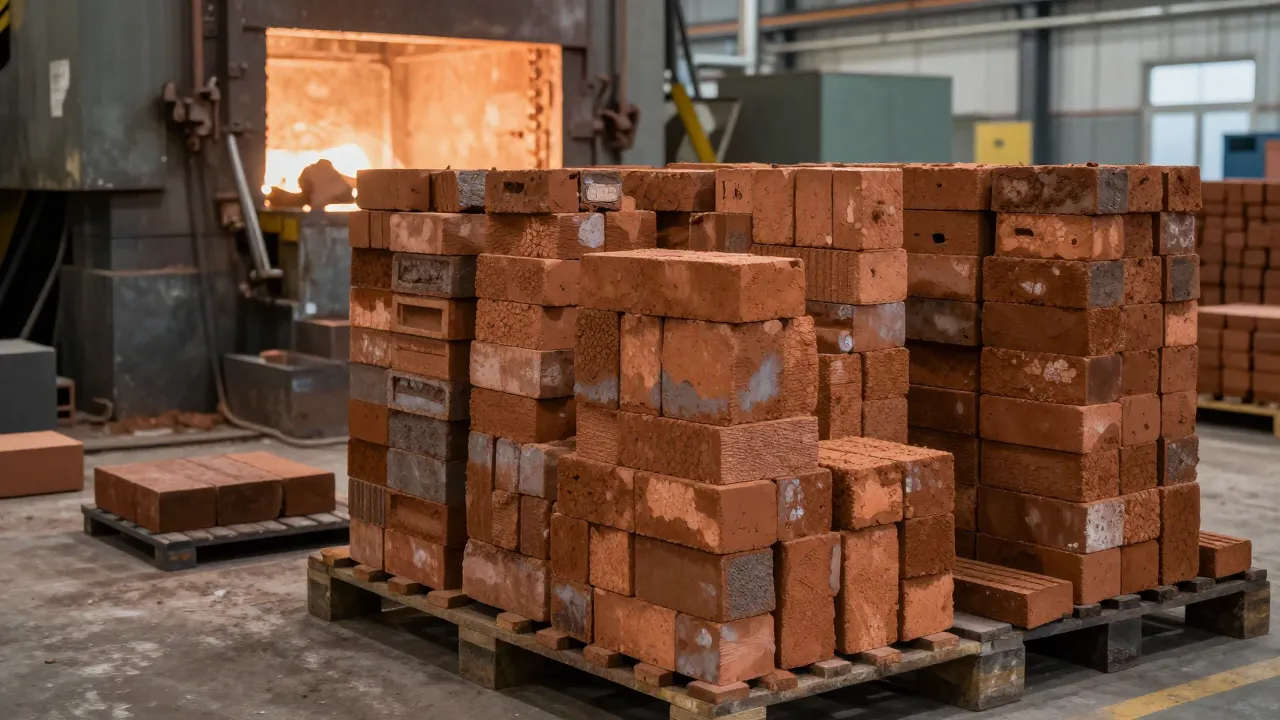
Selecting the right refractory brick for a steelmaking furnace is never only a temperature question. Operators must balance working temperature, slag chemistry, thermal shock, mechanical impact, and campaign cost. In many plants, using one brick grade everywhere creates either premature wear in severe zones or unnecessary overspending in moderate zones. A better approach is to match the lining material to the actual service condition of each area.
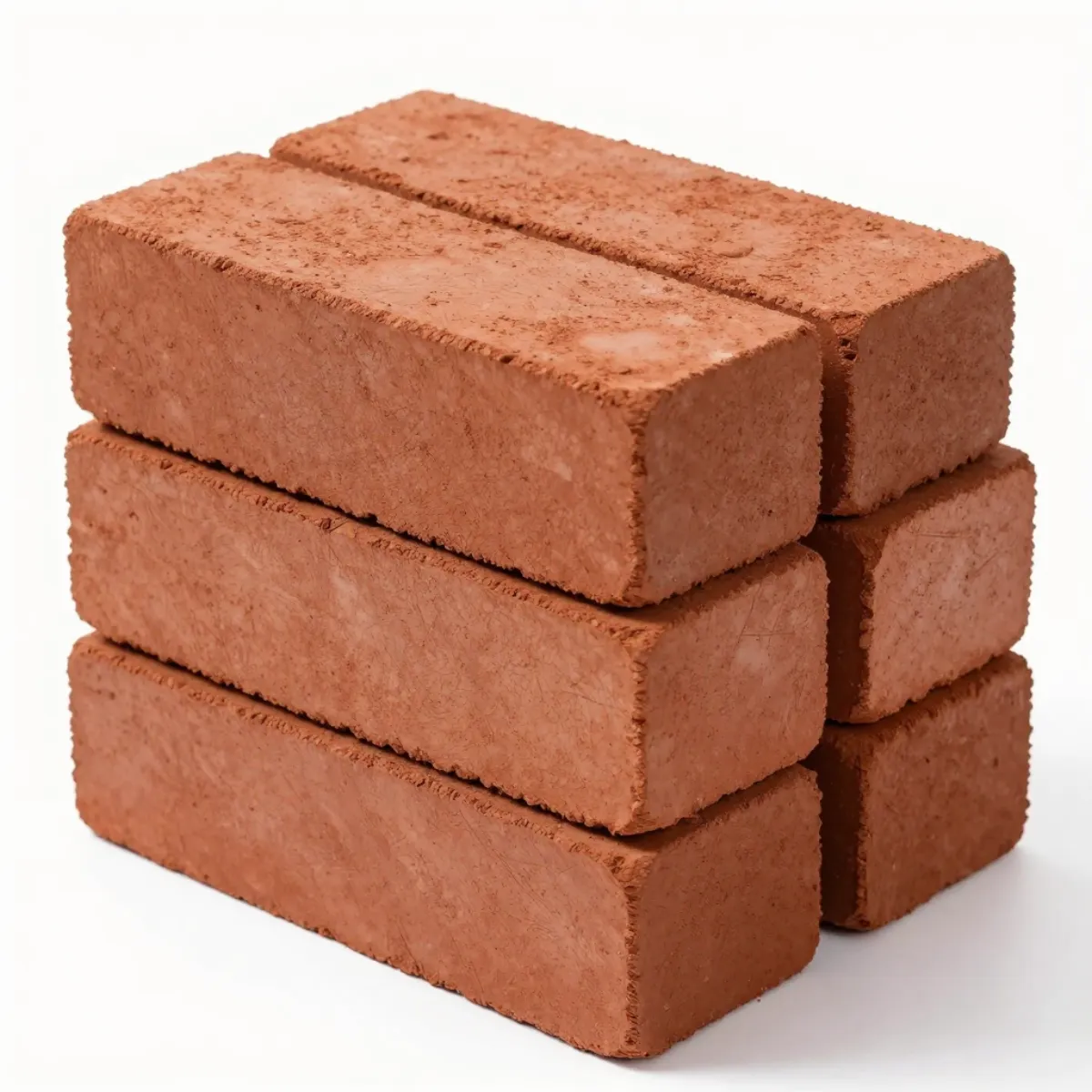
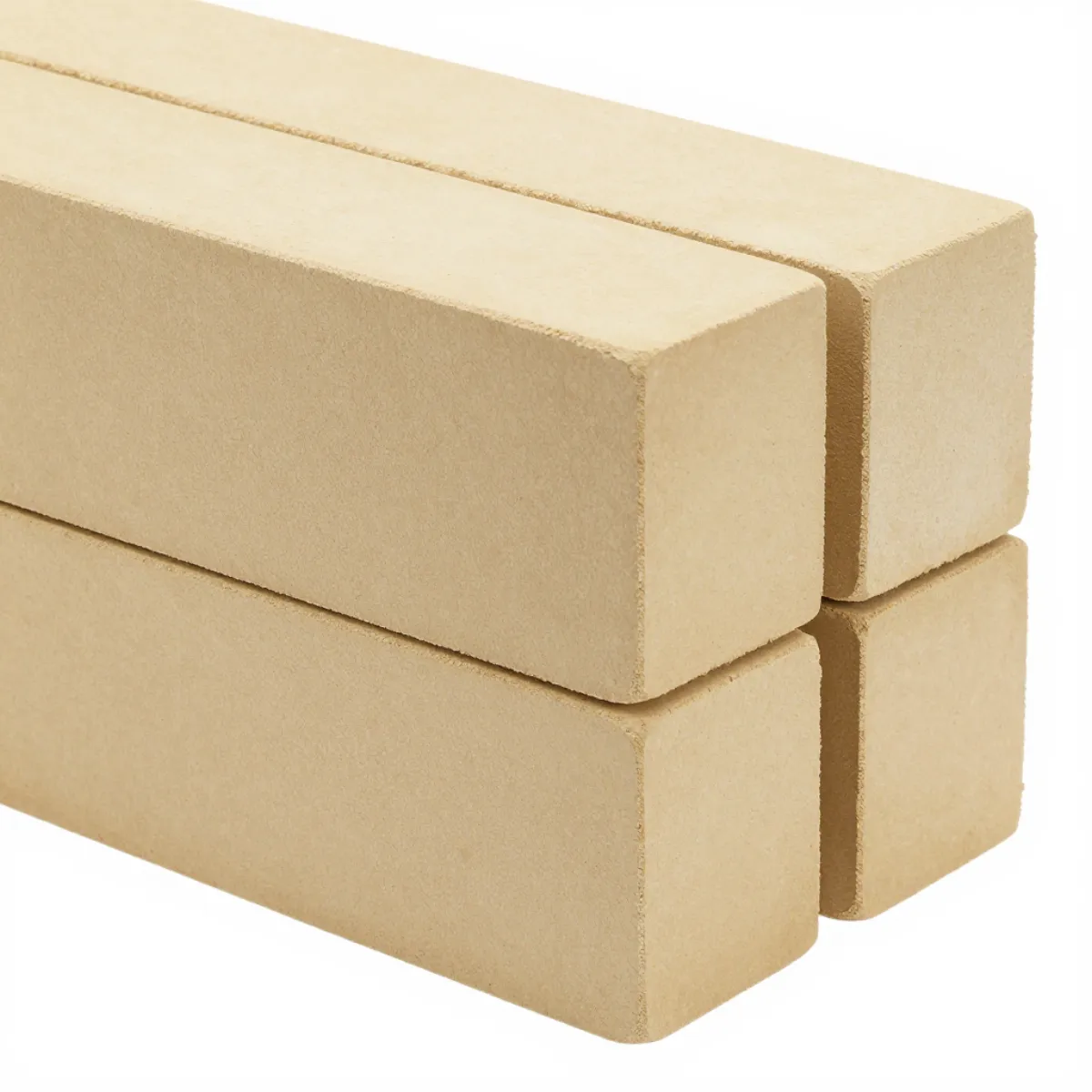
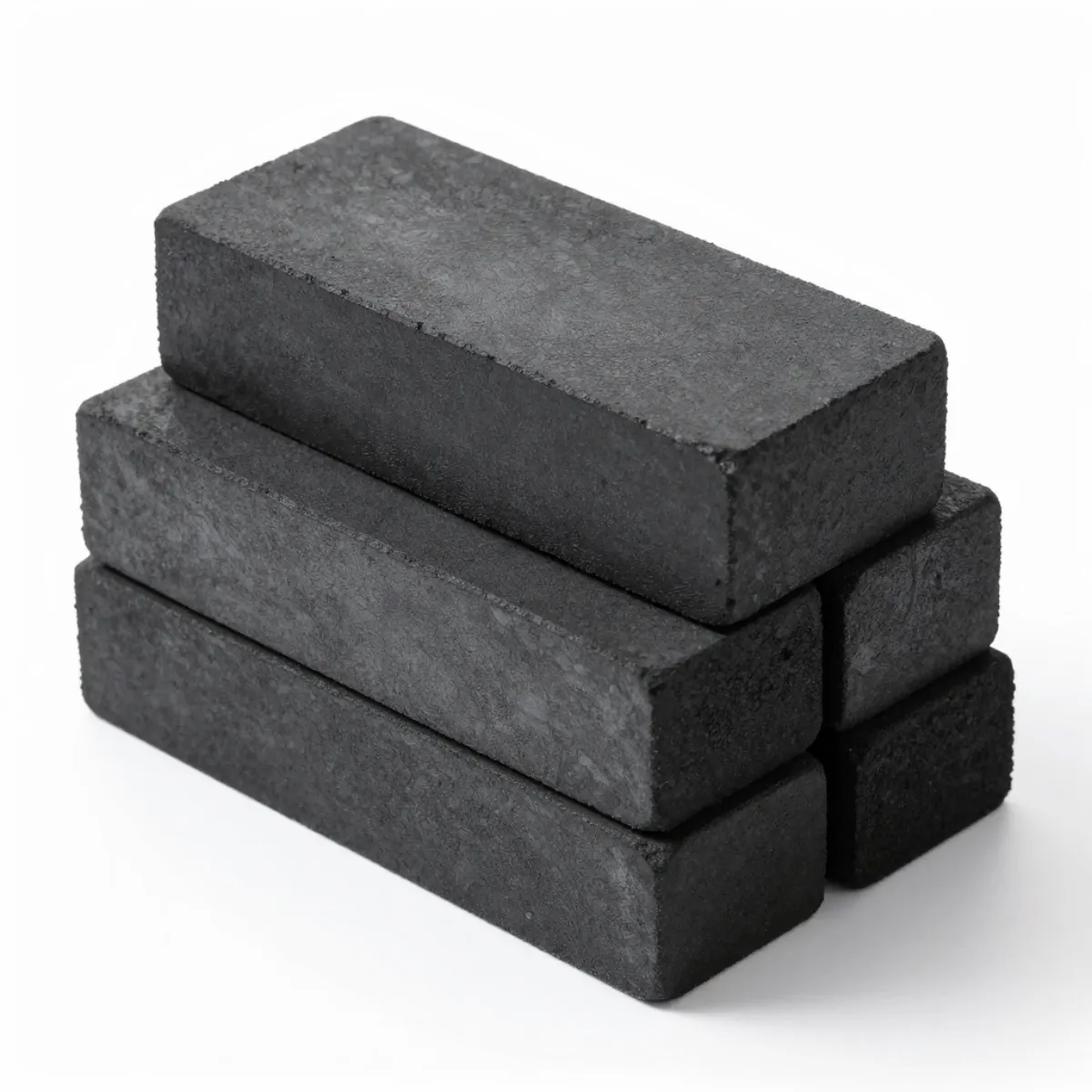
Firebrick is usually the economical choice for moderate-temperature zones, backup layers, and furnace sections where thermal stability matters more than extreme slag resistance. High alumina brick is preferred when the lining must withstand higher heat loads, stronger abrasion, and longer service life in stoves, ladles, and transition areas. Magnesia carbon brick is the heavy-duty option for the most aggressive steelmaking positions, especially slag lines, EAF hot spots, BOF converter zones, and other locations exposed to basic slag, rapid temperature cycling, and severe erosion.
The most reliable furnace lining strategy is therefore a zone-based selection plan. Use firebrick where cost-effective insulation and stable service are enough, upgrade to high alumina brick where temperature and wear increase, and reserve magnesia carbon brick for critical contact areas where downtime is most expensive. This layered selection method improves campaign life, controls refractory cost per ton of steel, and gives maintenance teams a clearer basis for future replacement planning.